

Table of Contents
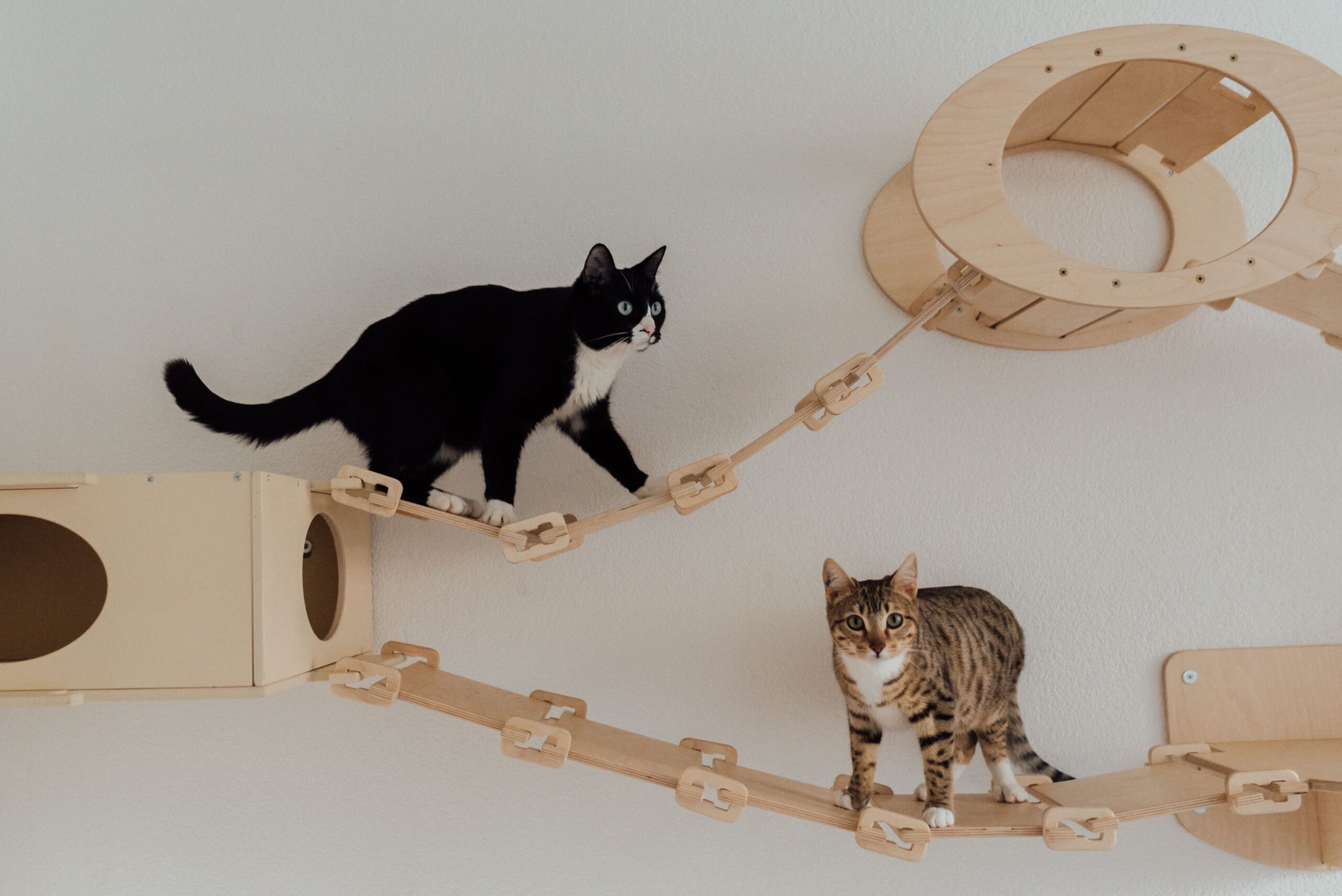
Cat wall shelves mounted systems have surged in popularity, but safe, stylish, and regret-free installations are not as straightforward as most guides make them seem. Before you click buy, use this market-tested playbook to match features, mounting, and durability to your home and your cats—with zero unpleasant surprises after installation.
Key Takeaways
- Wall-mounted cat furniture is rapidly growing—driven by urban living, space-saving needs, and pets being treated as family.
- Safety and durability issues, especially poor mounting and undersized shelves, are top reasons buyers regret their purchases.
- Stud-mounted, modular shelves rated for real cat behavior—multiple jumps, not just static lounging—are essential for multi-cat homes.
Market snapshot — why wall-mounted cat furniture is a growth category
Urbanization, the humanization of pets, and shrinking home footprints have made floating cat wall furniture a breakout trend through 2025. Sales of wall-mounted cat wall trees and climber sets averaged nearly 272 units per month on Amazon in August 2025, with demand projected to swell as renters and homeowners seek to maximize vertical space for their cats. The wall-mounted shelves niche is on track to join a global cat furniture market forecasted at $1.49 billion by 2034 (6.8% CAGR). Consumer priorities: safe, stylish, and space-efficient furniture that integrates into modern interiors.
What’s trending in 2025 — modular, convertible and design-forward systems
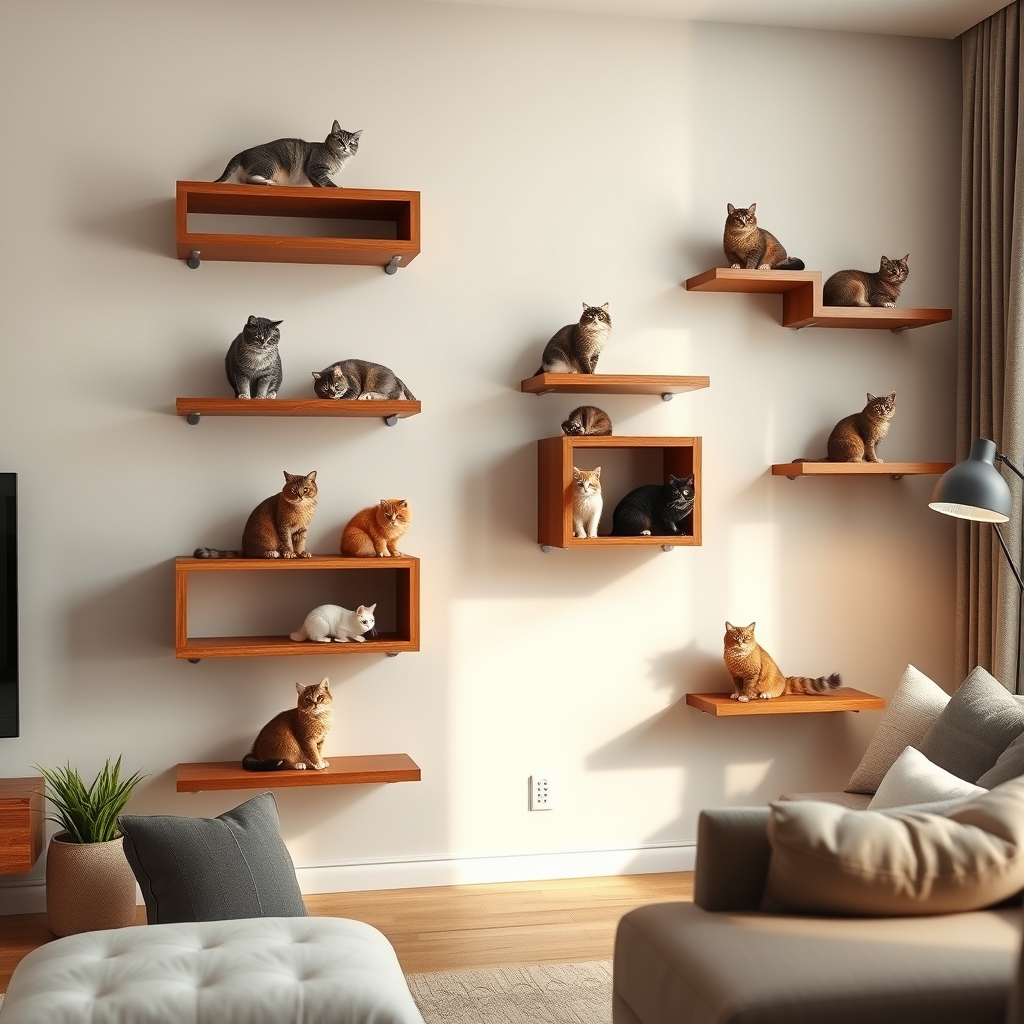
The latest cat wall shelves and perches aren’t just planks—they’re modular, convertible, and come in finishes to match your décor. Convertible lounging-to-climbing systems blend sleeping, scratching, and play in one wall-integrated solution. Industry analysis shows that growth from 2020 to 2024 was driven by the desire for flexible layouts, urban renters opting for minimal floor furniture, and coordinated, pet-proof fabrics (see leading innovations). Brands increasingly offer modular shelf sets that let buyers expand or remix as their cats’ behaviors evolve or as their home layout changes.
For renters, look for “no-drill” or removable anchored options (though these almost always support less weight and require careful monitoring). Modern walkways leverage smart, scratch-resistant surfaces—some even include replaceable panels or machine-washable fabrics that keep wall units looking sharp after years of use.
Top buyer complaints and regrets — what causes returns and refunds
Despite surging sales, regret rates remain high. The most common issues in cat wall shelves mounted reviews:
- Platforms too small or shallow for adult cats or multiple pets
- Suction cup failures (especially for “window shelves”), leading to shelf collapse
- Unstable mounting (wobbles on drywall or hollow wall)—scaring cats or risking injury
- Unclear or overstated weight capacity vs. real-world jumping and play
- Difficulty understanding installation instructions, leading to faulty installs
Market analysts note that shelf longevity and stability are critical pain points—manufacturers are urged to address these (see market feedback here), as frequent product replacement wastes money and time and can make cats wary of wall furniture.
| Issue | Regret Trigger | Recommended Fix |
|---|---|---|
| Small platform size | Cat avoids using shelf, wasted money | Check full shelf dimensions + compare to cat’s body length |
| Suction cup failure | Collapsed perch, scared or injured cat | Prefer drilled/stud-mount models for any cat over 7 lbs or multi-cat setups |
| Unclear real-world weight limits | Broken shelf during cat jumps/climbs | Demand weight TESTED ratings (not just “supports up to X pounds”) |
| Flimsy/hollow mounting | Unit wobbles, cats refuse to climb | Use stud-mounting, drywall anchors, and check fastener type |
| Poor instructions | Misinstallation, shelf failure | Watch brand video tutorials; consider pro install for peace of mind |
Bottom line: anything that feels “just sturdy enough” is usually under-engineered for daily cat play. Return rates spike when shelves disappoint on size or fail under repetitive use, so always go larger and stronger than you think you need.
The single biggest mistake many buyers make (and how to avoid it)
It’s tempting to assume a wall-mounted cat climbing system only needs to support a cat’s static weight when resting. This is the #1 cause of shelf failure, especially when two cats leap or wrestle on the same structure. The “dynamic load” of a standard adult cat jumping down (12 lbs at rest can become 25-45 lbs of force) rapidly exceeds basic anchors’ capacity. Multiply that if your cats run in tandem!
Rule of thumb from expert installers: Your mounting solution (studs or specialty anchors) should be rated at least 3x your combined cat weight (see why here). For two 12 lb cats, look for a shelf set rated to support 65-85 lbs with real-world tests.
If your wall construction is drywall or plaster, never use stick-on, suction, or basic drywall plugs for anything but single kitten applications. Use vertical walkways and distribute the load over multiple anchor points instead—especially important in modular walkways that act as high-traffic “cat highways.”
Installation & safety checklist — details most top articles omit
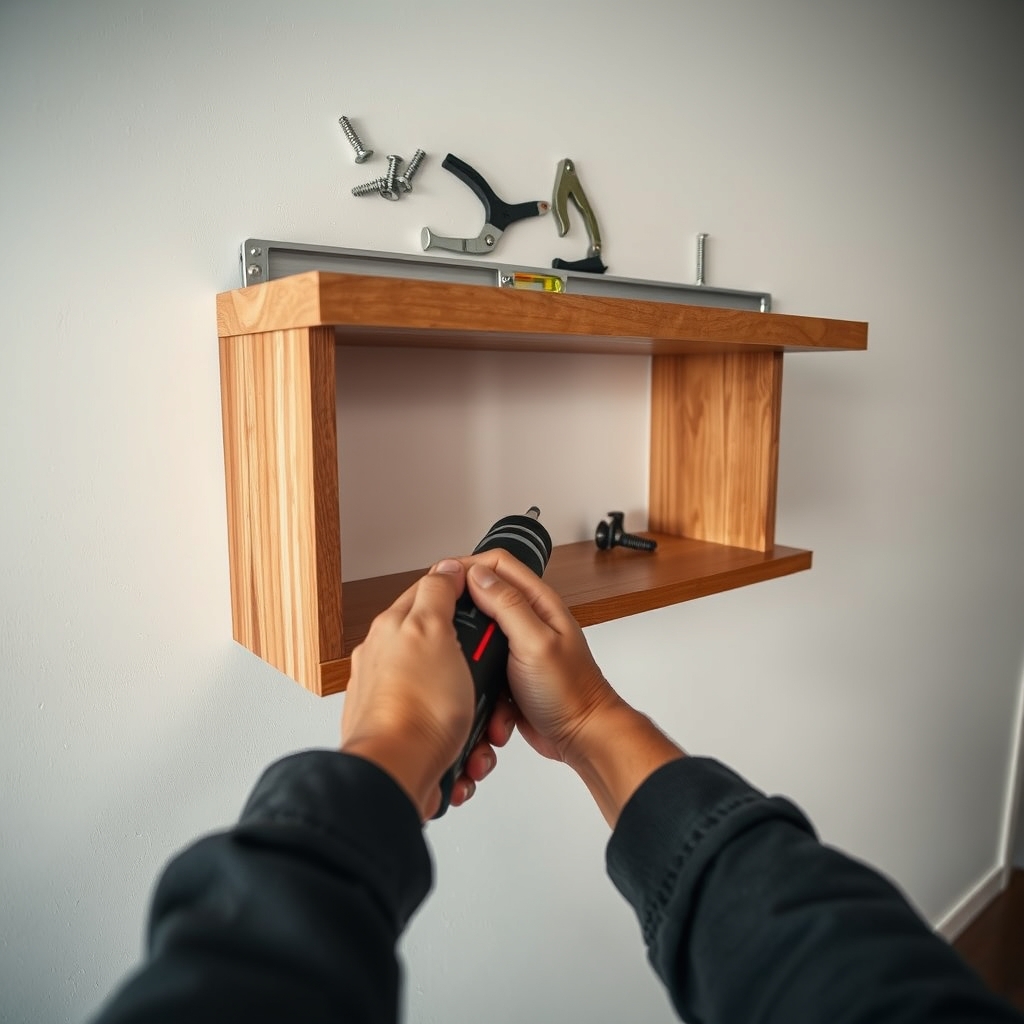
Proper mounting is the difference between a lifelong cat jungle gym wall system and an expensive fail. Here’s the practical, safety-first checklist every buyer should follow:
- Use a reliable stud finder to locate 16” on-center wall studs (standard in US homes)
- Drill only into studs for main shelf supports; use heavy-duty toggle anchors or backing plates if studs are impossible
- Never rely on plastic drywall plugs for shelves intended for anything but kittens or decor items
- For masonry or brick walls, use specialty masonry anchors and predrill with the correct bit
- Always use the manufacturer’s recommended fasteners—or better
- After installation, carefully test by applying dynamic pressure (your own bodyweight push) before letting cats onto the shelving
- Mount shelves at intervals that suit your cats’ jumping ability (8-16” rise is typical), and leave at least one shelf clear of obstacles for easy ascent and descent
Some solid wood cat shelf set modular systems are stress-tested for up to 85 lbs per shelf (see weight specs here). For households with multiple cats or especially active climbers, always choose rated, stud-mounted options.
IKEA cat shelves — what top-ranking articles miss (and what to check before buying)
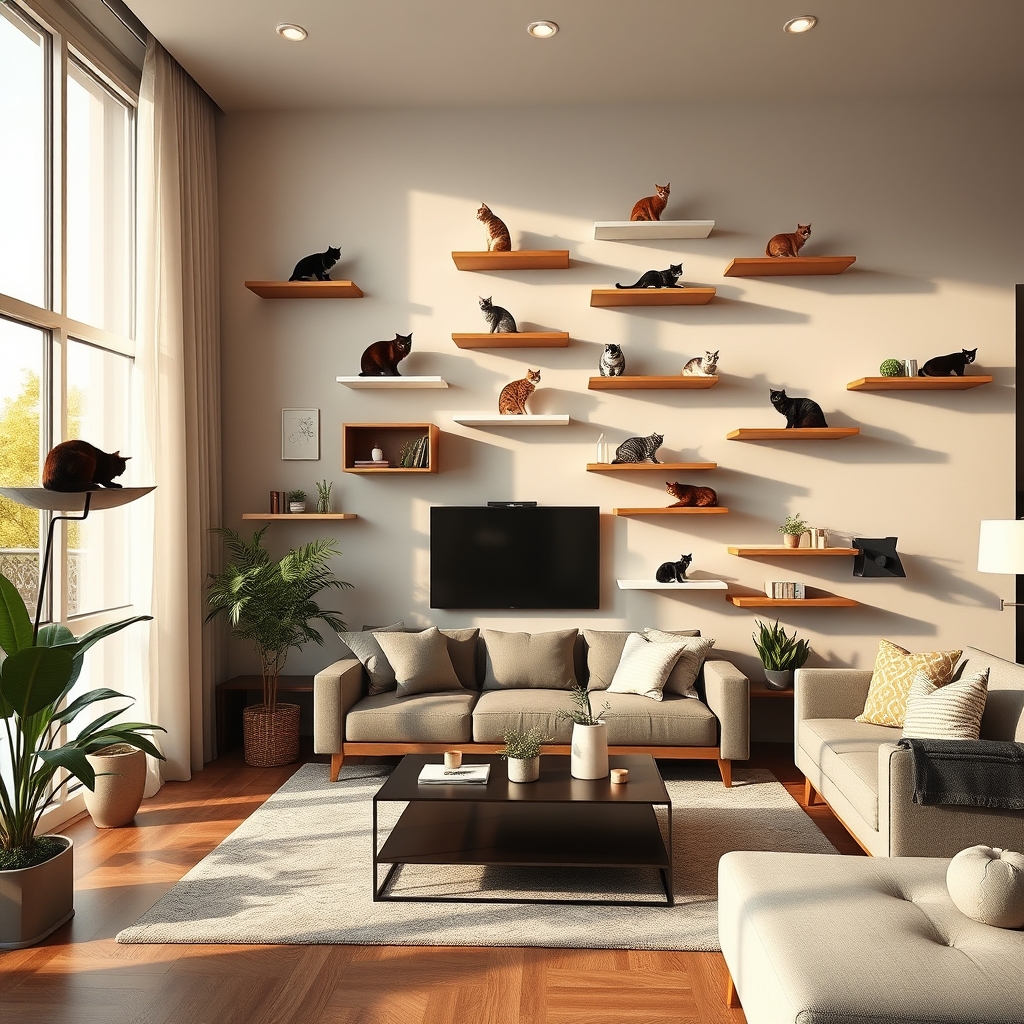
IKEA cat shelves lure buyers with price and chic Scandinavian style, but they bring unique installation caveats:
- Most IKEA wall shelves use included drywall anchors not rated for frequent, dynamic loading (especially with multiple cats)
- Shelf depth may be under 7-8”, which is too small for stretching, sleeping, or dual-cat play
- Edge details and laminate finishes can splinter or separate over time, especially under claws
- Instructions rarely mention max recommended cat weight or reinforcement for homes with more than one cat
- Integrating IKEA shelves into other modular brands often requires extra hardware or user ingenuity
If using IKEA shelves: reinforce all anchor points with aftermarket heavy-duty anchors, combine shelves with deeper add-ons, and always stay well under the manufacturer’s listed weight limit unless mounting solidly into studs. For real peace of mind, see how modular systems purpose-built for cats outperform “hacked” solutions over the long term.
Feature checklist — must-have specs before you click “buy”
- Weight rating: per shelf or platform—look for products stress-tested to at least 65–85 lbs, not just “up to 30 lbs” claims (see example)
- Mounting method: stud-mount preferred; masonry anchor compatible if needed
- Materials: solid wood or metal over MDF or composite for long life and no sag
- Surface finish: anti-slip textures, replaceable or washable covers for hygiene
- Interoperability: modular add-on compatibility to grow with your cats’ needs
- Scratchable panels or built-in scratching surfaces for all-in-one use
- Manufacturer’s recommended number of cats per shelf/system
- Warranty, accessible customer support, and clear returns policy
Look for brands that specify shelf test ratings and installation methods—many shop-built or boutique systems now highlight their 85 lb or higher capacity for cat walkway wall system reliability. Need inspiration for other modular home solutions? Learn about garage wall organization and ventless laundry for more space-saving tips.
Product selection scenarios — pick by cat behavior and home constraints
- Single cat, small studio: Choose compact floating perches or hammocks; window-mounted shelves (for cats under 7 lbs) can work if suction is periodically checked.
- Two or more cats (active or heavy): Use heavy-duty, modular systems with solid wood boards and proven stud-mount installation; minimum 12” wide, 10” deep platforms.
- Active climbers and jumpers: Continuous cat jungle gym wall layouts with staggered risers; wall corners and L-shapes maximize running space.
- Renters: Prefer removable, reinforced shelf kits or units that patch easily after removal; always get landlord approval if drilling into walls.
Modular and multi-functional designs are rising fast as apartments shrink (market data). Always scale up to heavier-rated parts for multi-cat use—even if only one cat is adventurous at first.
Smart home upgrades aren’t just for humans. Curious about tech-enhanced pet accessories? See advances in smart pet beds.
Post-installation maintenance and longevity tips
- Every 2–3 months, check torque on mounting screws—tighten as needed
- Inspect fasteners and suction cups for loosening or fatigue
- Rotate or replace scratching pads to maintain fresh, interesting surfaces
- Patch, touch up, or sand down high-wear edges to prevent splinter injuries
- Watch for visible shelf flexing—replace or reinforce immediately
- Contact a professional installer if walls are damaged, furniture flexes, or you need to reconfigure for more cats
Brands emphasizing stud-mounted, weight-tested, and well-serviced shelf systems see significantly fewer post-sale complaints (see brand approach here), so opt for those who stand behind their products long-term.
Quick buying guide — top questions to ask product pages or sellers
- What is the exact per-shelf and overall system weight rating from testing (not just “holds up to”)?
- Is all required mounting hardware included—and is it suited for my wall type?
- Do you have test certificates or installation stress test images?
- What is the manufacturer’s maximum recommended number of cats per shelf/system?
- Is there a trial period or money-back guarantee if my cat refuses to use it?
- Are installation instructions clear and video resources available?
- Can I buy replacement parts or add-ons later?
- Do you offer or recommend professional installation services?
Retailers offering transparent answers (including clear weight limits and install tips) receive higher satisfaction and loyalty (see market data). Compare this standard with other modular home upgrades, such as closet systems and renter-friendly kitchen solutions.
One-paragraph recommended next steps (CTA for buyers)
Measure both your cat (nose to tail, curled and stretched) and available wall to shortlist shelves at least 1.25x your cat’s body length, then target models tested for 65–85 lbs—especially if you own more than one cat. Prefer stud-mounted cat shelf set modular systems for multi-cat homes, and keep installation photos and warranty info on file for long-term support. Market data and expert recommendations show stud-mounted, modular cat wall shelves mounted units last longer and keep your pets safer. Ready for safer, happier cats? Use the above checklist and avoid the most common regrets.
FAQ
How much weight should my cat wall shelves mounted support?
For adult cats, always select shelves tested for at least 65–85 lbs per unit—especially in multi-cat homes. This covers the extra dynamic force produced during jumping and play.
Do I need to mount shelves into studs, or are drywall anchors OK?
Stud mounting is hands-down the safest choice. Only use drywall anchors if they are heavy-duty and the manufacturer explicitly rates them for dynamic loads; never use them for multiple cats or large platforms.
How often do I need to check the shelves once installed?
Inspect mounting screws and support brackets every 2–3 months. Tighten and replace fasteners or anchors at the first sign of movement or looseness to prevent accidents.
Are IKEA cat shelves safe for two cats?
Generally not without reinforcement. IKEA’s stock mounting hardware and shelf size are best suited for single, small cats. For two cats, use additional anchors, reinforce with solid wood blocking if possible, or upgrade to purpose-built modular brands.
What add-ons should I consider for a cat wall shelf system?
Look for bridge walkways, corner shelves, and scratching modules—these increase both exercise opportunities and shelf engagement for curious cats.