


Table of Contents
Smart pet bed with temperature control technology is changing the way urban pet owners care for their dogs and cats—especially those dealing with anxiety, joint pain, or temperature extremes. If you need a practical, evidence-backed guide to choosing the right smart pet bed in 2025, this is for you. Let’s break down cost versus value, avoid common risks, and see which advanced features really matter for your pet and lifestyle.
Key Takeaways
- Smart pet beds with temperature control average about $200 in 2025, with prices rising for premium, app-connected, or orthopedic models.
- Overheating and connectivity issues are the top user complaints—choose beds with solid safety features and reliable app control.
- Advanced health monitoring, deep personalization, and sustainability are the features most missing from today’s beds—but essential for smart buyers in 2025.
Quick verdict — is a smart temperature-controlled pet bed worth it in 2025?
For pet owners who treat their animals like family, a smart pet bed with temperature control is a practical investment—especially if your pet is a senior, an anxious type, or a breed at risk for overheating or chills. The newest models blend app-controlled heating and cooling, sleep tracking, and orthopedic support. With average prices near $200 in 2025, value is high if you match the features to your pet’s needs.
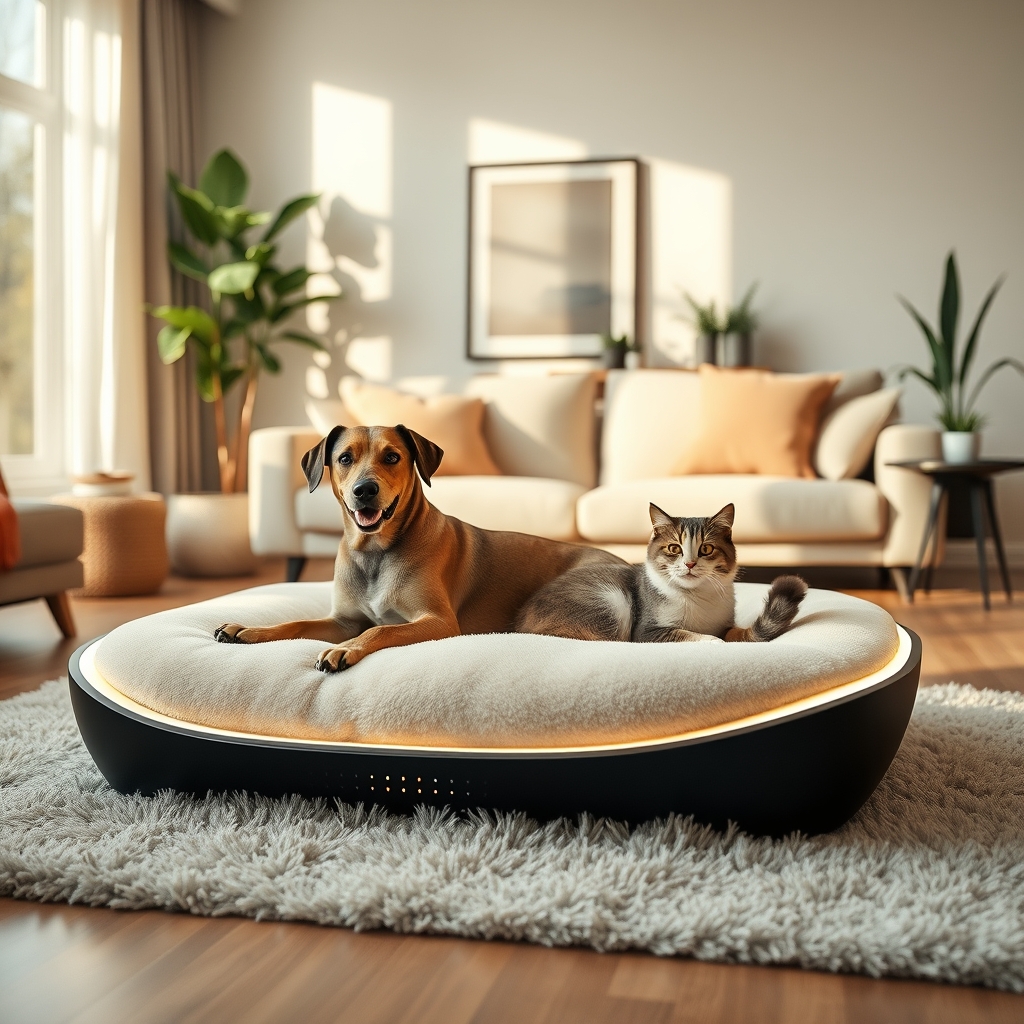
Here’s why most tech-minded owners and anyone with at-risk, aging, or anxious pets should consider buying:
- Temperature control protects comfort-sensitive pets (seniors, brachycephalic breeds, cats/dogs with anxiety) from day-to-night swings.
- Sleep tracking and app insights help you monitor rest, restlessness, and changes that could signal health concerns.
- Orthopedic, memory-foam support offers needed relief for joint pain and arthritis, especially for aging pets.
But not every “smart” bed is created equal—connectivity glitches and weak safety systems show that paying above $200 for premium features is justified only if you need full app integration, health monitoring, or advanced personalization.
Market snapshot — size, growth, and mainstream adoption
The global pet beds market will reach between USD 4.9 and 5.4 billion in 2025, with the fastest growth driven by premium, orthopedic, and smart beds featuring app and IoT integration [source]. Heated cooling pet bed 2025 searches are soaring, and models with temperature regulation and sleep tracking are no longer niche—they are steadily becoming mainstream, especially in North America and urban tech-forward markets [report].
This shift is fueled by the humanization of pets, urban living, and a growing awareness of the link between pet wellness, anxiety, and comfort. Online is the fastest-growing distribution channel, with buyers now expecting the same degree of technology, sustainability, and user experience as in modern human home products.
Who benefits most — use-cases (senior pets, at-risk breeds, anxiety)
Who truly needs a cat bed temperature control or an anxiety relief pet bed with smart features?
- Senior & arthritic pets: Orthopedic and temperature-regulating beds reduce joint stress and help manage arthritis, especially during seasonal changes.
- Brachycephalic/heat-sensitive breeds: Bulldogs, pugs, Persians, and similar breeds are prone to overheating. A heated cooling pet bed 2025 model protects against temperature spikes.
- Anxious cats or dogs: Soothing fabrics, mild warmth, and nest-like design combined with sleep tracking can improve rest and reduce anxiety behaviors.
The market for orthopedic and temperature-regulating options is growing fast as consumers recognize the need for true comfort, health, and peace of mind—especially in regions with unpredictable climates [market research].
Top features to prioritize when buying
What separates a great purchase from a waste of money? Prioritize these features, in this order:
- AI-driven or accurate automatic temperature regulation—prevents overheating or undercooling; look for physical thermostat override and safety cutoff.
- Reliable sleep/health tracking—choose models with sensor-based monitoring and clear app data; avoid beds that overpromise analytics.
- Orthopedic memory-foam support—not just “thicker” foam, but medical-grade density designed for pet weight and joint protection.
- Pet bed app control & smart integration—multi-user access, firmware updates, and scheduling features are now musts for 2025 buyers.
- Advanced health monitoring—motion plus respiration, restlessness, or even stress indicators (coming soon in top models).
- Sustainable materials—plant-based foams, water-resistant covers, and recycling programs are fast becoming competitive differentiators.
AI-powered temperature, app control, and orthopedic design are now common, but few products combine these with advanced health monitoring and personalization.
Most common user complaints — what breaks or frustrates buyers and how to avoid it
Here’s what shows up over and over in verified reviews for heated cooling pet bed 2025 and smart dog bed with sleep tracker models:
- Overheating and sensor failures: Beds that lack auto-shutoff or static-safe wiring have caused discomfort or risk.
- Connectivity issues: Unreliable WiFi or Bluetooth pairing leads to lost app control and frustration.
- Flaky app/software experience: Inconsistent firmware updating or buggy metrics are a common pain point.
The best ways to avoid these complaints:
- Invest only in brands that regularly issue firmware/software updates and provide a dedicated support channel.
- Pick beds with physical safety switches or thermostat backup (not just digital failsafes).
- Scrutinize app reviews for mentions of disconnects, confusing metrics, or data sync delays.
Sleep tracking & health monitoring — what current smart beds deliver vs. what’s missing
Most current smart dog bed with sleep tracking or AI pet comfort bed models accurately log sleep time and movement, but few deliver clinically meaningful health insights. Expect the basics: restlessness, heatmap of movement, maybe even nap windows.
What’s missing is truly advanced health monitoring—such as respiration, stress, or joint mobility signals. These insights are increasingly demanded by buyers but remain rare in commercially available beds [source]. The next wave of smart beds promises richer analytics, but verify exactly what health data is measured before buying.
Orthopedic performance + temperature control — how to evaluate both together
It’s not enough to have temperature control or orthopedic support—if neither works well together. Here’s how to evaluate:
- Foam density: Look for 2.5–5 lb/ft³ memory foam (for dogs) and responsive orthopedic foam (for cats). Beds should advertise a max pet weight and recommended size.
- Layer integration: Heating and cooling elements must be insulated and separate from support layers. Exposed wires or heating pads that reduce foam resilience are red flags.
- Cover materials: Washable, moisture-resistant covers are now standard; organic and hypoallergenic options are available for sensitive pets.
The market is heading toward bundled orthopedic+smart beds—ideally you should not have to choose between therapeutic support and sleep tech.

Connectivity & app experience — must-have app features and integration tips
The difference between a gimmick and a truly smart bed? The pet bed app control experience. Here’s what to demand:
- Onboarding wizard for easy pairing and network setup
- Manual override of temperature (in case of connectivity loss)
- Scheduling (night/day modes, away settings)
- Threshold customization for heat/cool per pet, by weight/age
- Multi-user family accounts and firmware update notifications
- Compatibility with Alexa, Google Home, or other smart home systems
Always test: pairing reliability, latency in app adjustments, and the clarity of sleep/health data. If an app is poorly reviewed, the smart features are often wasted.
Safety, durability and sustainability — certifications and value
The best smart beds check all three boxes: certified safety, lasting durability, and a sustainability story that matters to modern pet owners. Here’s how to check:
- Safety certifications: Look for UL/pet-safe heating elements, child/pet-proof wiring, clear overheat protection and tested circuit cutoffs.
- Materials & build: Chew resistance, waterproofing, and zipper-protected electronics matter for long-term value (especially with larger dogs).
- Sustainability: Plant-based foam, recycled fabrics, and manufacturer recycling programs are becoming expected features. Some brands now advertise cradle-to-cradle return logistics [source].
Why care? Durable eco-focused beds are likelier to last through firmware update cycles, stand up to rough play, and minimize environmental guilt.
Also, for other home energy upgrades with sustainability payback, see net-zero ready home and heat pump dryer pros and cons guides.
Price, ROI & expected lifespan — how to decide when to splurge
Expect to pay $150–$300 for a credible smart pet bed with temperature control in 2025—average price lands near $200. Premium beds with advanced sleep tracking, app customization, or extended warranties can reach $400+.
| Tier | Core Features | Typical Price | Lifespan (years) |
|---|---|---|---|
| Basic | Warming/cooling pad only | $60–$120 | 1–3 |
| Smart Standard | Temp control, basic app, memory foam | $150–$250 | 3–5 |
| Premium | Full app, health monitoring, orthopedic + warranty | $250–$400+ | 5–7 |
Splurge for higher price points if your pet needs advanced health monitoring, you need seamless smart-home integration, or want a product with a strong sustainability/warranty program. Consider resale and firmware update policies for long-term ROI.
To make other high-ROI home upgrades, check out best WaterSense fixtures to cut utility bills.
Gaps in competitor content — three features most articles miss
- Advanced, clinically useful health monitoring: Most articles only discuss motion tracking. Insist on beds that offer respiration, rest/active phase, or stress/temperature trend reporting—especially for at-risk or aging pets.
- Customizable heat–cool profiles by pet: Few products (and articles) describe how to save profiles for different species, breeds, or medical conditions; personalization is a must for multi-pet homes.
- Sustainability and end-of-life recycling: Very few brands or guides address material recycling or cradle-to-cradle return programs. These add genuine long-term value and reflect your commitment to responsible pet ownership.
Highlight vendors who lead in these areas for a smarter, future-ready purchase.
Quick buying checklist & one-page comparison
Before you commit, test each pet bed app control or smart pet bed with temperature control model against this 8-point checklist:
- Safety certifications (UL or equivalent)
- Overheat/cutoff protection and backup hardware controls
- Accurate sensor types (for both temp and motion)
- Orthopedic spec/data (foam density, rated weight, joint support claims)
- App reliability (ease of pairing, stable connection, clear data)
- Warranty length and firmware/software update policy
- Washable, replaceable cover (with spare parts availability)
- Sustainability credentials (plant-based materials and end-of-life plan)
As most buyers now research and buy online, always compare at least 3 options side by side, focusing on these hard metrics—not fluff claims. For high-value home improvement purchases, see our smart pergola comparison guide.

Product types & recommended buyer profiles
- Basic self-warming/soft anxiety beds: Best for budget buyers or anxiety-prone pets who need a cozy, simple nest.
- Active heated+cold smart beds: Ideal for seniors, at-risk breeds, or anyone in a region with extreme temperature swings.
- Orthopedic plus sleep-tracking combos: Recommended for arthritic, aging, or medically monitored pets; suitable for owners who travel and want remote check-ins.
- Luxury/designer models: Great for style-first, tech-savvy owners who want premium finishes, sustainable fabrics, and top app integration. These often command the highest prices.
Value is highest when you honestly align your pet’s age, health, and personality to a targeted product type. For comparison, urban dwellers are also trending toward modular home furnishings for similar reasons—see our pet-friendly outdoor furniture guide for multi-functional home upgrades.
FAQs — returns, warranty, pet safety, firmware updates
What’s the average return policy on smart pet beds with temperature control?
Most major brands offer a 30 to 90-day trial. Always read the fine print for restocking or use fees, and ensure shipping is covered for defects.
What warranty should I expect on heating/cooling electronics?
Typical coverage is 1–2 years for electronics and sensors; orthopedic foam or frame may have a separate longer warranty. Check for included or paid extended coverage.
How do I know if a smart pet bed is safe for chewing or sharp claws?
Look for beds with chew-resistant wires, reinforced seams, and pet-grade certifications. Always inspect for fraying or exposed heating elements after setup.
How often do firmware/software updates happen, and do I need to install them?
Quality brands release quarterly or “as needed” updates to patch bugs or add features. Enable auto-updates in the app or follow manufacturer prompts for best performance and safety.
Can a bed connect to my smart home system?
Most 2025 models offer Alexa and Google Home integration, but always confirm compatibility for your specific device before purchase.
Final recommendation + call to action
Bottom line: a smart pet bed with temperature control is worth the investment if your pet is senior, anxious, or belongs to a heat- or cold-sensitive breed—and if you want a solution that genuinely fits a tech-forward, smart-home lifestyle. Prioritize orthopedic support, true AI-driven temperature safety, dependable app integration, and elegant sustainability. For curated picks and side-by-side comparisons, jump to our one-page buying checklist or see our full review table above. Make this the year your pet’s comfort and health reach the next level.