

Table of Contents
Peel and stick backsplash is one of the fastest ways renters and DIYers are transforming their kitchens, but if you’re wary about durability, adhesive failures, and lease risks, read on for an honest, step-by-step guide to getting lasting, landlord-friendly results.
Key Takeaways
- Most peel and stick backsplash tiles last 3–7 years in real kitchens—surface prep and adhesive care are crucial.
- Many renters report adhesive failures and regret paint or residue damage during removal—testing and planning are essential.
- Avoid most issues by prepping surfaces like a pro, choosing the right product, and following best-practice removal methods.
Why peel and stick backsplashes are exploding in popularity
Compared to traditional tile, peel and stick backsplash tiles give renters and homeowners an affordable, rapid kitchen update in a single afternoon—typically 2 to 4 hours from start to finish. Material costs run $3 to $15 per square foot, far less than ceramic tile with professional installation, and you don’t have to mix grout, rent a wet saw, or wait overnight for anything to cure.[4]
What’s fueling this boom? Peel and stick backsplashes skip the mess and tools—just measure, cut, peel, and stick for an instant lift. They’re ideal for renters who need removable decor, for speedy DIYers, or for boosting resale on a short-term flip. Modern designs include realistic marble, stone, glass, and even 3D patterns—with no visible grout lines and no heavy labor.
But, the true appeal is the flexibility—a removable kitchen backsplash lets you refresh your space without risking your security deposit or investing in a permanent fixture.
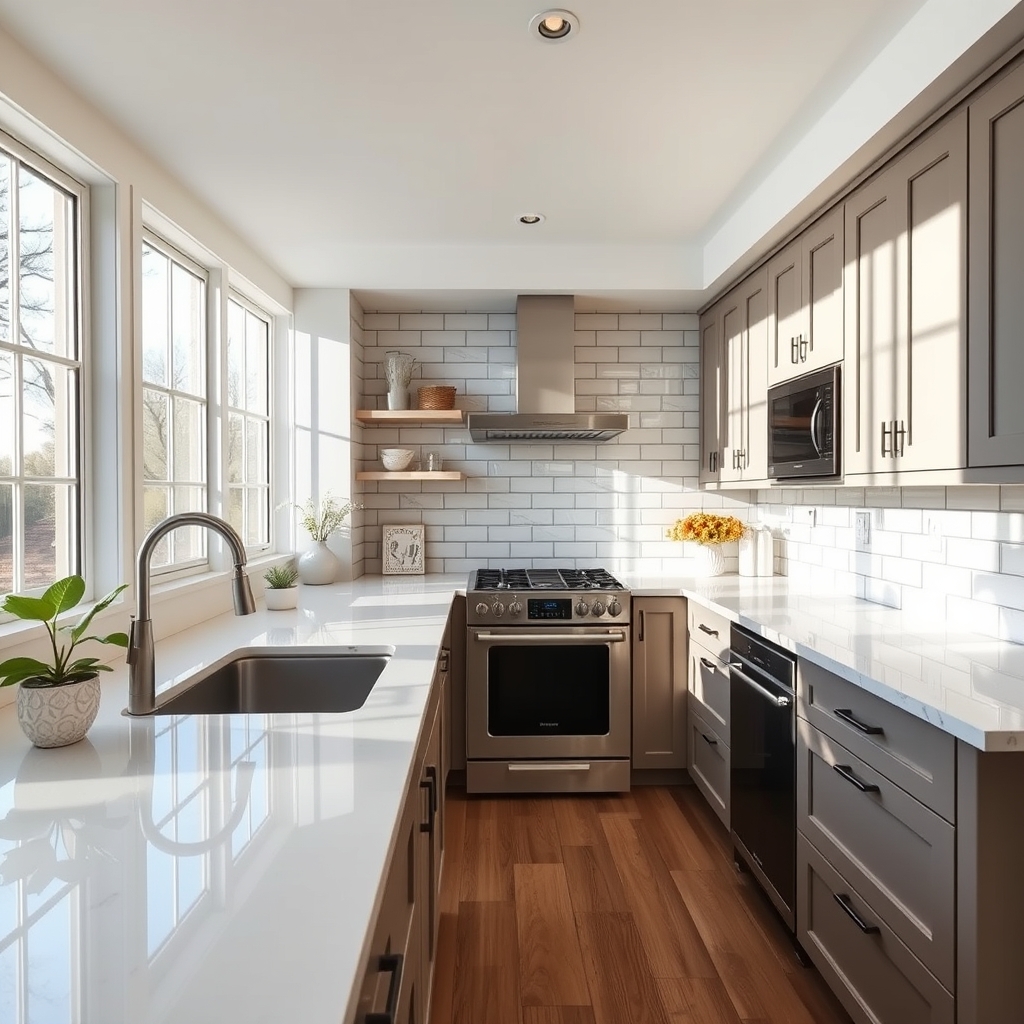
DIY installation & removal: step-by-step for renters
If you’re after a DIY backsplash no grout, follow these rental-friendly steps to maximize lifespan and minimize lease risk.
- Surface prep matters more than you think. Remove all grease and dust with degreaser or dish soap. Rinse well, then let dry fully. For eggshell or flat paint, consider a thin layer of removable contact paper as a barrier if your lease is strict about wall damage.
- Layout and measure with care. Dry-fit the tiles for your planned coverage and mark guidelines with painter’s tape. Cut tiles with a sharp utility knife—test fit around outlets or corners.
- Install in manageable sections. Peel a small backing area, align carefully, and stick down, smoothing firmly outward to remove air gaps. Complete the row before moving to the next.
- Seal edges for moisture protection. Use a clear caulk or edge sealant around backsplashes close to sinks or stoves. This helps prevent water or steam from working under the tile.
- Removal (at lease end): Use a hairdryer at low heat to soften adhesive, then slowly peel tiles away. Remove residue with adhesive remover or rubbing alcohol. Patch and paint if needed.[6]
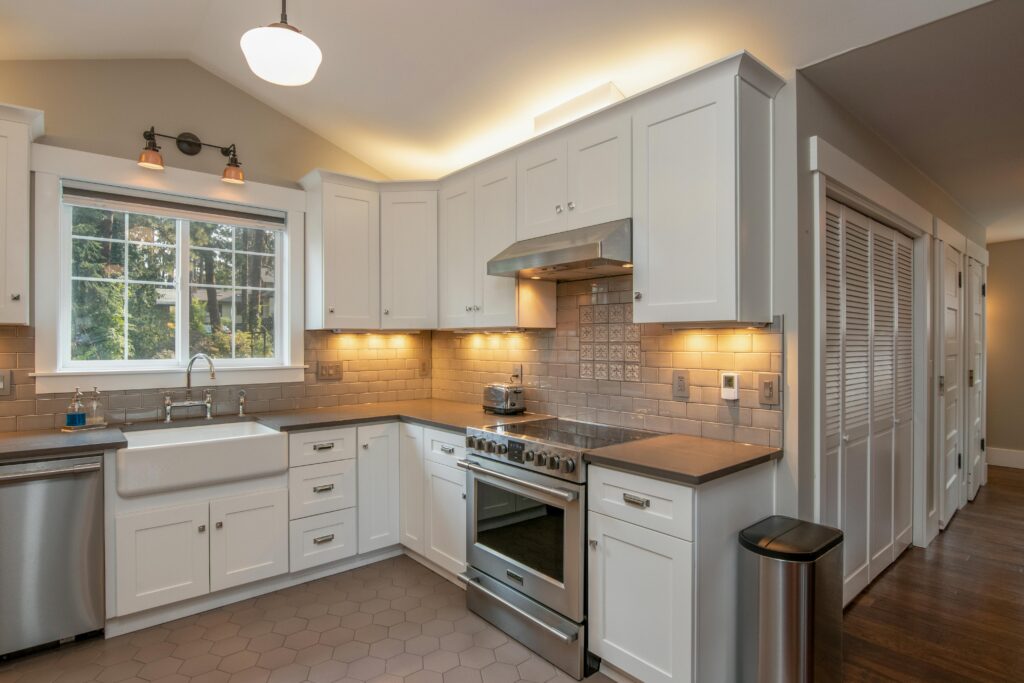
Quick 3-Step Removal Summary:
- Warm tiles with a hairdryer (never use high heat; gentle is best).
- Peel tiles slowly, starting at the corners or seams.
- Clean residue with adhesive remover. Patch any paint pulls lightly with spackle and touch-up paint.
Looking for more ways to protect your home value with smart, affordable upgrades? Check out our guide on best LVP flooring brands.
Durability, failures & what top guides miss: honest pitfalls
Real durability in high-moisture kitchens: Manufacturer claims range from 3 to 7 years, but actual kitchen performance is 3–5 years, especially around sinks and stoves.[1] Common factors that shorten lifespan are regular steam, direct splashes, and using low-quality, thin vinyl tiles or sticking tiles to textured or semi-glossy walls.
Most common adhesive failures:
- Lifting at seams (especially near heat or moisture—stoves, kettles, or dishwashers).
- Corner peel where edges aren’t sealed, or where grease buildup undermines adhesive.
- Edge creep—slow, nearly invisible separation that can lead to sticky residue or water creeping behind tiles.
Nearly half of surveyed renters report adhesive failure or stubborn residue removal as their biggest regret after installing a removable kitchen backsplash.[5] In worst cases, paint peels off with the tile, requiring patching and repainting.[7]
- Poor adhesion after 24 hours—tiles start to lift or bubble.
- Stubborn adhesive that doesn’t come off with rubbing alcohol—test before committing.
- Textured walls or semi-gloss paint—these are less compatible, increasing removal risk.
Comparison Table: Renter-Friendly vs. Semi-Permanent Backsplash Tiles
| Type | Clean Removability | Durability | Best For | Downside |
|---|---|---|---|---|
| PU Gel/High-End Removable | Usually peels clean (if prepped, heated) | 3–7 years | Renters, lease-friendly | Costlier than vinyl |
| Thin Vinyl Budget Tile | Often leaves residue or pulls paint | 1–3 years | Low-cost flips, short-term use | Poor realism, removal headaches |
| Semi-Permanent Industrial Adhesive | Difficult; usually damages wall | 5–10 years | Long-term owners | Not for rentals |
For more on realistic, budget-friendly home upgrades, our heat pump dryer pros and cons guide explores another low-investment, high-impact project.
Key prep steps that top guides fail to mention: Meticulous wall cleaning, full drying, testing adhesion, and sealing tile edges are what separate a two-year headache from a five-year success. Going the extra step with primer or a removable underlayer is worth it for most renters.
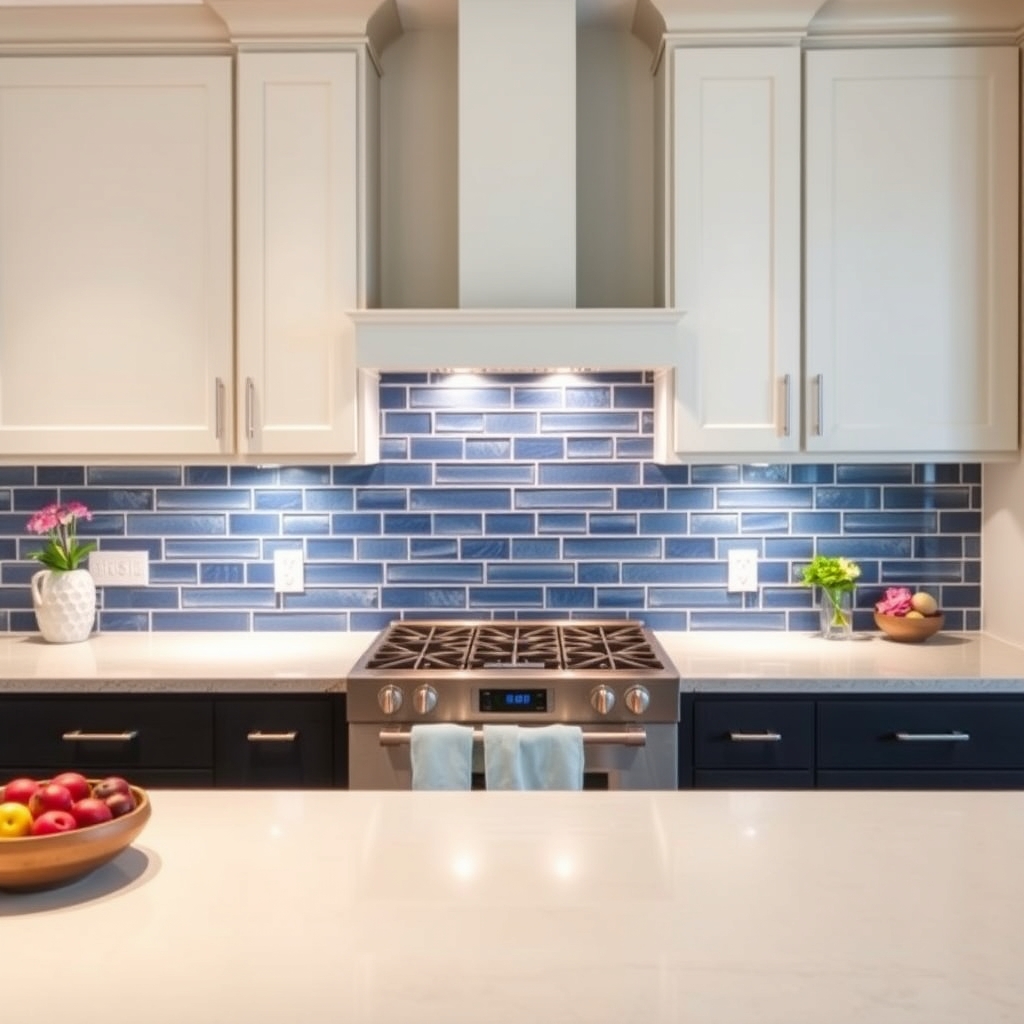
Conclusion: Is peel and stick worth it?
If you’re a renter, house flipper, or just want a designer kitchen on a budget, a peel and stick backsplash offers a fast, dramatic upgrade with no grout, no mess, and no major skills needed. The trade-off comes down to proper prep, careful product selection, and acceptance of some long-term risk with adhesive and removal. Test before committing, document your surface, and follow the guide above to keep your landlord (and your deposit) happy.
Ready to get started? Try a test install behind your stove, follow our full prep checklist, and browse durable LVP flooring ideas or ventless washer dryer tips for more renter-friendly upgrades.
FAQ: Top peel and stick backsplash questions for renters
How long does a peel and stick backsplash really last in a kitchen?
Most quality peel and stick backsplash tiles last 3–7 years in high-moisture kitchens, depending on exposure and prep. Real-world user feedback suggests 3–5 years is average near sinks and stoves.
Can peel and stick backsplash ruin walls or paint during removal?
Yes, especially with textured walls, cheap tiles, or poor prep. Use slow heat removal and test adhesion before full install. Applying a removable contact paper base or primer layer greatly reduces risk.
What’s the fastest way to install a DIY backsplash with no grout?
Prep walls, dry-fit your layout, and install one row at a time—pressing firmly outward to eliminate bubbles. Edge seal high-exposure spots and check our guide for DIY outdoor kitchen ideas for even more inspiration.
How do I clean and maintain a peel and stick backsplash?
Wipe with a soft damp cloth and mild soap; avoid abrasive scrubs. Immediately repair lifted seams with new adhesive or clear caulk to prevent further damage.
Are peel and stick backsplash tiles truly renter-friendly?
Higher-end PU gel tiles and those designed for removability are best for renters. Always test removal in an inconspicuous spot first, and take “removable” claims with a grain of salt—document the wall before and after if you plan to reclaim your deposit.
—