

Table of Contents
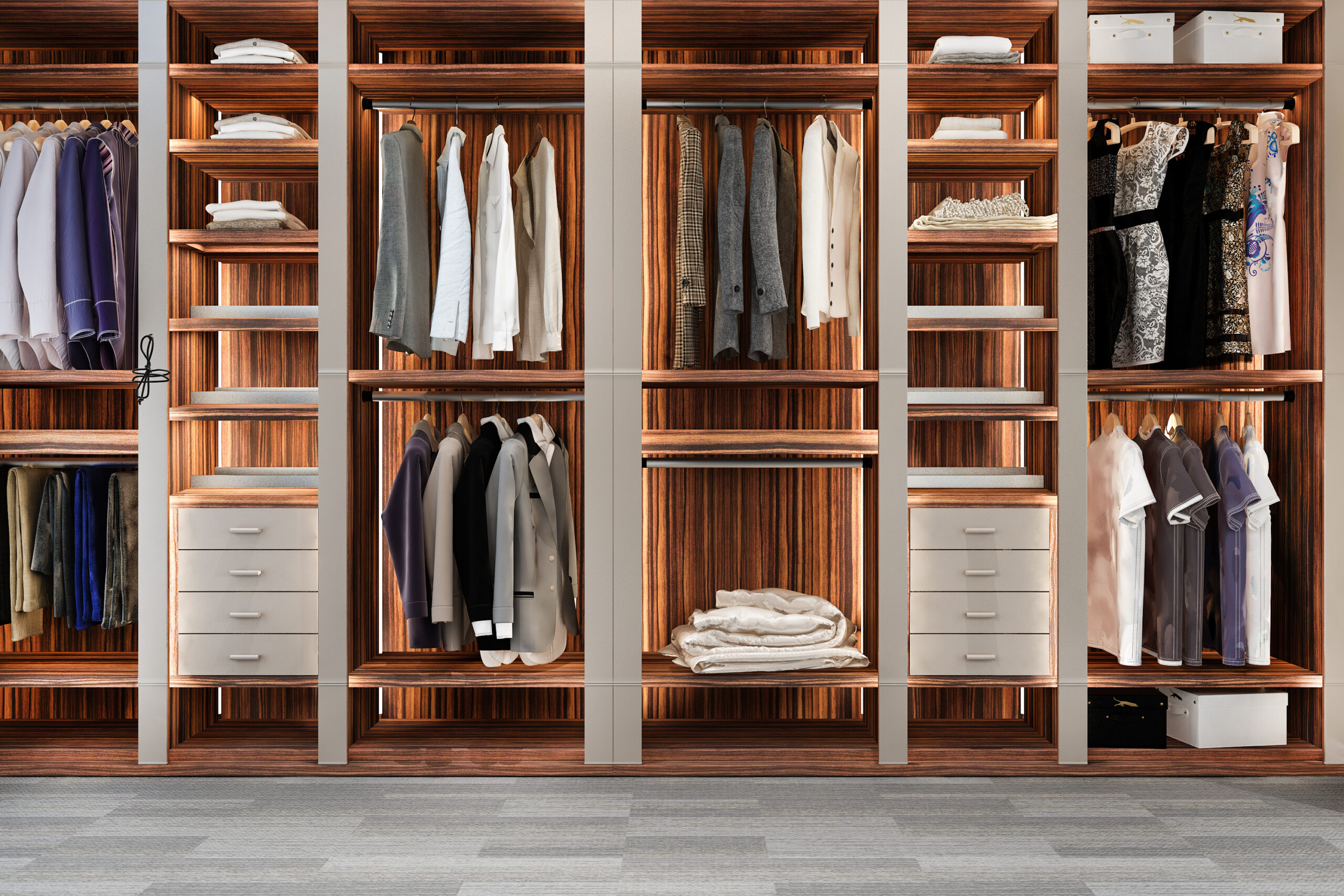
Modular closet systems are a top choice for homeowners and DIYers in 2024 who want efficient, flexible storage and real return on investment—not just better organization. If you want smart feature upgrades, sustainability, and modular flexibility that truly stand out, you’re in the right place. This guide strips away the fluff and gives you the product comparisons, pricing, and pitfalls to help you choose a solution that protects your budget and helps resale.
Key Takeaways
- Smart tech, sustainability, and modular flexibility are the most valuable features but also the most overlooked—demand them for the best value.
- DIY modular kits start at $250–$1,000, mid-market modular systems run $2,000–$5,000 installed, and premium custom installs range from $5,000–$15,000+—pick based on your goals and space complexity.
- Most complaints focus on lack of customization, difficult installs, and poor modular flexibility—avoid brands that skip these features and always check vendor warranties.
Why modular closet systems are the smart buy in 2024
The modular closet systems market is booming for a reason: Homeowners want spaces that can adapt, add value, and simplify life. In 2024, the industry saw a 7.2% CAGR, outpacing traditional closet builds (industry research). Demand is powered by a $485B wave of US renovation projects and a shift toward multi-functional, space-saving home solutions (market data).
Unlike fixed builds, modular closet systems offer:
- Faster installation (DIY or pro)
- Flexible layouts—great for growing families or changing needs
- More affordable upgrades as life circumstances change
Recent advances include truly reconfigurable modules, motion-sensor lighting, sustainable bamboo and recycled materials, and even app-controlled inventory systems. Savvy buyers know closet storage solutions aren’t just about today’s needs but also supporting future resale.
What you should expect to pay — pricing bands and where value lies
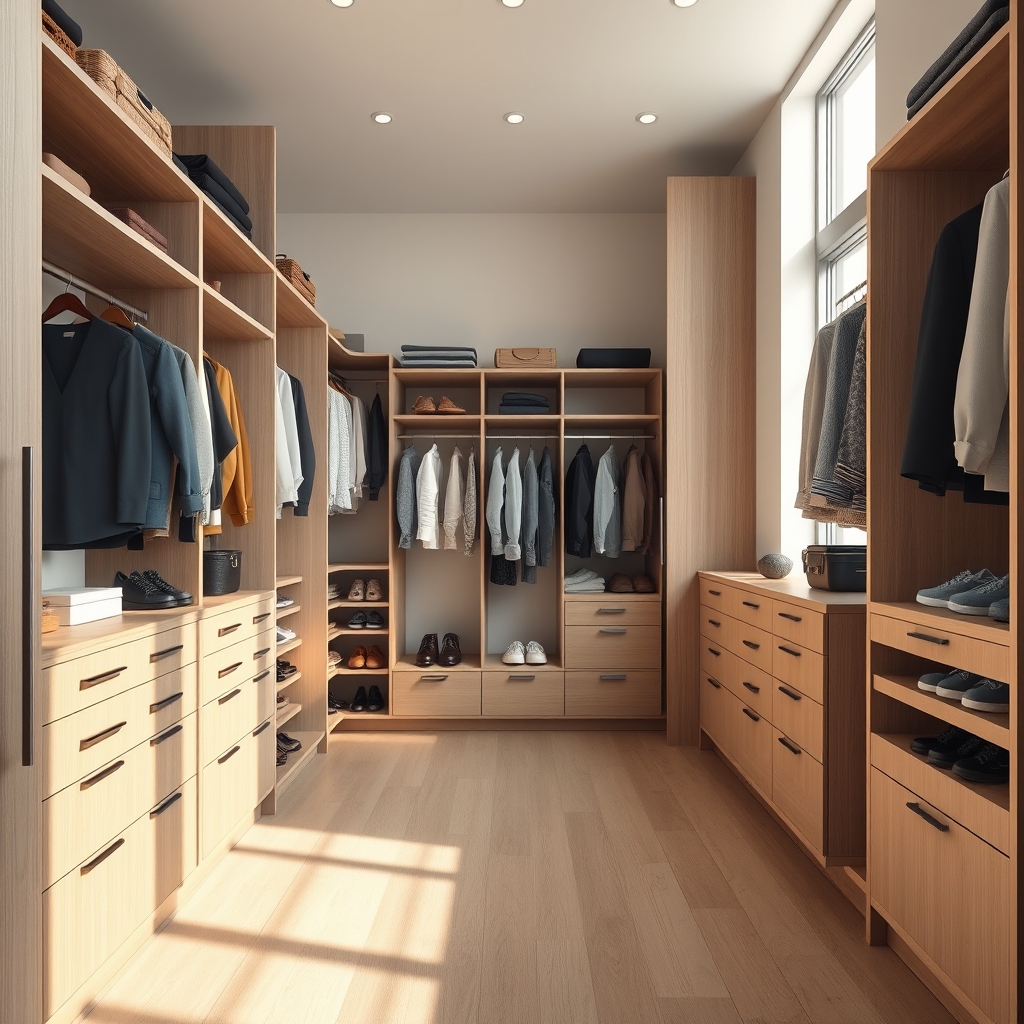
The upfront cost of modular closet systems is shaped by three key factors: product tier, features (like lighting and hardware), and installation type (DIY vs professional). Understanding where the true ROI lives will help you avoid common upsells and hidden costs.
- Entry-level DIY closet system kits: $250–$1,000. Best for basic reach-in closets, easily expandable, but typically made of particleboard or wire with minimum adjustability.
- Mid-market modular closet systems (installed): $2,000–$5,000. Better materials (MDF, eco-panels), soft-close drawers, modular towers, and add-ons like LED lighting cost extra.
- Premium custom closet organization: $5,000–$15,000+. High customization, luxury finishes (veneer, glass), advanced hardware, and pro install. Almost always includes options for integrated lighting, soft-close, and lifetime warranties.
Features that drive price include:
- Material quality (MDF, hardwood, eco-panels, wire)
- Hardware (soft-close, full-extension slides)
- Integrated tech (motion sensors, app inventory, lighting)
- Sustainability (FSC or recycled content)
Pricing strategies have become extremely important since the top 10 companies now control about 45% of the modular closet systems market (source). This means brands compete hard on options—expect deals and bundled features, but also common upsells on drawers, tower upgrades, and LED kits.
Looking for specific product picks or want to compare against other storage upgrades? If you’re tackling a more extensive remodel, check our guide to LVP flooring value for bundled project ROI tips.
DIY vs custom closet organization — decide by time, budget, and goals
Should you go for a DIY closet system or invest in full custom closet organization? Here’s how to decide, based on your space, budget, and feature checklist:
| Factor | DIY Closet System | Custom Closet Organization |
|---|---|---|
| Typical Cost | $250–$1,000 | $5,000–$15,000+ |
| Customization | Limited (fixed track spacing, basic tower modules) | High (custom panels, lighting, luxury finishes) |
| Installation Complexity | Medium – usually needs power tools and careful measuring | Low (pro install included) |
| Warranty | Typically 1-5 years | 10 years to lifetime |
| Integrated Smart Tech | Rare, usually aftermarket only | Available (motion lights, inventory, app-tracking) |
When does DIY pay off? If your closet is a standard shape and size, you want to save money, and are comfortable with tools, a DIY modular closet system can be enough. But if you want high customization, luxury finishes, or smart tech, choose custom closet organization instead—especially for odd-shaped rooms or high-end homes. Many buyers regret DIY when they discover smart tech isn’t supported, or expansion is limited (trend data).
Want to maximize value in other DIY-friendly spaces? See our popular guides on garage organization systems and small bathroom renovations for more ROI-driven project ideas.
Top customer complaints & unmet needs to avoid (from real shoppers)
Based on recent research syntheses (market study), here are the recurring issues buyers report. Avoid these to ensure your investment lasts:
- Lack of customization: Shelves and rods that can’t be moved, or systems that don’t adapt as your needs change.
- Poor modular flexibility: Modules not interchangeable between closets, or proprietary parts hard to re-order.
- Missing smart features: Few options for lighting, motion sensors, or inventory tracking—especially in DIY kits.
- Limited sustainability: Minimal recycled content or lack of eco-certifications, even from big brands.
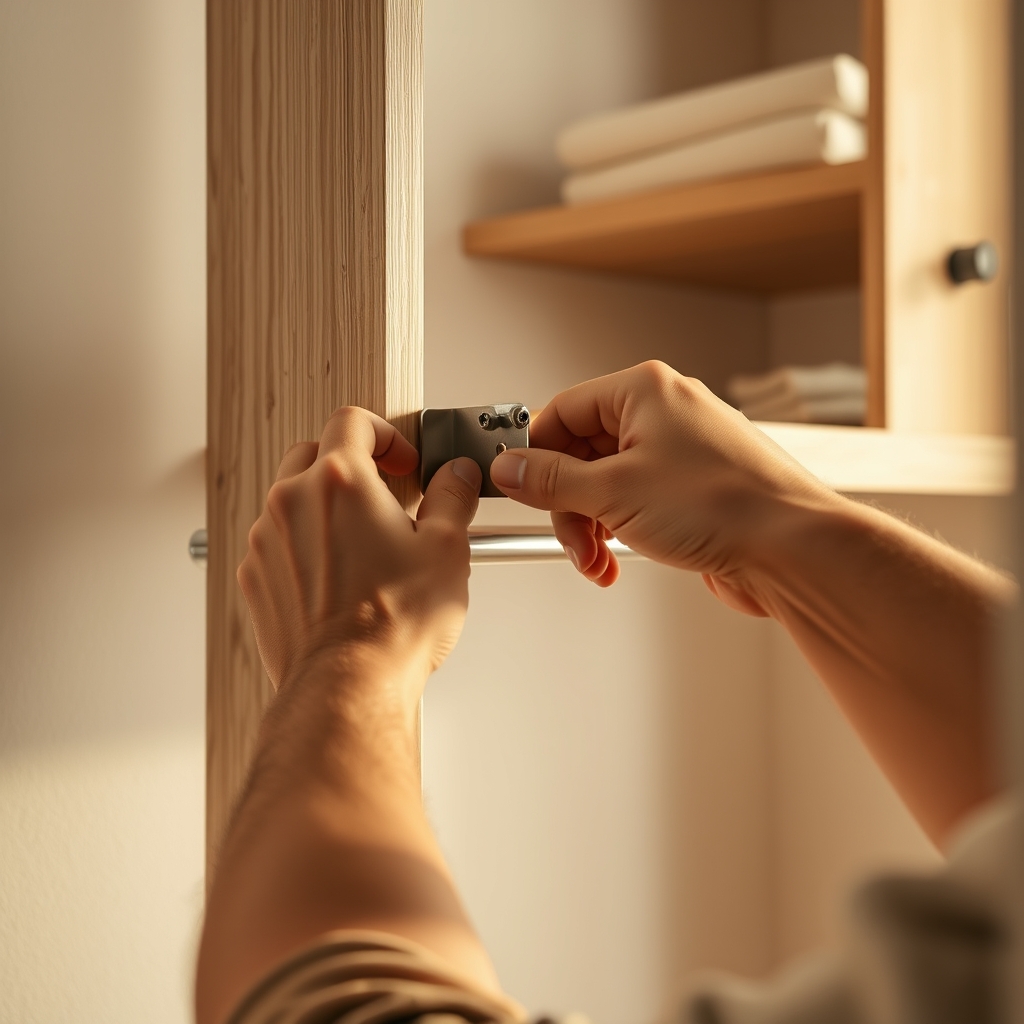
- Difficult installation: Vague instructions, missing wall anchors, or hardware that strips easily.
Insist on true modular flexibility—choose modular closet systems that allow shelves and drawers to be moved or added later. If you’re a renter or plan to move within 12–24 months, seek renter-friendly systems that minimize wall damage and can be reinstalled elsewhere.
What leading articles and products are missing — three content/feature opportunities
Most modular closet systems guides and product vendors still overlook the features buyers increasingly want. Here’s what to demand, with actionable examples from 2024 launches:
- Advanced smart-tech integration: Look for systems that offer app-controlled inventory, motion-activated lights, or integrated sensor tracking (see IKEA PAX upgrades). Many buyers expect these but find them missing from most kits—ask upfront, even for midpriced brands.
- Sustainability and eco-material choices: California Closets introduced eco-friendly systems made from recycled panels and sustainable hardwoods in October 2024 (industry source). Don’t settle for brands that skip eco-certifications.
- True modular flexibility: Some systems claim to be modular but lock you into fixed layouts. Choose options with reconfigurable shelves, towers you can move without wall patching, and kits for renters.
By focusing on these, you’ll future-proof your closet. For other home upgrades with a sustainability focus, review our guide to net-zero ready home costs where eco-materials save on future bills.
Small closet ideas that deliver big storage gains
If you’re dealing with tight spaces, modular closet systems are a game changer—especially for urban renters or small bedrooms. Here’s how to maximize every inch:
- Vertical storage: Stack cube organizers and use pull-out baskets at various heights.
- Double-hang sections: Put two rods (one high, one low) to double hanging capacity for shirts and pants.
- Pull-out accessories: Use sliding tie, belt, or jewelry trays in dead space.
- Modular drawer towers: Freestanding towers add drawers even in narrow closets.
- Removable/adjustable parts: Look for systems where all shelves and hooks can move as your needs change.
Quick pick: In 2023, IKEA launched a customizable built-in closet system for small urban spaces that delivers 25% more storage via modular components (source). For other tight-space hacks, try peel and stick solutions like DIY kitchen upgrades or review our ventless washer dryer options for maximizing utility in small footprints.
Feature-by-feature buying checklist (materials, hardware, 3rd‑party tech, warranties)
Don’t waste time calling vendors until you’ve checked these boxes. Use this checklist to compare closet storage solutions and custom closet organization brands:
- Panel Materials: MDF, plywood, solid wood, or recycled composite? Eco-certifications like FSC?
- Hardware Quality: Soft-close tracks, heavy-duty brackets, and full-extension drawer slides?
- Adjustability: Are towers and shelves fully repositionable, or locked into place?
- Lighting/Sensors: Built-in or ready for aftermarket LED upgrades?
- Smart Tech: Sensors, app inventory, voice integrations?
- Sustainability: Recycled content, low-VOC finishes, bamboo or cork?
- Installation Method: Tool-free vs. anchored? Suitability for renters?
- Warranty: 1–3 years (basic) to lifetime (custom)? Transferable to the next owner?
- Lead Time: In stock in-store (DIY) or 6–8 weeks custom (pro)?
Case in point: In October 2024, California Closets debuted a line with both eco materials and smart features (source). Always ask for documentation before you buy.
Competitive landscape — who to consider and why
The modular closet systems market is competitive, but most buyers fall into one of three groups—find yourself in this quick matching guide:
- DIY/Big Box Kits (e.g., IKEA, ClosetMaid): Flexible and affordable. Great for budget-conscious buyers. Recent upgrades include tool-less installs and moisture-resistant parts (details).
- Hybrid Modular Brands (The Container Store, California Closets entry lines): Offer pro measurement and installation, but backed by plug-and-play modular towers. Good for buyers who want a little design help without full custom costs.
- Premium Custom Shops: Handled by local or national specialists. Expensive, but deliver luxury, full customization, design consultations, and top warranties.
Market concentration means 45% of sales are through the top 10 companies—there are strong, established brands at every price level (market insight). Ready for a custom quote? See how this compares to market leaders in smart outdoor tech and other high-impact home upgrades.
ROI, resale impact, and timeline — what to expect after install
Wondering if modular closet systems will actually impact resale? The answer is yes—closet upgrades were the #1 top selling remodeling project in 2025, beating even kitchens or baths (industry facts).
- Closet systems: 79% of top sales
- Kitchens & baths: 45.7%
- Pantries: 33.6%
Most DIY installs take 6–12 hours, while professional installs are typically 2–4 weeks from contract to completion (including measurement, design, and production). Organized closets increase resale value by showing off usable space and making your home more attractive to buyers—especially in competitive markets. If you’re investing in other home systems, like WaterSense bathrooms or energy-efficient water heaters, closet storage solutions often deliver comparable ROI in less time.
How to choose the right modular system for your project — quick decision flow
Get to the right product fast with this step-by-step roadmap:
- Budget: If under $1,500, stick to big box DIY kits. $2,000–$5,000 gives you pro-measured hybrid modular. $5,000+ goes custom.
- Timeline: Need it fast? DIY modules can be bought and installed same week. Custom installs take 4–8 weeks.
- Space constraints: Odd-shaped rooms or high ceilings? Find true modular systems that let you move towers/shelves later.
- Permanence: Renters should choose tool-free or minimal-hole systems so you don’t lose your deposit.
- Need for smart features or sustainability? Don’t compromise—seek documented features and get specs in writing.
- Resale/ROI Focus: Modular closet systems offer strong value in remodeling (7.2% CAGR in 2024 per market data), so select a well-known brand with good warranty coverage and demonstrable flexibility.
Final CTA & next steps (for transactional users)
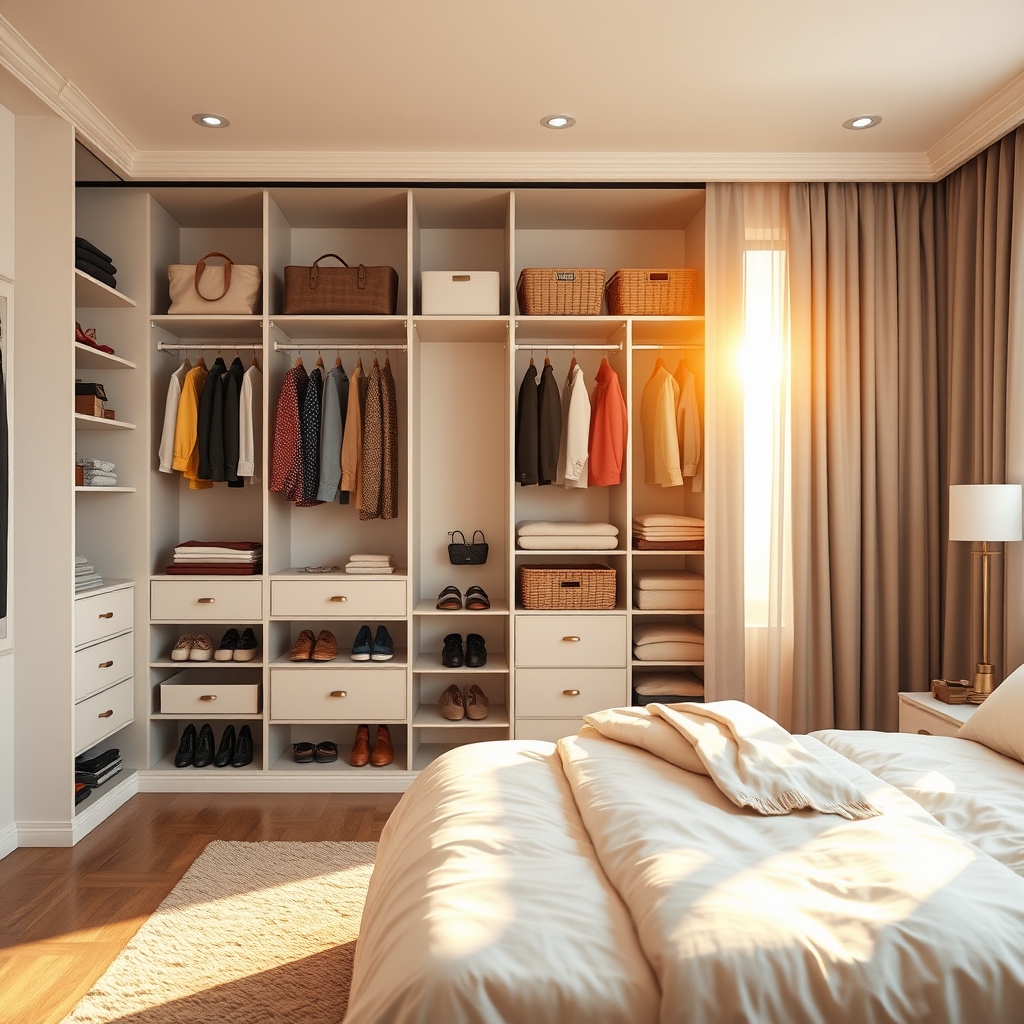
Ready to maximize storage and future-proof your space? Here’s what to do next:
- Download our one-page modular closet systems checklist to compare key features and brands.
- Request three quotes: one from a DIY kit vendor (like IKEA or ClosetMaid), a mid-tier modular brand (The Container Store), and a local custom shop.
- Measure your closet’s width, height, and depth—write these down before you call or purchase.
- If unsure, A/B test two modular layouts online using brand configurators to balance features and price.
Don’t delay—closet systems now lead all high-demand remodel projects (79% of top sales in 2025, per Closets State of the Industry). Starting now will ensure you lock in the best pricing options and features. When you’re ready, revisit this guide to stay on track with your modular closet systems upgrade.
FAQ: Modular Closet Systems
Are modular closet systems worth the investment?
Yes, especially if you want more flexible, organized storage that can adapt as your needs change. Modular options deliver good ROI both in daily use and at resale—closet projects are now the top-selling home remodel upgrade.
Can I install a modular closet system myself?
Most DIY modular closet systems are designed for homeowner installation and require basic tools. However, installation can still be time-consuming and sometimes confusing—always check reviews regarding instructions and compatibility.
What’s the biggest hidden cost with modular closet systems?
Add-ons like drawers, pull-out trays, and integrated lighting often make up 30–40% of the final price. Budget for these upfront and ask vendors which features are standard versus optional.
Which modular closet system brands are most sustainable?
Look for brands using FSC-certified woods, recycled panels, and low-VOC finishes. California Closets, IKEA, and The Container Store all offer sustainable products in select lines—ask for documentation before purchasing.
How long does the average install take?
DIY modular systems take 6–12 hours for a typical reach-in closet. Professional custom installs usually run 4–8 weeks including measurement, design, order, and install.