

Table of Contents
Garage organization systems are transforming how homeowners utilize their garage space—whether for parking, tools, sports gear, or weekend projects. With new products, smarter design, and greater demand than ever, now is the best time to invest in a system built to last (and grow with you).
Key Takeaways
- Smart garage organization systems prevent wasted money and time by planning storage layouts based on real needs and habits.
- Modular and customizable storage solutions make it easy to scale and reconfigure as your needs change, offering the best long-term value.
- Poor upfront planning and scattered DIY solutions are the biggest reasons garage storage fails—auditing and step-by-step installation are critical.
Why garage organization matters in 2024–2025
The demand for garage organization systems has exploded recently. In 2025, the global market for garage storage solutions is projected to hit $27.9 billion and is set to more than double by 2035, reaching $59.7 billion—an annual growth rate of 7.9% (source). What’s changed? Garages are now the flexible, hardworking spaces of the modern home—serving as gyms, workshops, mudrooms, and gear lockers in addition to parking. Product options have expanded far beyond pegboards and hooks.
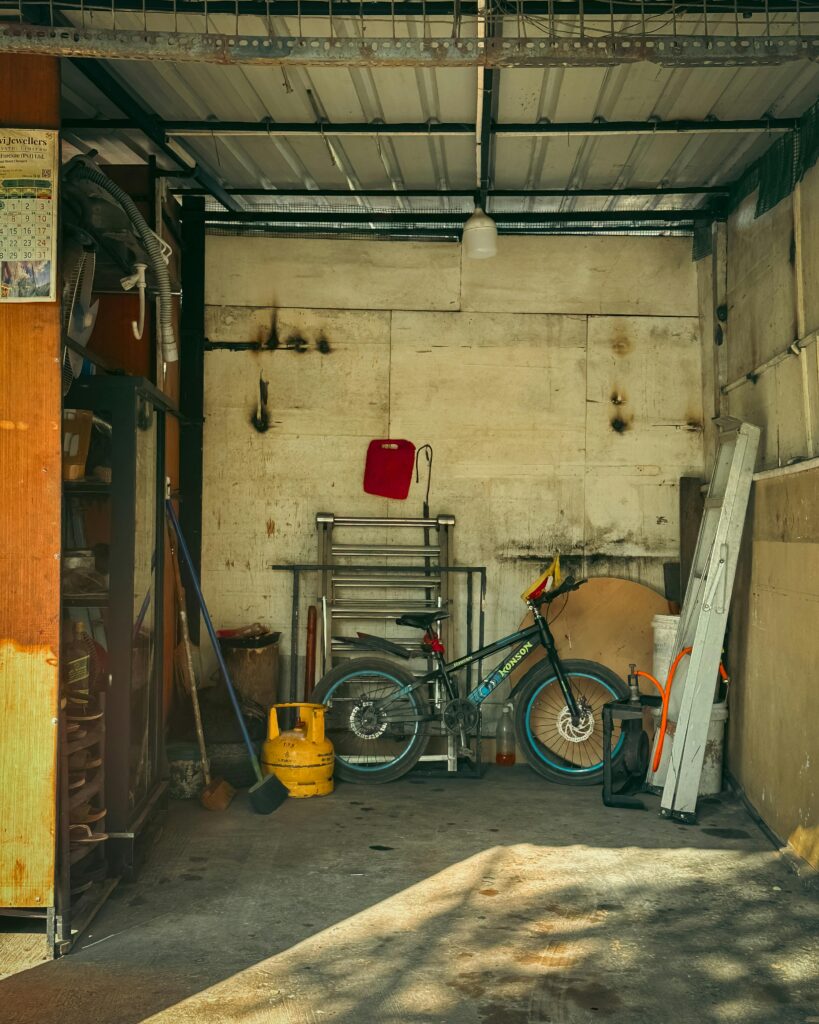
With over 71% of this market coming from residential projects (source), the upside is clear: a tidy, purpose-built garage can boost property value, keep your hobbies stress-free, and save on replacements due to damage or misplacement. The catch? Getting it right takes more than just buying shelves—it requires data-backed planning and a smart modular approach.
How to audit your garage like a pro (inventory + space analysis)
Before spending a dime on garage storage solutions, start with a detailed audit. Rushing in with random DIY garage shelves or bins is the #1 way to waste money and create new headaches.
Here’s a step-by-step audit method that pros use:
- Inventory everything, season by season: List bikes, tools, camping gear, holiday décor, and sports equipment—include anything that comes and goes annually. This is cited as the #1 best practice to avoid underestimating needs (source).
- Sort by frequency of use: Create zones for daily, weekly, seasonal, and rarely used items.
- Group by weight and size: Heavy tools and power equipment must go low or close to support walls; lighter bins can go up high or overhead.
- Measure everything: Get floor-to-ceiling height, wall widths, depth, door/vehicle clearances, and window/utility access. Don’t forget garage doors, openers, and electrical outlets when mapping zones.
- Map out service areas: Where do you want a workbench, yard tool area, hobby/sports zone, and open floor space?
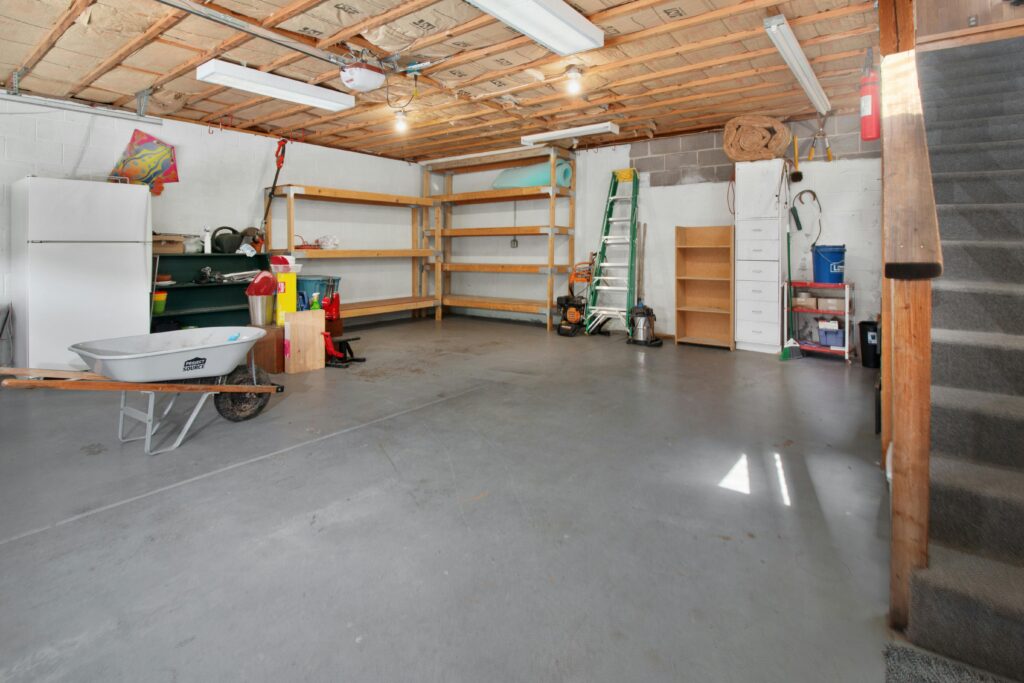
Once you’re done, you’ll have a clear snapshot of what your garage actually needs—not just what looks cool on Instagram or in a catalog.
The biggest user mistakes — why good systems fail
Even expensive or “highly rated” garage organization systems fail if you skip the planning. Here’s what typically goes wrong, according to market research and user feedback (source):
| Common Mistake | Why It Happens | How to Fix |
|---|---|---|
| Underestimating storage needs | No full inventory done | Annual and seasonal audit |
| Mixing random single-use pieces | Impulse buying bins, racks, etc. | Commit to a unified system |
| Ignoring load capacity | No calculation of tool weights | Choose and install for your heaviest items |
| Damaging walls/floors | Improper anchoring, stacking | Follow install best practices |
| Blocking access to tools or car doors | Improper layout or stacking | Test traffic patterns before final install |
One of the most overlooked issues is the lack of unified strategy—storage that looks “customized” but is actually just scattered parts leads to lost tools, unsafe stacking, and wasted time.
Which system type is right for you — cabinets, wall systems, shelves, or racks?
Matching your storage system to your audit results saves money and frustration. Here’s how the main options compare:
| System Type | Best Use | Load Capacity | Accessibility | Cost |
|---|---|---|---|---|
| Freestanding Shelves & Racks | Bulk gear, bins, heavy equipment | High (look for 800+ lbs/rack) | Good — open design | Low to medium |
| Wall Cabinets | Chemicals, valuables, power tools | Medium to high (anchored) | Moderate — doors can block access | Medium to high |
| Slatwall systems | Hand tools, garden tools, sports gear | Low to medium (check hardware rating) | Excellent — tools visible | Low to medium |
| Overhead Racks | Seasonal items, rarely used bins | High (verify ceiling structure) | Low (use step ladder) | Medium |
The shelves and racks segment is seeing a surge in popularity, with consumer demand projected to rise nearly 9.6% annually in Asia-Pacific through 2033 (source). Choose based on your inventory and the frequency/weight of what you store.
DIY garage shelves — cost-saving tactics and real risks
DIY garage shelves are a top pick for handy homeowners—if you know what you’re doing.
- When DIY makes sense: If you have unique wall sizes or irregular layouts, or want to keep costs down, custom shelves let you maximize every inch.
- Main risks: Incorrect anchoring or poor load distribution leads to shelf collapse or wall damage—one of the most frequent complaints in user reports. Without a unified system, storage becomes scattered, access is poor, and tools vanish into the clutter. (source)
DIY Shelf Case Study — Before & After
Before: Homeowner built three basic shelves using 2x4s, but didn’t check stud locations. One week later, the shelf holding bins of paint cans tilts, damaging drywall.
After: Rebuilt using wall stud anchors and corner posts rated for 1,200 lbs. Added a uniform shelf depth (20”) and safety lips on every level. Result: 10 years use, no repairs, and clutter finally off the floor.
Tip: Always use a stud finder and heavy-duty brackets for any shelf over 2 feet long or holding more than 100 lbs. If in doubt, consult a structural chart or hire a pro for under $200 for critical anchors.
Modular and customizable tool organization — the overlooked advantage
Too often, tool storage is an afterthought. But research shows that modular tool organization ideas are the #1 feature missing from most guides. Advanced systems now use cabinets, slatwalls, specialty holders, and bins that you can add or rearrange as your collection grows (source).
- Modular cabinets: Buy in sets or as standalones. Many offer interchangeable drawers or inserts for power tools, batteries, and hand tools. Look for models with 200–300 lbs per drawer capacity for serious use.
- Slatwall systems: Add, move, or swap out hooks, bins, and racks with no holes needed. Perfect if you have a growing tool collection or add hobbies (bike tools, gardening, woodworking, etc.).
- Custom inserts & bins: Foam tool inserts stop tools from rattling or being lost. Clear bins help you see fasteners at a glance.
Mini Case Study — Modular Makeover
Before: Tools stacked in an old chest, impossible to find screwdriver bits, drills shoved in crates.
After: Installed a modular wall cabinet system with labeled drawers, slatwall for hand tools, and interchangeable storage bins. Added hooks for heavy power tools. “Now, I can find the right driver in under a minute—and there’s actual space for new tools as my projects grow.”
Modularity is your insurance policy: you only buy what you need, but can always add more. It’s also a potential home value booster when it comes time to sell. For upgraded tool zones, consider rolling workbenches on lockable wheels to move between tasks.
Related: Upgrading flooring can further enhance your garage’s value.
Vertical and wall storage deep dive (hooks, slatwall, pegboards, bike lifts)
Maximizing vertical real estate is essential—not just for small garages. Garages are trending as multi-purpose spaces, driving demand for higher capacity wall storage garage solutions (source).
- Safety first: Always anchor heavy racks and wall systems into wall studs or masonry—not just drywall.
- Distribute loads: Keep the heaviest items low. Use overhead racks for lightweight, rarely needed bins.
- Layout patterns: Park bikes vertically with wall hooks or pulley lifts. Set up zones: garden tools together, sports gear in baskets, ladders at the entry point, and hoses reeled near the outdoors.
Mini Case Study — Budget Wall Solution
Before: Sports equipment stacked in bins, bikes blocking car doors.
After: $100 pegboard kit and $40 heavy-duty hooks. Moved all balls, bats, and bikes onto the wall—every inch of floor is usable, and nothing blocks car doors.
Quick win: Use wire shelving above standard pegboards for overflow bins and seasonal gear.
To further maximize your property’s value, consider coupling your organized garage with biophilic outdoor design ideas in your yard for a true indoor-outdoor lifestyle.
Budgeting and where to invest — a buyer’s triage
Saving money does not mean buying the cheapest product. Break your budget into smart tiers:
- Low-budget: Invest in wall hooks, pegboard, stackable bins, and a few freestanding shelves. Save by reusing old cabinets but ensure they’re anchored properly.
- Mid-range: Prioritize anchored metal cabinets (security, durability), modular wall panels, and heavy-duty racks for main zones. Don’t overspend on matching bins—function trumps looks.
- Premium: Go modular: high-end cabinets, full-width slatwall, commercial-grade overhead racks, and rolling benches. Splurge on anything bolted to the wall or ceiling—corner cutting here costs more in repairs. Warranty coverage is a must for these products!
Industry projections show U.S. garage storage sales jumping to $3.8 billion by 2028 (source). Homeowners are investing more, knowing these upgrades now factor into home appraisals and resale.
Tip: Choose products with adjustable shelves, expansion kits, and published weight ratings. Look for at least a 3–5 year warranty on any critical hardware or moving part.
Installation best practices and common pitfalls (step-by-step)
A flawless install is about precision—not rushing. Here’s a safe checklist for DIYers and pros alike:
- Find studs using a reliable stud finder, not guesswork.
- Calculate maximum load for each anchor/bracket (follow product specs)
- Pre-drill and use lag bolts or masonry screws as required
- Mark out door swings, parking zones, and walkway areas before securing anything
- Route wiring, outlets, or lighting upgrades before installing wall systems
- Practice tool and bin access patterns—open doors, drawers, and make sure you have room for movement
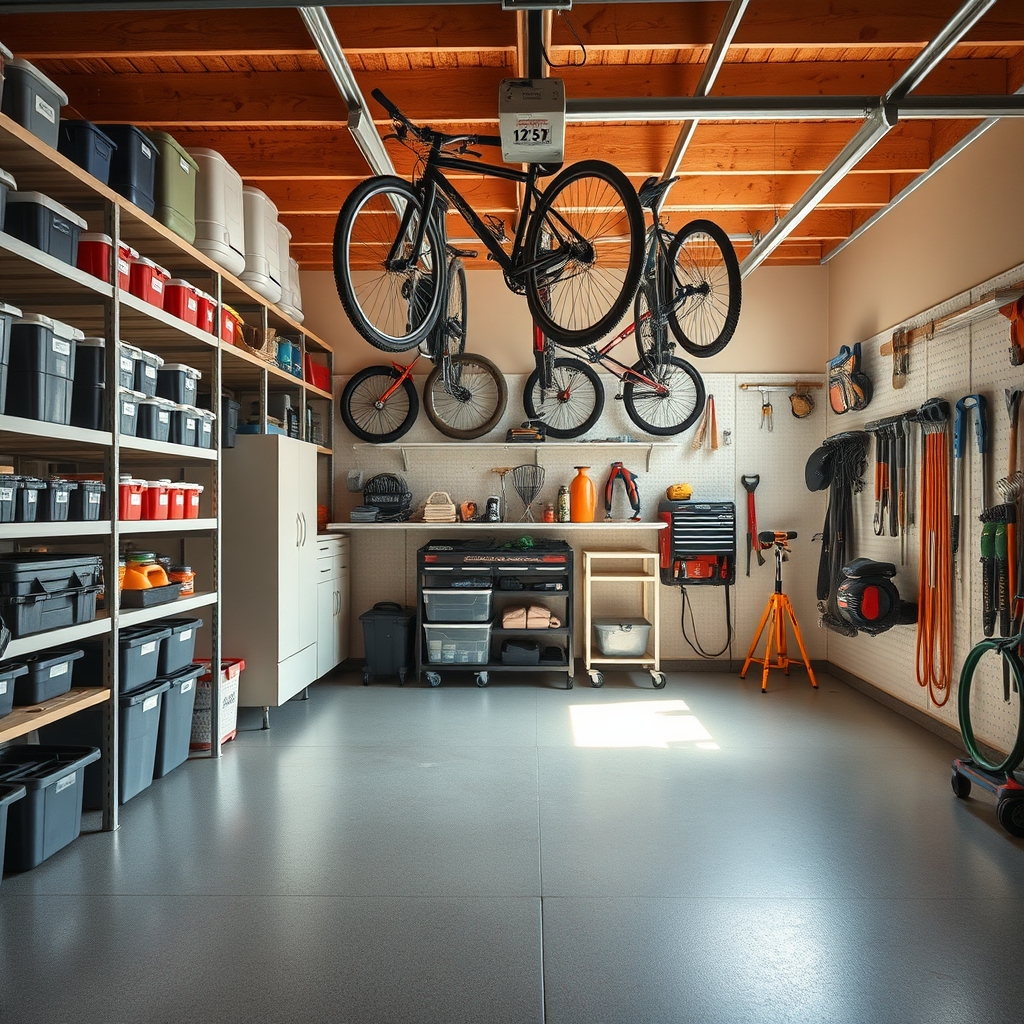
Don’t forget: Stacking bins at floor level can block everything above or behind—use risers or bottom shelves instead. Related: If adding water-efficient fixtures to your garage or home, see our WaterSense fixture installation guide.
Maintaining, scaling and seasonal refresh routines
The best garage organization systems can grow and change as your life does. Here’s how to keep things running smoothly:
- Quarterly refresh: Rotate seasonal gear (e.g., swap skis for bikes). Clean, label, and purge expired/unused items.
- Annual audit: Repeat your inventory exercise—measure any volume or use pattern changes. Adjust shelving or add modular components as needed.
- Label everything: Maintain clear bins with printed or written labels—don’t rely on memory as the years go by.
- Reconfigure modular systems: Take advantage of expansion kits or reposition bins/hooks as your hobbies and storage needs shift. Leading manufacturers now design systems with this flexibility in mind (source).
Routine checkups save time and money—and help you spot wall damage or overloading before it becomes a problem.
Ready to level up your garage? Explore more home upgrade tips, from energy-efficient designs to EV charging solutions.
Quick-start 30/60/90 checklist and shopping short-list
Here’s a fast, actionable roadmap for making your garage organization stick—without overwhelming yourself or your wallet:
- First 30 Days: Complete audit, sort, and purge. Remove everything, clean, and assess space.
- Next 30 (to 60) Days: Choose and install your core system (freestanding shelves, wall storage garage panels, or cabinets) based on your audit.
- Final 30 (to 90) Days: Add modular tool organization, rearrange bins, optimize workflows for your usage patterns. Label everything!
Shopping Short-list: As you buy, check for:
- Weight capacity (look for at least 200 lbs per shelf for main storage)
- Modularity (can you add-on later?)
- Warranty (3–5 years recommended for moving parts or anchors)
- Expandability (are expansion kits or accessories available in a year or two?)
With residential garages accounting for 71% of system sales and a forecasted CAGR of 7.9% through 2035, it’s clear that staged, data-backed upgrades keep paying off—whether for resale, less stress, or simply finding what you need, when you need it.
Frequently Asked Questions
What’s the biggest mistake in garage organization?
Most homeowners underestimate their actual storage needs and buy pieces “on the fly” that don’t fit a long-term strategy. This leads to clutter, wasted money, and may even damage the garage.
Are modular garage organization systems worth the investment?
Yes—modular systems allow you to reconfigure, expand, and customize your setup as your needs change. They reduce waste and usually have a better return on investment for growing families or hobbyists.
Can I DIY garage shelves safely?
Absolutely, if you anchor into studs or masonry, follow load ratings, and use quality brackets. Skimping on hardware or not measuring accurately are the most common DIY pitfalls.
What’s better: wall storage or overhead racks?
Wall storage garage systems are better for daily use and tools you need often. Overhead racks are best for seasonal or infrequent gear. Always factor in safety and accessibility.
How often should I re-audit my garage organization?
Do a mini audit quarterly (every 3 months) for seasonal gear, and a full review annually to ensure your system still matches your lifestyle and storage needs.