

Table of Contents
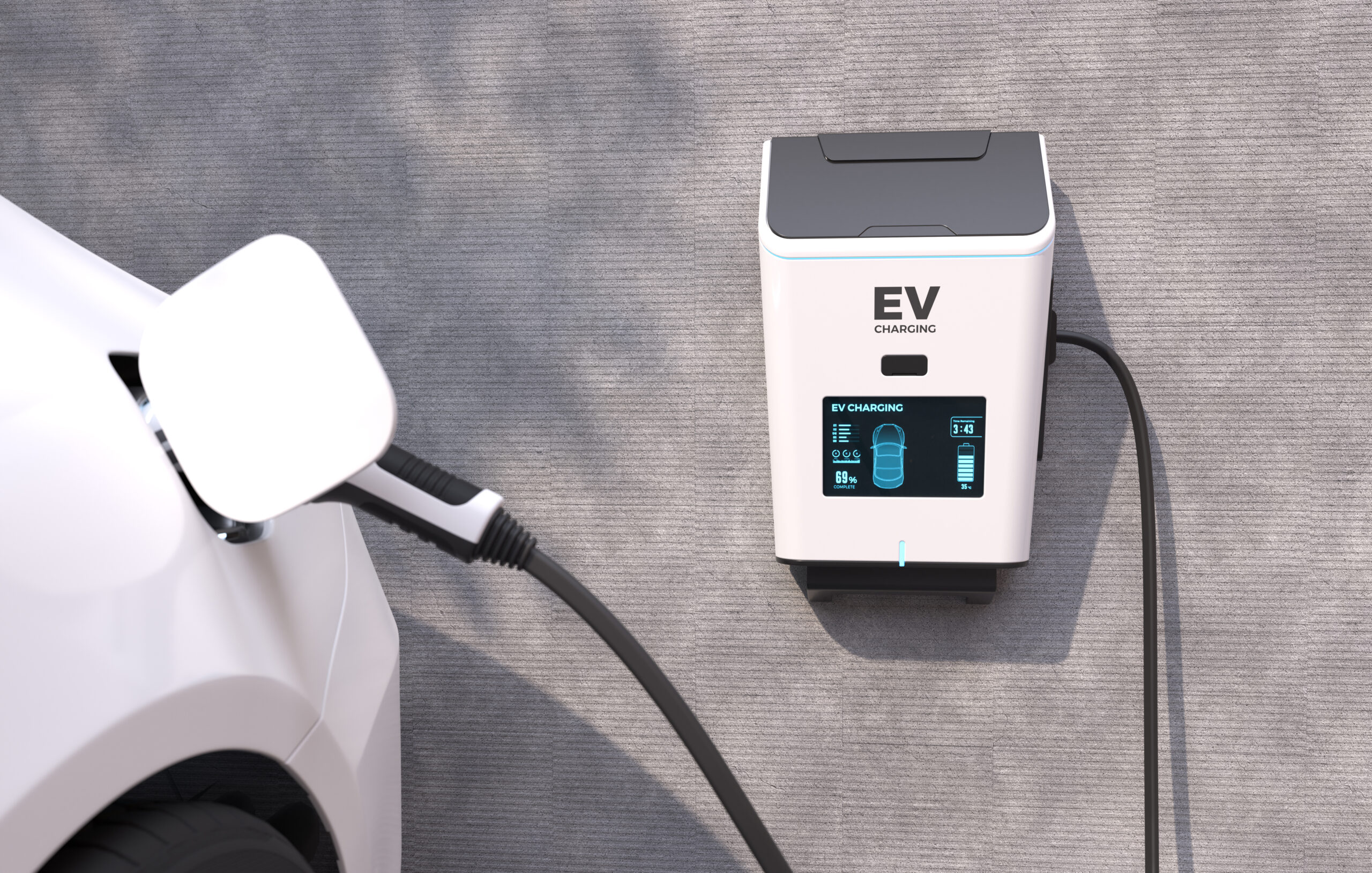
EV charger installation home is a smart investment for anyone buying an electric vehicle, but it pays to know realistic costs, risks, and what you should (and shouldn’t) DIY before you start drilling holes or calling an electrician. If you want reliable, fast charging and to avoid expensive mistakes, read on for cost breakdowns, practical steps, and exactly where those surprise line items show up for suburban and urban US homes.
Key Takeaways
- The typical EV charger installation home cost for a Level 2 setup is $800 to $3,200, most often around $1,600 in major US cities.
- Labor and permitting cause huge regional differences—Chicago and Dallas often pay under $2,500 total, New York and LA can run $2,800+.
- DIY work is possible, but electrical code, panel load, permits, and safety requirements set hard limits—always know when to hire a pro.
Quick takeaway — what you’ll likely pay
Before you go deeper, here’s what the EV charger installation home budget looks like for most city/suburban households in 2024: expect to pay between $800 and $3,200 (including the charger), with the most common total around $1,600. If your home’s wiring is typical and your panel has space, the lower end is reachable, especially in Dallas or Chicago. For older homes, longer wire runs, or dense urban markets like LA or New York, totals often reach or even exceed $2,500. Parts, labor, permits, and modest panel upgrades are included. For a detailed price analysis by region and home type, see this data-driven breakdown.
What that price actually includes (line-item breakdown)
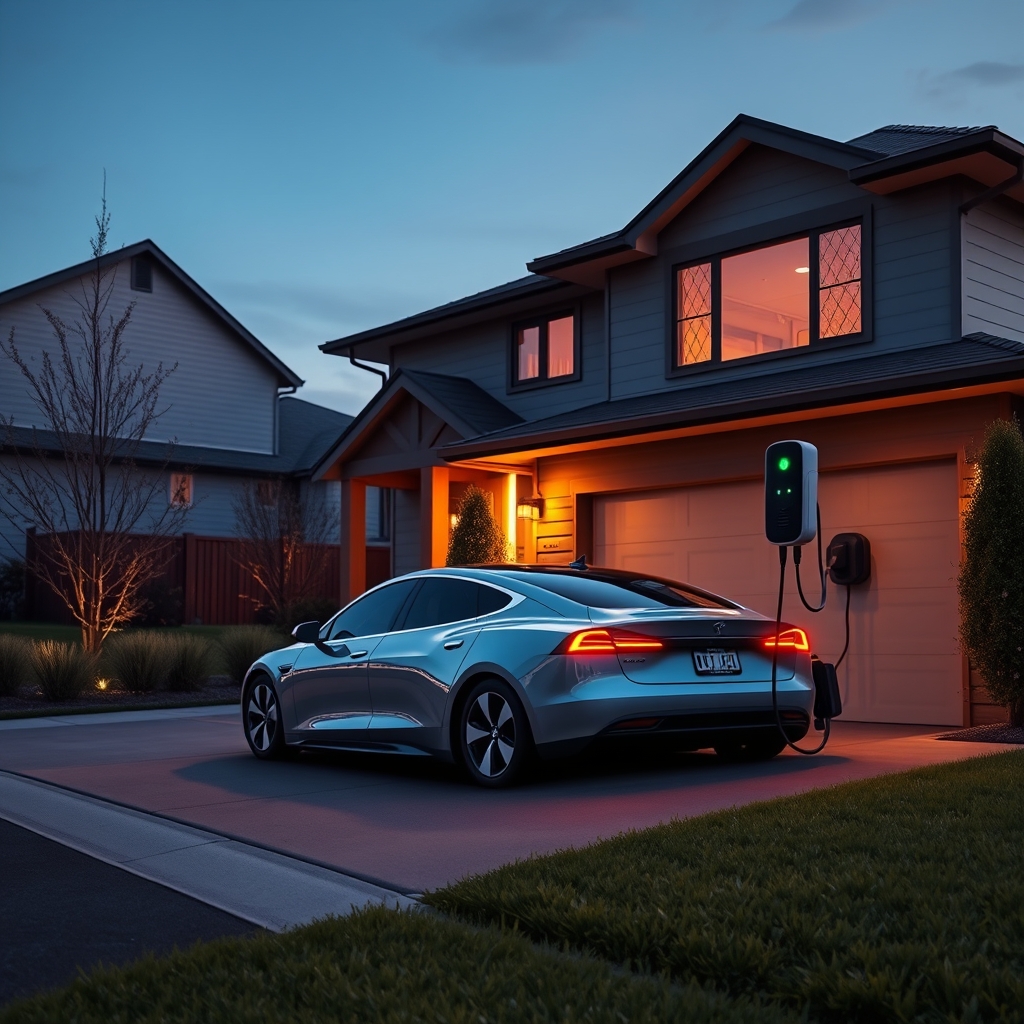
So what’s actually in a standard EV charger cost home quote? Here’s a typical installation for a Level 2 home charger:
- Charger hardware ($400–$1,200): Wallbox, JuiceBox, ChargePoint, or Tesla Wall Connector are the most common choices.
- 240-volt branch circuit: New wiring dedicated from your electrical panel to your charger spot, sized for 40 to 60 amps.
- Breaker: Installed or replaced as needed; 50A is typical.
- Conduit, wiring, and mounting hardware: Amount and cost depend on the length and whether surface or in-wall mounting is needed.
- Permits and inspection fees: $75 to $350, but required in almost all urban US markets. Permits ensure compliance and keep your homeowner’s insurance valid.
- Panel work: Expansion or small upgrades (extra slots, new subpanel) if your main panel is full.
All told, labor for installing a Level 2 charger can run $800–$2,500 before hardware is added (learn how this applies to Level 2 upgrades). If your charger comes in at $700, that’s how the all-in average ends up at $1,600.
Regional and city variation — why location changes the quote
The price for EV charger installation home jumps dramatically based on where you live. Big drivers are local electrician labor rates, permit fees, and utility requirements. Here’s how install-only costs (excluding charger) compared in major markets, according to recent nationwide research:
| Region/City | Install Only Avg. | All-In Typical Range* |
|---|---|---|
| Chicago Metro | $2,882 | $1,450–$3,400 |
| Dallas Metro | $2,186 | $1,250–$2,700 |
| New York City | $2,624 | $1,400–$3,350 |
| Los Angeles | $2,576 | $1,350–$3,300 |
*Includes estimated hardware for a Level 2 home charger. For more, check our guide to city-specific EV charger costs.
Smaller towns are often less, but not always! High demand, code enforcement, or long wire runs in historic neighborhoods can nudge prices higher than you’d expect. Regional utility and electric code differences also affect installation timeline and required materials (see state-by-state detail here).
Technical requirements for a Level 2 home charger (what an electrician will do)
Whether you’re considering hiring a pro or attempting to install EV charger DIY, here’s what must get done, by the book:
- Dedicated 240-volt branch circuit:
This means a hard-wired line run directly from your panel to the charger, sized for at least 125% of the charger’s max draw (usually 40–60A breaker, 50A typical for most home units). - Appropriately gauged copper wire:
6 AWG for 60A circuits is normal, but the exact gauge depends on the run length (to mitigate voltage drop). - Panel capacity load calculation:
You can’t exceed your main panel’s ampacity. If you’re adding a 50A charger to a 100A panel already near capacity, you may need an upgrade or a smart load management device. - Grounding and GFCI protection:
Grounding electrode connections must be solid. Some local codes require ground fault protection on EV circuits. - Conduit or approved raceway:
Outdoor or unfinished garage runs usually require conduit, per NEC Article 625. - Permits and inspection:
Nearly every urban US market requires an electrical permit for a Level 2 home charger—and both your home insurance and the charger warranty can be voided if you skip this.
The National Electrical Code (NEC) Article 625 governs EV charger installations. Cross-check your panel, breaker size, wire gauge, and the permit process with local requirements (permit checklist here). If in doubt, hiring a qualified electrician is money well spent.
Common DIY pitfalls (and exactly how to avoid them)
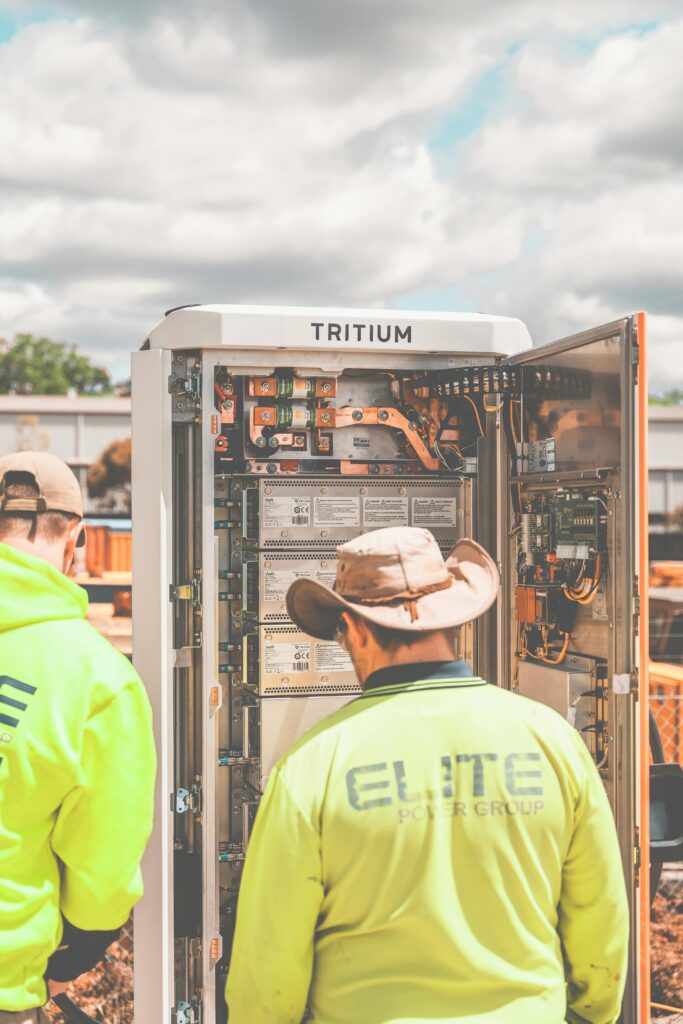
DIYers often want to install EV charger DIY for cost savings, but here’s where things go sideways most often—and how you can avoid disaster or expensive rework:
- Under-sizing wire or breakers: Too-thin wire (especially on long runs) causes dangerous overheating and fails inspection. Use the minimum wire gauge specified on the charger, and upgrade for distances over 50 feet (see our detailed wire guide).
- Not upgrading a full or outdated panel: Many older homes can’t add another 40A or 50A breaker safely—a full panel means a panel upgrade, which can cost an extra $1,200–$3,000. Don’t ignore this.
- Poor grounding, exposed wiring, or missing weatherproof enclosures: Especially risky for outdoor chargers. Use only NEMA/UL-listed weatherproof boxes and connectors.
- Skipping the permit or inspection: Most cities require electrical permits. Unpermitted work can void your home insurance if there’s a fire.
- Using non-listed components or DIY “hacks”: Only use components rated for EVSE. Avoid cheap adapters or off-brand parts from questionable sources.
Manufacturers—Tesla, ChargePoint, Enel, and others—may void your warranty for unpermitted DIY wiring or improper mounting. If you’re uncertain at any step, hire a qualified EV charger installer. For more data-backed advice, check this guide on cost and pitfalls.
| DIY Mistake | How to Avoid |
|---|---|
| Wire/breaker too small | Match or exceed both panel and charger amperage spec, especially for runs >50 feet |
| No permit/inspection | File required paperwork with city before any wiring work |
| Improper ground/weatherproofing | Use only listed EVSE outdoor enclosures, strain relief, and bonded grounding |
Picking the best home EV charger — features that matter (and the top user complaints)
Finding the best home EV charger isn’t just about price. Here’s what matters—and what frustrates real owners in every market:
- Amperage and charge speed: 40A is sufficient for most cars, but futureproof with 50A if your panel allows.
- Cord length: 18–25 feet is best for garage flexibility. Shorter cords can be a headache if your EV’s charge port is on a different side than expected.
- Hardwired vs. plug-in: Hardwired is more secure and outlasts plug-in for weather resistance, but a NEMA 14-50 plug works if you want flexibility (see pros and cons).
- Smart features/Wi-Fi: Look for simple, reliable app integration for scheduling and energy tracking. Many chargers, including JuiceBox and ChargePoint, get negative reviews for flakey Wi-Fi or difficult firmware updates.
- Warranty and listings: UL, ETL, or NEMA certification is a must. Aim for a minimum 3-year warranty.
- Compatibility: Double-check your vehicle’s charging connector (J1772 or Tesla). Adapters exist, but best to match directly.
Top complaints in real reviews include:
- Unreliable Wi-Fi or app integration causing unpredictable charging schedules or data loss
- Premature hardware failures — melting, overheating, and persistent faults, especially outdoors
- Install requirements not disclosed up front—need for professional mounting, trenching, or surprise extra-cost permits
- Insufficient cable length or awkward wall mounting creating daily hassle
For independent reviews, compare user experiences at Sunrun’s EV charger guide. Also, see our top picks for best home EV chargers in 2026.
Budget checklist and next steps (practical action plan)
Use this quick checklist to move from “should I install?” to a safe, affordable solution:
- Measure the distance from your panel to your parking spot (shortest, code-compliant path).
- Check your main panel for available breaker slots AND overall capacity (amps). Most homes need at least 100A service.
- Research compatible chargers (see our Level 2 home charger buyer’s guide).
- Request at least 3 detailed, itemized electrician quotes—be specific about run length, panel type, and charger model.
- Confirm local permit and inspection requirements before buying any hardware.
- Factor in $400–$1,200 for the charger, $1,200–$2,900 for labor and parts, and add a 10% contingency for surprises.
- Look for utility, state, or federal rebates (sometimes $250–$1,200 back) to offset upfront costs. We track these in our EV charger rebate guide.
- Plan installation timing. Most pro installs take 2–4 hours, but panel upgrades or permitting may add a week or more.
The national average for full install is about $1,600, but always prepare for above-average numbers—especially in older homes (see more cost scenarios).
Short FAQ to address final conversion blockers
Can I really install a Level 2 home charger myself?
You can install EV charger DIY if you have hands-on electrical experience, understand NEC code, and get a local permit. However, any error (wrong wire size, wrong breaker, missed permit) risks failed inspections or safety hazards. For most homeowners, at least partial pro involvement makes sense.
How long does installation usually take?
Standard installs with an accessible panel take about 2–4 hours. If you need a panel upgrade or more wiring, expect up to a full day. Permits may add several days’ wait before work starts.
Do I need a permit for EV charger installation home?
Almost everywhere in the US, yes. City or county permits and final inspection are required for Level 2 home chargers. Skipping this can void home insurance and the charger warranty.
If the installer does more work, should I tip or pay extra?
Tips are not required for licensed electricians, but it’s common to pay extra for unexpected add-ons (panel work, trenching, parts runs). Always agree on added work and costs before it’s done.
What about warranties and insurance risk with DIY installation?
Nearly all major brands require a professional, permitted install for product warranty. DIY work that bypasses permits can not only void the warranty but also expose you to denied insurance claims in case of an electrical fire.