

Table of Contents
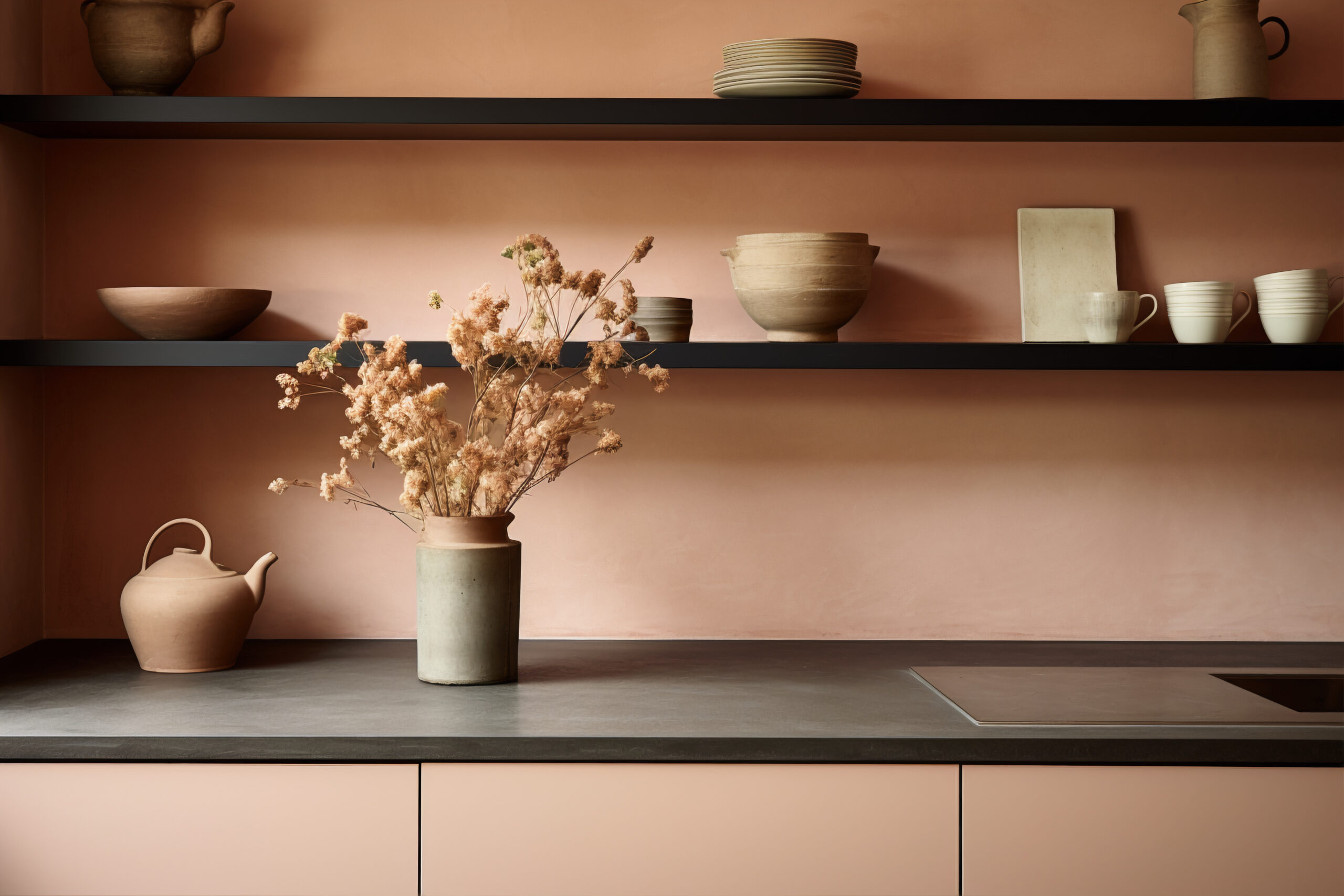
Floating shelves kitchen solutions are taking over modern kitchen remodels—and with good reason. Homeowners and renters on a budget want smarter, more stylish storage that improves access, displays their favorite pieces, and isn’t a nightmare to install. But the “open shelving” look is loaded with design, cost, and DIY trade-offs. Here’s the no-nonsense, step-by-step guide missing from most blogs—so you get floating shelves that are safe, affordable, and impress every guest.
Why floating shelves are dominating kitchen design in 2024
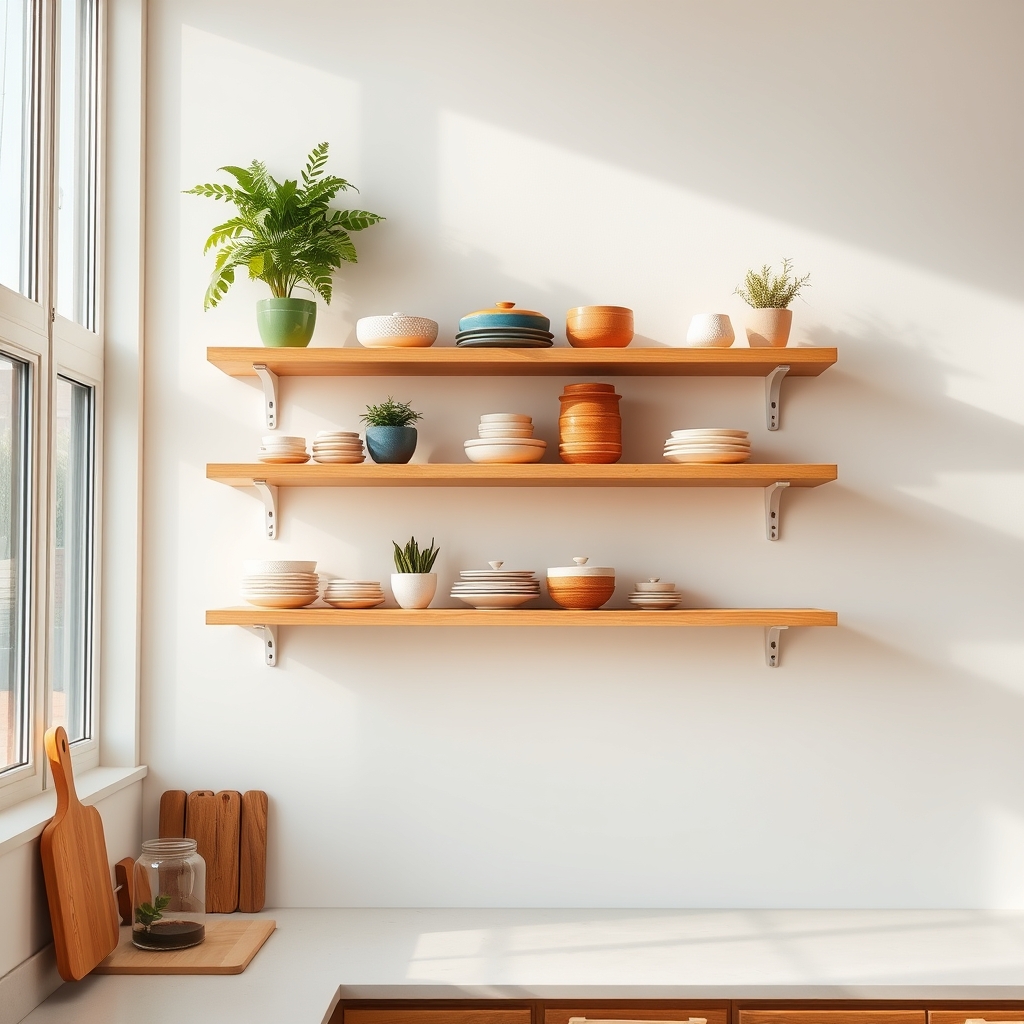
Floating shelves kitchen solutions are no longer just a social media trend—they represent a clear shift in how people approach minimalist kitchen storage. In 2024, over 75% of homeowners report wanting better, more accessible kitchen storage, with floating shelves and modern wall shelves topping the wish lists (NKBA data).
So, why the explosion? In short:
- Cost-effectiveness: Simple materials and no bespoke cabinetry slash your budget.
- Flexibility: Reconfigure, resize, or remove shelves easily—no need for demo work.
- Modern look: Floating shelves keep spaces bright, airy, and uncluttered.
Industry data confirms floating shelves kitchen options have grown significantly in 2024, with demand driven by budget-conscious remodelers and renters who want both function and style.
Step-by-step DIY installation checklist (renters & homeowners)
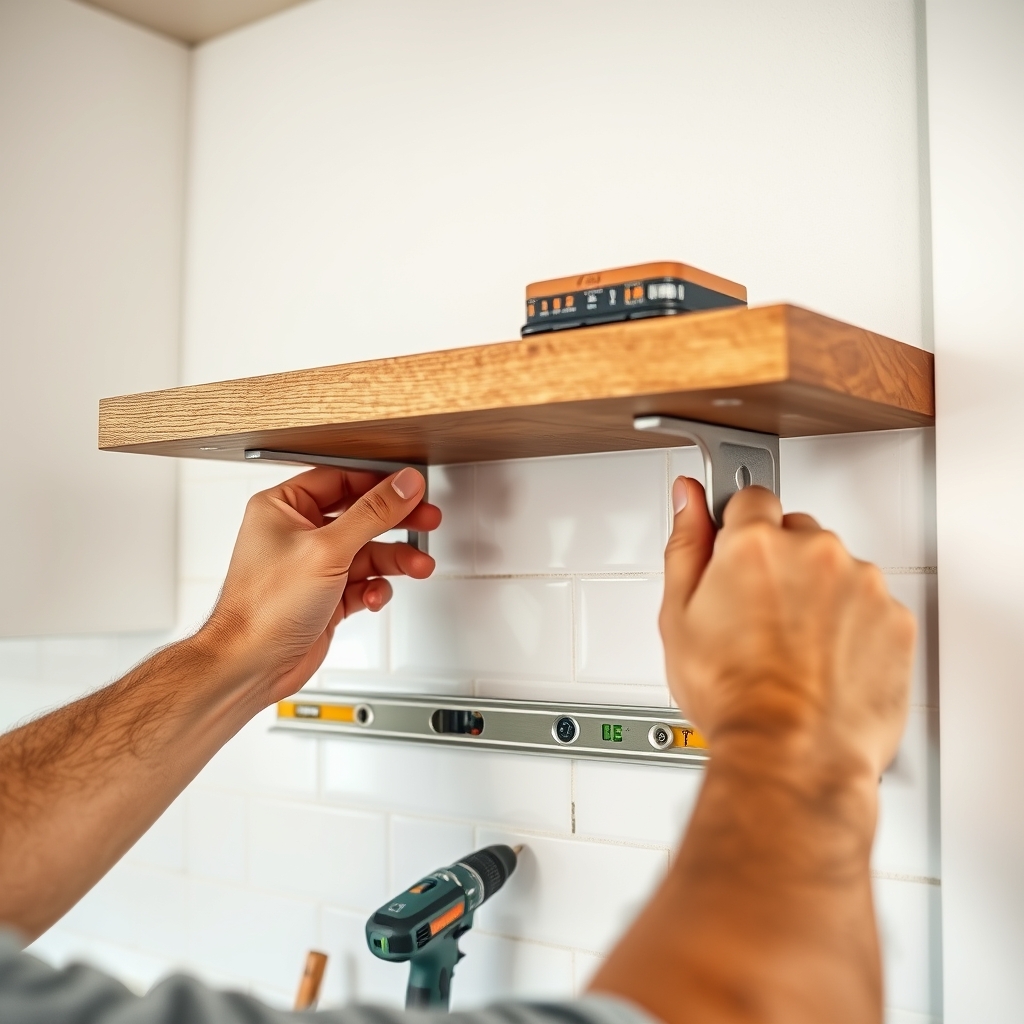
Installing DIY wall shelves is achievable for most homeowners—but it’s not foolproof. Here’s a proven step-by-step to get it right.
- Measure twice, mark once: Always double-check wall width and planned shelf height. Use painter’s tape to visualize placement.
- Stud finding—non-negotiable for heavy loads: For anything more than a few mugs, use a magnetic stud finder to locate studs. Mark clearly.
- Choose the right anchor: Drywall needs heavy-duty toggles or Molly bolts; studs support the most weight with wood screws; use masonry anchors for brick/concrete.
- Leveling matters: Use a long jumbo level (not your phone) when marking drill points to avoid slanted shelves.
- Pre-drill and secure: Drill pilot holes; secure brackets or concealed supports per manufacturer load ratings.
- Stress test each shelf: Before you style, load each shelf gradually up to the planned weight (see next section for load math).
- For renters: Consider command strips, tension rod shelving, or existing cabinet add-ons to avoid wall damage. Always check lease rules first.
Material and tool checklist:
- Shelves (pre-finished or DIY cut), brackets or concealed supports
- Stud finder, tape measure, long level, power drill
- Wall anchors/mounting screws (rated for planned load)
- Painter’s tape, pencil, soft hammer, ladder
For more on tools and hardware, see our detailed DIY garage shelves guide.
Advanced analysis & common pitfalls
Even confident DIYers run into trouble with modern wall shelves. Knowing the most realistic mistakes—and how to avoid them—turns a good install into a pro-level kitchen upgrade. Here’s what the research and our field experience agree on:
| Pitfall | How it Happens | How to Avoid |
|---|---|---|
| Improper Measurements | Shelves don’t line up, look uneven, or hit wiring/plumbing inside the wall. | Map all studs, check for outlets/pipes, and use painter’s tape + level before drilling. |
| Exceeding Weight Limits | Shelves sag, pull out, or collapse under daily use—dangerous and costly. | Calculate expected load (plates ≈ 2 lbs each, jars ≈ 1.5 lbs, books ≈ 1 lb/ft). Use anchors rated 1.5x higher than load. |
| Style Mismatch | Shelves clash with cabinets or create visual clutter. | Keep shelf thickness, color, and bracket finish consistent. Limit open shelving to 1/3 of upper storage for balance (see pro styling tips). |
| Improper Anchoring in Drywall | Shelving pulls away over time, especially with vibration or moisture. | Always mount into studs for heavy items. For open shelving kitchen ideas in apartments, use high-grade toggles or secondary brackets. |
| Underestimating Maintenance | Dirt, grease, and dust show up fast. Shelves lose their visual appeal. | Stick to easily cleanable finishes, schedule weekly wipe-downs, and rotate contents. Check our organizing tips for small spaces for cleaning help. |
Design & Styling Strategies
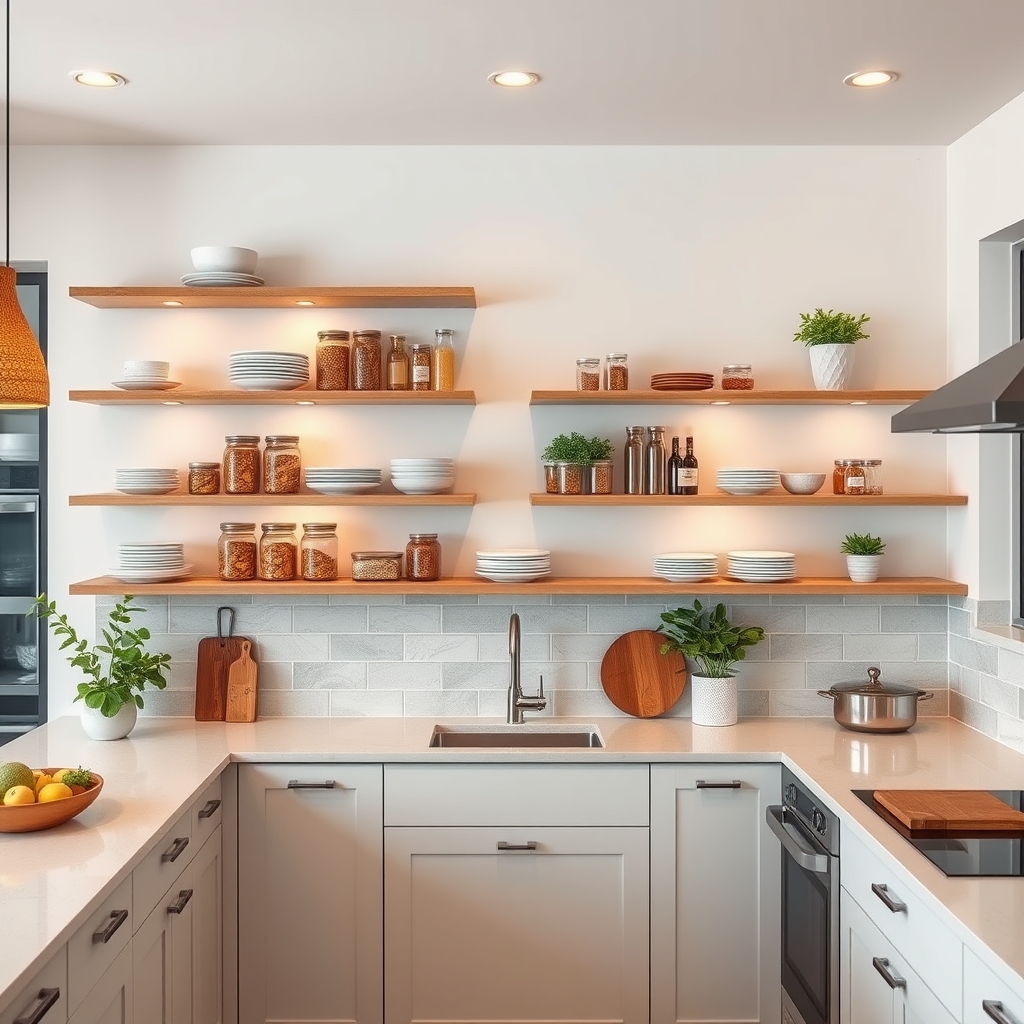
Open shelving is shallower than cabinets—your stuff is always visible, so organization and curating are essential. Experts recommend decanting pantry items into matching glass jars, stacking plates by size, and using greenery/art to provide balance. Too many mismatched colors can make shelves look messy instead of modern.
To boost practicality, add a tiered can organizer or stackable shelf riser—like those featured by Homes & Gardens—for shallow shelf storage that maximizes every inch.
Hybrid storage is your friend. According to current research, combining open shelves with traditional cabinets provides the best of both worlds. Store daily-use items and display pieces on floating shelves; keep bulk foods, appliances, and less attractive essentials behind closed doors. A classic ratio is about 1/3 open shelving to 2/3 cabinetry, but you can tweak by kitchen size and habits.
Conclusion
Floating shelves kitchen projects give you unmatched flexibility, a crisp modern look, and big savings compared to full cabinetry. Plan your hardware, check that you’re under load ratings, and style with intention for the best result. If you want a personalized floating shelves kitchen layout or budget template, ask in the comments or book a consult. Show off your work and share your favorite open shelving kitchen ideas for others to try!
FAQs
How much weight can floating shelves kitchen setups handle?
It depends on bracket/anchor type and shelf length. Mounting into studs? You can safely load 30–50 lbs per shelf (about 15 plates, or 10 jars and mugs). In drywall only, use anchors rated for at least 50 lbs, but avoid overloading. For detailed load math, consult product manuals and test incrementally.
Are floating shelves kitchen ideas renter-friendly?
Absolutely. Choose wall adhesive supports, command strips (for lightweight shelves), or standing metal frames that require no drilling. For more non-invasive upgrades, see our peel and stick backsplash guide.
How do I keep open shelves clean?
Dust shelves weekly with a microfiber cloth, and plan on washing items stored on open shelves more frequently than in cabinets. Choose easy-wipe finishes and avoid overloading for faster cleaning.
Is open shelving or cabinets better for resale?
Full cabinetry often gets better marks from traditional buyers, especially in family homes or high-value flips. Hybrid systems (some open, some closed) balance flexibility and keep buyers happy. Cabinet sales have dipped recently, but custom cabinets still command a premium.
What are the most common installation mistakes?
The big three are poor measurements, exceeding weight limits, and mismatched hardware. Follow step-by-step, use the right anchors, and don’t skip the stress test before loading up your shelves.