

Table of Contents
Portable air conditioner units aren’t just a convenience—they’re the fastest and often the only way for urban renters or homeowners to get real, reliable cooling in a small bedroom, studio, or home office when window units aren’t an option. But choosing the right portable air conditioner in 2026 means looking past simple product lists and focusing on exactly how these units actually perform, how much noise they make, and how effectively they manage humidity in lived-in, real-world rooms.
Key Takeaways
- The best portable air conditioners for small rooms in 2026 typically run at 44–45 dB on quiet settings—silent enough for sleep or video calls.
- Improper BTU sizing and weak dehumidification are the top pain points reported by real users—ignore them and comfort will suffer.
- Buying right means checking SACC (not just BTU), dehumidification features, noise benchmarks, and planning your setup to ensure cool, quiet operation.
Quick snapshot — what top portable ACs for small rooms deliver in 2026
The best portable air conditioner options for small rooms in 2026 focus on two things: effective cooling and minimal noise. For rooms up to 250 square feet, models like the Dreo Smart Inverter AC319S and the LG LP1419IVSM deliver steady temps and sleep-friendly sound—averaging 44–45 decibels in quiet mode. That’s below the volume of most refrigerators and low enough for bedrooms or meetings. Modern quiet portable AC models also offer much-improved dehumidification, reducing clammy discomfort—even during summer humidity spikes (source).
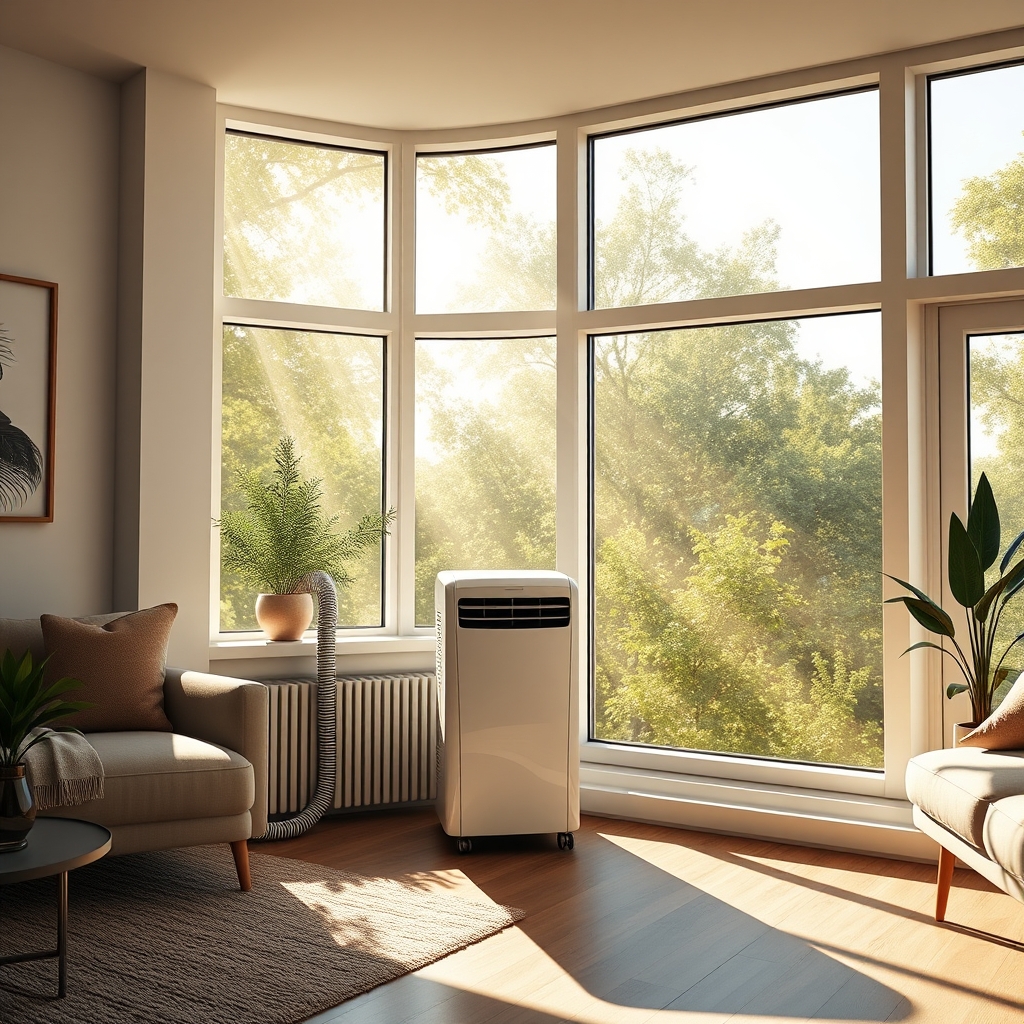
Most importantly, these units now disclose both nominal and SACC (Seasonally Adjusted Cooling Capacity) BTUs, helping you pick an air conditioner that won’t disappoint once the sun and electronics are heating up your space. Expect strong cooling, quiet sleep, and better humidity control—when you buy smart.
How to size a portable AC for your small room (avoid the #1 selection mistake)
Most buyers get the size wrong, and it leads to chronic issues. Don’t just grab the cheapest “8,000 BTU” portable air conditioner and hope for the best. Here’s how to size it right:
- Check your actual room size: Measure length × width and round up if in between sizes. For example, 12 ft × 15 ft = 180 sq ft.
- Factor in real-world heat sources: Every extra person, running computer, or TV adds heat. Crowded studios or home offices may need more cooling than the bare square footage suggests (source).
- Start with 6,000–8,000 BTU (SACC) for most small rooms: For up to 250 sq ft, this is your sweet spot. SACC is the actual cooling delivered in real conditions—don’t mistake it for the larger “ASHRAE” BTU rating often shown on the box.
- Consider consequences: Undersized portable ACs never cool down fully; oversized ones cool quickly but leave air muggy and the unit cycling noisily. Incorrect BTU sizing is a top complaint in actual user reviews.
If you want to maximize year-round efficiency, consider pairing a right-sized unit with smart home upgrades like installing a smart thermostat for better temperature management or using window insulation film to prevent cool air loss and boost overall room comfort.
Noise expectations — reading dB specs vs. real-world experience
Manufacturers love posting ultra-low decibel numbers, but what matters is what you actually hear at night in your bedroom or during a home office call. Here’s what quiet portable AC noise specs really mean:
- Under 48 dB = Sleep-friendly: Modern models like the GE APMS06BWF or LG LP1419IVSM are measured at ~44–45 dB in quiet/sleep mode, which is softer than average conversation—and won’t interrupt a Zoom call.
- Compressor matters: Inverter compressors ramp smoothly and avoid sudden loud “kicks” found in older single-stage units.
- Real world = higher: Expect noise to go up by 2–4 dB in a lived-in room due to reflections from walls and furniture (and sometimes because of poorly sealed window exhaust kit).
Don’t just trust manufacturer specs—search for reviews measuring dB at 3–6 feet away and always compare the low/“sleep” setting if you’re sensitive to nighttime noise. If you work from home or use your AC in a nursery, under 48 dB is a must.
Dehumidification — the often-overlooked performance factor (make this a priority)
Cooling the air doesn’t always mean comfort. A portable air conditioner that doesn’t effectively dehumidify the room will leave the room sticky and uncomfortable. In a small room, even a quiet portable AC can feel like a letdown if it misses this critical feature. Here’s what to look for:
- Check for a true “Dry” or “Dehumidify” mode: Don’t assume every portable AC will actually remove enough moisture.
- Look for adjustable humidity targets: Advanced models let you set a percentage, so you’re not stuck with default settings.
- Condensate management: Does it need to be manually emptied, or is there an auto-drain or internal pump? Frequent emptying is a top complaint for renters and busy professionals.
- Dual-hose units and inverter compressors: These handle humid climates better and keep humidity low even in heat waves (source).
Many “best portable AC 2026” lists overlook humidity control—don’t make that mistake. If you frequently wake up clammy or your home office feels sticky, check if your target unit’s specs clearly list dehumidification rates (measured in pints/day, with higher better for humid regions) and easy condensate solutions.
Don’t forget that pairing your portable air conditioner with other home upgrades (like ventless laundry solutions for tight spaces) can keep humidity from building up in confined city apartments.
Top verified user complaints and pain points (what reviewers actually say)
Real owner feedback paints a much more honest picture than glossy marketing copy. Here are the top recurring complaints from verified small room AC unit buyers, straight from actual review data:
| User Complaint | Root Cause | How to Avoid |
|---|---|---|
| Room still muggy/sticky | Weak dehumidification or no specific mode | Prioritize “dry mode” and high pints/day rating |
| AC too loud to sleep/work with | Specs overstate quietness; poor window sealing | Demand sub-48 dB in sleep/low mode; seal exhaust kit tightly |
| Leaking/overflowing water tanks | No auto-drain, poor drainage, small bucket | Select auto-drain/pump option, especially in humid climates |
| Disappointing cooling | Wrong BTU or SACC for space | Follow SACC-based sizing rules |
| Frustrating window kit setup | Clunky panels that don’t fit perfectly | Check panel fit; add insulation strips for tight seal |
| High energy bills | Low EER or frequent fan cycling | Insist on EER >9.0 and use sleep mode overnight |
Many of these pain points can be minimized with the right setup tweaks or by consulting soundproofing tips for your home office if noise infiltration is a problem.

The quiet-compact buyer checklist — specs and features that matter (what to demand)
- BTU & SACC: Target 6,000–8,000 SACC for ≤250 sq ft rooms
- Max noise (dB): ≤48 dB on low/quiet, ≤53 dB on high
- EER/CEER: Efficiency rating >9.0 for manageable energy bills
- Compressor type: Inverter is quieter and more stable
- Dehumidifier: At least 40–50 pints/day for humid climates
- Condensate handling: Auto-drain or internal pump for minimal hassle
- Window kit: Adjustable panels that fit tightly; slim duct if possible
- Warranty/support: Minimum 1-year full; easy-to-reach customer service
- Noise measurement: Look for reviews measuring real dB at 3–6 feet
These criteria echo professional review findings (source) and reflect what experienced buyers won’t compromise on for 2026’s best portable AC units.
For more ideas to enhance small-space living, explore ventless washer dryer combos for apartments and small bathroom upgrades that pair well with low-profile ACs.
Installation and usage tweaks that save noise and boost cooling
Proper installation makes a world of difference, often matching a costly upgrade in results. Here’s how to get the best from your portable air conditioner—without disturbing your sleep or workflow:
- Placement matters: Position away from beds or desks, but not in a tucked-away corner—open airflow cools the entire space faster.
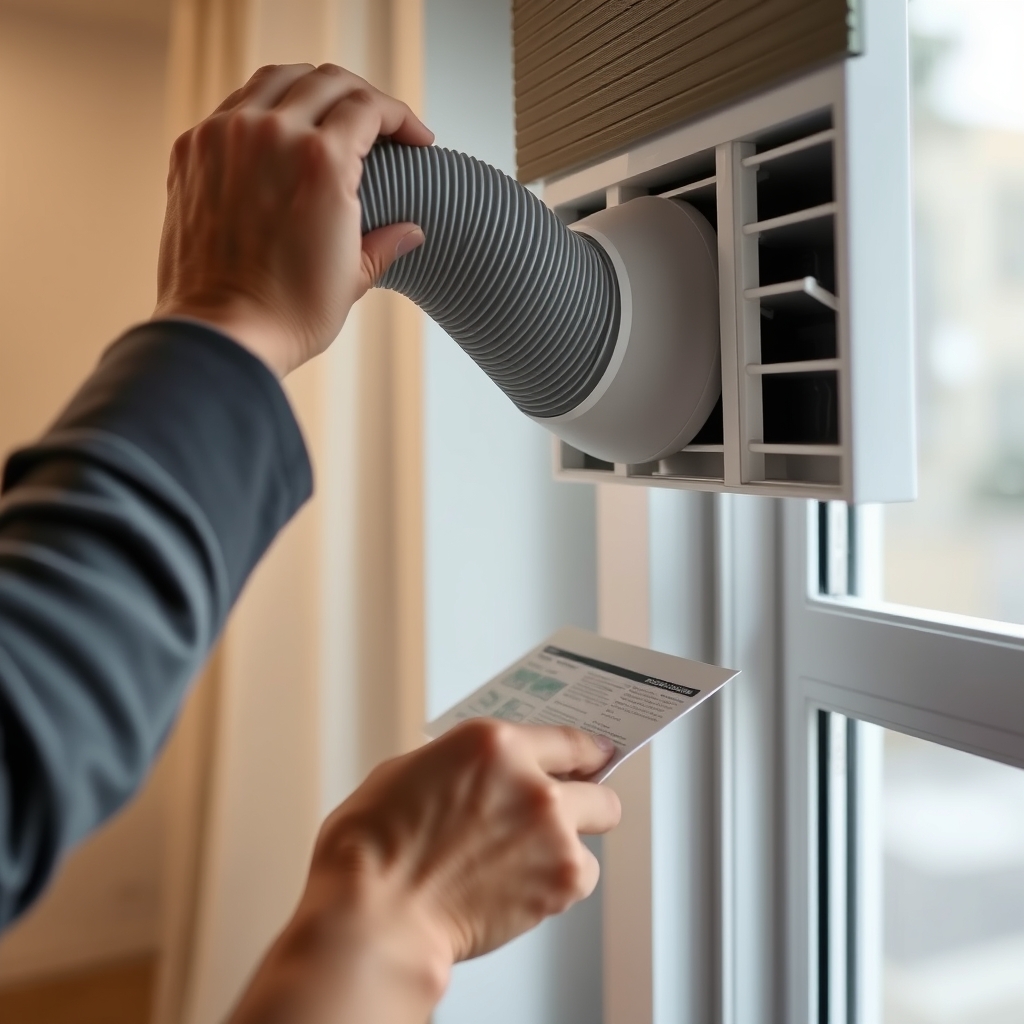
- Seal the window exhaust kit: Any gap lets hot air leak in. Use weatherstripping and insulation tape to create a tight seal.
- Keep duct runs short, minimize bends: Every extra foot and sharp bend kills performance and raises noise.
- Use sleep/low mode overnight: Saves power and minimizes noise spikes.
- Routine filter & coil cleaning: Dirty filters make the fan work harder and boost operational noise. Schedule cleanings monthly during heavy use.
- Condensate handling: Check and empty the tank or ensure the auto-drain is working—especially in humid months.
Remember: Heat loads from electronics, furniture, and people add up fast in real rooms—far more than test labs account for. Don’t undersize, and don’t skip proper setup if you want your AC to deliver peak performance (source).
Upgrade your setup further by adding better room organization or space-saving shelves so airflow from your portable AC isn’t blocked by storage or clutter.
Quick recommendations by scenario (bedroom, home office, studio)
- Bedroom: Choose a portable air conditioner with ≤48 dB operation and strong humidity control. Start with 6,000–8,000 SACC.
- Home office: Quiet operation (≤48 dB), dedicated “dry” mode, smart WiFi/app controls for on-demand comfort during calls or work marathons.
- Studio/living space: Slightly higher SACC (up to 10,000) if cooking or multiple electronics are present. Prioritize auto-drain for heavy use and adequate noise suppression.
In every case, never compromise on dehumidification and make sure window panels seal tightly—for both efficiency and peaceful operation. For more efficiency upgrades, see the proven advice in our guide to net-zero ready homes.
FAQs and buyer objections to answer in copy
Are portable air conditioners really noisy?
The best modern units are surprisingly quiet. Top picks for 2026 operate around 44–45 dB on low, which is quieter than a refrigerator. However, older models or those running on high fans may be distracting in small rooms. Always check certified dB measurements, not just marketing claims.
Will my portable air conditioner actually dehumidify the room?
Many do, but not all are equally effective. Look for dry/dehumidify modes and check the pints/day specification. Weak humidity control is one of the most common complaints; do not assume all models will keep your space comfortable if you live in a humid area.
How do I choose the right size portable AC for my room?
Start with 6,000–8,000 SACC BTU for most small bedrooms or offices (up to 250 sq ft). Always base your decision on SACC, not just the higher ASHRAE BTU. Factor in electronics, occupants, and sun exposure.
Are portable air conditioner window kits hard to install?
Most kits are beginner-friendly and take about 10–30 minutes. The main issues are poor panel fit for some window types and small air leaks. Use extra foam or insulation tape to create an airtight seal for both performance and noise reduction.
Do portable ACs use a lot of electricity?
Efficient models (EER>9.0) are competitive with window units if you use low/sleep mode overnight. Inefficient or oversized units will spike energy bills—so buy for the smallest workable size and use energy-saving features whenever possible.