

Table of Contents
Home office soundproofing is a must-have for anyone working remotely who wants less background noise and more privacy during important calls. But most guides mix up echo control with actual noise blocking, steering you toward expensive or mismatched solutions. Here’s a no-nonsense, step-by-step guide built for people with real budgets, real walls, and plenty of constraints.
Key Takeaways
- Distinguish between true soundproofing (blocking noise through walls and windows) and acoustic treatment (reducing echo inside your office) – the difference guides both approach and cost.
- Budget fixes like rugs, curtains, and bookshelf placement deliver quick wins, but real sound isolation often needs layered solutions and careful planning.
- Smart upgrades, simple before-and-after testing, and choosing sustainable materials will maximize your results, appearance, and peace of mind over time.
Quick primer — Soundproofing vs. Acoustic Treatment
Confusing soundproofing with acoustic treatment wastes money and time. They serve different goals:
- Soundproofing: Blocks unwanted noise from entering or leaving your home office. Think heavy materials and airtight seals—required if you want to stop street noise or loud neighbors.
- Acoustic treatment: Controls echo and sharpens call quality by taming in-room reflections. Absorptive panels, bass traps, and soft furnishings help voices sound clearer within your space but do little to block noises from outside.
For Sara (and most remote workers), blending both approaches works best. If you want to reduce echo home office, acoustic treatment panels or soft furnishings make an immediate impact. But if outside noise is your main issue, you’ll need added mass, dense barriers, and solid construction for true home office soundproofing.
Research shows: “Soundproofing is all about keeping sound from traveling in and out of a room. This involves two goals: blocking noise from outside and stopping noise from escaping your office.”[source]

Step-by-step, budget-minded plan for common home office noise scenarios
Every home office is unique, but the same method works: diagnose your biggest noise issue and apply the highest-impact fixes first. Here are actionable steps for three common scenarios, each with upgrades for both minimum effort and serious improvement.
1. Echo-heavy room (bare walls, hard floors)
- Quick fix: Lay a thick rug and add bookcases or storage filled with uneven items to at least one wall. Hang heavy curtains, install a few large fabric wall hangings, or soft canvas art.
- Mid upgrade: Mount 2-4 acoustic panels (DIY or prefab) at ear height. Try a tall plant in a corner for extra absorption.
- Pro solution: Full wall coverage with fabric-wrapped or printed designer panels, plus bass traps in corners.
- Estimated cost: $70–$500
- Time to install: 1–3 hours
2. Outside street noise (thin windows, traffic or urban noise)
- Quick fix: Install airtight weatherstripping on window frames, and use thick blackout curtains or moving blankets after hours.
- Mid upgrade: Window inserts (clear, removable acrylic sheets), or permanent double glazing for higher budgets.
- Pro solution: Acoustic caulk all gaps, plus upgraded window assemblies.
- Estimated cost: $30–$300+
- Time to install: 1–2 hours (quick fix), full day (window work)
3. Thin-wall neighbor noise (conversation, TV, music)
- Quick fix: Place bookshelves or wardrobes filled with clothes on shared walls for extra density.
- Mid upgrade: Add mass-loaded vinyl (MLV) behind removable wall hangings; seal electrical outlets/gaps with putty pads.
- Pro solution: Add a layer of drywall with Green Glue (a noise damping compound) if you can spare 0.5-1 inch of wall thickness.
- Estimated cost: $100–$1,500+
- Time to install: 2–6 hours (bookshelf, MLV), weekend project or pro labor (drywall)
Research note: “For many office situations where the primary issue is echo and conversational noise, a full soundproofing project can be overkill.”[source]
Simple before/after testing method
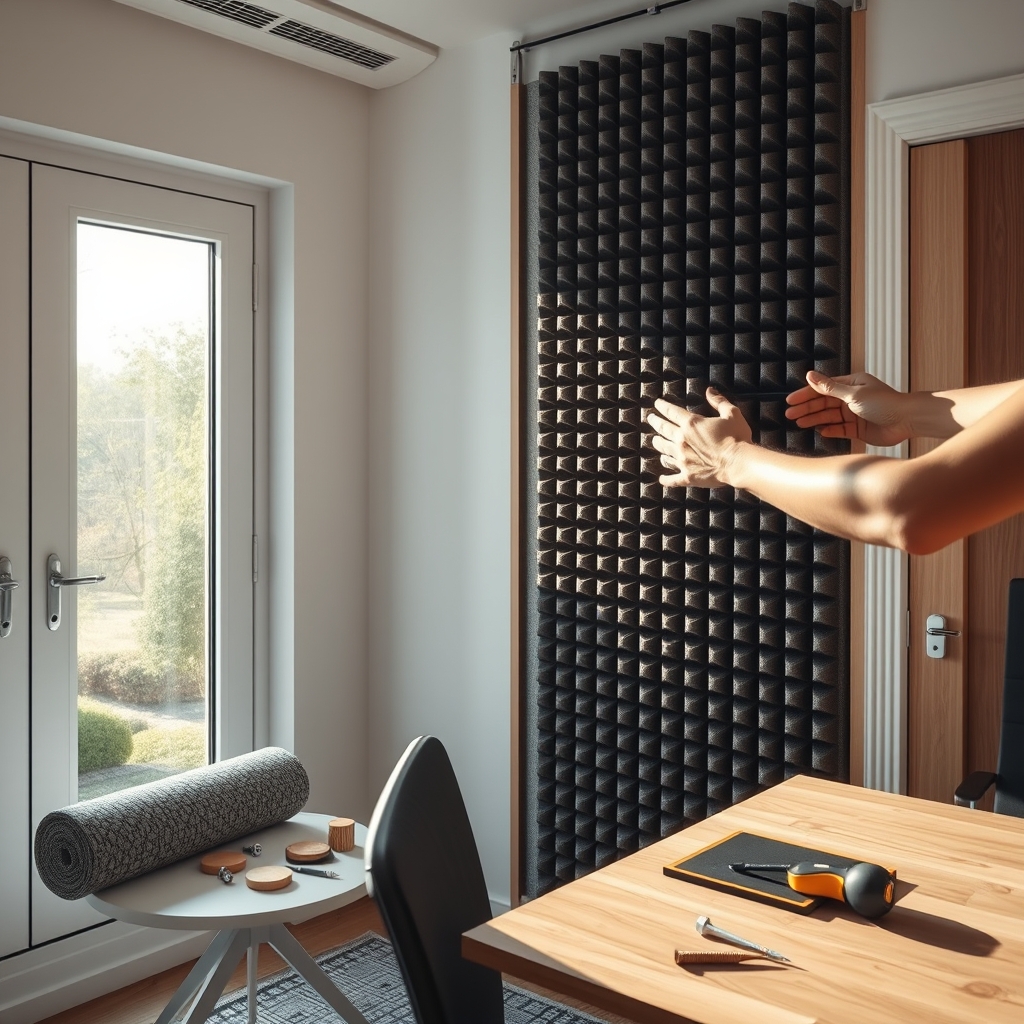
- Download a free decibel meter app for your smartphone (like “Sound Meter” on Android or “NIOSH SLM” on iOS).
- Pick a test audio source: your own voice, a YouTube “office hubbub” sound, or a neighbor’s TV. Record the dB level at your normal desk position, then outside the door if you can.
- Install or arrange your fix (panel/curtain/bookshelf).
- Repeat your measurements with the same setup.
- Document both the dB number and your perception: Is it easier to hear detail? Quieter? Sharper?
Download a printable worksheet to track your tests (or use a simple notebook). This gives you evidence that your money is well spent and builds a case for future upgrades. Competitors rarely discuss this—testing is your advantage!
For ongoing improvement
- Start with affordable DIY fixes, then upgrade to professional or design-forward solutions as your needs grow or budget allows.
- Always consider room aesthetics—fabric-wrap panels can double as art, and clever furniture moves won’t make your office feel like a sound lab.
- For more ideas on upgrading other areas (like laundry, floors, or heating), see our ventless washer dryer guide or how to choose the best LVP flooring for quiet, resilient surfaces.
Advanced Analysis & Common Pitfalls
Most mistakes come from expecting too much from a single product, spending on “bargain” materials, or overlooking aesthetics and installation hassle. Here are the big roadblocks:
Common Pitfalls Table
| Fix | What It Does Well | What It Won’t Do | Est. Cost | Upgrade Path |
|---|---|---|---|---|
| Acoustic Panels (Foam) | Reduce echo, absorb high/mid sounds | Will NOT block outside/neighbor noise or bass | $20–$50/panel (DIY cheaper) | Add denser fiberglass, upgrade to pro finish, combine with barriers |
| Heavy Curtains/Rugs | Cheap, quick echo fix, look nice | Minimal outside noise block, limited bass | $30–$200 | Layer with panels, add window plugs, upgrade rug size/thickness |
| MLV/Wall Upgrades | True noise block, durable | Permanent, costly, thick walls steal space | $200–$1,200+ | Only if you own the space or as a last resort for chronic noise |
| Egg Crate Foam/”Egg Cartons” | Virtually none—myth | No measurable effect on isolation, ugly | $10–$40 | Skip—go straight to purpose-made absorbers |
Research shows: “Acoustic foam… is great for reducing high frequency noise, but its absorption benefits stop there.”[source]
DIY panels with rockwool or fiberglass outperform foam for echo control, but many homemade builds end up looking rough, shedding dust, or sagging over time. Prefabricated panels cost more—but come with proper enclosures, more color/design options, and safety certifications. According to industry research, “DIY solutions often lack professional results, and competitors rarely discuss long-term performance and sustainability.”[source]
If you want your fixes to look great in a call background, shop for fabric-wrapped or printed panels that double as art. For temporary or renter setups, all fixes should be reversible or install without drilling holes. Layering is always key—there’s no 100% fix for a tough acoustic problem, but every method adds up.
Durability, maintenance, and sustainability
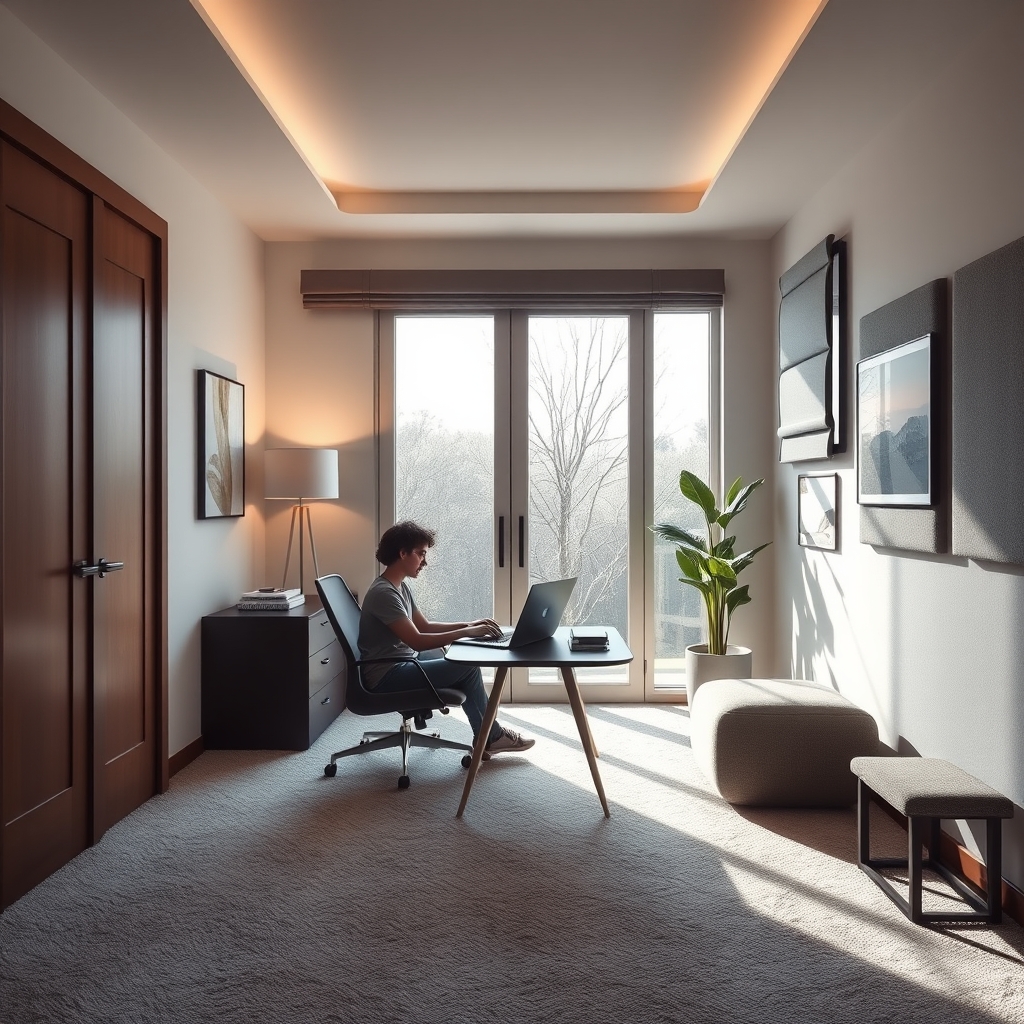
High quality acoustic panels home office made from dense fiberglass or recycled PET can last for years—often a decade or more without “sag” or performance loss. Foam degrades and discolors; look for low-VOC finishes and covers that resist dust. Fabric can be vacuumed or spot cleaned. When evaluating eco-friendliness, check for recycled core materials and products designed to minimize plastic waste or fit a circular economy.[source]
Warranty varies—many premium panels come with 3–10 year guarantees. If panels get damaged or overly dirty, recovering them with new fabric can add years of life. Ask sellers about refurbishment or recycling programs before buying.
Top user complaints and workarounds
- Cost: Combine DIY and budget prefab for coverage. Shop sale sections or request test samples, which are sometimes free or discounted.
- Aesthetics: Hide panels with custom frames, print favorite photos on fabric, or choose branded decor panels.
- Install/space: Use modular panels that snap together or stand up without mounts. For thin-walled offices, beware of losing square footage to multiple wall layers; keep upgrades as slim as possible.
Costly pro-grade materials like Mass Loaded Vinyl and damping compounds are generally reserved for severe or chronic issues—match your solution to your actual noise problem, or you’ll waste money.
Other practical guides you might like: garage organization on a budget and the small bathroom cost breakdown for creative solutions in limited space.
Conclusion
Effective home office soundproofing is possible on any budget and skill level—as long as you match your fixes to your true problem. Start by tackling echo with rugs and panels, then move to insulation and dense barriers if you hear noise through walls or windows. Always test and document changes, and invest in sustainable materials for the best long-term results.
Ready to get started? Diagnose your main distraction, try the listed budget-friendly fixes this weekend, and upgrade only as needed. If you get stuck, book a free consult with an acoustic pro for tailored advice.
FAQ
What’s the fastest way to reduce echo in my home office?
Add a thick rug and a few large, soft items (like filled bookshelves or cushioned chairs). Then place 2–4 acoustic panels at ear height on the walls where sound bounces the most.
Can I really soundproof a room cheaply?
You can reduce noise cheaply by layering rugs, curtains, and sealing gaps with weatherstripping, but true sound isolation (blocking outside noise) is rarely “cheap” and often needs heavier or pro-installed materials.
Are acoustic foam panels as good as fiberglass or professional panels?
No. Foam only works on high frequencies and offers limited absorption. High-density fiberglass or pro panels control a wider sound range and last much longer.
How do I test if my soundproofing fixes worked?
Use a phone decibel meter to record the average noise before and after your changes using the same test source. Note not just dB reduction, but also clarity and comfort on your calls.
Will egg carton foam really help?
No. Egg cartons and basic foam packaging don’t significantly reduce noise or echo. Invest in purpose-built acoustic panels for proven results.