

Table of Contents
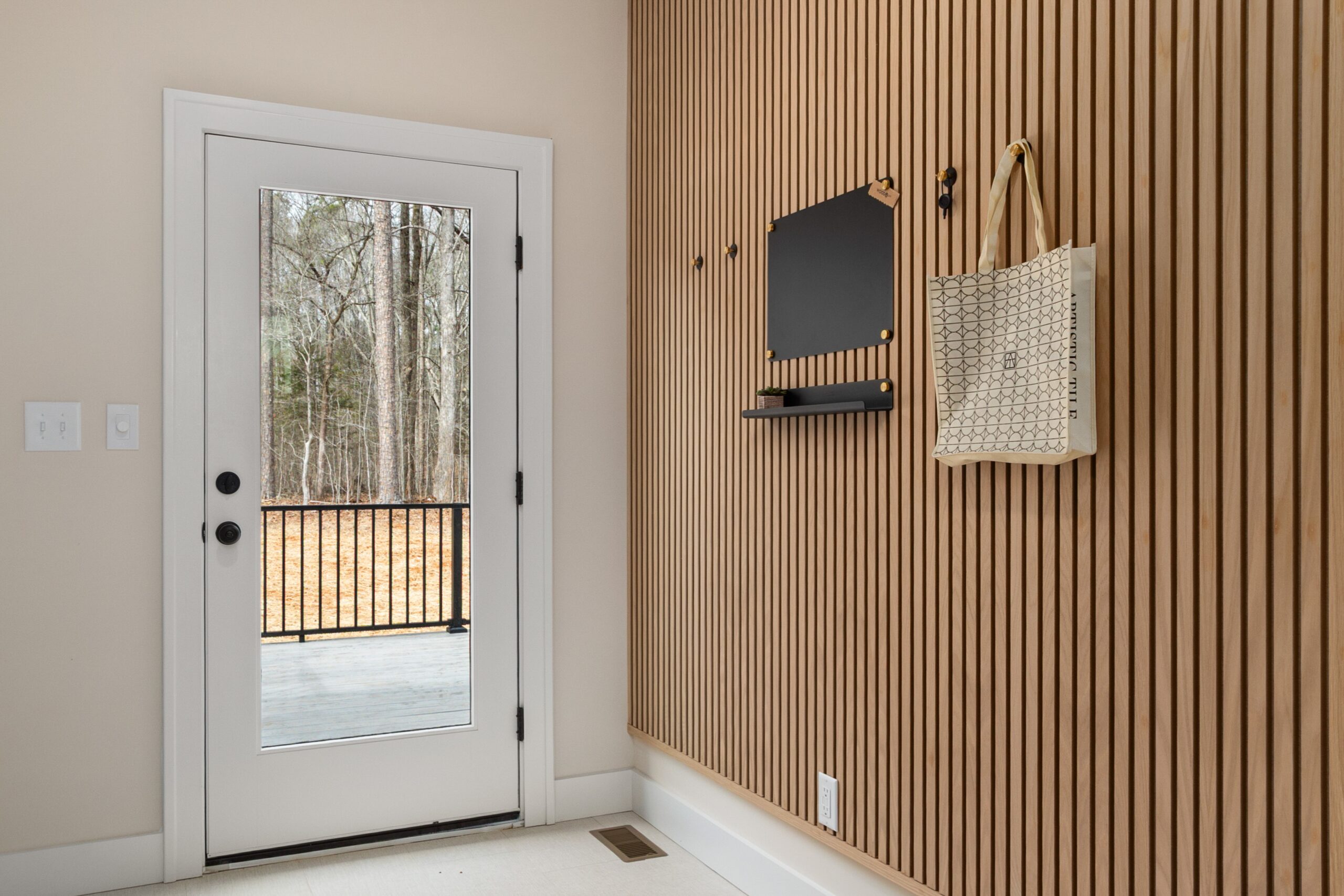
Fluted wall panels are a design-savvy way to transform any living space, bringing texture, dimension, and acoustic benefits that go far beyond basic paint or wallpaper. Homeowners and renters increasingly choose fluted wall panels to get a modern, luxe look—without the hassle and risk of trendy finishes that don’t last. This guide gives you the honest, actionable details you actually need: real-world costs, material durability, installation pitfalls, and inspiring accent wall ideas for every room.
Key Takeaways
- Fluted wall panels deliver modern aesthetics, texture, and sound dampening—plus boost property value when done right.
- Material choice (MDF, wood, WPC, or PVC) directly impacts price, durability, moisture resistance, and ongoing maintenance needs.
- Prepping your substrate and picking the right fastener system are make-or-break factors for a flawless, long-lasting result.
Why Fluted Wall Panels Are Trending: Modern Aesthetics Meets Function
Fluted wall panels have exploded in popularity among homeowners for two big reasons: they look incredible and actually solve functional problems paint or flat boards can’t touch. Their signature grooved profile adds depth, shadow, and a tailored rhythm to any accent wall. But there’s more: those grooves help deaden sound, making rooms quieter and cozier—especially with acoustic-rated panel options.
From minimalist living rooms to moody entryways, fluted panel accent wall ideas flourish because this trend is endlessly customizable. Wood, MDF, WPC, and PVC panels come in a wide palette of finishes to match traditional, midcentury, and ultra-modern décor styles. The decorative wall panel market is growing at 4% each year and set to surpass $18 billion by 2035, with North America and Europe leading the demand for textured, sound-enhancing finishes [market report].
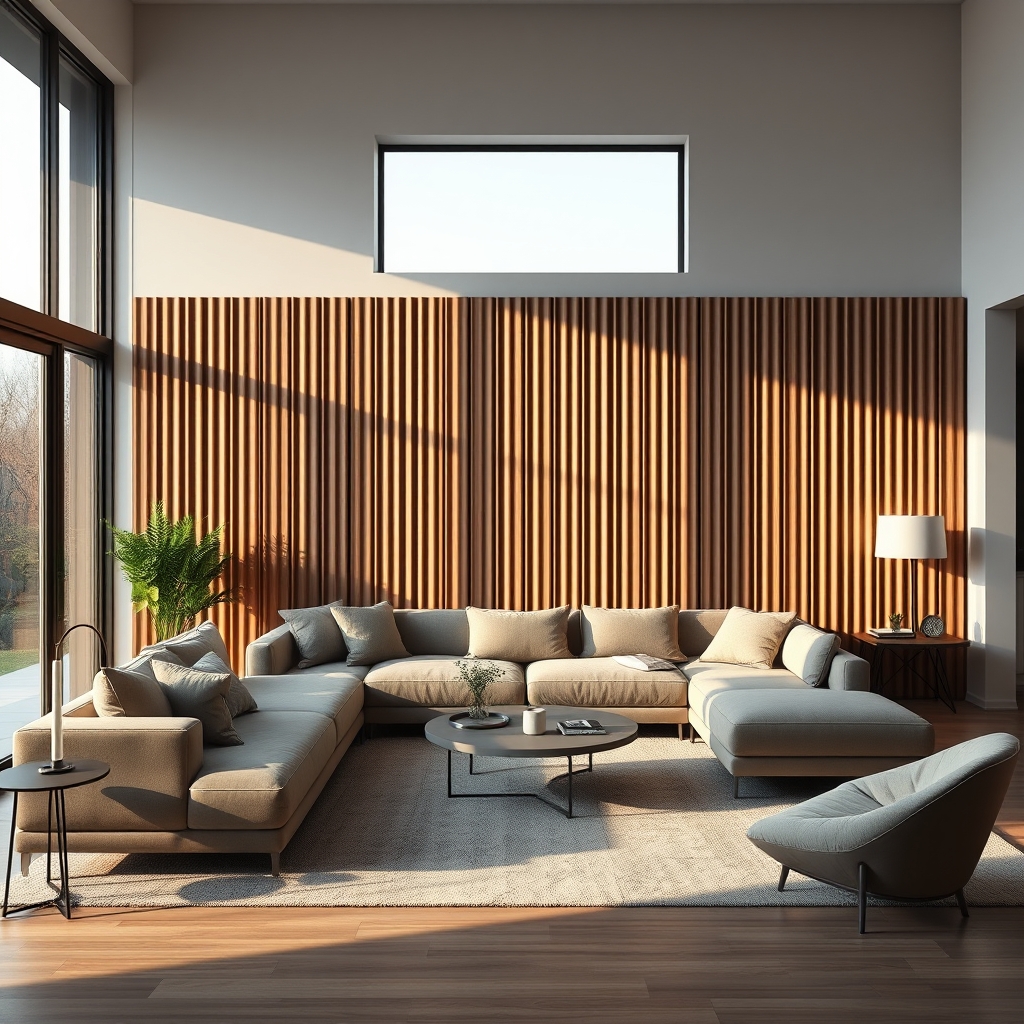
The key: Fluted panels aren’t just about style—they’re highly versatile. Use them as a living room statement wall, kitchen island surround, entryway focus, or even a bathroom feature if you choose a moisture-resistant material.
How to Choose, Prep & Install Fluted Wall Panels (Step-by-Step Guide)
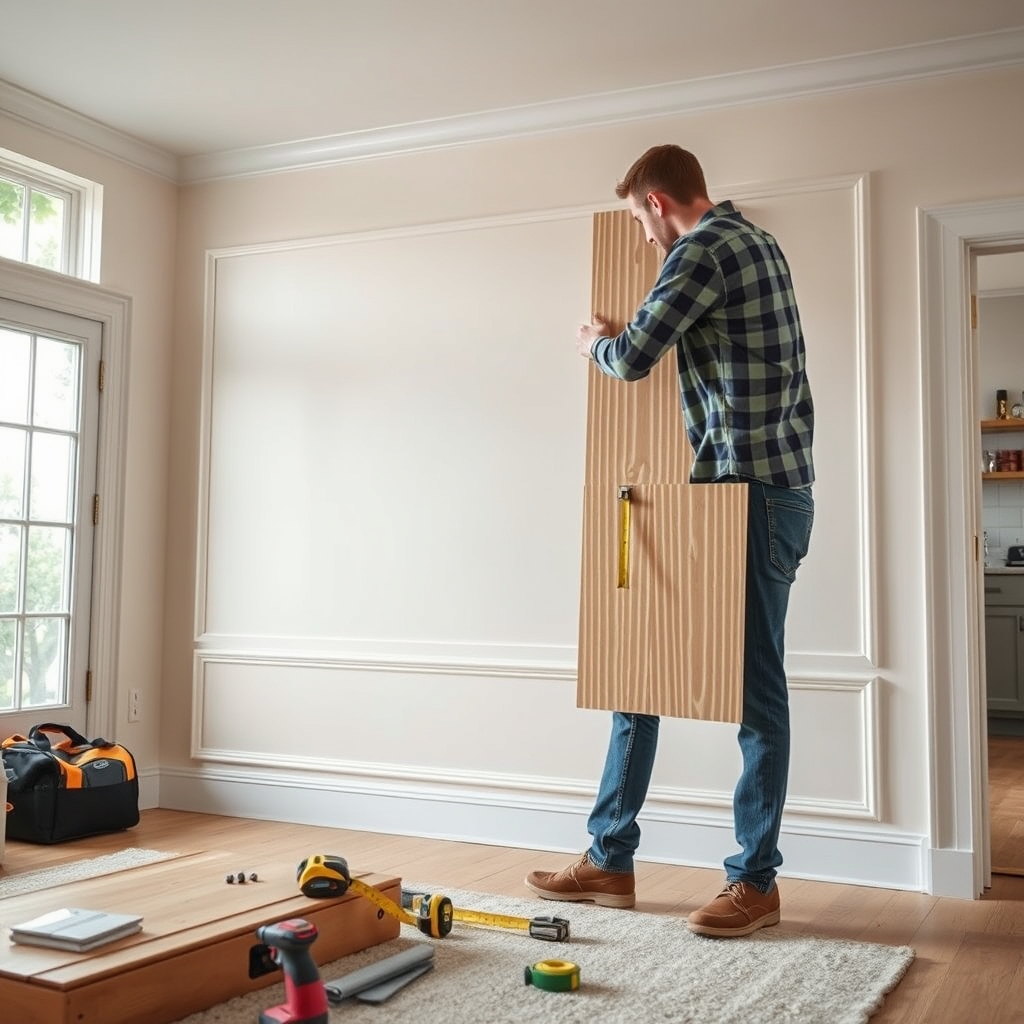
If you’re moderately handy, you can tackle a fluted panel wall installation with smart planning and a few pro trade secrets. Here’s a realistic, room-by-room approach for success:
- Decide on material by location and use:
- MDF: Best for dry spaces (living, bedroom) and when you want a painted finish. Budget-friendly, but avoid wet rooms—MDF swells in humidity. Try LVP flooring if you want wood look plus waterproofing underfoot.
- Natural wood: Luxe and timeless, but needs regular refinish in high-traffic or damp spots. Adds warmth; great for living rooms or high-end showcases.
- WPC (wood-plastic composite): Moisture-resistant, perfect for kitchens, baths, or laundry. Tough enough for busy households.
- PVC: Lightweight, very water-resistant, and low maintenance. Ideal for baths and busy kitchens. For other renter-friendly or fast upgrades, check out peel and stick backsplash.
- Calculate your project cost:
- Standard 4×8 ft MDF panels: $60
- PVC or WPC panels: $85–$95 (per sheet of similar size)
- Hardwood or custom: $140–$150 per panel
- Premium acoustic (fiberglass core): $120–$130 per sheet for serious sound absorption
Don’t forget adhesives, fasteners, and (if you hire out) pro labor. For elaborated cost breakdowns on related projects, see outdoor kitchen cost.
- Prep your surface thoroughly:
- Check moisture level: Substrate (drywall or plywood) should measure 6 to 9% moisture content—use a pin moisture meter.
- Ensure flatness: Fill and sand bumps, dust off completely.
- Prime with a moisture sealer if humidity is an issue.
- Choose an easy, low-maintenance mounting system:
- For DIY: Use construction adhesive or concealed clip systems (great over drywall and means you won’t see screw heads).
- For flexibility: Spring-clip or French cleat systems let panels move with temperature swings, reducing future warping.
- In bathrooms or kitchens: Favor adhesive mounting on a pre-sealed wall for max moisture resistance. For similar “hidden” upgrades in tight spots, see under cabinet lighting.
- Cut, fit, and finish:
- Measure and mark panel heights, always allowing a 1/8 inch expansion gap if using wood or composite.
- Use a fine-tooth saw for clean edges.
- Consider decorative fluted panel trim for a seamless, high-end look at edges and corners. See small bathroom renovation for trim/finish ideas.
Style inspiration: Try a vertical fluted panel accent wall behind your TV for visual interest and echo reduction, or wrap your kitchen island for an Instagram-worthy centerpiece with moisture-resistant WPC or PVC. For renters or anyone worried about reversibility, removable clip systems or floating panel frames are worth it.
Realistic Pitfalls, Cost Table & Material Comparison: What Can Go Wrong?
Even the trendiest fluted panel wall can end in frustration if you ignore key technical details. Here are common pitfalls and data-driven solutions—plus a real-world cost and performance table so you know what to expect.
Most-Reported Homeowner Pain Points
- Warping & Swelling: Moisture is the #1 cause. MDF and natural wood are vulnerable if not sealed and installed on a dry substrate. Solution: moisture-barrier finishes, factory-sealed WPC or PVC, and monitoring substrate with a moisture meter.
- Ugly Fasteners or Alignment Gaps: Visible screws and uneven seams ruin the look. Concealed clips and construction adhesive create a seamless finish.
- Difficulty on Uneven Walls: Even slight waves in old drywall make installation tough. Address lumps with joint compound and sanding before starting.
- Ongoing Maintenance: Wood needs regular refinishing in high-traffic or humid areas. PVC and WPC are nearly maintenance-free.
- Acoustic Letdown: Not all panels are created equal. Panels with acoustic backing or fiberglass cores work best for echo reduction.
Fluted Wall Panel Material Comparison & Cost Table
| Material | Typical Uses | Moisture Resistance | Acoustic Rating | Maintenance Needs | Approx Cost (4x8ft) |
|---|---|---|---|---|---|
| MDF | Living rooms, accent walls | Low (swells if unsealed) | Good (acoustic available) | Repaint if chipped | $60 |
| Hardwood | Luxury spaces | Low (unless marine-treated) | Good | Refinish in heavy use | $140–$150 |
| WPC | Kitchens, bathrooms | Excellent | Okay | Wipe clean | $85–$95 |
| PVC | Baths, laundry areas | Excellent | Fair | Minimal—just cleaning | $85–$95 |
| Acoustic (fiberglass core) | Home offices, media rooms | Good | Best | Dust if exposed backing | $120–$130 |
For even more info on material science and moisture risks, see this technical bulletin (pdf).
For small-space upgrades or high-traffic zones where style and ruggedness both matter, check out related solutions like modular closet systems.
Conclusion
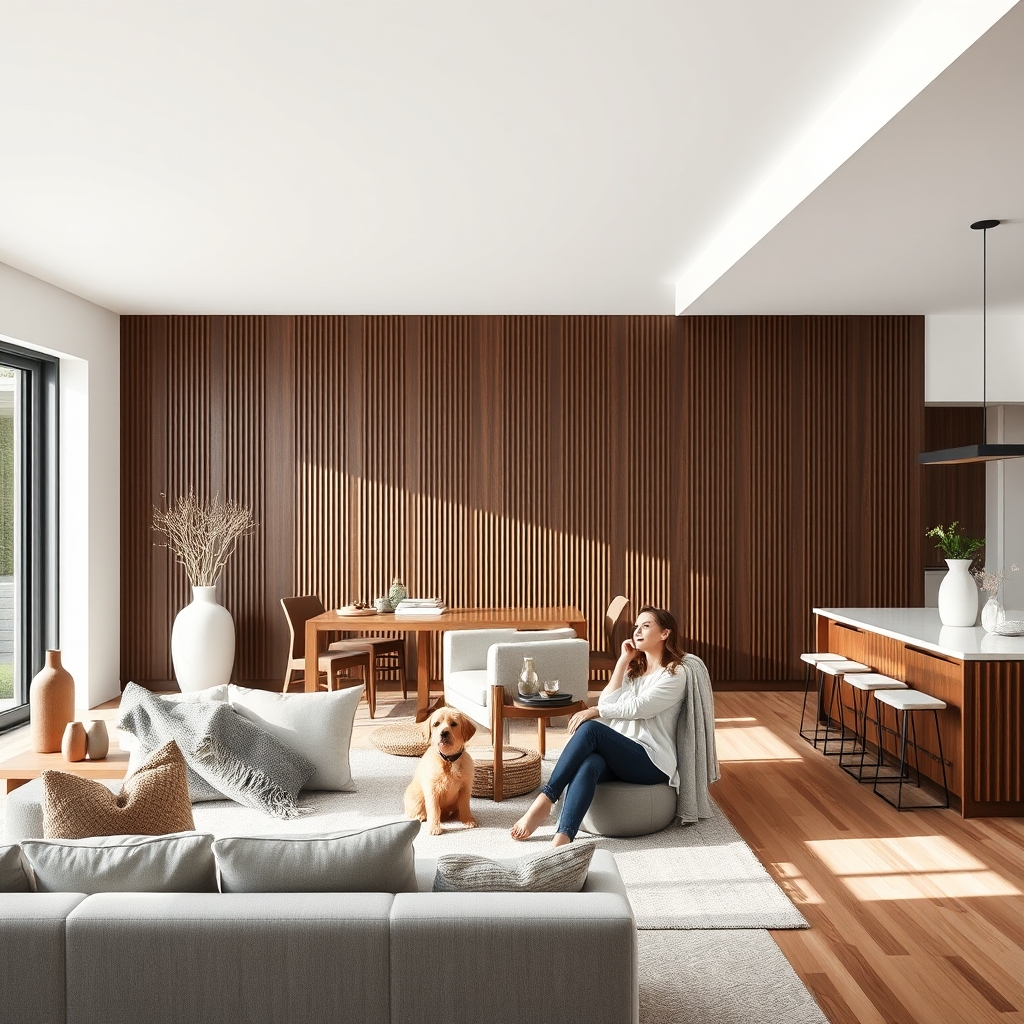
When you cut through the trend hype, the best fluted wall panels combine showstopping looks, hard data, and proven longevity—if you match material to room, check your substrates, and use the right fastener system. PVC and WPC panels win for low maintenance in wet zones, MDF keeps costs down where humidity isn’t a factor, and wood or acoustic slat panels bring true wow factor—just understand the trade-offs. With honest prep, your fluted wall panels will elevate your home’s style, peace, and long-term value.
Ready to get started? Shop smart, prepare your space well, and use this guide to choose the ideal fluted wall panel for your next room upgrade.
FAQ
Are fluted wall panels easy to install for DIYers?
Most moderately handy homeowners can install MDF, WPC, or PVC panels, especially with adhesive or concealed clip systems on flat walls. Challenging walls or large feature zones may need a pro, especially for hardwood or acoustic slat installations.
Which fluted wall panel material works best in bathrooms or kitchens?
WPC and PVC panels are best for high-moisture areas like bathrooms, laundry zones, and kitchen backsplashes. They resist swelling, warping, and staining much better than MDF or natural wood.
How do fluted wall panels improve acoustics?
The grooved profile scatters and absorbs sound waves, shrinking echo and noise. Acoustic-rated panels (especially with fiberglass backing or felt) work best for home offices, media rooms, or kids’ play areas.
How much do fluted wall panels cost to install?
Material costs vary from $60 per basic MDF panel up to $150 for premium wood or $130 for top-tier acoustic panels. Add $2–$7 per square foot for professional installation if you’re not DIYing.
What maintenance do fluted wall panels need?
PVC and WPC just need occasional cleaning with non-abrasive products. MDF may need touch-up paint. Hardwood panels require regular dusting and periodic refinishing in busy or damp areas.