

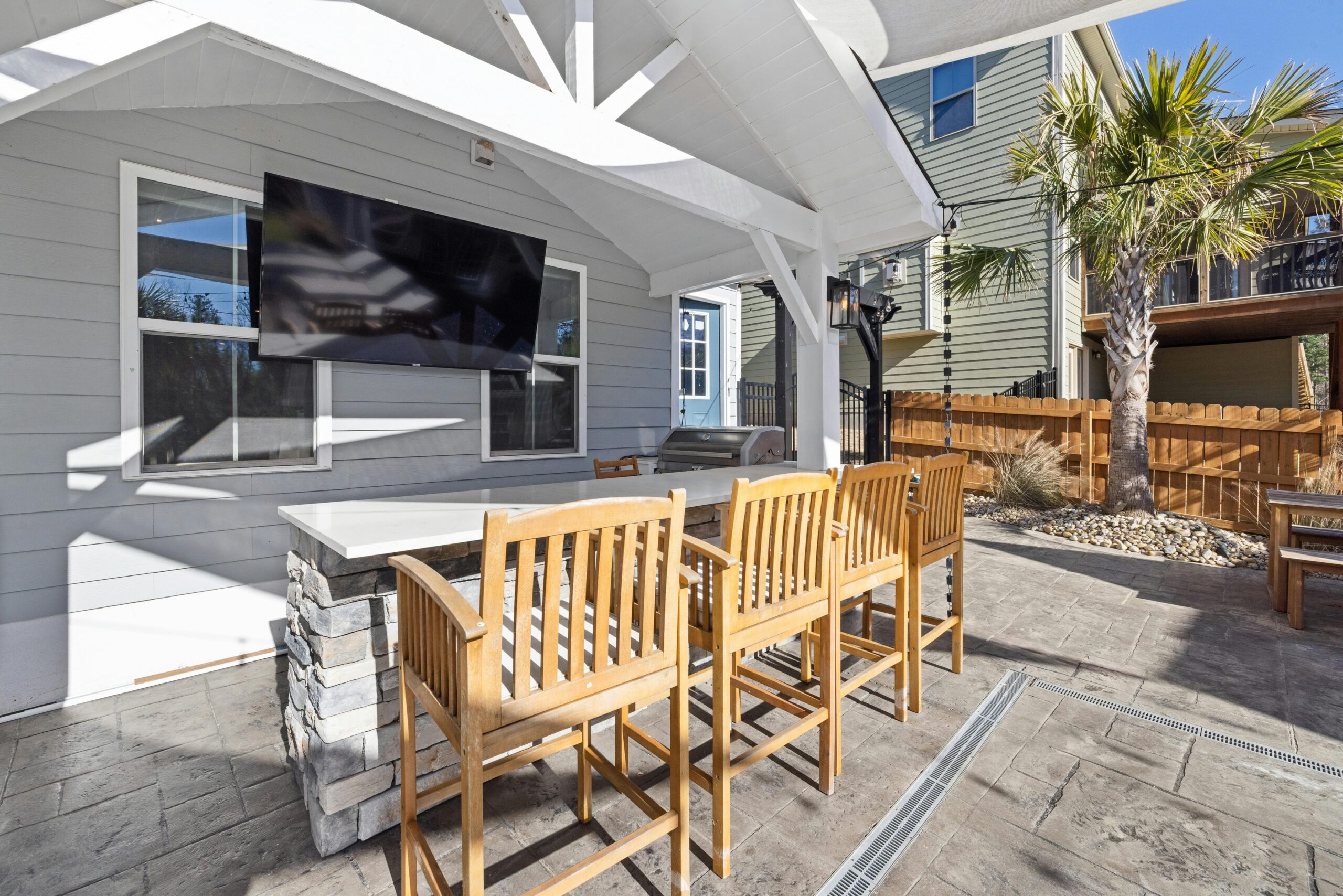
Outdoor kitchen cost is the first question homeowners ask before turning their backyard dreams into reality. In 2024, getting a realistic, line-item budget—plus clear rules for avoiding common overruns—means the difference between a smart upgrade and an expensive headache.
Key Takeaways
- Expect to spend $6,000–$30,000 on a modular outdoor kitchen, while custom masonry builds often exceed $30,000.
- Labor, major appliances, and utilities are the biggest drivers of outdoor kitchen cost—surprises are common without a detailed plan.
- Use a customizable checklist to decide between prefab kits vs custom build, and always add a 15% contingency for budget shocks.
Quick cost snapshot: how much you should actually budget in 2024
Set your expectations before you get attached to photos. The headline outdoor kitchen cost for 2024 runs from about $6,000 to $30,000 for modular systems. Custom masonry and built-ins, especially with premium finishes and appliances, regularly exceed $30,000. Average project cost lands between $6,285 and $26,925 with a common midpoint around $16,424. Labor alone generally runs $33 to $130 per square foot. Decide whether you want a plug-and-play modular setup or a true custom build—your budget, timeline, and future flexibility depend on it. (Source: HomeAdvisor)
Modular vs. custom — direct cost breakdown (materials, labor, install)
Know exactly what you get for your dollar:
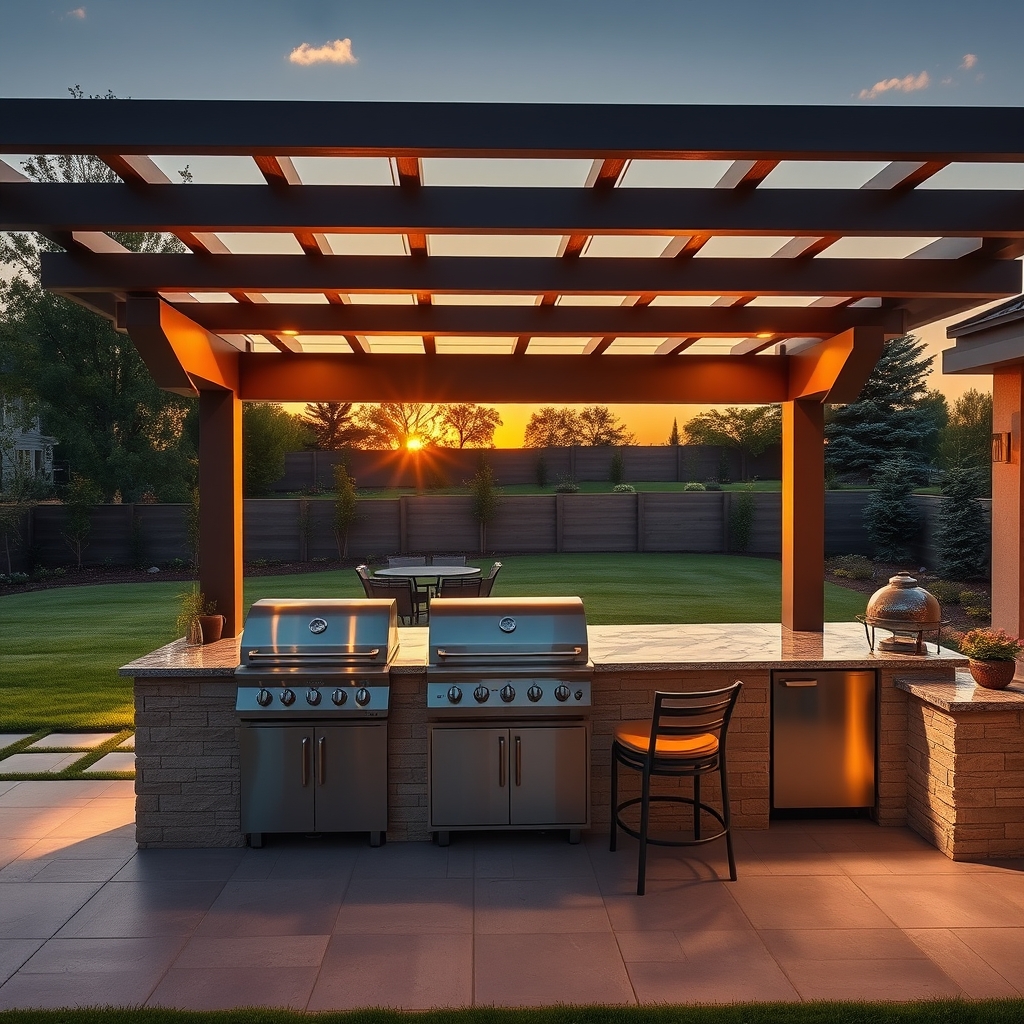
- Modular outdoor kitchen kits: Prefabricated cabinet bases, standard countertop slabs, pre-cut appliance bays. Lower cost, faster install, but choices are limited to preset shapes and finishes. Structure and cabinets are often powder-coated steel or aluminum, with synthetic or stone veneer cladding.
- Custom backyard kitchen builds: Frame-and-masonry construction, any layout, true customization, premium finishes (real stone, tile, poured concrete, or stucco), and all appliance options. Higher labor spend and more trades involved.
Line item cost escalators: For prefab: upgrades (stone counters, grills, fridge, sink hookups); for custom: site work, unique finishes, multi-appliance/zone installs. Prefabs cost less overall, with labor usually 20–40% of your project. Custom means more surprises (but also more value when done right).
Structural materials, framing, and countertops (what to budget)
Outdoor kitchen performance depends on materials—indoor-rated parts quickly fail outside. The best outdoor kitchen cabinets use marine-grade stainless steel or powder-coated aluminum for durability, although robust modular steel frames with faux or real stone veneer work for most climates.
- Drawers/cabinets: $900–$4,000 (higher for marine-grade options or custom carpentry)
- Countertops: $40–$200 per square foot. Granite and soapstone are popular, but concrete remains a top pick for outdoor kitchen ideas on a budget (about half the price of granite).
- Porcelain slabs cost more to install but slash maintenance time and cost.
Think long-term—weather destroys bargain cabinetry and porous counters. Sealed, outdoor-rated finishes save on repairs and replacements.
Appliances & built-in grill — the single biggest variable
Appliances can break your budget fast. Entry-level built-in grills run $1,500; premium units with rotisseries, smokers, or high-output burners range up to $20,000. Outdoor refrigerators, sinks, and ice makers are extra: appliances for a fully equipped custom kitchen add $5,000–$15,000 easily. (Source: Backyard Discovery)
Consider:
- Entry: Single grill, drop-in sink, basic undercounter fridge.
- Mid: 2–4 burners, smoker, side burner, weather-sealed fridge drawer, premium faucet, vent hood.
- Premium: Hi-tech grills, pizza oven, ice maker, outdoor-rated wine cooler.
Integration costs for built-in appliances include venting, cutouts, waterproof cabinetry, and weather protection. Choose fuel (gas/propane/charcoal/induction) to match your cooking habits—built-in gas is standard, but hybrid setups are rising.
Pizza ovens & specialty cooking add-ons — price + space/vent needs
Outdoor kitchen with pizza oven is a popular upgrade. Costs vary dramatically:
- Modular kits: $500–$3,000 (drop-in, basic venting, less thermal mass)
- Premium or masonry: $1,800–$7,000+ (insulated domes, wood/gas combo, custom facing)
- Vent hoods: $2,000–$6,000 if under a roof or for code compliance
Only invest in premium if pizza-making is frequent—otherwise, better to divert that budget to a grill or fridge you’ll use every week. Note space and vent requirements; crowded layouts boost labor and utility routing bills. For more on backyard entertaining ROI, see outdoor kitchen design.
Utilities: gas lines, plumbing, electrical and permits (true costs)
Running new lines is where many budgets run off track. On average:
- Gas lines: $12–$25 per linear foot
- Electrical wiring: $4–$9 per square foot
- Outdoor outlets: $180–$350 each
- Water lines: $450–$800 per fixture
- All lines run during new construction: $250–$2,000
Always pull permits for gas and water. If you delay running utilities, retrofits cost double. Plan for the future—run spare conduits now. For more ways to cut water bills, see how WaterSense fixtures work.
Labor, site prep, and hidden groundwork costs
Don’t overlook groundwork. Sloped lots, rocky soil, or aged patios mean extra demo and prep. Expect:
- Baseline installation fees: $650–$1,500
- Labor share: 20–40% of your outdoor kitchen cost
- Concrete pads or paver bases (if new): $5–$35 per square foot
- Site grading, old slab demo, or trenching for utilities can easily add another $1,000–$4,000
Remote locations and tricky access will result in higher labor hours. Site prep is the single most underestimated cost after appliances.
Most common homeowner complaints and why budgets overrun
It’s common to hear regrets right after the build. Why?
- Undercounted appliance and outdoor-rated material costs—indoor appliances fail quickly outdoors, and replacements are pricey
- Unseen utility runs—a sink, fridge, or pizza oven added late multiplies plumbing/electrical costs
- Site complications discovered late (slopes, tree roots, buried lines)
- Upgrade creep—adding features like lighting, heat, more appliance bays mid-build
- Outdoor-rated components command major premiums (think marine-grade cabinetry, GFCI wiring, venting) (Source)
Example: Homeowners often budget for a grill and basic counter, then are blindsided by a $4,000 refrigerator requirement, $2,500 for extended gas lines, or $1,800 for code-required venting. Solution: spell out every appliance and utility up front, then add at least 15% contingency.
Three crucial cost/design factors top articles miss (and how to budget them)
| Cost Factor | Why It Matters | How to Budget |
|---|---|---|
| Maintenance & Replacement | Finishes, cabinets, and appliances outdoors wear out much faster than indoor versions | Add 10% of initial project value annually for replacement, sealing, or repairs |
| Outdoor-rated cabinetry | Marine-grade steel or powder-coated aluminum costs more upfront, but cheap cabinets rust fast | Allocate $900–$4,000 for quality cabinets—don’t cut corners here |
| Weather protection & ventilation | Lack of cover cooks your kitchen, ruins electronics, and shortens appliance life | Include shade (pergola, awning, umbrella) plus vent hoods if cooking under cover; budget $2,000–$8,000 for upgrades |
For more expert design ideas, see biophilic outdoor design tips.
Decision checklist — when to pick modular vs custom (rules of thumb)
Not sure which path is right for you? Use this framework:
- Your budget: Under $30,000? Modular is usually smarter. Expect $6,000–$30,000 for prefab, and $30,000+ for custom.
- Site complexity: Uneven ground, major demo, or odd shapes lean toward custom; basic patios fit modular.
- Appliance/fuel needs: Anything beyond a standard grill, sink, and fridge? Consider a custom build.
- Timeline: Need it fast? Modular kits can be up and running in days to weeks. Custom work takes months, especially with permit backlogs.
- Value add: Custom builds with premium finishes and layouts can boost resale and enjoyment, but only if your local market supports it (learn more).
Sample budget template & contingency line items (copyable)
Use this fill-in template with your target number for quick planning:
| Budget Item | Starter/Modular | Midrange | Premium/Custom |
|---|---|---|---|
| Structure & Cabinets | $2,800 | $5,000 | $9,000 |
| Countertops | $1,250 | $2,200 | $5,000 |
| Appliances | $3,000 | $7,000 | $16,000 |
| Utilities (gas, elec, water) | $1,200 | $2,000 | $4,000 |
| Labor & Site Prep | $2,000 | $4,000 | $8,000 |
| Permits & Design | $400 | $600 | $1,200 |
| Total | $10,650 | $20,800 | $43,200 |
| Contingency (15%) | $1,600 | $3,120 | $6,480 |
Plug in your priorities and adjust line items to match your vision. Appliances often tip the scales—choose carefully, and always set aside a contingency fund.
Cost-saving tactics that don’t compromise durability
- Buy appliances à la carte and track sales—skip the bundle upcharge. The savings (15–25%) can fund better countertops or an ice maker.
- Pick concrete or composite countertops for a high-end look at half the price of granite.
- Run extra utility lines during the main build, even if you won’t connect everything right away.
- Avoid rarely-used extras (warming drawers, pizza oven) if they’ll gather dust.
- Opt for pressure-treated frames with stone veneer: looks custom, costs 60% less than full masonry (source).
If durability is top priority, always check warranty terms on appliances and cabinets—not all brands meet true outdoor standards. For more smart upgrades that boost home ROI, see how net-zero ready homes work.
How to get accurate quotes and next steps (what to ask pros)
Don’t accept vague ballparks. Here’s what to ask every contractor or kit supplier:
- “Can you provide a complete, line-item quote—by appliance, structure, and all utility runs?”
- “How much is included for utility taps (gas, water, electric), and do you handle permits?”
- “What are the warranty terms on all outdoor cabinetry and major appliances?”
- “Do I need extra venting or hoods for my layout—especially if it’s covered?”
- “Who is responsible for inspections and legal compliance?”
Get at least three competing quotes. Always clarify what each covers. Running utility lines during the build (instead of later) is a major cost saver. For more on plumbing upgrades, see WaterSense-certified fixture ideas.
FAQ
How much should I realistically budget for a basic outdoor kitchen in 2024?
For a plug-and-play modular setup (grill, counter, small fridge, basic finishes), budget a minimum of $10,000–$15,000 with a 15% contingency. Add more for extra appliances or site work.
Is it worth paying extra for outdoor-rated cabinets and appliances?
Yes—outdoor-rated options last far longer. Marine-grade cabinets and sealed appliances prevent rust, water damage, and electrical failure, saving you thousands in replacements over time.
What utility costs surprise most homeowners?
Running new gas, water, or electrical lines is often underestimated. These can add $2,000–$6,000 or more depending on site access and local permit rules. Plan all runs early in your project.
When is a custom outdoor kitchen the smarter choice?
Choose custom if your site is difficult, you want unique finishes/layouts, or plan to integrate multiple specialty appliances. If you value speed or simplicity, modular usually wins.
Can I add features like a pizza oven or fridge later?
Yes, but it’s far cheaper to run lines for future appliances during the main build. Retrofitting after completion can double utility costs and require expensive demolition.