

Table of Contents
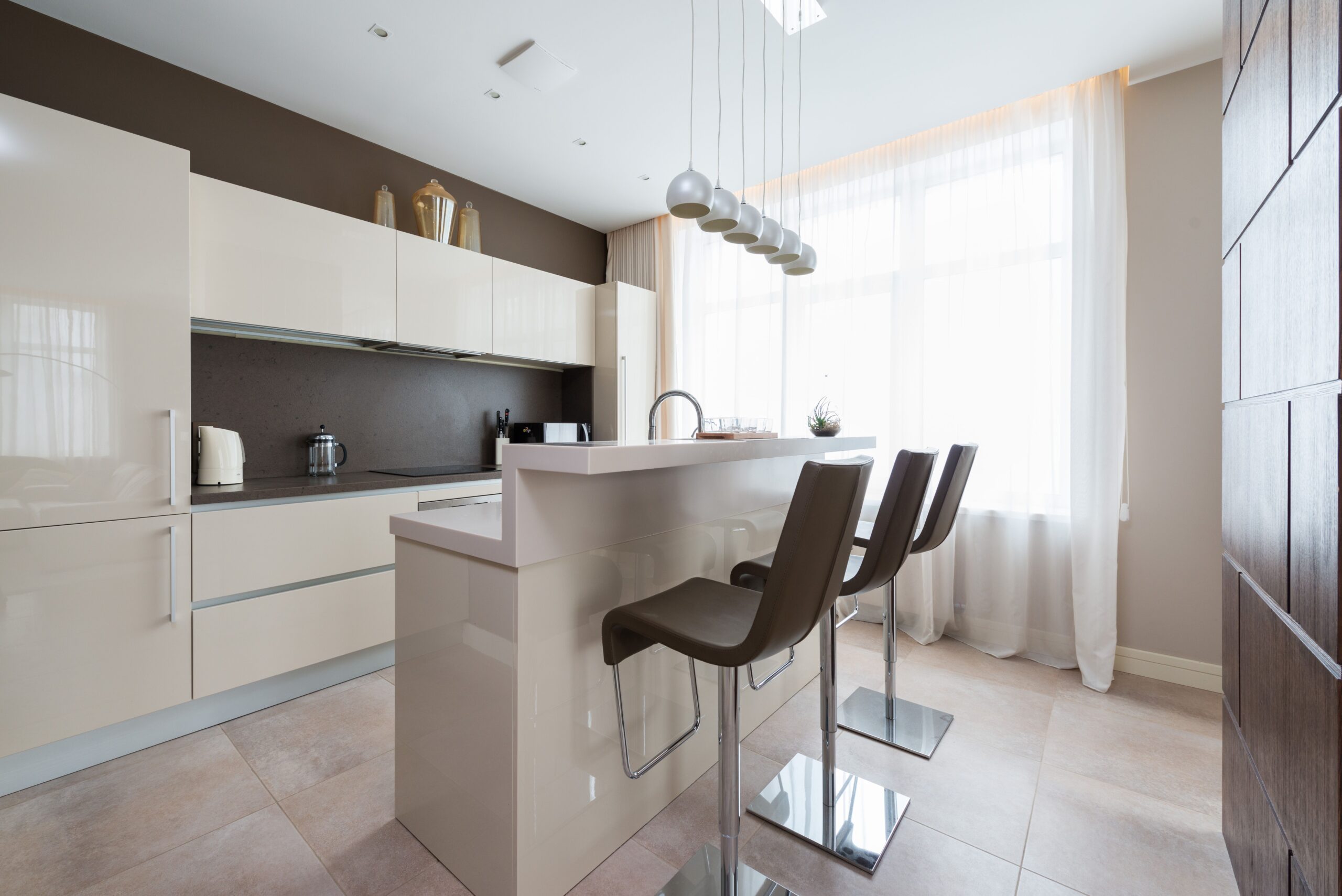
Kitchen island with seating is the single most impactful upgrade you can make to a small or mid-sized kitchen—blending meal prep, casual dining, entertaining, and added home value into one high-ROI feature. But making the right choice isn’t just about style. Trends, code changes, and hidden installation challenges can make or break your investment. Here’s how to confidently plan, install, and care for an island that enhances daily life and pays back at resale.
Key Takeaways
- Kitchen islands with seating rank as the highest-ROI kitchen update, regularly recouping over 100% of their cost at resale.
- Latest trends prioritize multifunctional, space-saving designs—even in small kitchens—while new electrical code updates require pop-up or recessed outlets.
- Avoid costly mistakes by planning for correct island sizing, proper clearances, code-compliant electrical, and ongoing material maintenance.
Why a Kitchen Island with Seating is the Ultimate Upgrade
Today’s kitchen island with seating isn’t just an extra countertop—it’s the heart of your home. Modern islands offer more than a place to prep food. They maximize limited square footage by serving as dining tables, homework stations, entertaining hubs, and invaluable extra storage. Families and guests naturally gather around an island, making it the true centerpiece—especially in open-plan homes. According to the 2025 Cost vs. Value Report and 2026 Houzz Kitchen Trends Study, homeowners report kitchen islands with seating as the top kitchen upgrade for return on investment, often generating 100% or more in recouped value at resale. Added day-to-day functionality and gathering space are repeatedly cited as the key benefits.
Kitchen Island Ideas for Small Kitchens: Inspiration and Planning
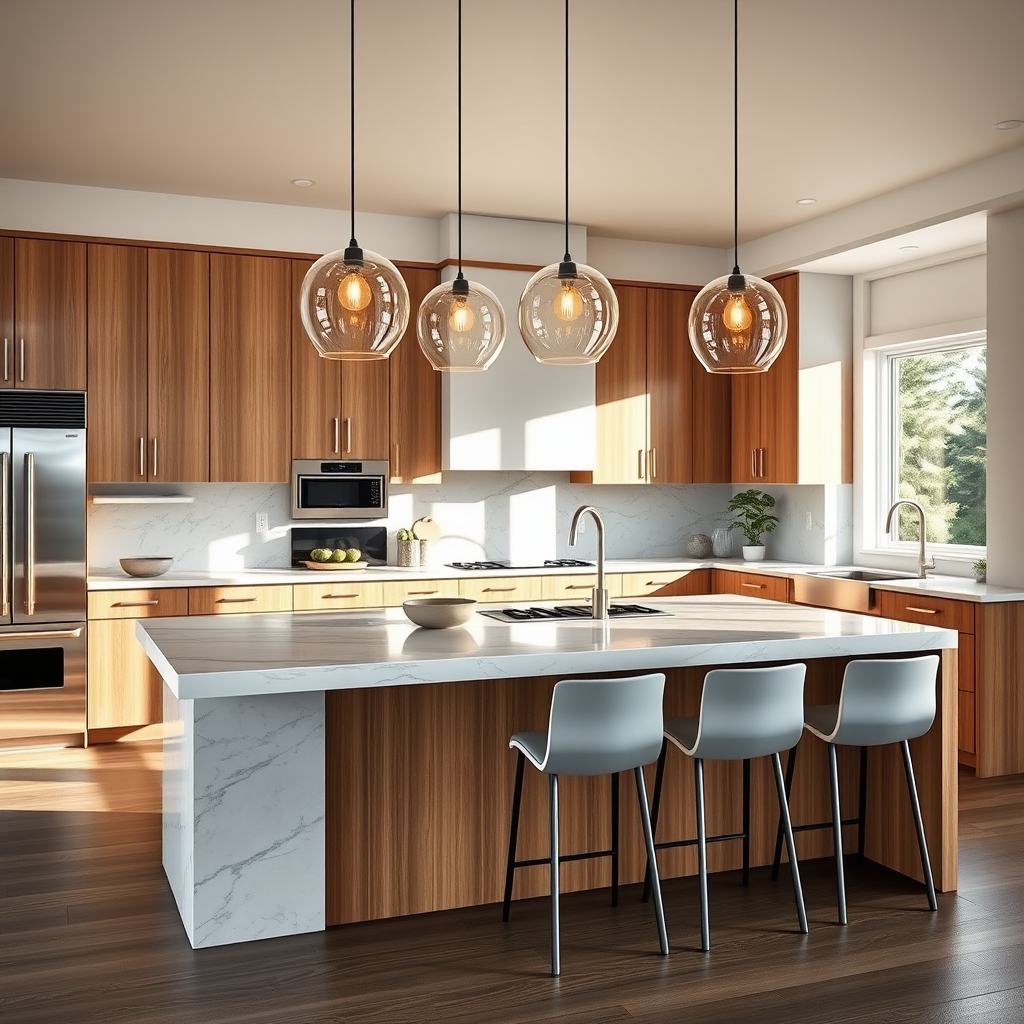
In small kitchens, every inch counts. But a smartly designed portable kitchen island with storage can unlock space you didn’t know you had. Start by measuring your kitchen—maintain at least 42 inches around all island sides for walkways, and 48 inches if you’re including seating or nearby appliances. For tighter layouts or rental spaces, consider a portable kitchen island with storage. These begin at around $300, provide extra drawers or shelves, and can be repositioned for flexibility.
Ready to upgrade? Here’s your actionable planning sequence:
- Assess your kitchen’s clear floor space and traffic patterns.
- Choose island type: permanent (built-in) or portable (movable cart or table).
- Decide how many seats you truly need—allow at least 30 inches per person.
- Select finishes and materials that match your main cabinets or add contrast, like trending wood tones.
- Account for new code-compliant outlets, especially if you’ll be using the island for small appliances.
- For built-in designs, plan for any plumbing, gas, or appliance additions up front. Get bids from qualified trades.
Space constraints? Try a narrow, rectangular island with wheels for mobile flexibility, or a furniture-style table with turned wood legs for an airy, open look, as shown in many of the latest remodels inspired by 2026 island seating design trends.
Don’t skimp on organizational features—add deep drawers, a towel bar, or built-in trash pullouts for hidden utility. And consider combining your island project with a butler pantry addition for even more functional storage.
For inspiration on stylish surfaces that don’t break the bank, see our budget kitchen refresh guide for ideas that pack a punch.
Advanced Analysis & Common Pitfalls
Planning a kitchen island with seating is not as simple as picking a Pinterest photo and calling a contractor. Savvy homeowners anticipate hidden hurdles well before demo day. Here’s what real data and renovation experience show:
- Incorrect Dimensions & Overcrowding: Many homeowners squeeze islands into spaces that are just too tight. For comfort and code, islands with seating require a minimum of 42 inches of clearance all the way around—sometimes 48 inches if appliances or large drawers open onto an aisle. Allocate 30 inches per person for seating; don’t over-cram stools, as it makes dining uncomfortable for adults.
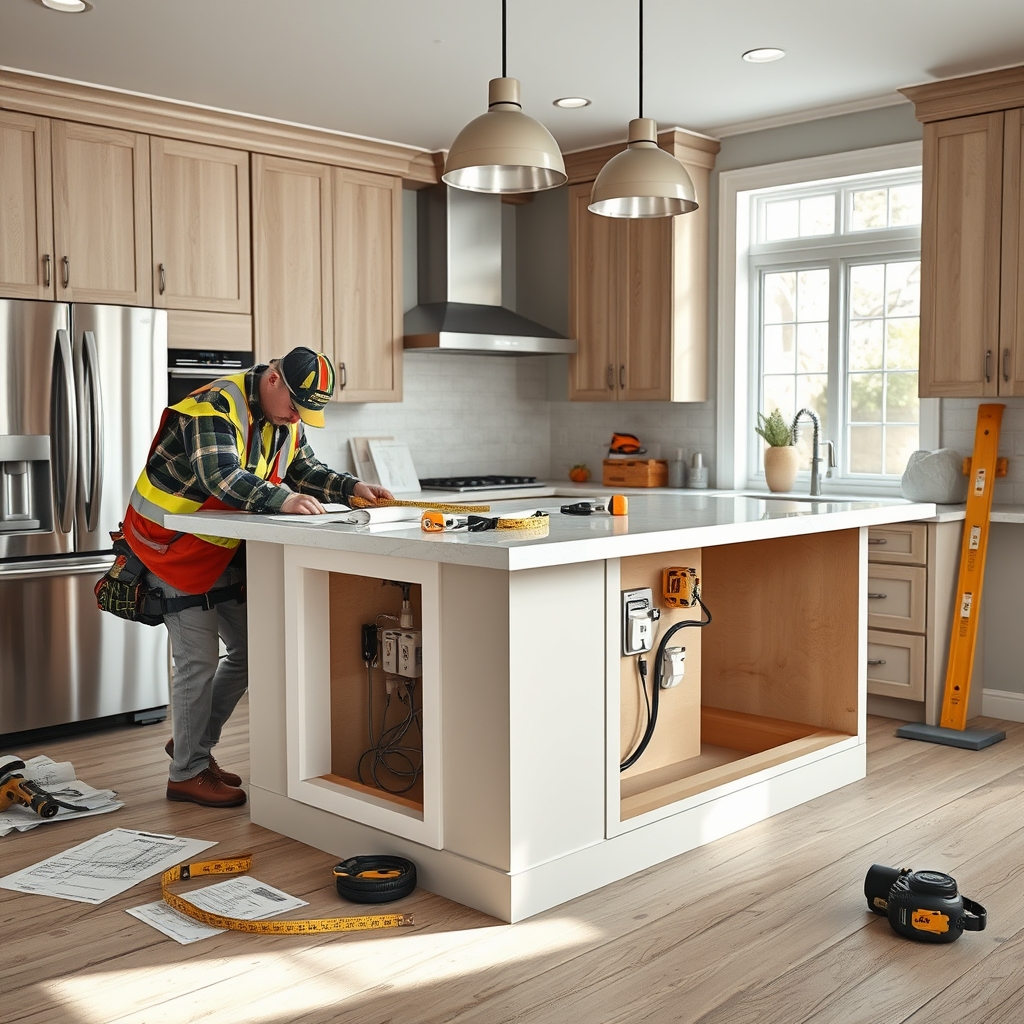
- Outdated or Non-compliant Outlets: The 2023 National Electrical Code now prohibits side-mounted outlets on kitchen islands and peninsulas. You must use dedicated pop-up or recessed outlets on the top plane or built into the cabinetry. Skipping this is a leading cause of failed inspections or expensive last-minute changes. Factor in $300–$1,200 extra for new electrical/plumbing rough-in, plus $500–$1,500 for specialized labor if adding sinks, gas, or appliances.
- Maintenance Pain Points: Granite and natural stone require resealing every 6-12 months to resist stains. Wood-topped islands, now in high demand per the Houzz study, are vulnerable to scratches and staining if not regularly oiled or sealed. If you want “maintenance-free,” opt for quartz or laminate. For stone care tips, refer to our LVP flooring guide for spill-proof home surface advice.
- Poor Lighting & Acoustics: Many DIY builds stop at simple pendant lighting. Layered lighting—under-cabinet LEDs, integrated task strips, and accent fixtures—minimizes work shadows and eye strain. Built-in appliances (dishwasher, wine cooler) introduce new noise. Request vibration-damping mounting hardware from your contractor for a more peaceful kitchen.
| Feature/Choice | Best Practice | Pitfall |
|---|---|---|
| Island Height/Seating | 36″ counter height, 12–18″ overhang, 24–26″ stools | Using bar height (42″) with wrong stools, cramped seating |
| Electrical Outlets | Top-mounted pop-up/recessed outlet per 2023 NEC | No outlet or non-compliant side-mount leads to rework |
| Countertop Material | Quartz or sealed stone for low maintenance | Unsealed granite or raw wood: stains, high upkeep |
| Lighting | Layered: task, ambient, accent; adjustable fixtures | Pendents only: shadows where you prep and eat |
| Cost/ROI | Freestanding: ~$300. Mid-range built-in: $3,000–$7,000. Fully loaded custom: $12,000–$20,000+ | Ignore install/labor; cost overruns and blown budgets |
For a cost-focused breakdown, see our external 2026 kitchen island cost guide and our own tips for saving on complex kitchen projects.
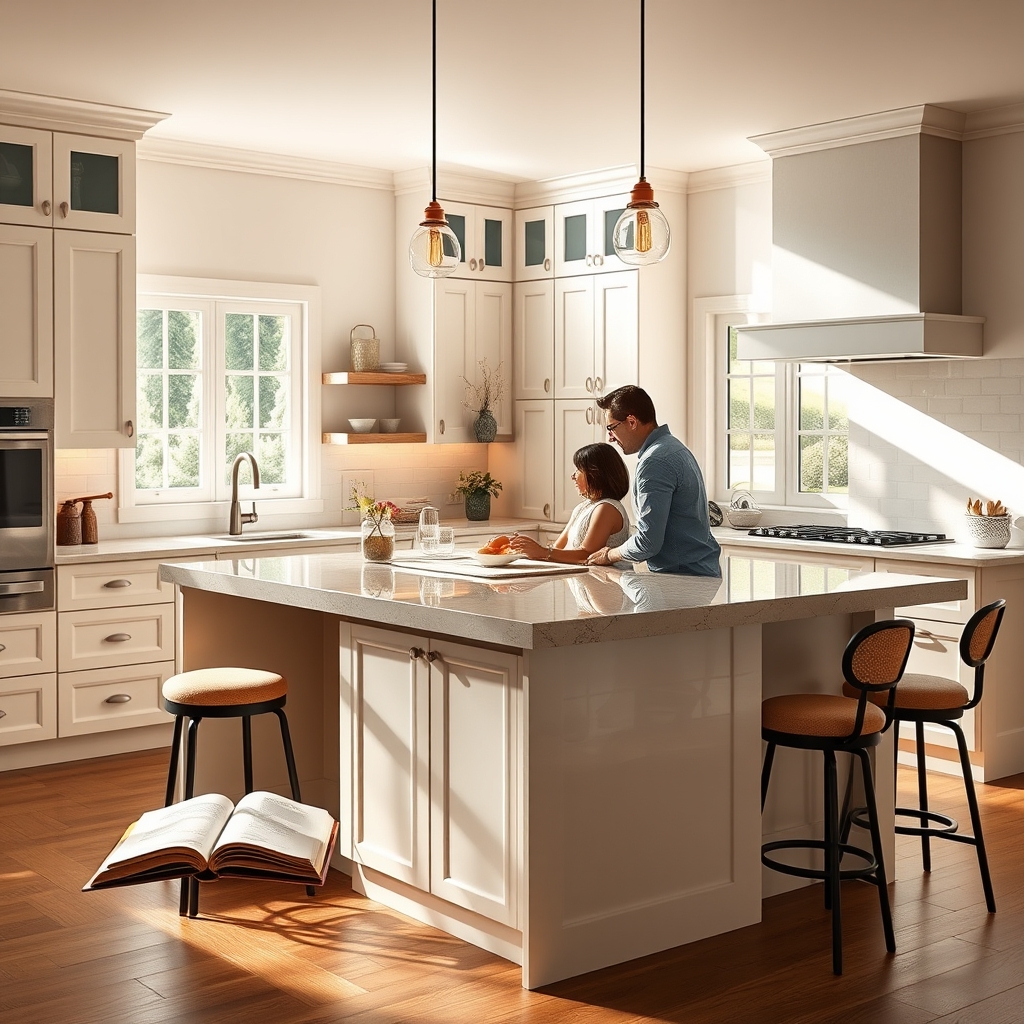
Don’t overlook adjacent upgrades that complement your project—explore floating shelves for kitchens or a modern under cabinet lighting solution to finish the look and boost both style and function.
Conclusion
A carefully planned kitchen island with seating delivers day-to-day utility, modern style, and top-shelf ROI—if you respect updated codes, real ergonomics, and long-term care needs. From portable storage carts for tight layouts to sprawling waterfall counter islands, the right design can truly transform your kitchen and fuel a higher home value. Don’t rush planning—research layouts, materials, and cost, and ask contractors about code compliance upfront. Let your kitchen island be the upgrade that fits your space and your life.
Ready to get started on your own kitchen island with seating? Download detailed checklists, see more kitchen ideas, and connect with contractors at The Home Quality. Your future kitchen starts now—make every inch and every dollar count.
FAQ
How much space should I leave around a kitchen island with seating?
Leave at least 42 inches of clearance on all sides. If your island includes seating or faces major appliances, increase to 48 inches to allow for comfortable movement.
Are side-mounted outlets still allowed on kitchen islands?
No. The 2023 National Electrical Code requires pop-up or recessed receptacles on islands. Consult an electrician before installing any outlets.
What’s the difference between counter and bar-height seating for kitchen islands?
Counter-height islands (36 inches) use 24–26 inch stools, while bar-height (42 inches) requires 28–30 inch stools. Counter-height is best for most daily activities and easier for children and seniors to use.
How do I keep my kitchen island with seating easy to maintain?
Choose quartz for low-maintenance, or if using granite/natural stone, reseal annually. Treat wood tops regularly with oil or sealant to resist stains. Wipe up spills promptly, and clean outlets regularly to prevent buildup.
Can I install a kitchen island with seating myself?
Portable kitchen islands with storage are DIY-friendly and affordable. For built-in islands with electrical, plumbing, or gas lines, always hire licensed professionals to meet code and avoid costly mistakes.