

Table of Contents
Smart bird feeder with camera is quickly becoming a must-have for tech-driven backyard birdwatchers who want hands-free bird ID, instant photo alerts, and seamless connectivity—without surprise fees or connectivity headaches.
Key Takeaways
- Netvue Birdfy leads in reliability and price, but AI bird ID and Wi-Fi connection issues remain common across brands in 2025.
- Real cost-of-ownership includes upfront device price, potential monthly or lifetime ID subscriptions, and must-have accessories like solar panels and extenders.
- For rural or power-constrained users, prioritize offline AI processing and robust solar/battery features over marketing megapixels.
Market snapshot — who’s buying and where the category is headed
Tech-savvy backyard birdwatchers aged 30 to 65 are fueling massive growth in the smart bird feeder with camera market. In 2025, Wi-Fi-connected feeders dominate, holding a commanding 62.4% of the market share (DataIntelo Report). These smart feeders connect directly to home networks, offering real-time AI identification and full HD video streams. Netvue’s Birdfy series has emerged as a leader, particularly for reliability and value, while the Bird Buddy shines for slick app experience. Other brands (like Camojojo and Hibird Pro) appeal to power users or those needing advanced connectivity. The market is still growing rapidly as more homeowners want “set-and-forget” solutions and expect accurate automatic bird identification as a standard feature.
Why a camera + AI feeder (benefits that justify purchase)
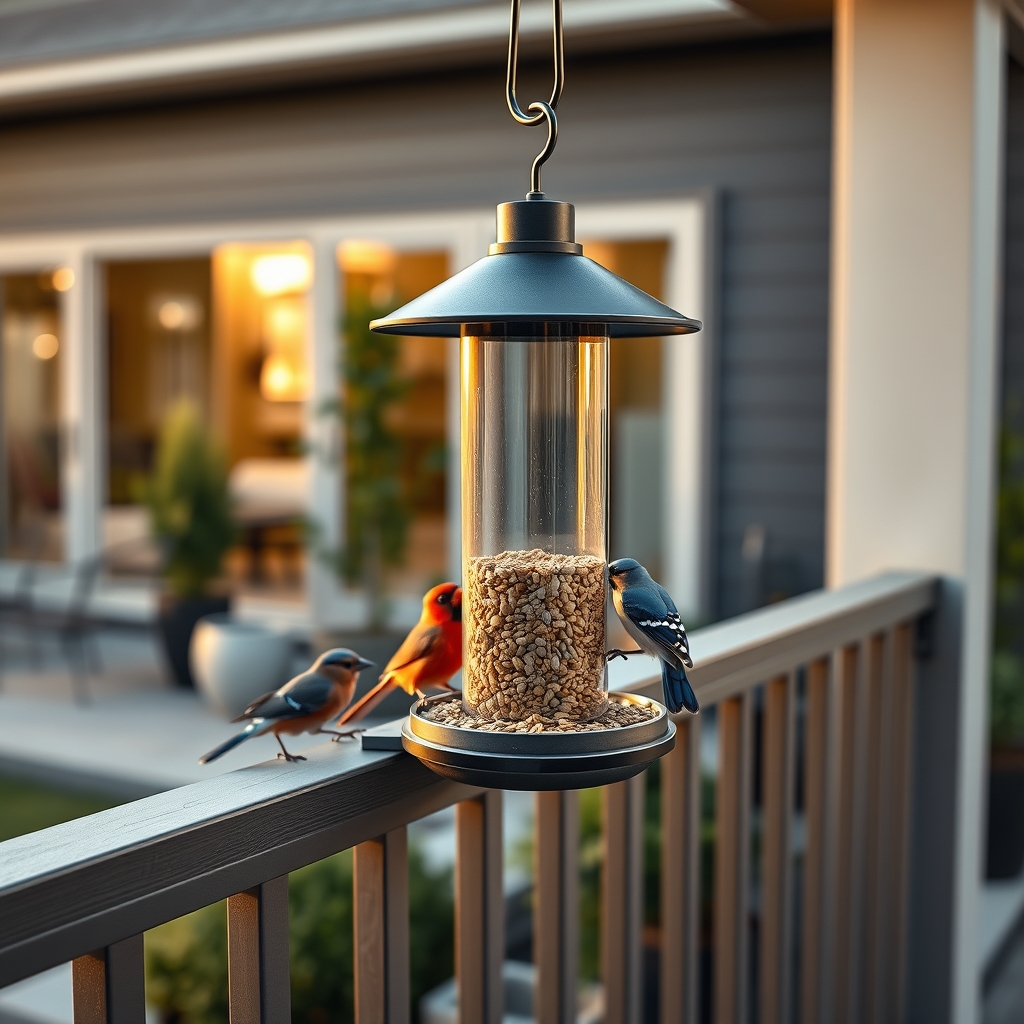
The big sell for any bird feeder camera with Wi-Fi is hands-off enjoyment: AI-powered feeders promise to spot and identify birds, snap a picture or video, and alert you instantly—no binoculars needed. The top benefits are live streaming direct to your phone, species identification with a running “bird book,” scheduling alerts for motion events, and saving highlight photos for later review. When it works, you get real value—especially for those with limited time or interest in manual birding logs. However, not all “automatic bird identification app feeder” features deliver: some models miss fast-flying birds, send false positives (wind or squirrels), or mis-ID even common species. The best Wi-Fi models support continuous video and remote monitoring from anywhere.
According to industry reports, cloud-based AI bird feeder camera identification in 2025 is only as good as your connection and the brand’s ongoing model improvements (Reviewed.com).
Quick shortlist — top-selling models and their real strengths
- Netvue Birdfy: Best all-around reliability and price; lifetime ID subscription included in some models. Con: Not the most accurate for ID but improving.
- Bird Buddy: Best app user experience; simple social sharing and “bird book.” Con: Notoriously misses some bird visits (PCMag Review).
- Camojojo Hibird Pro: Best for dual-band Wi-Fi power users; robust camera. Con: App interface is complex.
- Perky-Pet Squirrel-Resistant: Most rugged but does not automatically identify birds.
- Feit Solar Camera Feeder: Great solar stability and image sharpness. Con: App lacks cloud storage; filling seeds is clumsy.
- PeckPerk: Lower price; fast notification. Con: Accuracy issues and ID subscription fee.
- Hawkeye/Hawird: Only notable option for offline/edge AI; ideal for remote setups.
Pro Tip: Check if the model actually includes the lifetime AI ID subscription. Netvue’s Birdfy 2 Pro and Bird Buddy both offer this on select packages.
Real ownership costs — purchase price + subscriptions + accessories
The sticker price only tells part of the story. The average smart bird feeder with camera starts around $65 (on sale), with most mainstream models retailing between $100 and $190. But monthly AI subscription fees for ID are often $4.99/month, or $49–$69 for “lifetime” unlimited identification. Some charge extra (~$2/month) for cloud video storage. Must-have accessories include a wireless extender for reliable video, a solar panel ($20–$39), and a pole mount or extension ($15–$50).
Example scenario: Netvue Birdfy Feeder 2 Pro at $169 with lifetime ID included + solar panel (+$25) gives “all-in” outlay for hands-off use. But compare with Bird Buddy or PeckPerk, where skipping the yearly subscription limits species ID or AI features. Factor all this in before buying. Amazon and brand sites usually show accurate accessory bundles for budgeting.
Most frequent user complaints (and short fixes buyers expect)
Real buyers highlight the following issues, plus quick fixes learned the hard way:
- AI misidentification: Common across all brands—expect funny (but frustrating) mistakes, especially for regional or rare birds. Fix: Use in-app tools to correct wrong IDs or submit feedback so future updates improve accuracy.
- Spotty Wi-Fi connection: Most video dropouts are due to 2.4 GHz coverage gaps or too much distance from your router. Fix: Move the feeder closer or add a Wi-Fi extender. Always enable 2.4 GHz—most smart bird feeders won’t connect via 5 GHz anyway (Humbirdy Guide).
- Dead battery or short solar runtime: Units without robust battery or solar run only 20 days between charges (Perky-Pet test). Fix: Invest in an optional solar panel, keep the lens clean, and check for firmware updates that might improve sleep/power modes.
- Too many false/duplicate notifications: Motion detection is often too sensitive out of the box. Fix: Lower the sensitivity in the app and adjust notification settings.
- Tricky initial setup: Some apps/guides skip important wireless tips. Fix: Walk through full install using the troubleshooting checklist below.
Buyers expect “plug and play” but should be ready for one or two rounds of troubleshooting based on Wi-Fi strength and app quirks.
The overlooked differentiator — offline AI and power (make this a primary buying criterion)
Most smart bird feeder with camera models in 2025 depend on cloud-based AI for species identification, requiring always-on Wi-Fi. This setup is fine for suburban homes but causes issues in remote or rural locations—where Wi-Fi is unreliable or privacy is a top concern. Few vendors, notably Haweye/Hawird, offer true offline/on-device AI identification so the feeder works even offline. This not only avoids paying for AI subscriptions but also boosts reliability and data privacy. Battery/solar performance is crucial in these scenarios. Top mainstream models rarely offer decent offline AI or solar endurance. For users off the beaten path, prioritize bird watching camera feeder solar capability and robust power-first design.
Most buyers miss this criteria until after the first power or Wi-Fi outage.
What reviewers and competitors are omitting — the testing gaps to expose
Most “Bird Buddy review” roundups highlight megapixels and app look/feel. But real-life performance depends on:
- Capture rate (% of actual visits the camera catches and IDs)
- False-ID rate (how often the AI makes a mistake vs. real species/region)
- Connection stability (how far from router before video drops out; how long it stays online unattended)
- Battery/solar endurance (days between charges with and without solar use)
- Time-to-identify (average seconds from detection to species result)
- App notification quality and suppression (number of useless or wrong notifications)
- Failure/recovery testing (how devices/app behave if Wi-Fi goes down or power cycles)
Very few reviewers publish these real-world stats. As a buyer, demand them—or run the protocol below before committing to any brand.
Real-world test protocol to include in this article (so our review is differentiated)
- Set up your smart bird feeder with camera with both battery and solar.
- Run a fixed 10-day test. Place the feeder at 10, 30, and 50 feet from router (if using Wi-Fi).
- Log every bird visit seen in person or via conventional camera. Compare with how many were actually captured and notified by the feeder for capture rate.
- Track species correctness—in both regions and individual species—for AI bird feeder camera identification 2025 score.
- Record every instance of Wi-Fi loss or app disconnect, noting how recovery works.
- Measure battery drain and solar gain in real weather conditions.
- Count all app notifications, noting how many are truly valid or just wind/squirrel triggers.
- Test the “correct ID” flows in the app: can you fix a misidentified bird easily?
Decision matrix — which feeder to buy for each priority
| Priority | Recommended Model | Top Reason |
|---|---|---|
| Best AI accuracy | Bird Buddy | Slickest app and most user-correctable IDs (despite missed captures) |
| Best for rural/offline | Hawkeye/Hawird | Offline AI species ID, no constant Wi-Fi needed |
| Best value | Netvue Birdfy | Most reliable & lowest-running cost with included lifetime ID (select bundles) |
| Best solar/battery | Feit Solar Camera Feeder | Strong solar runtime, sharp video |
| Best app/UX | Bird Buddy | Intuitive interface and “bird book” features |
Tip: Want other ways to make your yard tech-friendly? Consider installing a smart thermostat or adding solar powered outdoor lights for ultimate smart home convenience.
Practical setup and troubleshooting checklist to reduce buyer returns
- Connect to 2.4 GHz Wi-Fi: Most feeders ignore 5 GHz bands. Double-check your router settings.
- Test Wi-Fi signal where you’ll mount: Use your phone to check signal bars at the install spot before proceeding.
- Tune motion sensitivity to avoid excessive notifications: Start with medium or low settings, then adjust up only if needed.
- Decide on storage: Cloud recording is easier, but local SD is cheaper long-term.
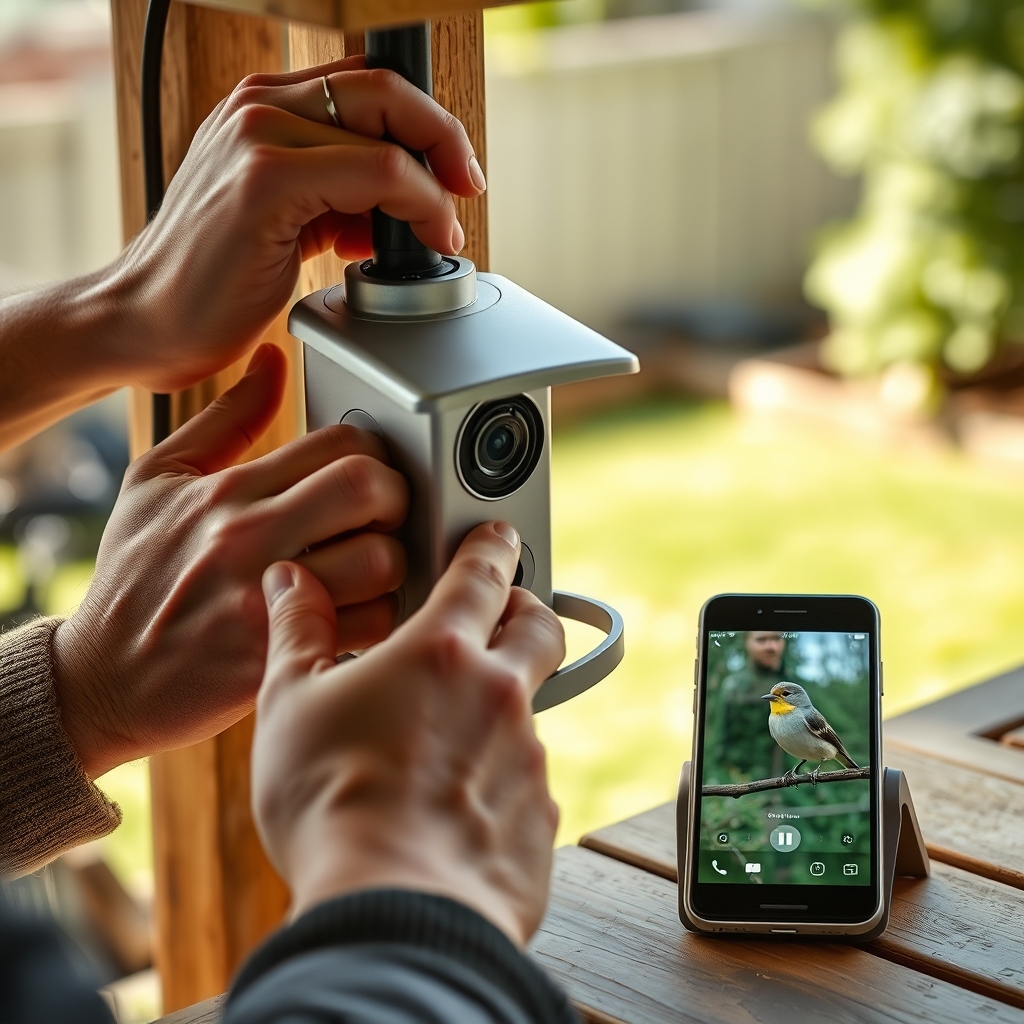
- Have an accessory kit ready: Pre-buy a Wi-Fi extender, solar panel, and pole or branch mount for flexible install.
- Test AI ID correction flows immediately after install to practice fixing common mistakes.
Looking for outdoor tech upgrades with equal long-term savings? See our guides on cutting water bills with WaterSense fixtures or boosting property value with outdoor design.
Pricing & ownership summary table
| Scenario | Year 1 Cost | Year 3 Total (est.) | Details |
|---|---|---|---|
| Budget (PeckPerk, no solar or subscription) | $65 | $65 | No ID subscription; battery only, manual charging |
| Midrange (Netvue Birdfy, monthly AI, solar add-on) | $169+$49+$25 = $243 | $243+$98 (2 years AI sub) = $341 | AI subscription monthly ($4.99, converted to discounted lifetime after 1yr), solar, accessories |
| Premium (Bird Buddy, lifetime ID & full accessory kit) | $200 + $69 (lifetime ID) + $50 (acc.) = $319 | $319 | Everything included, no ongoing charges |
These numbers are typical for 2025. Always confirm current deals on included lifetime plans versus recurring fees. Accessory bundles are usually cheaper than piecing separately. Comprehensive ownership guides like our garage system guide can help plan other smart upgrades too.
FAQ
Do I need Wi-Fi for a smart bird feeder with camera?
Most feeders require constant Wi-Fi for live video streaming and real-time cloud AI ID (62.4% of devices). Only a few models (Hawkeye/Hawird) offer reliable offline/on-device ID for rural or remote installations.
Is AI identification subscription required?
Some feeders include lifetime AI ID, but most charge $4.99/month or $49–$69 for unlimited/lifetime use. Without a sub, you get alerts and video—but no species ID or “bird book” features.
Can it run on solar?
Yes, several feeders (Birdfy, Feit, Hibird) support solar panels, either included or as an add-on. Solar is necessary for hands-off operation in remote or hard-to-access spots.
How accurate is AI bird identification in 2025?
AI bird feeder camera identification in 2025 is improving but frequently makes errors, particularly for regional or rare species. All major brands still get some IDs wrong or miss fast visitors entirely.
What’s the main cause of connection problems?
Spotty Wi-Fi is the top complaint. Solutions include moving the feeder, confirming 2.4 GHz is enabled, or using a Wi-Fi extender.
Can I fix false notifications or misidentified birds?
Most apps allow you to lower motion sensitivity to cut down irrelevant notifications and let you manually correct species IDs directly in the app.
Conclusion & recommended next step
If you want a straightforward smart bird feeder with camera, Netvue Birdfy remains the top choice for reliability and affordable long-term ownership—especially with an included lifetime AI ID plan. If the best app and bird book UX is your thing, Bird Buddy leads, but be aware of missed captures. Rural users should prioritize models with offline AI and strong solar support, even if that means sacrificing some app polish.
Before buying, review the test protocol above, verify Wi-Fi strength in your yard, and bundle in a solar panel and extender if you want hands-free birdwatching all year. Pick your device based on real ownership cost, Wi-Fi versus offline need, and the tech support options available.
Your birds (and patience) will thank you.