

Table of Contents
Solar powered outdoor lights are now a top choice for homeowners who want stylish, reliable, and energy-saving illumination for their gardens, paths, and backyards. Choosing and installing the right system has become far more practical—and profitable—than it was just a few years ago.
Key Takeaways
- Quality solar powered outdoor lights deliver long-term value only when you select the right brightness, battery, and materials for your space and needs.
- Installation details—like placement, angle, and panel orientation—directly impact light output and system reliability.
- Real-world performance and verified specs (not just advertisement claims) are essential to avoid disappointment over runtime and durability.
Why solar powered outdoor lights make sense in 2024
Solar powered outdoor lights have shifted from being a gimmick to a serious, proven option for modern yards and outdoor spaces. LEDs today can reach lifespans of 50,000 hours or more, meaning a decade or more of reliable illumination. The quality of both electronics and physical materials has improved, thanks to hardened polycarbonate bodies, anti-UV coatings, and sealed batteries.
Market adoption is accelerating in 2024. Industry reports describe growth as “strong, driven by energy efficiency and smart technology” (source). Products like IP65 waterproof pillar lights and improved solar panels are making these systems robust even in harsh weather (read more).
How to choose the right garden solar lighting for your space
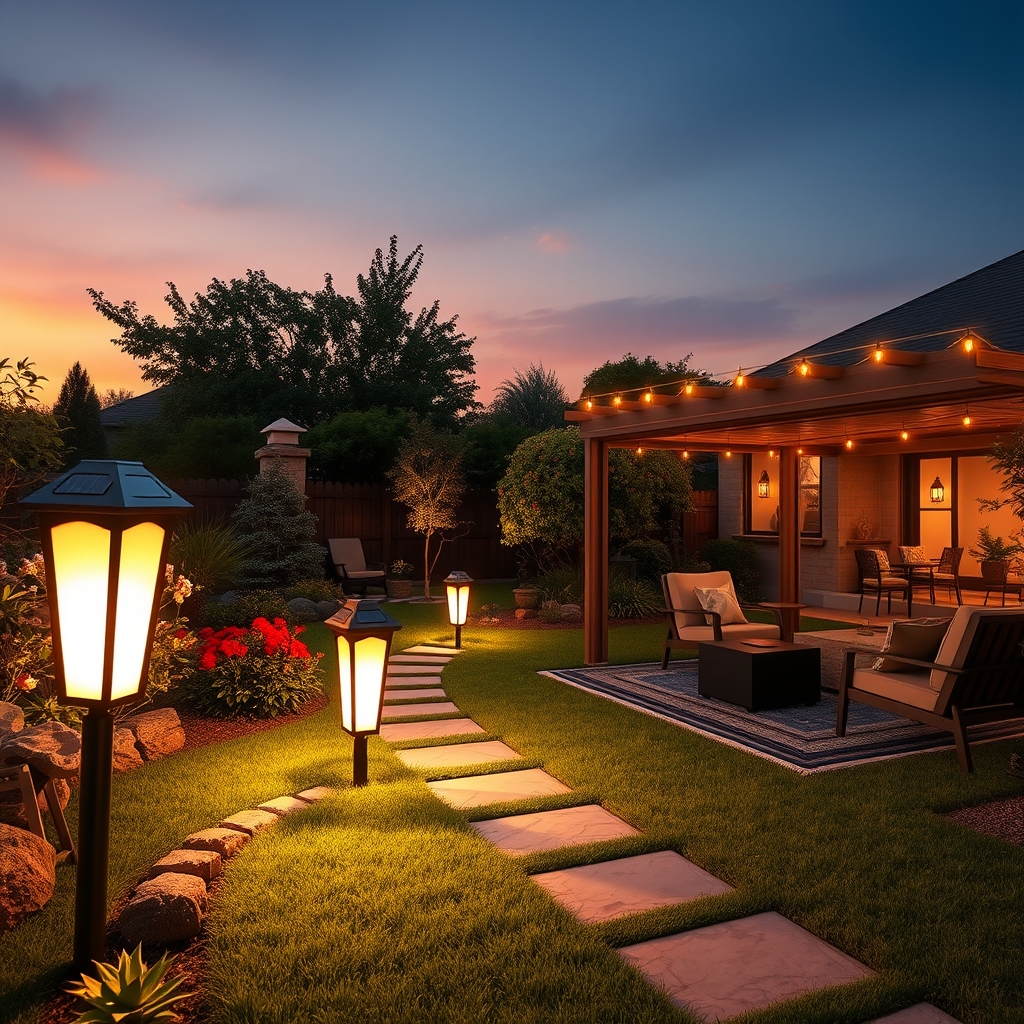
Picking garden solar lighting isn’t just about looks—it’s about matching the light output, battery, and panel size to your real-world requirements. Start by deciding the purpose: low-output (10 to 50 lumens) for ambiance, higher output (100+ lumens) for paths or security. For garden accent lighting, dimmer fixtures last longer and create a cozy atmosphere, while pathway or work areas need more power.
Durability matters: not all “solar pathway lighting” is equal. The brightness you see on the box is maximum output—but runtime will depend on battery size, panel (array) area, and even local shade. A larger battery and properly-sized panel will extend the light duration. According to independent testing, “dimmer fixtures typically last longer than brighter ones” because they consume less energy (see report).
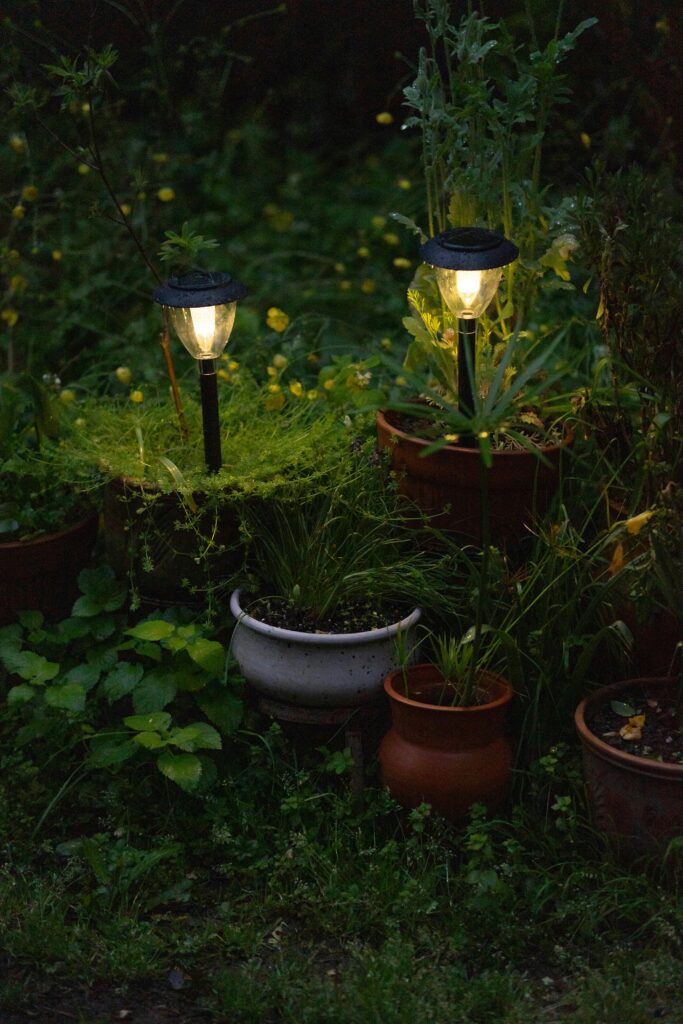
To maximize performance for your backyard living areas, invest in solar powered outdoor lights that balance amp-hour battery size and panel area. Test placement in both full sunlight and partial shade to ensure consistent charging and lighting.
Installation tips most guides skip (placement, angle, and mounting)
Installation ease is one of the most overlooked factors in solar powered outdoor lighting. Where you position the solar panel, the angle, and even mounting height all matter—even the best system can underperform if placed poorly. Always mount panels away from shade and tilt toward the sun’s midday angle (usually 30–45 degrees for North America).
For solar pathway lighting, position the lights so their sensors aren’t blocked by plants or garden features. Mount accent lights lower for a subtle effect, higher for wider spread. Secure all fixtures firmly—loose mounts can tilt panels off-axis or let in water over time.
Common installation pitfalls include:
- Mounting panels in partial or full shade (reduces runtime drastically)
- Installing accent lights too high, causing light “bleed off” and wasted energy
- Improper orientation—solar panels facing away from the best sun
- Loose fasteners that let water and dust enter, undermining weatherproofing
If you want to dive deeper into easy, impactful home upgrades, check out WaterSense fixtures for water savings indoors.
Real‑world performance vs. manufacturer claims
Most product packaging lists theoretical maximums. Real-world light output is nearly always less—particularly a few hours after dusk. If you need consistent path or security light, insist on products with verified LM‑79 testing, which measure actual light delivered over time (details here).
| Spec/Claim | Manufacturer Claim | What to Expect in Use |
|---|---|---|
| Brightness (lumens) | Up to 200 lumens | Often 60–80% of claim after 1–2 hours; ambient lighting much lower on cloudy days |
| Runtime | 8–12 hours all night | 5–8 hours typical if fully charged; shorter in winter/cloudy weather |
| Weather resistance | Listed as “waterproof” | Check for IP65/IP67 proofing and evidence of long-term UV testing |
Ambient lighting is the norm—most garden solar lighting products give a soft glow, not task-level brightness. If you truly need the best solar lights backyard for work areas, look for photometric layouts and third-party output validation.
Durability & waterproofing — what specs actually matter
To avoid disappointment or frequent replacement, focus on real durability specs:
- IP ratings: Minimum IP65 for outdoor use. This means dust-tight and protected from jets of water. IP67 is even better for near-ground or garden bed installations.
- Materials: Polycarbonate housings and anti-UV coatings resist yellowing and cracks. Metal fixtures with powder coating can also be highly durable.
- Sealed battery housings: Prevent moisture intrusion, a major cause of internal corrosion and short circuits.
For example, recent 2024 product releases feature IP65 waterproofing and robust sealed designs specifically for rugged outdoor environments. But “waterproof solar lights” without a tested IP rating may still allow slow water ingress.
User complaints often involve reduced brightness and premature failure—this is frequently caused by a combination of poor sealing, low-quality LEDs, or cheap plastics. Thoroughly check reviews and look for listings that show actual material specs.
For broader advice on choosing long-lasting, waterproof upgrades, compare with the way LVP flooring products are graded for water resistance.
Most common failure points and simple fixes
Even the best solar powered outdoor lights can develop problems over time, but most issues have simple fixes:
- Battery degradation: Replace every 1–3 years. If brightness fades or runtime drops, swap in a quality brand-name rechargeable (usually AA/AAA or built-in Li-ion).
- Shading or dirty panels: Clean regularly and trim overhanging plants.
- Sensor misconfiguration: Most lights have either a physical switch or an auto sensor—sometimes they get out of sync. Reset following the product’s instructions.
- LED or circuit overheating: Overheating kills LEDs early. Make sure there’s ventilation around fixtures and beware of installing lights near hot surfaces (like asphalt or metal fencing).
Research confirms that common complaints about waterproof solar lights—like dimming or early burnout—come from small, gradual failures that can often be fixed by basic cleaning, a new battery, or repositioning. If the entire fixture fails, check for corrosion inside the battery compartment.
If you’re planning a deep outdoor update, consider reading about garage organization systems or renovation projects for more home reliability tips.
What justifies paying more — features that deliver real value
Not every premium feature is worth the money, but several are proven investments:
- Tier‑1 LED chips and circuitry: These deliver longer lifespan, better consistency, and higher output per watt.
- Photometric testing and LM‑79 certification: Expect reliable, unbiased data for true brightness after installation. It’s the only way to know if you’ll get the light you expect.
- Larger batteries and solar panels: More energy storage means your lights stay bright longer between charges, especially useful in winter or on cloudy days.
- Ruggedized, UV-resistant materials: Polycarbonate, stainless steel, and powder-coated finishes are proven to resist weather and fading.
Industry leaders now include photometric layouts so buyers can see exactly where their best solar lights backyard will fall. This is especially valuable for large lots or safety-sensitive paths. According to sector trends, “market leaders are investing in material innovation and durability” (see source).
If you are ready to future-proof your outdoor projects, look into net-zero ready home solutions for energy savings inside as well.
Quick buying checklist + realistic installation timeline
Here’s a one-page checklist to use before you buy your next set of waterproof solar lights:
- Check actual lumen output (aim for 10–50 for accents, 100+ for paths; more for security)
- Verify battery capacity (preferably >1200 mAh per light for long runtime)
- Is the battery replaceable? (Extends total fixture lifespan and value)
- IP65 or better water/dust resistance
- Proof of photometric output or LM-79 testing
- Warranty (Aim for 1 year+, read the fine print)
- Material details (polycarbonate, stainless, powder-coating, anti-UV listed)
Realistic timeline:
1. Day 1–2: Decide where to install, measure sun exposure, and prepare ground or mounts.
2. Day 3: Receive product, double check everything included.
3. Day 4: Install fixtures (can take 1–3 hours for most sets), adjust angles, and ensure panels get full midday sun.
4. Day 5–6: Observe and make minor tweaks. Full performance should be obvious by the end of the first week.
Research shows that rugged, weather-resistant designs and composite materials greatly improve installation and long-term durability (reference). Placement matters as much as product quality—consistent sun and correct sensor orientation keep your lights reliable for years.
For more on durable outdoor upgrades with minimal maintenance, see our breakdown on heat pump dryers for indoor energy savings.
Short FAQs (lifespan, nighttime duration, replacing batteries, warranty expectations)
How long do quality garden solar lighting fixtures last?
High-quality LEDs can last up to 50,000 hours (that’s over 10 years of nighttime use), provided you replace every 1–3 years and keep panels clean (see report).
What’s the typical overnight runtime for solar pathway lighting?
On a full summer’s day of charging, expect 5–10 hours of light. Dimmable or low-output lights last longer. Cloudy weather or shorter days reduce runtime.
Can I replace the batteries in my solar powered outdoor lights?
Yes, most quality lights use standard rechargeable AA/AAA or lithium packs. Check whether access is tool-free. Replace every 1–3 years for best results.
What should I expect for light warranty or support?
One-year warranties are common on solar lights. Premium brands offer two years or more. Always check what’s covered—batteries are sometimes excluded from the main warranty.
Why is my solar light dim or intermittent?
Most often, panel shading, dirty panels, or an aging battery is to blame. Clean panels, trim plants, and cycle in new batteries if needed.