

Table of Contents
modular garden bed kit buyers want solutions that assemble quickly, last for years, and can be rearranged or expanded as their needs grow. This practical guide strips back the hype and helps you cut through the confusion to choose, assemble, and use a modular raised bed kit that fits your space and your body—without years of back pain or hours lost to vague instructions.
Key Takeaways
- Modular garden bed kits offer game-changing flexibility, quick assembly, and expansion options for every gardener—including those with mobility needs.
- Steel and metal models are trending for 2025 due to unmatched durability and low maintenance compared to wood or plastic competitors.
- Assembly challenges (especially with tall galvanized beds) are real—know what to check before you buy, and use a straightforward step-by-step checklist for stress-free setup.
Why choose a modular garden bed kit today?
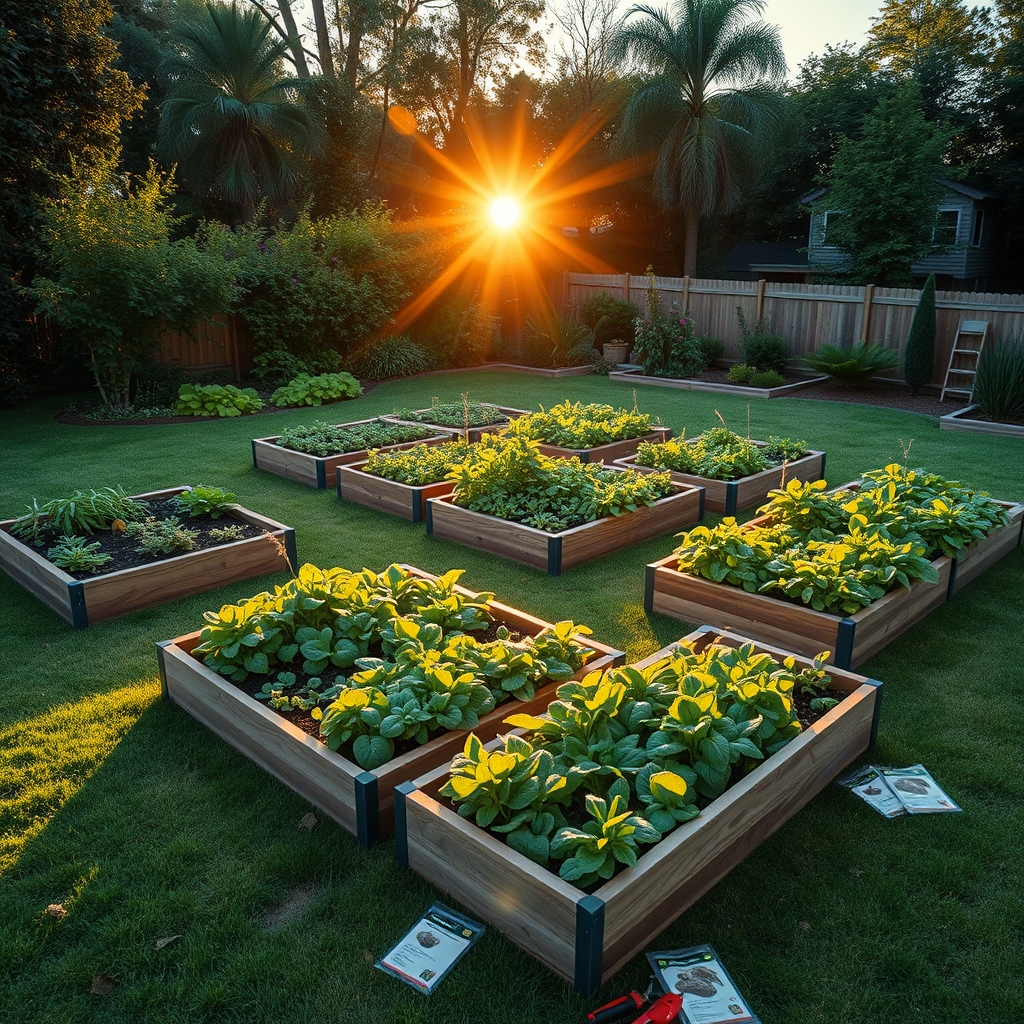
Not all garden beds are created equal. A modular garden bed kit stands out because the panels and connectors can be arranged, swapped, or expanded as your gardening needs change. Unlike fixed raised beds, modular kits allow you to optimize for small patios, L-shaped corners, or phased expansion—making it ideal whether you’re starting with herbs on a balcony or planning a multi-bed vegetable rotation in your yard.
Modular kits ship more compactly and assemble more easily. Each panel fits together with smart connectors, meaning you avoid the heavy lumber, cutting, and permanent layouts of traditional wooden frames. Reconfiguring your garden for different seasons or crops is simple: rearrange or extend by adding new panels—often without special tools.
The market for modular garden bed kits is surging. Research shows steel and metal models are trending strongly due to their durability and low-maintenance design (source). Top competitors rarely detail the usability and versatility of true modularity—leaving many buyers unaware of the full potential.
Market snapshot — metal and steel trends (2024–2025)
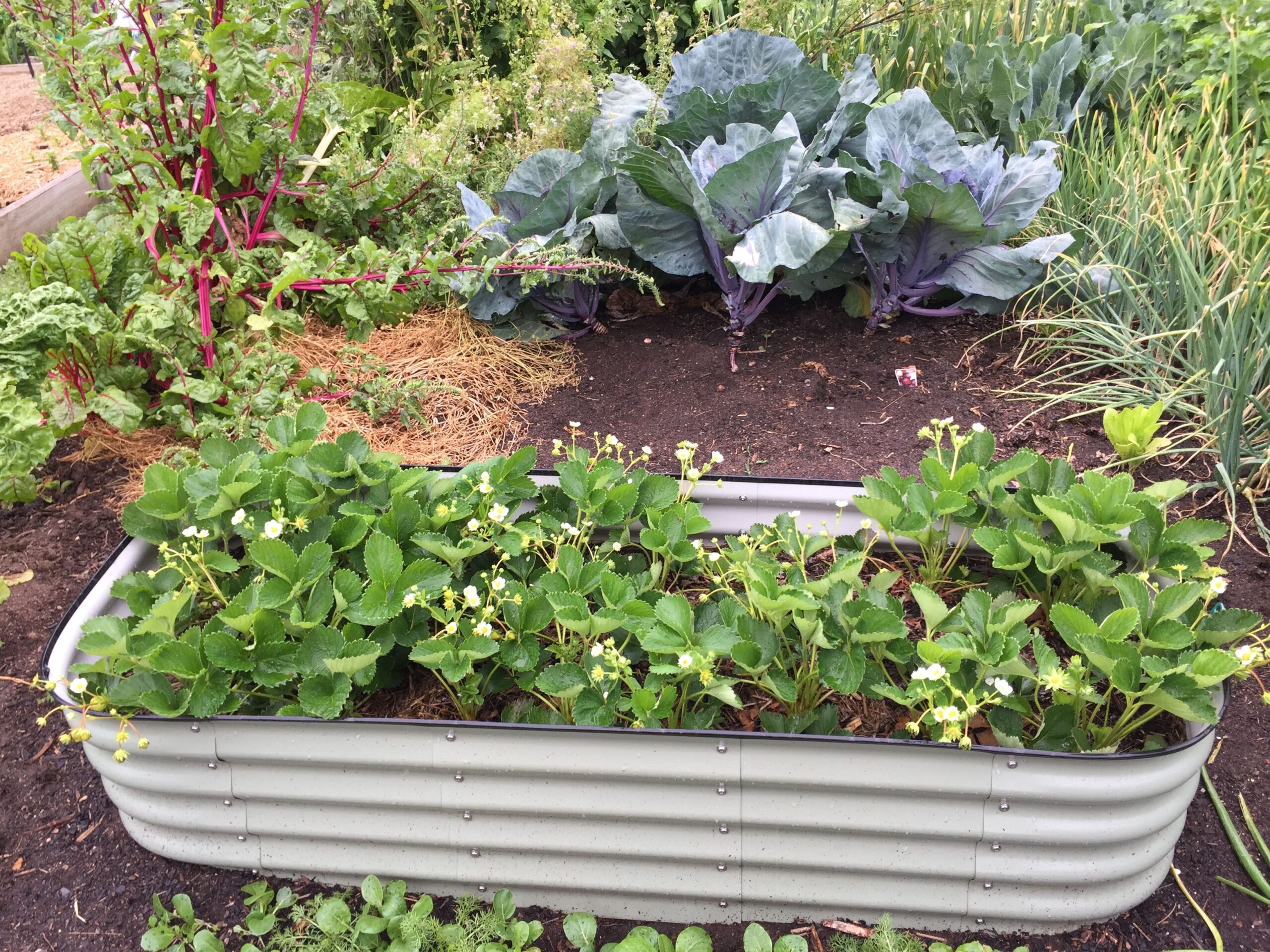
Steel and metal modular garden beds are outpacing wood and plastic options for home gardeners who want lasting value. The steel raised garden bed market reached USD 1.2 billion in 2024 and is on pace for more than 9% CAGR growth through 2030 (source). Urban growers and those with limited space now gravitate to modular raised garden bed steel systems because they resist warping, rot, and insect damage—a pain point for wood beds in humid or rainy regions.
Meanwhile, raised bed planter kit metal designs dominate hardware stores and online platforms. The most popular choices use galvanized steel for added corrosion resistance and require almost zero maintenance over the years. Urban dwellers and accessibility-minded gardeners appreciate that metals stand up to city pollution, pets, and regular watering. A key note: modularity now shows up not just in appearance, but in practical ease for DIYers who want upgrades or rearrangements down the line.
Who should buy a tall or deep galvanized model — pros and tradeoffs
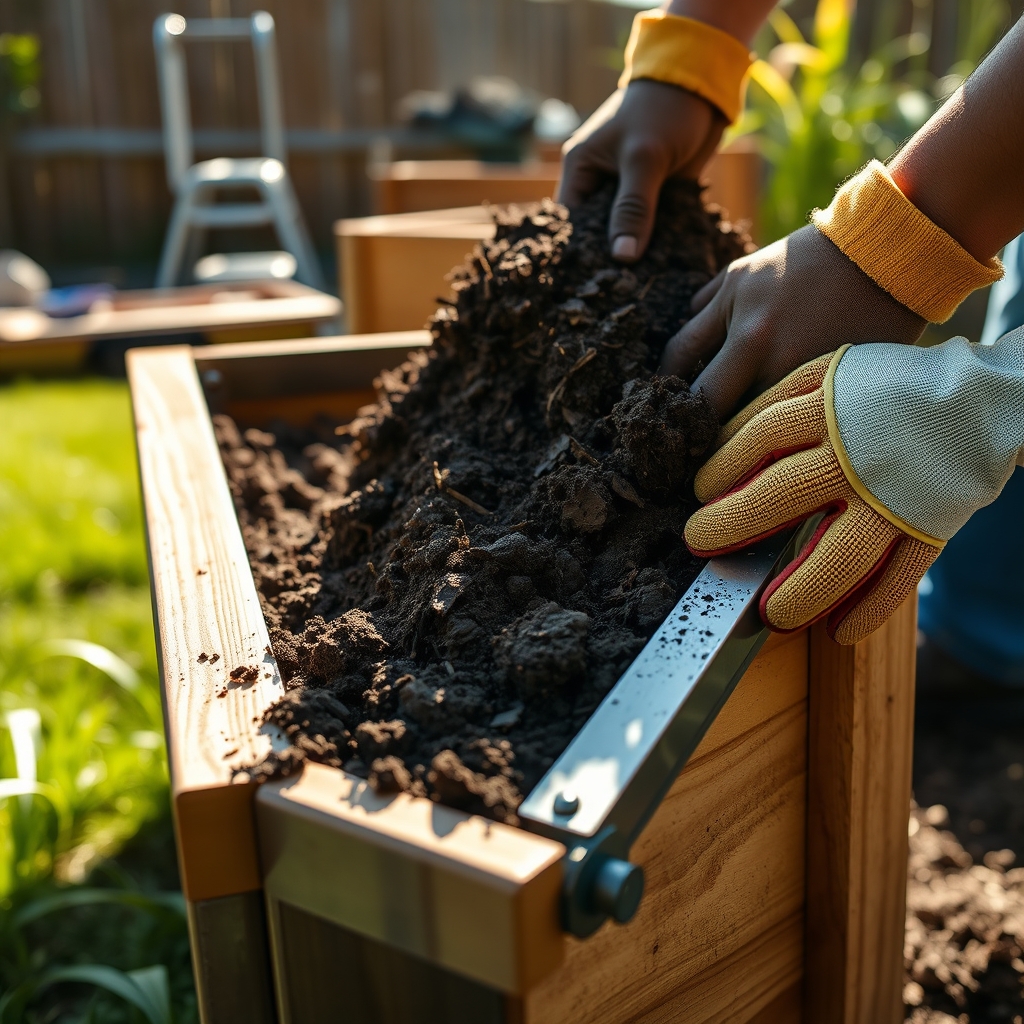
If bending and heavy lifting are dealbreakers, a tall or deep galvanized raised bed (sometimes called a “jumbo” modular raised garden bed steel kit) may solve your problem. Models reaching up to 17 or even 24 inches tall let you garden while standing or from a seat—making them perfect for root vegetables, deeper soil profiles, or accessible gardening for those with back or knee concerns. Look for keywords like tall raised planter kit no bending and galvanized raised bed kit deep when searching product listings.
However, there are tradeoffs: as the beds get taller, each panel becomes heavier and more awkward to handle, especially in steel. Assembly may require a helper, and cost per square foot rises with depth. Many user reviews on retailer sites and YouTube posts cite wrestling with tall panels solo as a common frustration (see Home Depot reviews). Select models with included bracing, clear instructions, and two-person assembly recommendations.
| Feature | Standard Modular Bed | Tall/Deep Galvanized Bed |
|---|---|---|
| Height | 8-12 inches | 17-24 inches |
| Ease of Assembly | Solo possible | Two-person recommended |
| Weight per Panel | Light/Moderate | Heavy (steel) |
| Mobility/Ergonomics | Some bending required | No bending on most users |
| Soil Volume Needed | Lower | More (costlier fill) |
| Price | $$ | $$$ |
Some deep models offer “kit within a kit” solutions: buy an extra-deep panel set as an add-on if you want to upgrade later, not all at once.
Raised bed garden kit assembly 2025 — common user complaints
Home gardeners in 2025 expect plug-and-play simplicity, but many raised bed garden kit assembly 2025 options fall short—especially for larger or taller models. Users report:
- Heavy galvanized panels that are tricky to maneuver solo
- Alignment issues with multi-panel frames, leading to wobbly beds or complicated fastening
- Missing, mismatched, or unclear fasteners—causing frustration mid-build
- Instructions that may be generic for several different kits, increasing confusion
- Extra tools (impact driver, socket wrench) required—but not always listed
- Tall panels that flex or tip during assembly without a second pair of hands
Many product listings claim “10-minute assembly,” but user reviews often contradict this, especially on beds taller than 17 inches (Wirecutter review). To save time and hassle, always double-check the full assembly sequence and required tools before purchasing—and consider dialing in a helper for tall galvanized raised bed kits.

How to avoid assembly headaches — step-by-step buyer and assembly checklist
Choosing the right raised bed planter kit metal isn’t just about size or look—it’s about ensuring stress-free assembly and long-term usability. Here’s a quick buyer and setup checklist:
Pre-Purchase Checklist
- Check panel weight: anything over 8 lbs per panel could require help
- Connector and fastener type: look for snap-together or upgraded bolts/nuts, not just screws
- Read product Q&As: do fasteners, gaskets, and corner brackets come included?
- Ask about expansion compatibility: will this kit accept more panels next season?
- Inspect return/replacement policy for missing or damaged panels
- Scan instructions online beforehand whenever possible
On-Site Assembly Checklist
- Level your build site ahead of time; use sand or tamped dirt for large beds
- Sort hardware by type and count before starting—identify anything missing now
- Assemble panels loosely at first, fully tighten once all are correctly aligned
- For tall/galvanized beds, use a two-person lift or brace panels mid-build
- Anchor frame if needed—especially in windy or sloped yards
Home Depot lists some tall galvanized kits as “10-minute assembly,” but buyers on those same pages note the timeline is only accurate with a well-prepared site and two-person build. Use the checklists above to avoid surprises.
Want more on growing food at home with less maintenance? See our guide to self-watering raised garden beds.
Ergonomics & accessibility — tall beds with legs and no-bend options
For gardeners who want standing-only comfort or need ADA-friendly setups, raised vegetable bed kit with legs or tall modular steel frames are the answer. Kits with heights of 17 inches or up to 24 inches remove the need to kneel or stoop. Some modular garden bed kits also include true legs that elevate the bed to waist height—making it easier for wheelchair users or those with limited mobility. Look for tall raised planter kit no bending features in product listings.
Consider soil depth vs. bed height: if a bed sits on legs, you may need less fill soil, but ensure the frame supports a deep enough layer for root veggies. New trends—especially in urban markets—favour metal for these elevated options (market report). Seek out modular models with accessible side panels, locking wheels, or drop-down fronts for the ultimate ergonomic garden.
Related: Adding tall planters improves property value and creates more visually dynamic outdoor spaces—see this guide to biophilic outdoor design.
Material and coating considerations — galvanized, VZ 2.0, and food safety
Modular raised garden bed steel choices break down by substrate and coating. The classic is hot-dip galvanized steel, resistant to rust but still vulnerable if scratched through. Premium models (e.g., Vego Garden, Birdies) now use Aluzinc or VZ 2.0 coatings—steel with an aluminum-zinc-magnesium alloy for superior corrosion resistance, even in salty, humid, or acidic soils (Wirecutter review).
Consider these material options:
- Galvanized steel: Budget-friendly, food safe if properly coated, most DIY kits in this category
- VZ 2.0/Aluzinc: Best for longevity, highly recommended for years of no-rust use
- Aluminum: Lightweight but less rigid; uncommon in modular bed panels
- Composite: Rot-proof, but heavier and sometimes less modular for expansion
Always confirm that coatings meet food safety standards—reputable brands offer full material data. Recent innovations mean more options are now non-toxic and designed for direct edible gardening.
What competitors miss — specific modular features to call out (our unique value)
Most top-ranking product pages only list size and material. They miss true modular garden bed kit strengths:
- Mix-and-match panel lengths—configure L-shapes, U-shapes, or extendable rows as needed
- Phased expansion—add panels for new beds when your harvest ambitions grow
- replacement panel availability—extend the useful life of your setup after a storm or accident
- Easy reconfigure for crop rotation or changing sunlight patterns
- Flat-pack shipping and tool-free assembly cut down both waiting and physical labor
When comparing, ask sellers these questions:
- How easy is it to add panels or change layout in the future?
- Are replacement parts available and affordable?
- Are all connectors, braces, and hardware included in this package?
- Is the panel/connector system compatible between kit models or brands?
Want ideas for maximizing small spaces? Read our advice on modular closet systems—the principles apply to garden design, too.
Buying checklist — 10 must-check specs before checkout
- Material and coating: prefer food-safe galvanized or Aluzinc/VZ 2.0
- Panel height and soil depth: ensure it matches your crop and ergonomic needs
- Connector type: snap-fit, nut/bolt, or proprietary modular joints
- Weight per panel: check if you can handle easily solo
- Included hardware: verify all fasteners, gaskets, and bracing are in the box
- Required tools: scan list—some kits need a power drill or impact driver
- Easy return or replacement policy for damaged panels
- Expansion compatibility: will you be able to add on next season?
- Anchoring options: is a base or staking system included?
- Warranty details: prefer multi-season metal/anti-rust warranties
Market research shows metal wins for durability—but buyers must verify what’s in the kit box and know that “no tool assembly” means different things across brands. For more ways to protect your investment, learn about garage organization systems for off-season storage of accessories and tools.
Quick assembly guide for two common configurations (short kit & tall legged kit)
Short Modular Kit
- Lay out all panels and hardware; group by sides and ends.
- Loosely connect corners first; check square corners before fully tightening.
- Add side braces or internal tie rods if included.
- Place assembled frame on a leveled, weed-mat covered site.
- Anchor corners if required, then fill with soil.
Tall Legged Modular Kit
- Assemble the main bed frame on the ground, then attach legs last for stability.
- Use a second person to steady frames while installing legs and cross-braces.
- Ensure legs are locked and level—shim if needed for patios or sloped surfaces.
- Fill with soil, checking weight limits and distributing fill evenly for structural integrity.
- For both types, check all connections after a week; panels may “settle” under soil load.
Pro-level tip: Some manufacturers claim the tall galvanized kits can be set up in about 10 minutes, but this only holds with two people and pre-sorted hardware. Lone builders should plan on up to 30–40 minutes for safe, frustration-free assembly.
For advanced outdoor living upgrades, see our breakdown of outdoor kitchen design and smart pergola options for year-round backyard function.
FAQ and buying decision flowchart
Which modular garden bed kit is best for small balconies?
Choose a compact, rectangular galvanized kit (6 feet or less). Look for modular panels so you can create a narrow, custom-fit bed. Optional legs can maximize space—and add mobility if your balcony gets little sun at certain times of day.
Which raised bed material offers the best longevity?
Galvanized steel, Aluzinc, or VZ 2.0 coated beds provide unmatched resistance to rust and UV, easily lasting 10+ years with minimal upkeep. Wooden and plastic beds are less durable and need regular inspection for rot or warping. Research supports these claims.
Do galvanized beds leach into the soil?
No, modern galvanized and Aluzinc/VZ 2.0 beds are considered food-safe by reputable brands. Ensure coatings aren’t damaged and avoid using beds for acidic or highly saline soils if uncoated. If you’re concerned, use a food-safe liner or select a kit with third-party test results.
Can I assemble a tall modular garden bed kit by myself?
It’s possible with short models, but for tall or deep kits (17″+), two people are strongly recommended to handle heavy panels and align connectors safely. Many users report solo assembly is slow and may risk damaging panels or injuring yourself.
How do I know if I can expand or reconfigure my kit later?
Look for brands advertising modular compatibility—where replacement or add-on panels are available separately. Flat-pack modular beds typically support incremental expansion or reconfiguration as your needs evolve. Always confirm with the seller before purchase.
Conclusion
Choose a modular garden bed kit if you want durable, ergonomic, and future-ready gardening infrastructure you can assemble and evolve with ease. Metal and steel kits, especially those with advanced coatings, provide unbeatable strength and low maintenance. Focus on kits that deliver true modularity—not just set-and-forget rectangles—so your setup grows with your ambition and your back stays comfortable year after year. Ready to see the difference for yourself? Shop modular, go metal, and take the next step toward easy homegrown food.