

Table of Contents
Self-watering raised garden bed solutions are skyrocketing in popularity with busy backyard gardeners who want reliable yields and real low-maintenance results in 2025—but the best choice depends on design, durability, and a few overlooked details. If you want a raised bed that actually saves time (and headaches) over years, learn what matters most and how to dodge the most common pitfalls below.
Key Takeaways
- Not all self-watering raised garden beds are equal: modularity, reservoir efficiency, and durability make the biggest difference over time.
- Buyers most regret skipping long-term features like a water gauge, overflow drainage, and wheel compatibility for tall or elevated beds.
- Routine maintenance and smart setup prevent nearly every common complaint—from salt buildup and overwatering to unexpected leaks.
Why a self-watering raised garden bed is worth buying in 2025
For anyone tired of daily watering or unpredictable yields, a self-watering raised garden bed is a smart, stress-reducing upgrade. These beds use a built-in reservoir or sub-irrigation system to deliver water directly to root zones, so you water far less often but still get healthy, robust plants. Here’s the catch: “Self-watering” means you must still refill the reservoir, check for pests, prune, and monitor moisture. In other words, your work is reduced—but not eliminated (source: FrameItAll). Data supports the benefit: “These systems drastically cut down on daily watering duties but don’t eliminate maintenance” (FrameItAll). So, set realistic expectations and enjoy a much simpler garden routine.
2025 market snapshot — demand, pricing context, and what’s trending
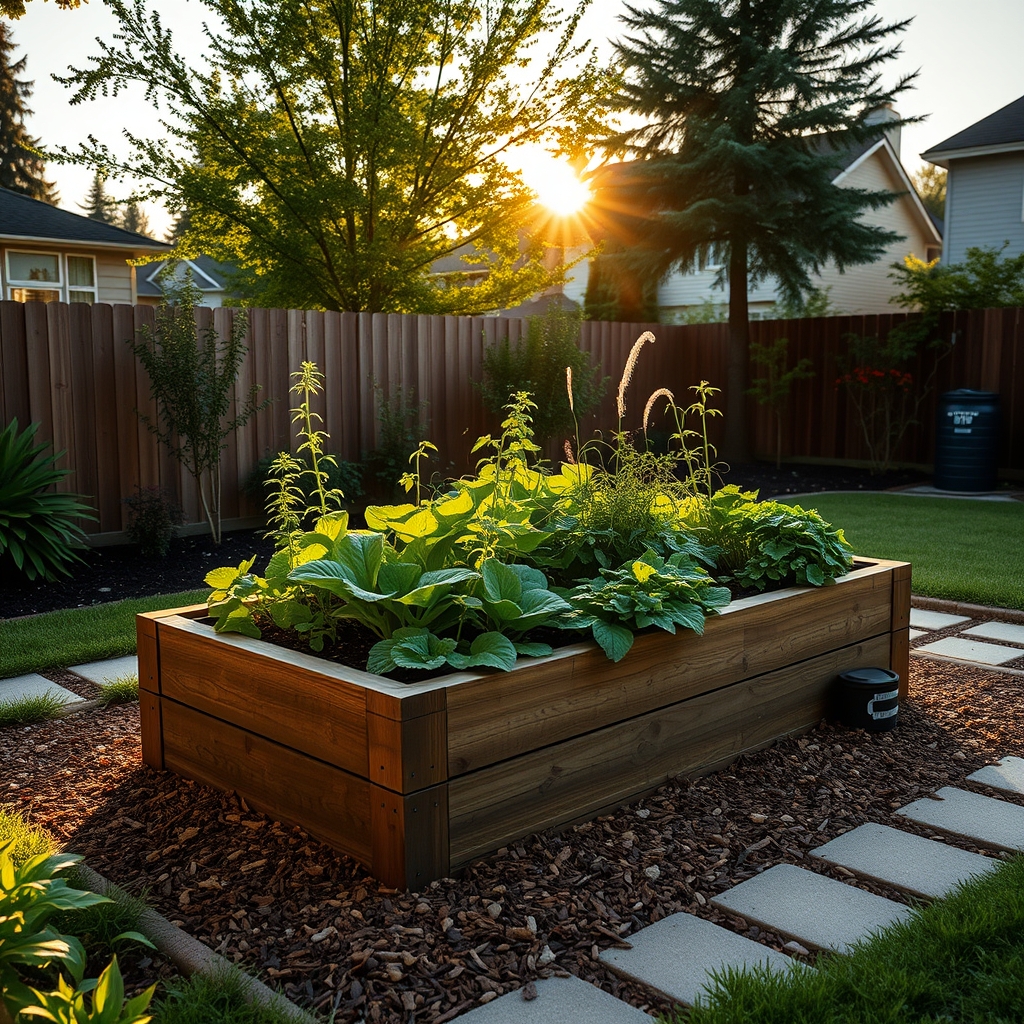
The market for elevated self-watering planter 2025 options is booming. Raised garden beds reached a value of US$0.52 billion in 2026, with projections to grow to US$0.72 billion by 2035 at a steady 3.63% CAGR (source: BusinessResearchInsights). Expect lots of choice—everything from cedar and coated steel to modular plastic beds with insert kits. Modular systems, overflow drainage, elevated and wheeled designs are increasingly common, so it’s easy to find options that truly fit your space and schedule. Value now comes from long-term durability, expandability, and features that save hassle—not just a low sticker price.
Top-selling models to consider in 2025 (actionable short list)
Here’s what’s selling—and why it matters—to make your shortlist faster (sources: Apartment Therapy, synthesized).
- Costco Cedar Self-Watering Planter ($149.99): High-value, sturdy construction, genuine cedar wood, reliable large reservoir. Great for home gardeners wanting a proven, low-maintenance self-watering garden bed with reservoir. Best fit: Practical buyers focused on durability at a reasonable price. Minor con: Not as modular as some plastic/metal systems.
- Vego Modular Raised Bed (Galvanized Steel): Stands out for modular expandability, coated steel resists rust for 3–4+ years (confirmed in user reports). Best for those seeking a modular raised garden bed they can expand or reconfigure over time. Con: Steel beds may be heavier and require more careful installation on patios.
- Gardener’s Supply Self-Watering Bed with Insert: Converts nearly any bed into a wicking raised planter; gauge doubles as rain collector. Perfect for DIYers or growers retrofitting an existing raised bed. Con: Inserts have limited reservoir size and need occasional cleaning.
- EarthPlanter Commercial Self-Watering System: Used in city parks, supports long watering intervals, resilient construction. Top pick for municipal/commercial use or extra-low-maintenance gardening. Con: May be overkill (and oversize) for small home spaces.
For more multi-year outdoor solutions, see our durability guide to LVP flooring (relevant for patios, decks, and gardening surfaces).
Quick comparison — how to choose between common designs
Design differences have big impacts. Here’s what you need to know when picking a wicking raised planter, a self-watering garden bed with reservoir, or a retrofit insert kit:
| Type | How It Works | Pros | Cons | Best For |
|---|---|---|---|---|
| Wicking/ Sub-Irrigation | Water wicks upward via fabric or capillary columns from reservoir to soil. | Even moisture. Fewer refills. Easy for veggies/herbs. | Wicking fabric degrades. Can clog. Less visible water level. | Consistent crops, hands-off maintenance. |
| Dedicated Reservoir + Gauge | Reservoir is separate, often with water gauge for refilling. | Clear refill timing. Reliable. Avoids overflow. | Gauge may malfunction. Needs flushes. | Busy gardeners needing “set and check” ease. |
| Insert Kits | Plastic trays/tubes convert any bed into self-watering bed. | Upgrades standard beds. Flexible. Doubles as rain collector (heavy storms). | Reservoir may be smaller. Needs fitting/cleaning. | DIYers and those with existing beds. |
Proven tip: “Inserts can convert many beds into self-watering systems; some users note the water level indicator doubles as rain collector during storms” (TheCottagePeach).
Most frequent user complaints & maintenance issues (what to watch for)
Even the best-built self-watering raised garden bed setups have quirks that frustrate buyers. The most frequent complaints (sources: Amazon, Yahoo Shopping, FrameItAll):
- Overwatering: Standing water causes root rot, especially without an overflow or in heavy rain.
- Reservoir Leaks: Seams or fittings loosen with freeze-thaw cycles or heavy bumps.
- Stability/Tipping: Tall raised bed wheels or small base design may tip, especially when beds are top-heavy or in wind.
- Salt Buildup: Sub-irrigated planters accumulate salts from fertilizers—plants may suffer if you skip flushing.
- Gauge Failure: Water level indicators sometimes stick or break, undermining the whole “set and forget” benefit.
Data: “Common complaints include overwatering and maintenance of the water reservoir; shoppers have reported drainage leaks and stability/tipping issues” (sources: Yahoo Shopping, FrameItAll, Yahoo/Amazon).
For advanced outdoor upgrades, see recommendations for smart pergolas that complement modular raised beds.
Buying checklist — the specs that actually matter
When shopping for a self-watering raised garden bed, these are the specs that affect daily life, value, and longevity:
- Reservoir capacity (how many gallons/liters)
- Refill access (can you fill it easily, without crawling?)
- Reliable water gauge (visible, floats freely, replacement parts?)
- Overflow drainage design (path for excess rain—not every model has this!)
- Wicking material (replaceable, resistant to rot?)
- Bed height & wheel compatibility (especially for tall raised bed wheels)
- Modular joinability (add on, reconfigure, connect multiple beds)
- Material durability and finish (coated steel, real cedar, UV-stable plastic?)
- Warranty and expected lifespan (don’t just trust “20-year” claims)
- Total lifecycle cost (price vs. expected years, parts replacement scope)
Fact: “Customers value features that reduce refill frequency and provide visibility of water level (water gauge); long-term durability is under-covered in competitor articles” (FrameItAll + research synthesis). Checklist below for easy screenshot or printing:
Buying Checklist for Self-Watering Raised Garden Beds
- Reservoir holds 1+ week’s water for crop size
- Tall enough for easy access, with wheel option if mobility needed
- Gauge is repairable/swap-friendly
- Has engineered overflow or drainage path
- Wicking material can be cleaned/replaced
- Materials rated UV/rot-proof, with visible warranty terms
- Unit is modular/expandable if you plan to scale
- Total price vs. warranty period makes sense for budget
For more on practical water savings, see our guide to WaterSense fixtures.
Features competitors underreport (opportunities to highlight)
Most buying guides skip hard durability and lifecycle cost data. Make sure to:
- Ask for tested lifespan (like real owner reports on coated steel, e.g. Vego lasting 3–4+ years)
- Compare lifecycle costs (unit price plus parts replaced annually)
- Look for modular/expandable setups (future-proof against space or crop changes)
- Check reservoir efficiency (get models with 5+ day refill intervals)
- Evaluate wheels and tall bed height for easy movement and ergonomics
- Retrofit/insert options can save cash if you already own a basic raised bed
Research shows competitor articles often miss detailed long-term durability and cost-effectiveness comparisons—a notable gap in most reviews.
Thinking about bigger upgrades for your patio/yard? Our outdoor kitchen ROI guide dives into modularity and maintenance best practices too.
Durability & materials — what lasts, what to avoid
Material choice is the clearest predictor of maintenance, lifespan, and value. Here’s how the major categories stack up:
- Cedar (wood): Classic, naturally rot-resistant, but must avoid long-term standing water. Expect 5–7 years in most climates if reservoir system doesn’t trap moisture in the wood.
- Galvanized/coated steel: Promising real-world results, e.g. “Vego’s coated galvanized steel beds have user reports of good condition after 3–4 years, suggesting promising longevity for coated metal designs” (Wirecutter).
- Polypropylene/resin: Resists rot, UV-stable models last ~5–8 years, select only food-safe/UV-rated blends for chemical peace of mind.
- Cheaper coated metals: Look for thick, double-coated or powder-coated steel; thin metal warps or rusts faster (avoid uncoated steel entirely for wet or humid climates).
Always check reviews for multi-season performance and be wary of beds that seem too lightweight for their size. Material durability matters just as much as design when considering your lifecycle cost.
Mobility & ergonomics — wheels, bed height, and accessibility
Many buyers in 2025 choose elevated self-watering planter 2025 models for accessibility or for moving beds around patios and lawns. When do you need wheels or taller beds?
- Wheels: Choose models with lockable casters (rated for wet weight), especially if you anticipate shifting your garden for seasonal sun or storm prep.
- Bed Height: Tall raised bed wheels make it easier for anyone with mobility issues or if you dislike kneeling/bending over. Aim for 30–35 inches for good ergonomics.
- Trade-offs: “Shoppers have reported stability issues (top-heavy beds) and possible tipping during wind; wheel and base design affect safety” (Yahoo/Amazon). Lockable wheels and a broad base help prevent this.
For related patio upgrades, see our biophilic outdoor design guide.
Reservoir efficiency & water management best practices
Reservoir design and wicking material make or break the “self-watering” benefit. The best practices for a self-watering garden bed with reservoir include:
- Getting a reservoir large enough for at least one week’s use
- Using wicking media (like high-quality capillary fabric or coir)
- Setting up overflow/overdrain so plants don’t drown in heavy rain
- Checking the water gauge weekly, especially in hot months
- Flushing the reservoir every few months to manage salt buildup—this is crucial for sub-irrigated planters (source: EarthBox + FrameItAll)
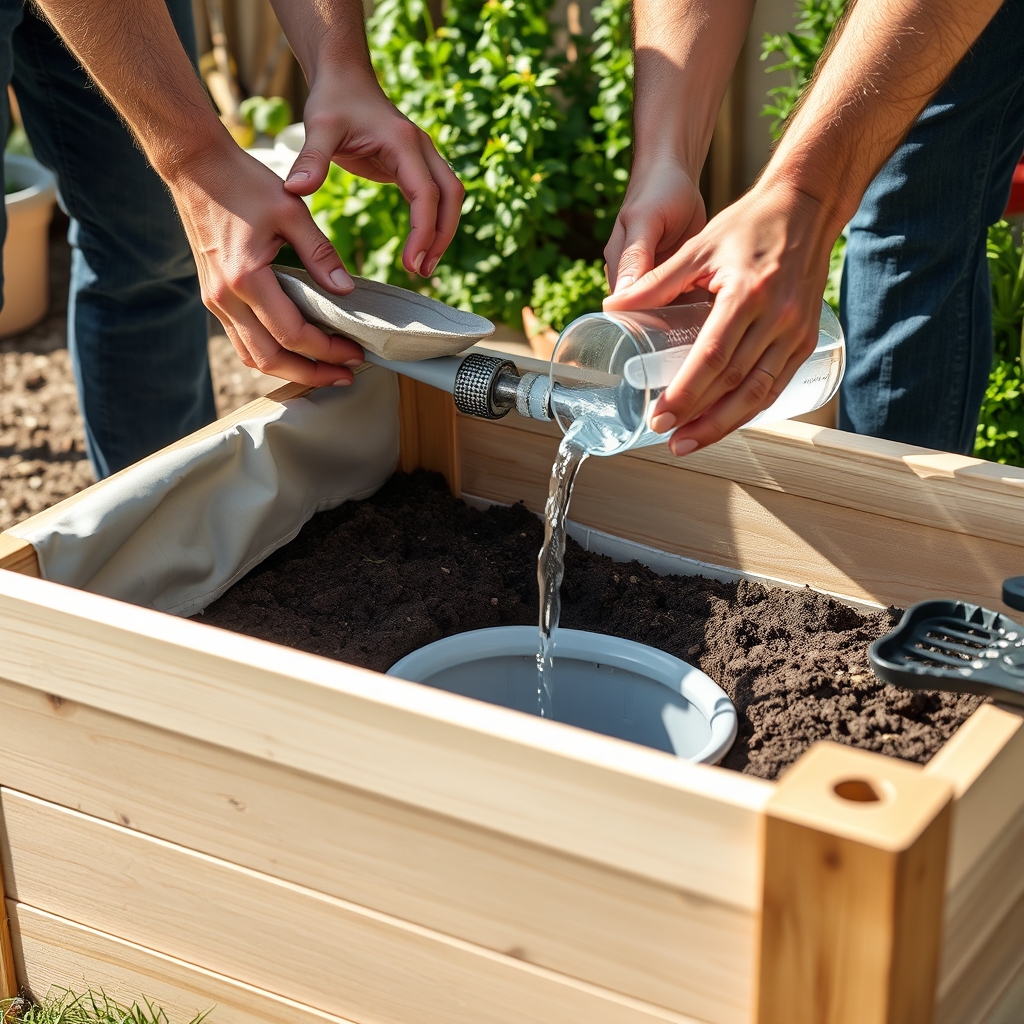
Salt buildup, if not handled, can steadily hurt yields—so don’t skip that flush. For more ways to conserve water at home (inside and outside), read our rainwater harvesting system guide.
Simple maintenance routine to avoid the top complaints
No self-watering raised garden bed is zero-maintenance, but a smart, repeatable routine takes less than 10 minutes per week and prevents nearly all major issues. (FrameItAll + synthesized answer)
Practical Maintenance Checklist
- Check the water gauge and refill reservoir (weekly; more in summer droughts)
- Inspect overflow/drainage and all seals (monthly or after storms)
- Flush the reservoir with clean water to remove salts (quarterly or at season end)
- Anchor or brace large/tall beds, especially those on wheels, to prevent movement in wind
- Replace or wash wicking material/ inserts annually for best performance
- Winter care: Drain and store plastic parts (in freezing climates), loosen gauge to avoid cracks
Remember: “Users must still refill reservoirs and perform routine garden care—self-watering is low-maintenance, not no-maintenance” (FrameItAll).
Best pick for your situation — quick buyer recommendations
Choose the right self-watering raised garden bed for your real-world needs—not just the slickest photo. Here are four clear winners, each with a best-fit profile:
- Best budget pick: Costco Cedar Planter — Real wood, solid warranty, big enough for home veggies, and the lowest price per square foot (Apartment Therapy).
- Best long-term durability: Vego Modular Coated Steel Bed — Coated steel is proven in multi-year user tests, modularity means it holds up across garden moves and expansions (Wirecutter).
- Best modular/expandable: Gardener’s Supply Modular Self-Watering Bed — Can connect multiple units for a growing garden or experiment with crop rotation (TheCottagePeach).
- Best for commercial/municipal: EarthPlanter Commercial-Grade Self-Watering System — Tested in city parks, delivers reliably lower refill frequency and stands up to heavy use. “EarthPlanter notes reduced watering frequency and success in municipal parks—strong indicator for heavy-use/commercial applications” (EarthPlanter).
For additional pro-grade home upgrades, see the small bathroom renovation guide for multi-year ROI strategies.
| Need | Must-Have Features | Good Match Model(s) |
|---|---|---|
| Low-Maintenance | Large reservoir, durable water gauge, engineered overflow | Costco Cedar, EarthPlanter |
| Mobility/Modularity | Wheels, tall bed, modular joiners, stable base | Vego Modular, Gardener’s Supply Modular |
| Long-Term Value | UV/rot-resistant material, warranty, parts availability | Vego, EarthPlanter |

Closing CTA — how to decide right now
Ready to pick your self-watering raised garden bed? Here’s a quick 3-step shortcut:
- Choose your top 2–3 models and compare: reservoir size (minimum 5+ days), wheel or modular needs, expected material lifespan and warranty.
- Double-check for a true overflow design and a visible water gauge.
- Set a calendar reminder to perform monthly and seasonal maintenance—this is what separates happy long-term owners from most of the bad reviews.
Top-selling options exist at multiple price points (e.g., Costco cedar at $149.99)—so match real-world features to your household’s needs and expected lifecycle cost (source: Apartment Therapy, synthesized).
A self-watering raised garden bed is a practical time-saver, but only if you choose, set up, and maintain the right design. That’s the path to harvests you can count on for years.
FAQ
Do self-watering raised garden beds work for all types of vegetables?
They work best for common annuals (tomatoes, peppers, greens, herbs). Deep-rooted or very large crops may need additional watering or oversized reservoirs.
How often do I need to refill the reservoir?
Most designs need refilling every 5–10 days. This varies by season, plant size, and rainfall.
What’s the most reliable self-watering raised garden bed material?
Coated galvanized steel and real cedar are the most proven for 3–5+ years. Avoid thin, uncoated metal beds or plastic without UV protection.
Can I turn my old raised bed into a self-watering system?
Yes—modular insert kits can retrofit most standard beds, providing capillary watering and overflow, though reservoir size will be smaller.
Is regular maintenance really necessary?
Yes. Regularly checking water level, drainage, and flushing the reservoir prevents 90% of reported issues like leaks, salt buildup, and overwatering. “Self-watering” means lower—not zero—maintenance.