


Table of Contents
Insulated garage door upgrades are one of the fastest ways to cut your energy bill if your garage is attached to your home, but not all options truly deliver the savings (or comfort) you might expect. Here’s how to calculate real ROI, find the best insulated garage doors, and sidestep common regrets before you buy or install.
Key Takeaways
- Upgrading to an insulated garage door typically reduces home energy costs by 10–15%—more in harsh climates or when the rest of the garage is well-insulated.
- Top ROI comes with attached garages, the right R-value, and correct installation; ignoring these can undermine payback.
- Advanced insulation upgrades and a whole-garage approach amplify savings but are often overlooked in most guides.
Why an insulated garage door matters for your energy bill
The main reason an insulated garage door matters is temperature control. If your garage is attached, a non-insulated door leaks heat in winter and brings in heat in summer. That increases the load on your home’s HVAC system, especially if there’s a bonus room or living space next to or above the garage. Data from multiple studies shows that homeowners can expect a 10–15% reduction in energy costs by upgrading to an insulated garage door. These savings can be even higher in severe climates or where the garage acts as a major buffer zone (source).
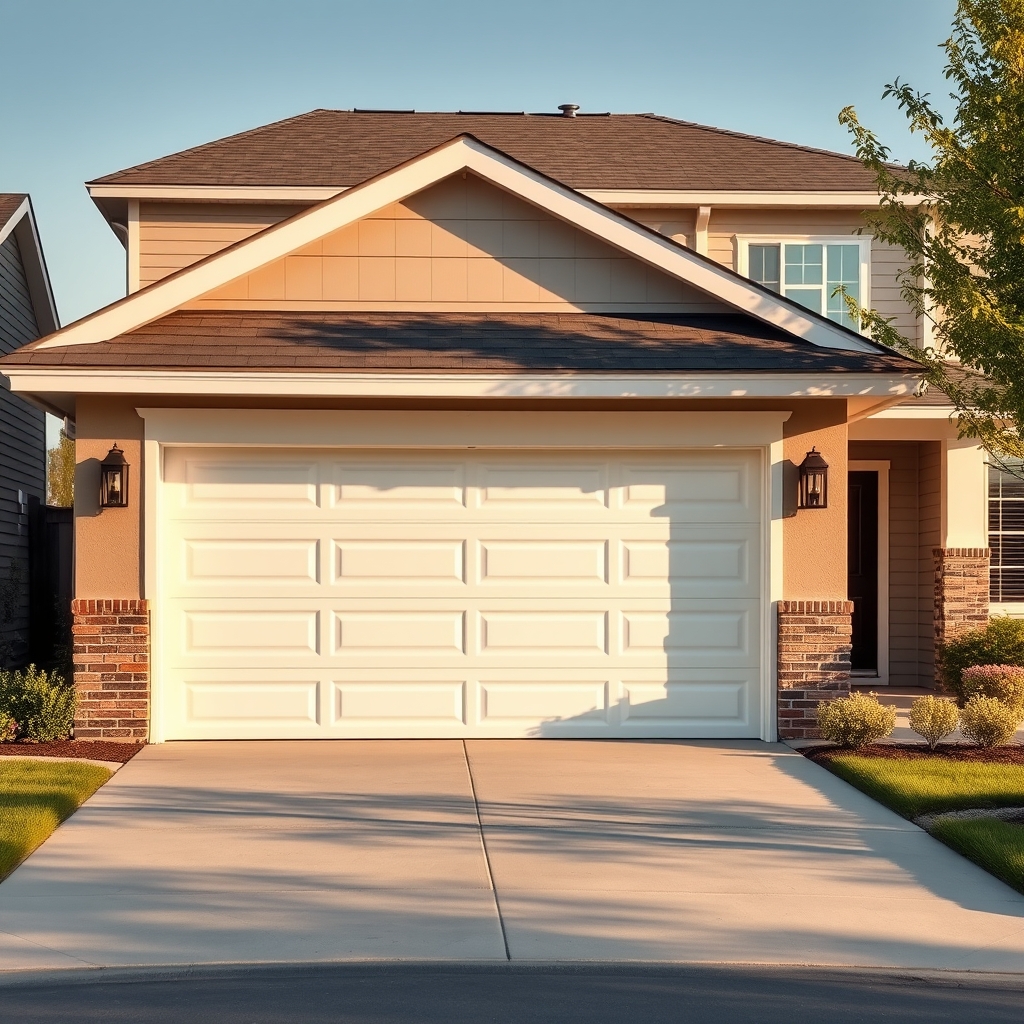
Uninsulated garage doors are the weakest link in a home’s energy envelope. Properly selected and installed insulated doors are a high-ROI upgrade, not just a comfort bonus.
How garage doors insulate—materials, cores and R-values explained
Insulated garage doors work by adding heat flow resistance (R-value) through extra layers and insulating cores. Here’s what matters:
- Single-layer doors: Thin, single-material, almost no real insulation (often R-2 or less).
- Double/triple-layer insulated doors: Have a core material—either polystyrene core (foam board) or polyurethane (spray foam). Multiple layers mean less heat transfer and better noise reduction.
- Polystyrene core: Budget-friendly, common, usually good for an R-value around 6–9.
- Polyurethane core: More expensive but delivers R-12 to R-18, plus twice the thermal resistance per inch compared to polystyrene.
Why does R-value matter? It determines annual savings:
| Door Type | Approx. R-value | Est. Annual Energy Loss | Potential Annual Savings vs Uninsulated |
|---|---|---|---|
| Uninsulated Steel (single-layer) | R-2 | $325 | — |
| Polystyrene (multi-layer) | R-9 | $72 | $253 |
| Polyurethane (multi-layer premium) | R-16 | $41 | $284 |
These figures assume an attached garage; savings vary if the rest of the envelope is poorly insulated (source).
When an insulated door actually delivers ROI (attached vs detached & whole-garage context)
Insulated garage doors pay off best when your garage is attached to your house and shares walls or floors with heated/cooled living space. In detached garages, energy savings are minimal or non-existent, as there’s no connection to your home’s envelope. For these users, comfort and noise reduction become top reasons—but don’t expect a real ROI.
Payback also depends on:
- Local climate (cold, hot, or year-round swing climates benefit most).
- How well your garage walls and ceiling are insulated. If only the door is insulated, much of the benefit is lost.
- How you use the garage—workshops and gyms see more comfort impact.
Detached garage owners: Insulated doors may add value, but not measurable energy savings.
The realistic range of energy savings—and why studies differ
You may see claims of “up to 70% energy loss reduction” with insulated garage doors. That’s usually true only for energy lost through the door itself, not your entire home’s energy bills. Real-world household energy cost reductions sit in the 10–15% range, per industry and manufacturer sources (source).
- An insulated door may reduce heat transfer through that opening by up to 70% vs. a non-insulated door.
- Your overall bill savings depend on the share of energy lost through the garage and whether the rest of the garage envelope is upgraded.
Calculating ROI? Always consider both door and full envelope impact. And if you’re aiming for a net-zero ready home, an energy efficient garage door is an essential step (but not the only one).
Common complaints and buyer regrets—what to avoid
Investing in the best insulated garage doors solves one problem—at a cost. Here’s what homeowners most often regret:
- Higher upfront cost: Insulated garage doors cost significantly more than non-insulated ones. Cheaper models may have lower R-value or poor durability.
- Heavier weight: Extra layers mean heavier doors, which stress openers and springs unless properly spec’d.
- Minimal benefit if open often: If you keep your garage door open for long periods (workshops, parties, pets), you’ll lose most insulation benefit (source).
- Poor installation: Bad weatherseals or alignment lead to leaks and kill expected ROI.
| Common Complaint | Practical Solution |
|---|---|
| High upfront cost | Use R-value to assess true savings; prioritize mid-to-high R for attached garages in extreme climates |
| Heavy door strains opener | Check and upgrade opener torque and spring rating during installation |
| Minimal benefit when often open | Optimize opening/closing habits or select light insulation if always open |
| Poor installation (bad seals, misalignment) | Verify installer expertise; insist on pro-grade weatherstripping and alignment |
For more on maximizing ROI, see our WaterSense fixtures savings guide and heat pump dryer pros/cons.
How to choose the best insulated garage door (spec checklist)
Here’s a simple checklist to select the right insulated garage door for your needs:
- R-value: Aim for at least R-9 in mild climates; R-12 to R-16 for severe (snowy/freezing or hot desert) zones. Anything lower won’t produce meaningful payback.
- Insulation core: Polyurethane foam outperforms polystyrene. If your budget allows, choose polyurethane for the best long-term energy reduction.
- Material: Steel is common, but look for doors with thermal breaks (not continuous metal from inside to outside). Wood or composite doors can also be effective.
- Weatherstripping and seals: Prioritize doors with heavy-duty perimeter and threshold seals to stop leaks. Bad seals erase insulation gains.
- Opener requirements: Opener requirements: Ensure your garage door opener and springs are rated for extra weight.
- Installer quality: Choose a reputable installer; review credentials and warranty.
Compare energy loss and savings by R-value before purchasing:
- R-2 (uninsulated): ~$325/year energy loss
- R-9 (polystyrene): ~$72/year
- R-16 (polyurethane): ~$41/year
Thinking whole-house? Pair with smart thermostats to maximize energy efficient garage door savings.

Garage insulation ideas that top-ranking articles miss (opportunity gap)
Standard guides push new doors, but skip whole-garage tactics and advanced technologies that amplify return. Here’s what most buyers and articles overlook:
- Full envelope approach: Add insulation to garage walls and ceiling, not just the door, for maximum comfort and ROI. Combine with garage door upgrade for best performance.
- Thermal breaks in metal doors: Choose insulated doors with true interior-exterior metal separation (thermal break) to stop conductive heat leaks.
- Insulated tracks and rollers: Upgrade to insulated or low-thermal-conductivity door tracks and rollers for extra reduction in thermal bridging.
- Radiant barriers: Attach radiant barrier film inside the garage door or on walls to reflect infrared heat in hot climates.
- Advanced weatherseal systems: Install rigid threshold seals and magnetic seals, not just standard rubber gasket, for ultra-low leakage.
- Smart HVAC integration: Use smart thermostats or zone dampers to separate garage from house when the door opens; this keeps the savings real (learn more).
Bonus: Connect garage door upgrades with garage organization systems for improved air flow and access to insulation points.
Sample long-term savings & payback scenarios (3 quick case studies)
Here’s how insulated garage doors pay off in real dollars:
- Case 1: Mild-climate, attached garage, upgrade from R-2 to R-9
Upfront cost: $1200
Old energy loss (door): $325/year > New loss: $72/year
Annual savings: $253
Payback: ~4.7 years - Case 2: Cold-snowy climate, attached garage, upgrade from R-2 to R-16
Upfront cost: $1800
Old loss: $325/year > New loss: $41/year
Annual savings: $284
Payback: ~6.3 years - Case 3: Detached garage, upgrade R-2 to R-9
Upfront cost: $1200
No real HVAC bill savings. ROI depends on comfort/noise only.
In all cases, LVP flooring upgrades or tankless water heater projects can stack with garage energy upgrades for broader ROI.
Always re-calculate payback if your garage has uninsulated walls or ceiling. Combined upgrades—preferably as part of a smart renovation plan—shorten payback and improve comfort.
Installation & maintenance tips to avoid regrets
Even the best insulated garage doors can underperform if installed poorly or maintained incorrectly. Here’s how to avoid rookie mistakes:
- Confirm opener & spring capacity before purchase; don’t let an undersized opener struggle (or wear out fast).
- Insist on pro-quality weatherstripping and threshold installation to seal all air gaps.
- Have the installer balance the door, test auto-reverse sensors, and adjust tracks after hanging.
- Request extended hardware and insulation warranties where available.
- Check for soundproofing benefits—insulated doors also reduce outside noise.
For more maintenance tips, review our guide to garage organization systems or see indoor comfort upgrades like home office soundproofing.
Final checklist & recommended next steps (for buyers ready to act)
Before ordering or installing an energy efficient garage door, run through this actionable checklist:
- Attached or detached? Only expect ROI with attached and well-sealed garages.
- Choose target R-value based on your climate and usage. R-9 is bare minimum for comfort; R-14+ for cold/hot states.
- Get an all-in cost—including upgraded opener, weatherseals, and disposal of old door.
- Ask for written energy savings modeling (not just “up to” marketing claims).
- Vet installer references, insurance, and warranty policies.
- Stack with garage wall/ceiling insulation for better payback.
Ready to capture long-term savings? Homeowners can generally expect ~10–15% energy cost reduction—often $250+ per year—when upgrading to an insulated garage door. Get a quote with your desired R-value and a modeled payback, or request a professional insulation audit before deciding.
FAQs
How much does an insulated garage door cost compared to a basic one?
Insulated garage doors typically cost $400–$1200 more than non-insulated models of similar style and size. Higher R-value or specialized materials push cost up further. Installation and required opener/spring upgrades may increase the total.
Will an insulated garage door help in a detached garage?
No meaningful energy bill savings for detached garages, since they are not connected to your conditioned living spaces. Insulated doors in detached garages do provide comfort and noise reduction if you use the garage as a shop or gym.
What’s the minimum R-value recommended for an insulated garage door?
R-9 is the practical minimum for attached garages. In climates with extreme heat or cold, aim for R-12 to R-16 for real payback. Anything lower is not likely to deliver noticeable energy savings.
Can I install an insulated garage door myself?
It’s possible for experienced DIYers, but heavier insulated doors require careful attention to opener torque, spring tension, and safety sensors. Professional installation is recommended for most homeowners to avoid safety risks and ensure optimal sealing.
How else can I reduce heat loss from my garage?
Add wall and ceiling insulation, seal penetrations, use advanced weatherstripping, and consider radiant barriers. For best impact, combine multiple methods to address the entire garage envelope—not just the door.