

Table of Contents
Basement finishing ideas are the fastest way to add usable space, boost property value, and meet family needs—if you plan smart and avoid common code, moisture, and ROI mistakes. This realistic guide shows exactly how to get it right, with 2024–2025 cost data, step-by-step actions, and pro-level tips every homeowner should know before starting their project.
Key Takeaways
- Finishing your basement recoups an average of 70–71% of cost at resale, with higher ROI if you add bedrooms, suites, or flexible layouts that fit today’s buyer trends.
- Skipping crucial steps like waterproofing, legal egress windows, or permits can cause expensive headaches, mold issues, or slice thousands off your resale value.
- Practical, durable, and budget-friendly choices—like luxury vinyl plank (LVP) flooring and exposed painted ceilings—stretch your budget without sacrificing comfort or looks.
Why Finish Your Basement in 2025? (Value, Lifestyle, and ROI)
Turning your unfinished basement into usable living space is one of the highest-ROI home improvements you can make in 2025. With national remodeling surveys showing finished basement ROI averages 70%–71% at resale (and up to 80–86% in high-value real estate markets), you’re not just adding square footage—you’re boosting your home’s appeal and flexibility for years to come.
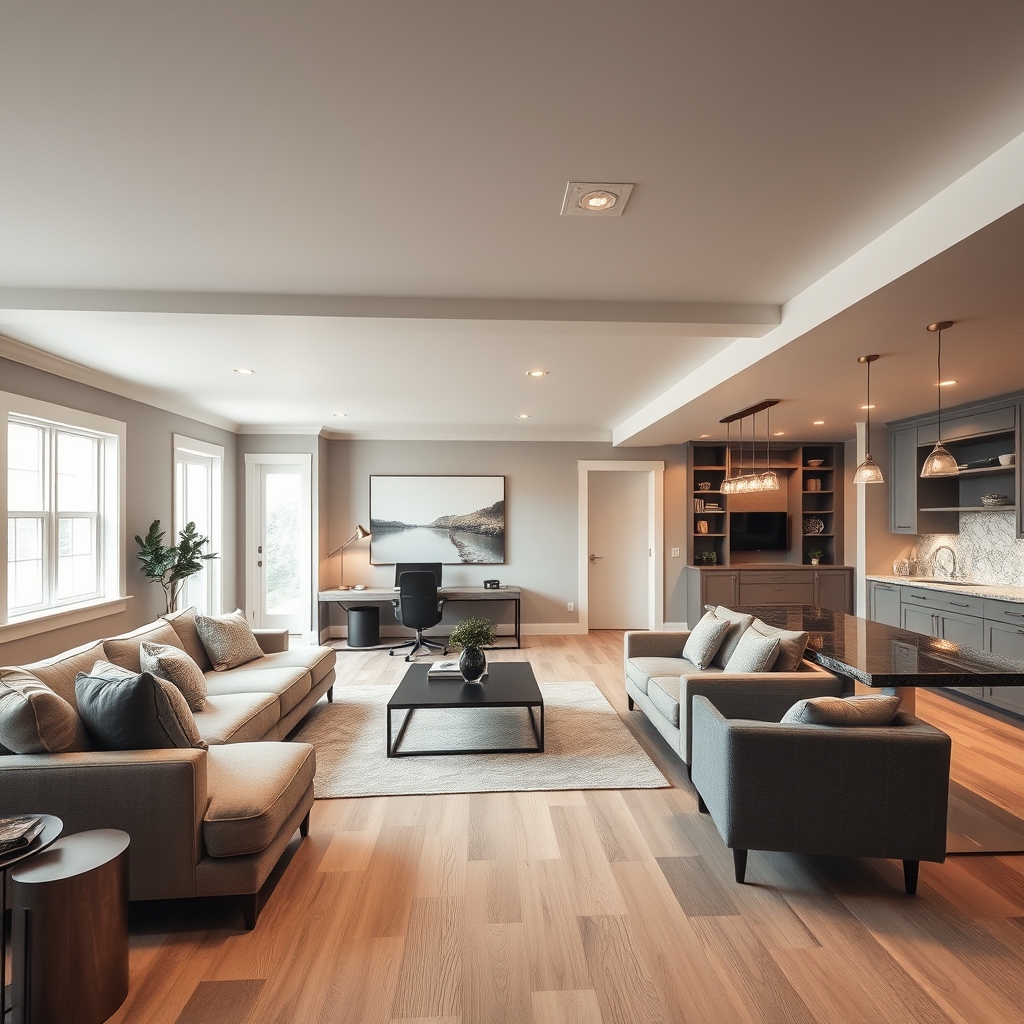
A finished basement solves real-world needs: a quiet home office, space for guests, a rental suite, or a play zone for kids. And because you’re working within your existing footprint, the project is typically faster and less expensive than building an above-ground addition.
- Multifunctional space: Reconfigure as your family grows or life changes (think home office now, media room later).
- Modern buyer appeal: Home shoppers in their 30s–50s routinely cite extra bedrooms, separate suites, and rec space as top wants, according to national real estate surveys.
- Energy savings: When properly air-sealed and finished, basements can cut home heating and cooling bills by 5—15%, or about $200–$400 per year [source].
Step-by-Step Guide: How to Finish Your Basement for Maximum ROI
Achieving a strong finished basement ROI (and safe, comfortable space) means focusing on proper sequencing—not just cosmetic upgrades. Here’s a step-by-step action plan for 2024–2025, with real cost and time guidance.
1. Moisture Assessment & Waterproofing ([details])
- Budget: $2,000–$12,000 depending on issues.
- Check for visible water, musty smells, or flaking paint. Consider a calcium chloride test for vapor.
- Fix: Add sump pump, French drain, and seal cracks before finishing walls or floor.
2. Layout Design & ROI Maximization
- Sketch your ideal zones—bedroom, office, rec space. Remember: open layouts make 700 sq ft feel like 900+ sq ft and cost less to build (LVP & open ceiling trends).
- Flexible spaces (movable furniture, partitions) help resale and daily life.
3. Permits and Egress Windows
- Permit fees: $500–$2,000 on average. Start this process early to avoid fines or delays (see permit guide).
- Bedrooms must have legal egress: Window opening area of 5.7 sq ft; installation costs $3,000–$10,000 per window. Skipping egress = illegal bedroom and lower appraisal ROI.
4. Durable, Budget-Smart Finishes (LVP Flooring Guide)
- Choose LVP flooring ($2–$4/sq ft material, lasts 15–20 years in basements). Avoid carpet or hardwood below-grade. LVP resists moisture and is trending strongly for under-$15K remodels.
- Walls: Consider paintable wall systems with built-in vapor barriers.
- Ceilings: Save thousands by painting exposed joists in an “industrial” style versus full drywall drop ceiling.
5. Insulation, HVAC, and Energy Upgrades
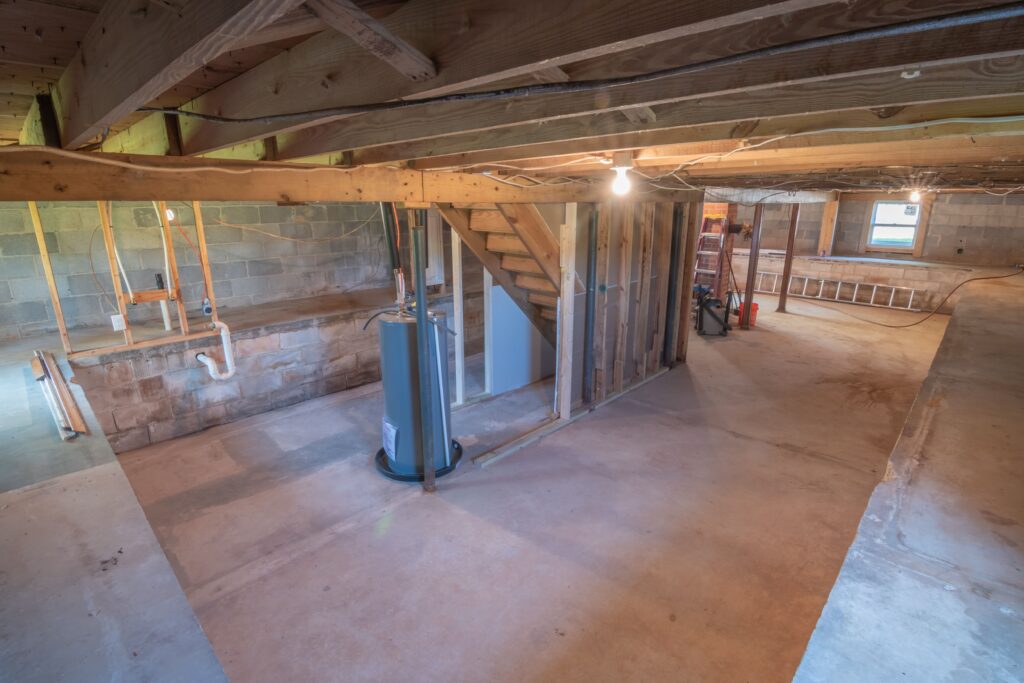
- Insulate exterior walls with closed-cell spray foam or foam board ($1,000–$6,000). This reduces drafts, controls humidity, and lowers bills long-term. Read our spray foam cost guide.
- Extend your HVAC system if possible, or use energy-smart electric heaters or mini-splits if ducting is limited.
- Address radon early. Mitigation: $1,800–$2,500.
6. Final Touches: Lighting & Smart Upgrades
- Opt for LED ceiling lights and modern under-cabinet lighting for bars or kitchenettes (under-cabinet lighting ideas).
- Integrate a smart thermostat to save on utility costs (smart thermostat installation tips).
For structure-specific tips (like wall partitioning or waterproofing best practices), consult our budget home renovation series for transferable techniques.
Advanced Analysis & Common Pitfalls (What Most Homeowners and Guides Miss)
Even careful renovators overlook critical areas. Here’s how you can sidestep the most common mistakes and maximize your investment.
Table: Typical Basement Remodel Costs and ROI by Feature (2024–2025)
| Component/Feature | Average Cost | Typical ROI (%) | Risk if Skipped |
|---|---|---|---|
| Waterproofing & Moisture Control | $2,000–$12,000 | 60–80 | Mold, damage, lost ROI |
| Egress Window Installation | $3,000–$10,000 | 40–90 (if bedroom added) | Bedroom ineligible at resale, safety risk |
| Permits & Inspections | $500–$2,000 | Up to 100 (avoids fines, full appraisal) | Liability, lost value, must redo work |
| LVP Flooring (vs. carpet/laminate) | $2–$4/sq ft (materials) | 75–90 | Warping, mildew, early replacement if not used |
| Insulation & Air Sealing | $1,000–$6,000 | 5–15% energy savings | Uncomfortable & expensive to heat/cool |
Common Pitfalls and How to Avoid Them
- Moisture disaster: Skipping true waterproofing often leads to mold, mildew, and ruined finishes in just a few years. Always address before framing.
- Egress/permit errors: Many DIY and budget contractors overlook the egress window size or height, causing bedrooms to be “illegal.” This means appraisers (and buyers) won’t count them—slashing your finished basement ROI.
- Finish mistakes: Standard carpet, laminate, or non-moisture-rated drywall will deteriorate fast. Read our LVP flooring durability guide or compare with SPC vs laminate flooring for best choices.
- Budget traps: Over-customizing or splurging on luxury finishes rarely delivers payback, especially in mid-market neighborhoods. Focus spending on code compliance, layout flexibility, and energy upgrades for best resale results.
- Resale timing: Not every area values finished basements equally—ROI can swing from 65% to 86% based on your region, current market, and whether you add legal bedrooms/suites or just extra rec space [regional cost guide].
Conclusion: Start Your Basement Project the Right Way
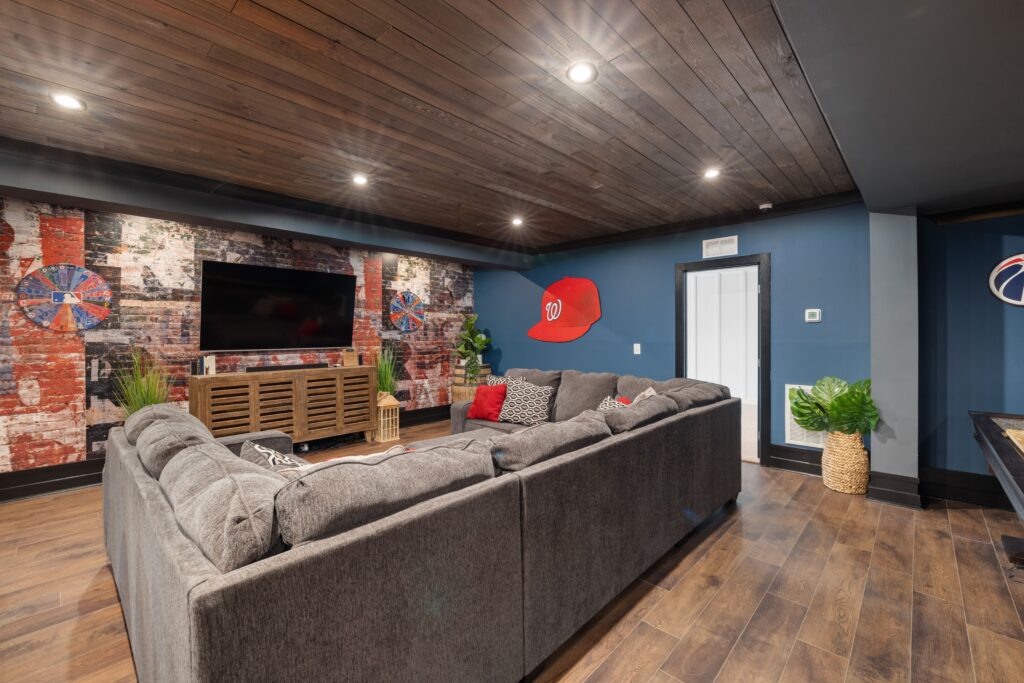
Smart basement finishing ideas are about more than just style—they’re about maximizing value, comfort, and safety for years to come. Follow this transparent roadmap: prioritize waterproofing, invest in code-compliant finishes and legal egress, and pick materials proven to last in basement conditions. Whether you dream of a basement home office, bedroom, or flex space, these steps will deliver strong ROI and daily enjoyment. Ready to get more from your home? Start with a moisture test—and download our printable basement planning checklist to begin!
FAQ: Basement Finishing Ideas (2024–2025)
How much does it cost to finish a basement in 2025?
National averages range from $30–$75 per square foot depending on finish quality. Mid-sized basements typically cost $17,000–$34,000 in total, plus waterproofing ($2,000–$12,000), permit fees ($500–$2,000), and egress window costs ($3,000–$10,000 each).
Can I finish my basement cheaply and still get good resale value?
Yes, if you avoid moisture-prone finishes like carpet and focus on LVP flooring, painted exposed ceilings, and open layouts. Always get permits—and add code-legal egress if you want bedrooms counted at appraisal.
What’s the biggest mistake people make finishing basements?
Skipping waterproofing, failing to install legal egress for bedrooms, and using low-cost but non-moisture-resistant finishes. These choices cost much more in repairs and lost value later.
Are finished basements energy efficient?
When properly insulated and air-sealed, finished basements can reduce heating or cooling bills by 5—15%, or $200–$400 per year for a typical household.
Do I need a permit to finish my basement?
In most areas, yes—especially if adding bedrooms, baths, or egress windows. Unpermitted work can’t be legally counted at resale and may need to be redone before selling.