


Table of Contents
SPC flooring is changing the game for anyone wanting a truly waterproof, worry-free floor in 2024. If you’re planning a remodel for your kitchen, bathroom, or basement—or weighing SPC against laminate—this actionable guide covers the installer-grade details that most blogs skip. Here’s what you need to know before you buy or install.
Key Takeaways
- SPC flooring is 100% waterproof with a rigid core, making it ideal for wet or high-traffic spaces in 2024.
- Poor prep—especially moisture control—is the top cause of post-installation SPC issues. Always test before you lay.
- Use a pre-purchase and install checklist to avoid gaps, edge swelling, and voided warranties.
Why SPC is the waterproof flooring to watch in 2024
Stone plastic composite flooring, or SPC flooring, has surged in popularity this year for one simple reason: it solves real, everyday water problems that homeowners face. SPC’s mineral-filled rigid core is completely waterproof and won’t swell, buckle, or delaminate when exposed to water. That stability has made it the #1 choice for wet rooms—including kitchens, bathrooms, laundry spaces, and below-grade basements—where lesser products fail.
According to industry data, SPC flooring grew 18% YoY in the UK in 2024 as buyers demand true waterproof protection and resilience over traditional options. Its durability, scratch resistance, and low maintenance also make it a leading pick versus wood or laminate, especially for busy families and pet owners. Notably, the rise of realistic textures and click-lock systems now allow DIYers to achieve a premium look without specialized tools.

Still, SPC isn’t the cheapest upfront investment, and failing to address moisture in the subfloor—or choosing the wrong underlayment—remains a common (and costly) mistake. That’s why it pays to use a checklist and understand where SPC shines, and where corners simply can’t be cut.
Short, actionable SPC installation guide (step-by-step)
For homeowners or DIYers, installing stone plastic composite flooring isn’t hard—but flawless waterproof results demand attention to detail that many guides skip. Here’s a field-proven workflow installers follow.
1. Pre-install checks
- Test subfloor moisture (ASTM F2170 for concrete, or an equivalent meter; results should match SPC manufacturer specs—typically <75% RH for concrete, but consult your warranty).
- Ensure floor flatness: variance should not exceed 3mm over 2 meters (check your brand).
- Remove all dust, loose paint, and high spots. Gypsum-based levelers are OK for dry areas but not recommended for wet installations [1].
- Acclimate SPC for 24 to 48 hours at actual room temperature (manufacturer specific).
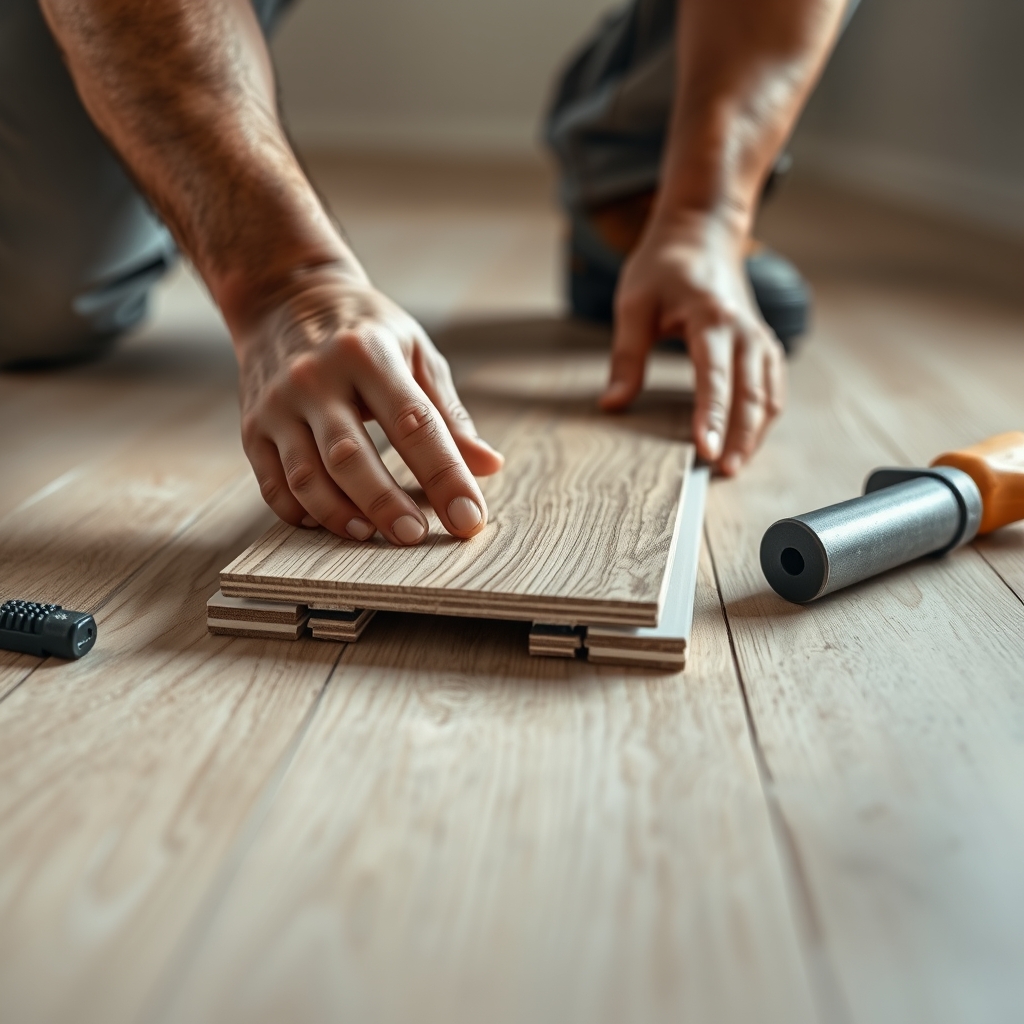
2. Substrate prep
- For minor high spots: Grind or sand down; for low spots, feather-patch. For major unevenness (>1cm), use cement-based self-leveler.
- Never install SPC directly over wet or uncured subfloors. Moisture can migrate up and cause buckling or discoloration weeks later.
3. Underlayment and edge gaps
- Use only underlayments approved by your SPC manufacturer. Closed-cell foam or vapor-barrier types are usually required for below-grade/basement installs.
- Leave manufacturer-specified expansion gaps (usually 6-10mm) at all fixed edges and around pipes and posts. Never fill with rigid caulk—use compressible backer rod and flexible sealant.
4. Laying and locking
- For click-lock: Lay planks staggered, gently tapping joints into place (never force).
- For glue-down: Use only adhesive types recommended by the SPC manufacturer. Trowel notch and open time are critical. Roll with a 100 lb roller in both directions as you work.
5. Post-install checks
- Check every seam for gaps or unevenness. Correct immediately before adhesive sets or before traffic is allowed.
- Keep heavy appliances off new floors for at least 24 hours after installation. Don’t wash for 48 hours.
For more on prep and subfloor best practices, see our detailed LVP flooring guide.
Advanced analysis & common pitfalls
Industry stats show that “SPC is 100% waterproof while laminate is water resistant (can swell)” [4]. Still, the biggest reason SPC floors fail is not product quality—it’s mistakes during prep or install. Let’s break down how SPC stacks up against laminate, and why common problems happen.
| Feature | SPC (Stone Plastic Composite Flooring) | Laminate |
|---|---|---|
| Waterproof? | 100% waterproof (will not swell) | Water-resistant, but can swell and warp if exposed |
| Core Material | Stone + plastic rigid core | Wood fiber (high-density) |
| Best For | Bathrooms, kitchens, basements, mudrooms | Dry living rooms, bedrooms, limited wet contact |
| Typical Wear Layer | 0.2 – 0.7 mm | 0.2 – 0.4 mm |
| DIY Installation? | Yes (with click-lock); floating/glue-down | Yes (with click-lock); floating |
| Price (2024 estimate) | $2.50 – $6.00/sq.ft. (material only) | $0.90 – $2.50/sq.ft. (material only) |
Common homeowner complaints with SPC flooring
- Gaps and uneven seams – Often from installing on uneven subfloors or skipping acclimation;
- Locking failures – Click joints forced together, broken, or filled with debris;
- Edge swelling or peaking – Usually from moisture underneath, poorly sealed perimeters, or no expansion gap;
- Hollow spots or bouncing feel – Caused by inadequate underlayment or voids in subfloor prep;
- Discoloration or warping – Moisture rising up through slabs, especially if subfloor not tested/sealed.
Vendor reviews and commercial research confirm: most warranty disputes and replacing SPC flooring come down to installer error, not the material. Thin, bargain lines (low wear layer) suffer quickest from dents and scratches, driving many homeowners back to higher-quality resilient floor options [10].

Three crucial installation points most guides miss:
For more home upgrade strategies, check out how WaterSense fixtures can cut water bills or see net-zero home upgrades.
Final recommendation — who should pick SPC and how to mitigate risk
If your top priority is waterproof performance—whether it’s for kitchens, baths, or basements—SPC flooring is the 2024 market leader. The extra cost compared to laminate pays for itself in peace of mind and hassle-free cleanup. Use real prep: test for moisture, choose the right underlayment and adhesives, and don’t cut corners on acclimation or edge gaps. When in doubt, hire a manufacturer-certified installer to avoid voiding your warranty.
For dry, low-traffic rooms, laminate may still work—just accept the risk if water ever leaks. Ultimately, routine checks and accurate installation are what keep your SPC investment flawless for years.
Ready to get started? Review this guide, print the checklist, and make your next flooring project one you never have to redo. For more durable flooring options, learn about LVP flooring as an alternative to SPC flooring.
Don’t forget: proper research (and a checklist!) will guarantee your SPC flooring delivers waterproof performance and zero headaches from day one.
FAQ
What makes SPC flooring truly waterproof?
SPC (stone plastic composite) has a rigid, mineral-filled core that does not absorb water and won’t swell, buckle, or delaminate—even in standing water. Always confirm your product’s waterproof rating with the manufacturer.
Is SPC better than laminate for bathrooms and kitchens?
Yes. SPC is 100% waterproof, while laminate is only water-resistant and can swell or warp with exposure. Use laminate only in dry areas.
Do I need to test subfloor moisture before installing SPC flooring?
Absolutely. Even over “dry” concrete or old tile, trapped moisture can migrate and damage SPC. Use an ASTM F2170 meter or your SPC brand’s recommended method. Document results for your warranty.
Can I install SPC flooring myself?
Most homeowners can install click-lock SPC on their own. For glue-down installs or tricky basements, professional help is often worthwhile, especially for proper subfloor prep and warranty coverage.
What’s the most common post-install issue with SPC flooring?
The most reported issues are gapping seams, edge lifting, or discoloration—usually tied to moisture problems, uneven subfloors, or improper adhesives/underlayment. Following an installer-grade checklist helps avoid these headaches.
—