

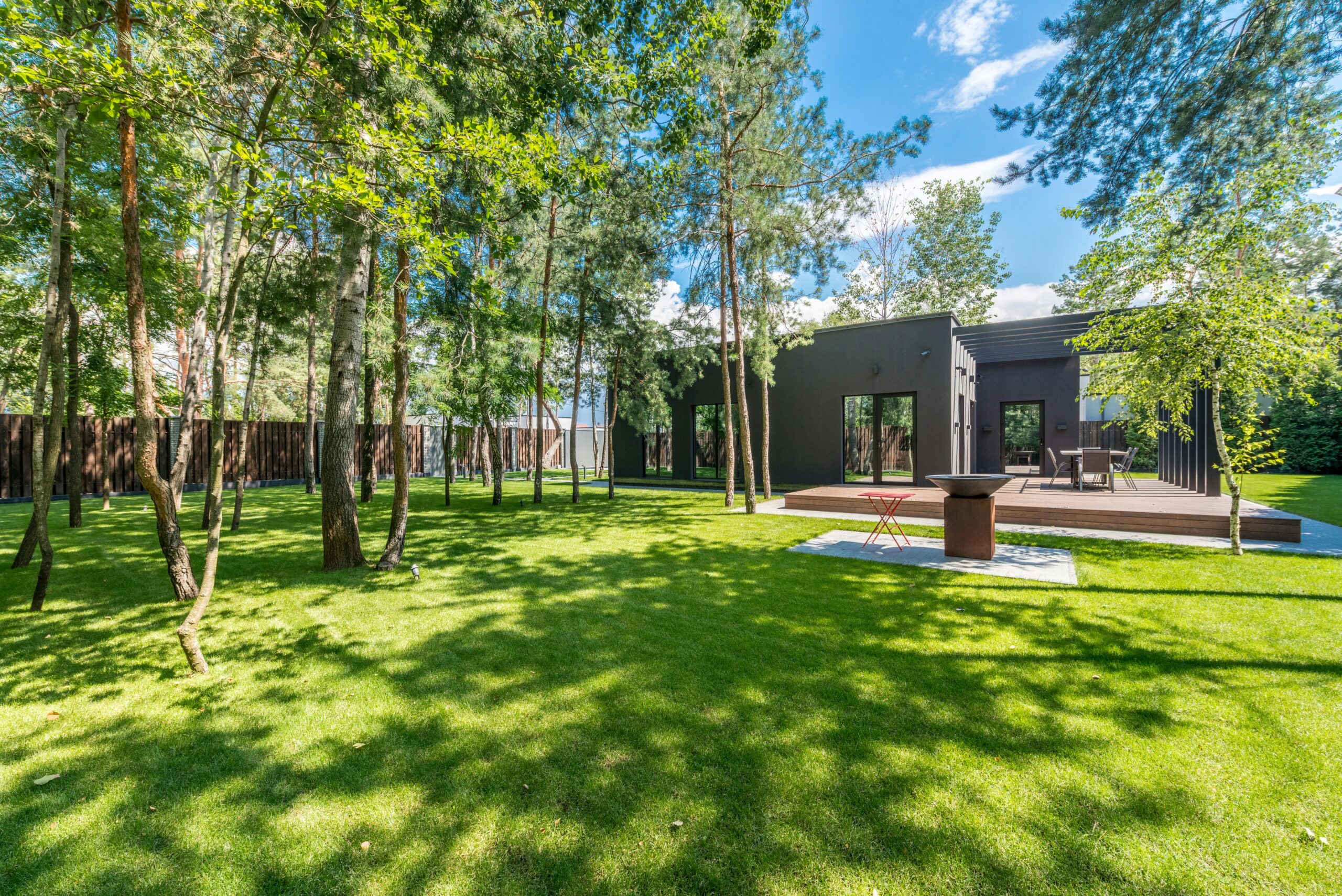
Wire-free robot mower large yard solutions are transforming how 1-plus-acre homeowners handle lawn care—but cutting through the hype requires focusing on real-world reliability, slope capability, and maintenance, not just glossy coverage statistics. If you own a large, sloped lawn with trees, this guide is for you.
Key Takeaways
- Top wire-free RTK robot mowers in 2026 claim up to 10.5 acres coverage and tackle slopes up to 70%, but real performance depends on your site’s layout and obstacles.
- Focus on signal reliability, battery runtime, slope handling, and service ease—brand claims often overlook setup complexity and long-term costs.
- Don’t buy on acreage or features alone: audit your landscape, quiz the dealer, and insist on a site-specific demo before purchasing a wire-free robot mower for a large yard.
Quick take — Best wire-free robot mowers for 1+ acre yards (short list)
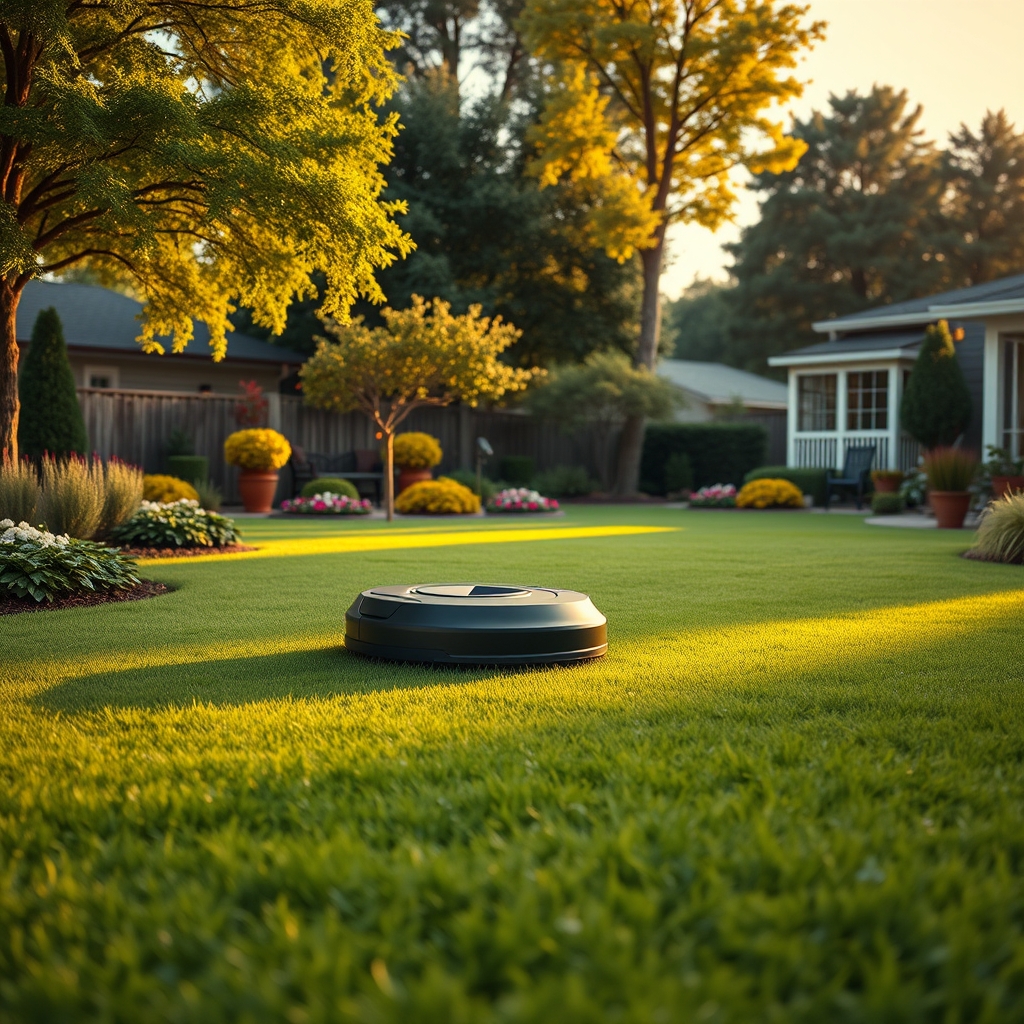
Here are the best robot lawn mower 1 acre 2025 candidates for large suburban and estate lawns—and why they stand out for wire-free robot mower large yard applications:
- Kress RTK Mission Mega (RTKn): Up to 10.5 acres. Largest wireless coverage and rapidly improving support for parks and commercial grounds. [source]
- Husqvarna Automower EPOS/NERA: Up to ~2.5 acres, robust commercial ECOsystem, best-in-class slope claim (up to 70%) and field reliability. [source]
- Segway Navimow X350/X600: RTK navigation, covers up to 1–2.5 acres, excels at mapped complex lawns with app-driven tuning.
- Yarbo Lawn Mower: Multi-sensor fusion (RTK-GPS, vision, IMU), all-wheel drive, 1+ acre and high slope capability; strong if you want to avoid perimeter wire even under moderate tree cover. [source]
- Mammotion LUBA AWD: Wire-free, up to 1.25 acres, unique all-wheel drive for moderate hills; great value for budget-conscious larger lawns.
New commercial and estate-oriented robot mowers have max claims up to 10.5 acres; proven homeowner options top out between 1 and 2.5 acres—focus on reliable support and navigation, not max acreage alone.
How RTK and wire-free navigation actually work (and what “RTK” means for your yard)
RTK (“Real-Time Kinematic”) navigation systems in a wire-free robot mower large yard setup use satellite-based location signals, corrected via a fixed “base station” in your yard, to achieve lawn mapping accuracy down to a few centimeters. Many 2026 machines add modern multi-sensor fusion: RTK, AI-vision, inertial measurement units (IMU), and LiDAR (laser scanning).
This “RTK robot mower big lawn” approach is fundamentally more precise than perimeter wire, letting you set virtual boundaries and no-mow zones through an app—IF your yard gives the robot a clean sky view and minimal interference. Dense trees, metal buildings, or narrow passages may cause signal dropouts, so a robust sensor suite and backup navigation are crucial for any autonomous mower commercial grade choice.
Recent research shows large acreage mowers rely on RTK and multiple sensors for precision mapping, but environments with tree cover or reflective surfaces require careful RTK base placement—or fallback to perimeter wire for certain tricky zones.
- Explore the rise of boundary-free mowers and RTK navigation.
- See independent tests of wire-free robot mowers.
The four performance metrics that decide usability for 1+ acre properties
Before buying a robot lawn mower 1 acre 2025 model, factor in:
- Coverage Area: Top models claim 0.9–10.5 acre max. In practice, real runtime per charge often limits cut area to 0.9–1.5 acres (especially with obstacles and slopes). Manufacturer specs are for ideal conditions.
- Battery/Runtime & Recharging: Most wire-free robot mower large yard solutions run 90–120 minutes per charge with variable recharge times. Frequent hills, thick grass, and hot weather drain batteries faster.
- Slope Handling & Traction: Slope claims up to 70% (~35°) are now standard for premium models. Test actual traction on your steepest areas before purchase—wet or degraded turf may reduce performance.
- Navigation Robustness: Look for a sensor suite mixing RTK, vision, IMU, and LiDAR. Good navigation should recover gracefully from brief signal dropouts—signal dropouts avoid models that require frequent manual resets or lack nighttime operation.
Always compare a model’s spec sheet against user-reported real-world performance. For a broader look at navigating sloped or complex lawns, see this independent slope test and AI mower safety guidance.
Real-world user reports & failure modes on 1+ acre and sloped lawns
Even with millimeter-accuracy claims, wire-free RTK mowers on big lots reveal real issues in the field:
- Signal Dropouts: RTK robot mower big lawn owners report loss near mature trees, reflective siding, or tall buildings. This can force repeated restarts or leave patches unmown.
- Complex Setup: Initial tuning is much more involved than marketing suggests. Survey, calibrate, and test your boundaries. Ongoing repositioning of RTK base stations is common.
- Vision Limits: Vision-reliant systems (especially those without RTK fallback) do not operate after dark and can struggle with shade or partial cover.
- Software/Firmware Glitches: App crashes, boundary loss, or mapping bugs are widespread—dealer or brand support may be slow, so prioritize local service network strength.
| Model | Max Acres (Advertised) | Battery Runtime | Max Slope | Requires Wire? | Night Operation? | Key Limitations |
|---|---|---|---|---|---|---|
| Kress RTK Mission Mega | 10.5 | 90–120 min | 40–50% | No | Yes | Setup sensitive to tree cover |
| Husqvarna EPOS/NERA | 2.5 | 105 min | ~70% | No | Yes | Cost, precise setup needed |
| Yarbo | 1+ | Varies | 70% | No | No (if vision only) | Vision limits in darkness |
| Mammotion LUBA AWD | 1.25 | 120 min | 80% | No | Yes | Early firmware teething issues |
Mitigation tips: prune tree cover for better RTK reception, insist on a dealer-supervised install, and do your own coverage test week one. For more tips, check detailed reviews of wire-free solutions.
Installation & landscape suitability checklist (what to audit before buying)
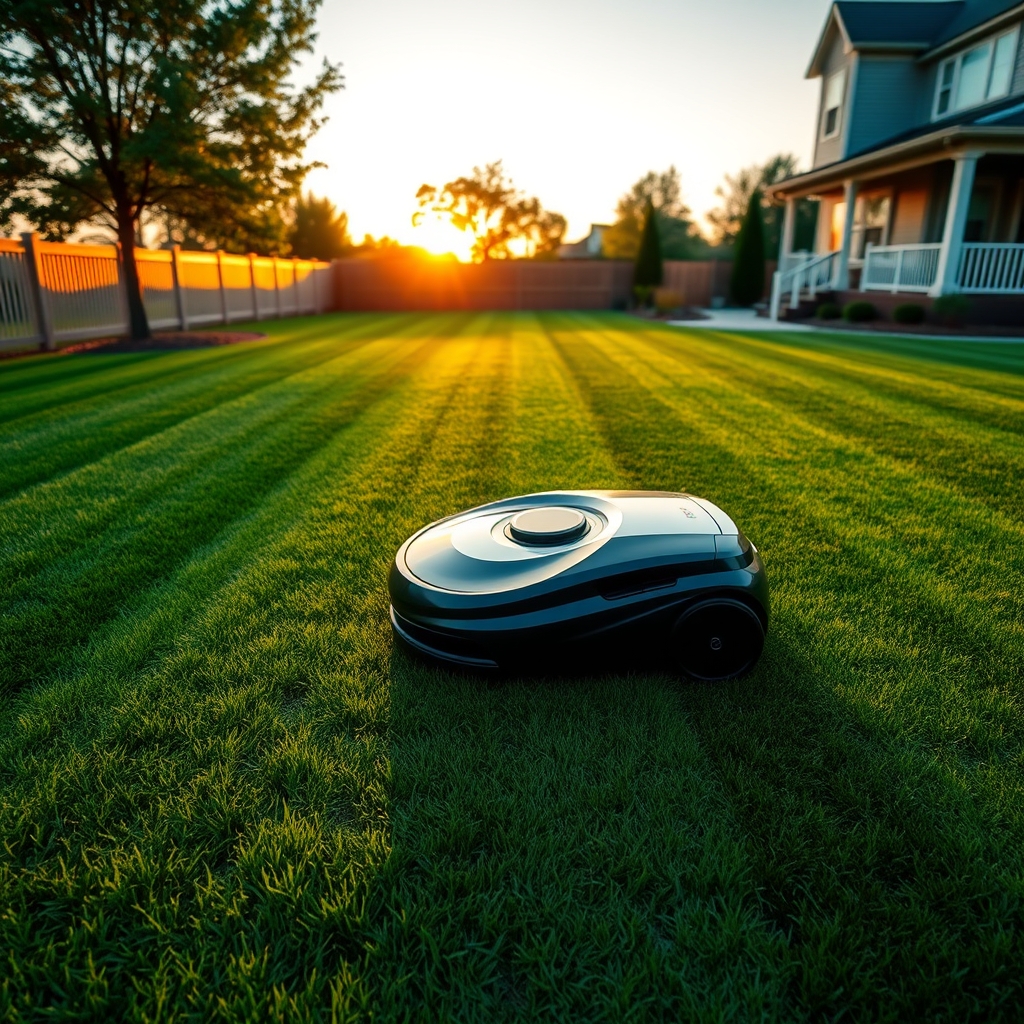
Buying for a “robotic mower half acre” or sprawling 2-acre property? Audit your grounds before dealer talks:
- Tree Canopy Density: Dense or overlapping tree cover weakens RTK signal and disrupts GPS even in wire-free models.
- Metal/Reflective Surfaces, Sheds: These can bounce or block RTK signals, requiring careful main antenna placement.
- Narrow Passages/Access Paths: Check that robots can navigate your tightest turnarounds—many models require 1m+ clear width.
- Drainage/Terrain Changes: Sudden dips, roots, and water traps are navigation hazards.
- Slope Sections: Identify every sustained slope and test max pitch with a simple level before trusting model specs.
- Perimeter Wire as Backup: Be open to hybrid setups: RTK for the open yard, perimeter wire for shaded or complex sections.
RTK-wire-free systems reduce, but do not eliminate, on-site tuning and boundary challenges. Some models can’t mark no-go zones without a wire, so assess your property carefully. Check out this in-depth guide to wire-free vs. wired setup for practical tips.
Maintenance, serviceability & total cost of ownership (what most competitor articles skip)
Wire-free robot mowers are not maintenance-free. For a realistic ownership outlook over 3–5 years, use this checklist:
- Routine Maintenance: Clean and check blades weekly, wheels/tracks monthly, and sensors quarterly.
- Battery Lifespan & Replacement: Lithium packs may drop 20–30% capacity after 2–3 years; replacement battery costs vary $250–$700+.
- Software/Firmware Updates: Major brands push updates to fix navigation bugs—ask your dealer about remote upgrade policy and downtime.
- Warranty & Local Service: Length varies (typically 2–3 years for premium models). Commercial/estate packages may bundle in-home service and diagnostics—these are often worth the premium.
- Downtime & Support: Top autonomous mower commercial grade models offer fleet services and spare-parts support—valuable for professionals but also relevant for homeowner reliability.
Research shows that many highly ranked reviews skip long-term reliability—don’t underestimate this hidden cost. See more on ownership at our in-depth robot mower TCO breakdown.
Commercial-grade vs residential RTK wire-free mowers — when to choose which
Should you buy a commercial/estate-targeted model or stick with a residential wire-free robot mower large yard solution?
- Build Quality: Commercial models have high IP ratings (water/dust resistance), robust chassis, all-wheel drive/tracks, and often better anti-theft and recovery systems.
- Fleet Management: Commercial mowers feature remote diagnostics, multi-mower coordination, and advanced reporting (e.g. Husqvarna Fleet Services).
- Warranty & Service: Priority support, loaners, and faster parts supply are usually bundled for commercial gear.
- Cost: Higher up front—but more robust for continuous, challenging use. Recommended for high-value lots and property managers.
Most homeowners are fine with high-end residential options unless you have more than 2 acres, a complex slope/tree layout, or need true “set and forget” uptime guarantees. If so, treat commercial/estate lines as an insurance policy for smooth operation.
Model comparison by backyard profile (decision matrix)
Match your property with the right robot mower recommendation below—including the biggest tradeoff per pick:
| Backyard Type | Recommended Models | Biggest Tradeoff |
|---|---|---|
| Flat and Open (1 acre) | Segway Navimow X350 / Husqvarna EPOS 320 NERA Kress Mission RTKn | Vulnerable to base station misplacement and firmware updates in initial months |
| Hilly/Sloped (1–2 acres) | Husqvarna Automower 435X AWD Yarbo All-Wheel RTK Mammotion LUBA AWD | Uphill battery drain; RTK accuracy on steep shadowed slopes |
| Dense Trees (1+ acre) | Yarbo Multi-Sensor Fusion Kress with RTKn+ vision upgrade | RTK signal struggle, may need wire fallback in heavy shade |
| Budget (0.5–1 acre, simple) | Mammotion LUBA AWD Segway Navimow i110N | Less support if system needs ongoing tuning |
For 2 acres plus, Kress RTKn is unmatched on scale, but setup help is strongly recommended. For hills, Automower AWD or Yarbo handle the steepest grades by design.
Quick buyer checklist & pre-purchase questions to ask dealers
- What is the real-world maximum coverage achieved in large yards (not just the spec sheet)?
- What slopes and grade transitions were tested—can we see a demo climb live?
- How often does the system lose signal under your tree cover?
- What is your support/service SLA and downtime in practice?
- How much is a replacement battery and is it user-replaceable?
- If RTK drops, can the mower fall back to wire/vision/IMU navigation?
- Is night operation possible? What are the vision system’s limits?
- Can we easily set virtual no-go zones?
- Are firmware and software updates automatic? Can issues be diagnosed remotely?
- Do you offer a full setup demo or site audit before purchase?
Research shows buyers often underestimate setup and ongoing tuning for these advanced mowers—being informed ensures you avoid hidden costs and surprises.
FAQ and troubleshooting primer (short answers to buyer pain points)
Will RTK work under trees or near my house?
RTK accuracy drops sharply under dense tree canopies or beside large buildings, causing signal loss and mapping errors. Choose a robot with sensor fusion (RTK plus vision/IMU) and test placement before finalizing. For fully shaded lawns, consider a hybrid wire/vision system.
Can these mowers handle 35° (70%) slopes?
Top models like Husqvarna Automower AWD and Yarbo claim up to 35° slope capability. Real-world performance depends on turf grip and dryness—test with your dealer. Wet or highly compacted soil can reduce traction.
What happens if the RTK or GPS signal drops?
Many new models fall back to on-board sensors (IMU, odometry, sometimes camera vision). However, expect pauses, possible stuck episodes, and the need for manual restart if dropouts are frequent. Minimize obstacles and optimize base station placement to reduce interruptions.
How often do I need to replace the battery or blades?
Blades typically every 1–2 months in active season, batteries every 2–3 years depending on charge cycles. Ask your dealer about costs and availability for each part before buying.
What’s the best post-sale tip for the first 30 days?
Walk the yard with the robot and your installer to spot problem zones (dead spots, signal loss, missed patches), and request a follow-up tune-up after your first week of operation. Document each issue for efficient troubleshooting with your dealer.
Conclusion & next steps (recommendations + CTA)
Wire-free robot mower large yard technology is finally mature enough for serious 1-plus acre homeowners—but only if you prioritize true reliability and post-sale support over spec sheet hype. Top models like Kress RTKn (for estates), Husqvarna Automower EPOS (for rougher terrains), and Yarbo (for sloped, complex yards) offer excellent coverage, RTK navigation, and unmatched slope handling—but site-specific signal and support challenges still matter.
Ready to stop seasonal debates about lawn labor? Get a property-specific quote and on-site demo to find the right robot lawn mower 1 acre 2025 solution for your unique yard. For additional deep-dive comparisons, see our robot mower wire-free guide or start redesigning your landscape for automation with biophilic outdoor design tips. Prioritize reliability and maintenance ease for a truly low-fuss future.
—