


Table of Contents
AI robot mower ownership is on the rise, but most families are still unsure how safe these new AI-powered lawn gadgets really are—especially with pets and kids playing nearby. If you want a smart, time-saving mower in 2025, you need to be blunt about safety, real performance, and features most buying guides skip.
Key Takeaways
- AI robot mower technology is going mainstream in 2025, but real-world safety for pets and children hinges on advanced sensors and smart app controls.
- Many buying guides miss critical non-negotiable features like camera and LiDAR-driven navigation, reliable blade-stop systems, and practical stay-out zone UX.
- Families should always check for easy app setup, proactive obstacle detection, and robust support before buying—these are just as important as lawn coverage or runtime.
Why 2025 Is a Turning Point for AI Robot Mowers
2025 is set to be the year AI robot mower adoption moves from “early adopter” to mainstream purchase—especially for busy, tech-savvy homeowners. Thanks to rapid product advances like camera and LiDAR-driven navigation, wire-free boundary systems, and autonomous scheduling, choosing an AI-powered lawn mower 2025 now brings real ROI and convenience for families.
Market reports show the global AI robot mower market was valued at around USD 6.51 billion in 2024, jumping to USD 7.29 billion in 2025. Projections estimate it’ll explode to about USD 22.39 billion by 2035 (a CAGR of nearly 12% over the next decade), with Asia-Pacific alone seeing 13.2% annual growth thanks to strong local manufacturing and growing residential demand.
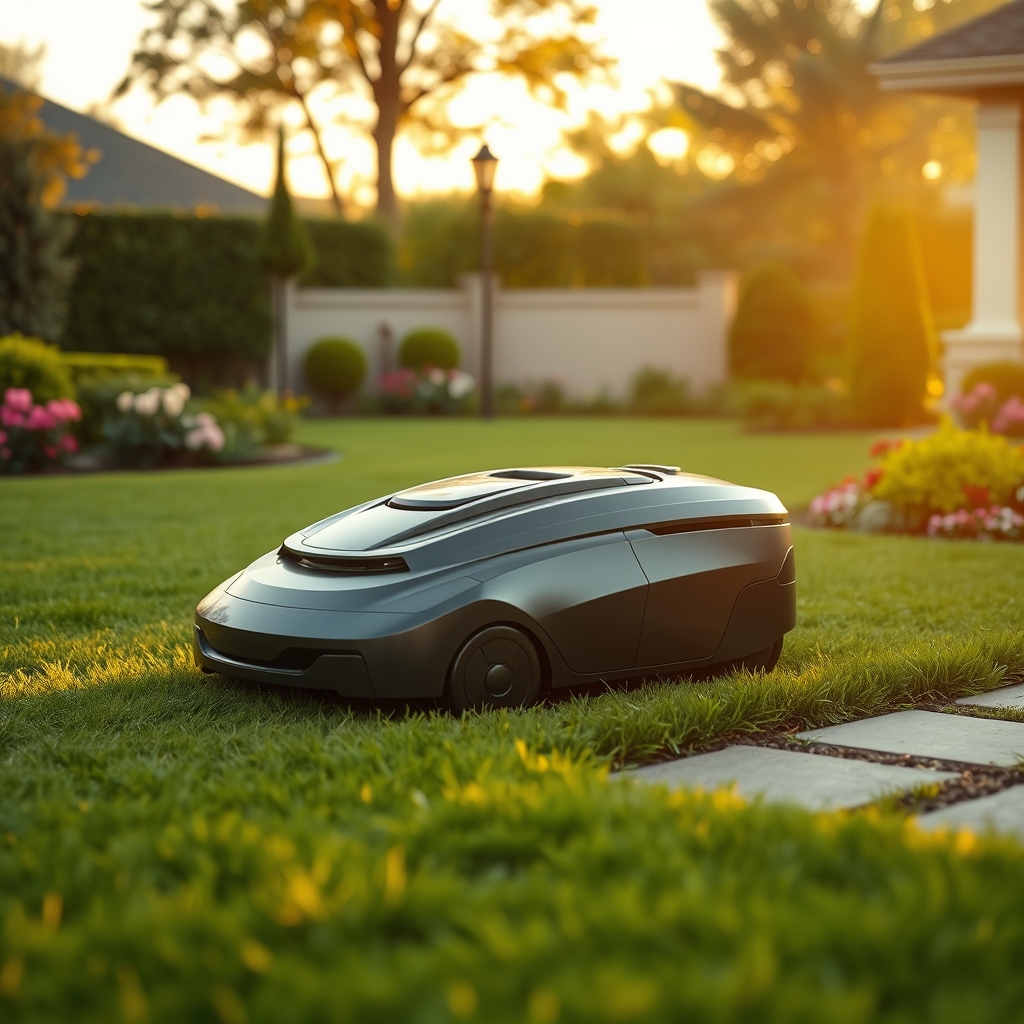
The turning point: in 2025, homeowners no longer need to compromise between convenience, cost, and realistic safety. Yet beneath the marketing, real-world performance—especially around children and pets—varies hugely depending on the features you choose.
For a practical look at wire-free tech, see our guide on robot lawn mower no wire setups that minimize yard damage and simplify installation.
Step-by-Step Guide to Choosing and Using Your AI Robot Mower Safely
- Start with Safety Features
- Only shortlist AI robot mowers that have multi-modal obstacle detection—meaning they use both LiDAR and camera sensors, not just bumpers or ultrasonic only.
- Require instant blade-stop on lift/tilt and proximity slow-down by default. Many models only turn blades off when fully lifted, not when tilted or lightly nudged by pets.
- Evaluate App UX and Control
- Test how you create “stay-out zones” in the smart lawn mower app. Is it quick to fence off an area where your kids’ toys are? How many taps, swipes, or menus?
- Make sure the app sends clear alerts (push notifications, not just vague logs) and supports remote pause/stop in real time.
- Check Area Coverage, Runtime, and Slope Tolerance
- Look for honest, real-world runtime (not just the “up to” figure). Entry models last 60–90 minutes per charge, while best-in-class units get 3–4 hours per cycle.
- Batteries usually need replacing every 2–3 years. Budget for it up front.
- If your yard gets muddy, opt for mowers with high IP (waterproof) ratings or active rain sensors to delay mowing.
- Test the Demo—But Don’t Skip the Real Stuff
- Bring pet toys and a “child” dummy to any in-store or dealer demo. Place them directly in mowing paths. Does the mower slow down, divert, or bump repeatedly?
- Lift or tilt the mower while operating and observe if blades stop instantly.
- Ask to test firmware update speed and see warranty/support terms—many issues can be solved with alerts, but only if support is timely.
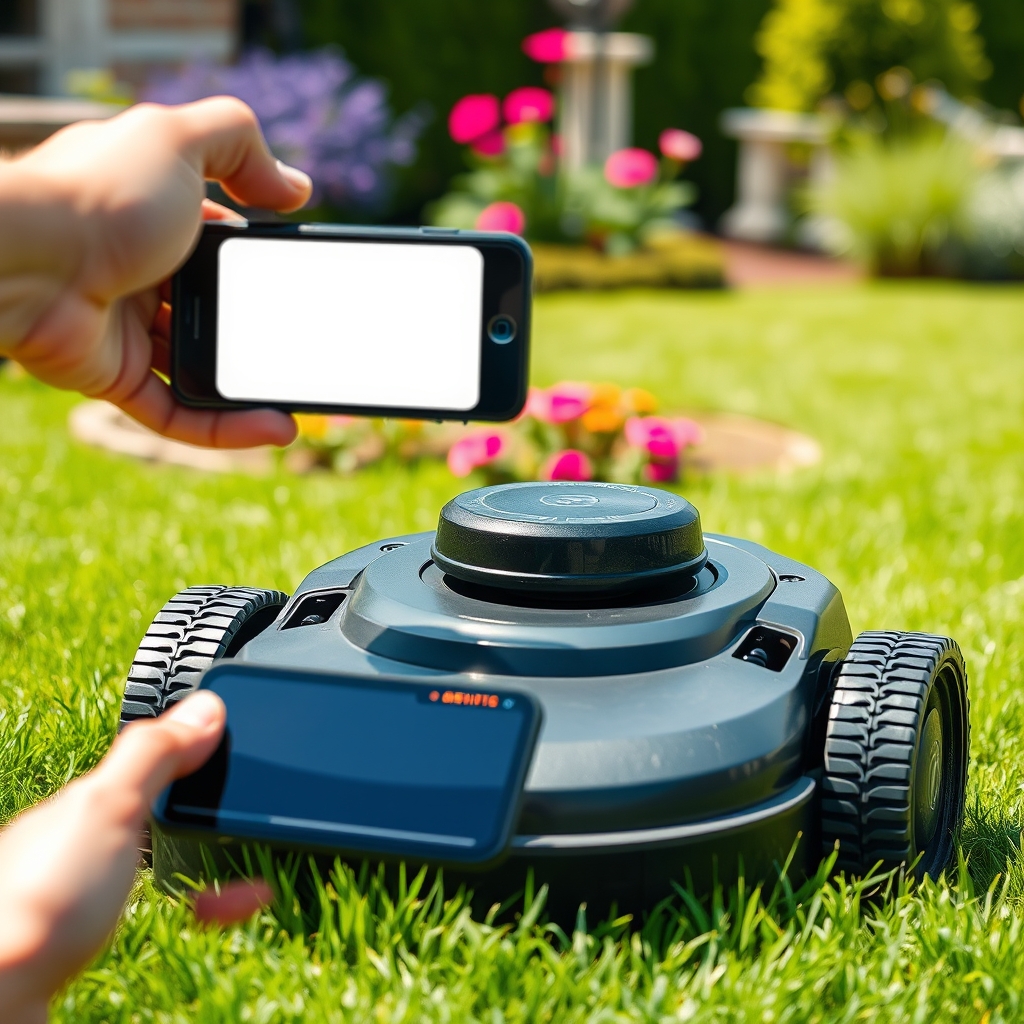
Still comparing alternatives? Check out smart pergola systems for shade automation and EV charger installation if you’re upgrading multiple home tech systems this year.
Advanced Analysis & Common Pitfalls: What Most Reviews Don’t Tell You
Most top-10 lists or influencer reviews focus on specs, not real-life usability or risks for busy homes. Here are the most reported pain points—and how the latest research says to handle them.
| Issue/Pitfall | What Actually Happens | How to Mitigate |
|---|---|---|
| Obstacle detection misses small pets or low toys | Some mowers “see” only large shapes. They may gently bump or nudge a small dog or toy, then reverse and try again, bumping repeatedly. | Create robust virtual stay-out zones via the app. Always supervise at first. For high-traffic yards, choose a model with pet/child detection mode (uses camera+LiDAR or explicit animal detection). |
| App stay-out zone setup is difficult or tedious | Apps can require multiple steps, especially for frequent changes (birthday party, new kiddie pool) | Choose brands with drag-and-drop or map-draw zones. Test app workflow in person before you buy. |
| Performance drops in wet or muddy conditions | Mowers can get stuck, slip, or miss spots on soggy ground | Schedule mowing for dry hours; always use IPX5/IPX6 or rain sensor-equipped models for rainy climates. |
| Battery drains faster than advertised | Real-world runtime is often 10-20% lower than claimed, especially after 1-2 years. | Buy an extra battery at purchase if possible. Replace battery at least every 2–3 years. |
| Firmware bugs cause random stops or loss of zones | Mower may pause unexpectedly or forget mapped boundaries after an update. | Update firmware only when home and able to observe. Contact support if issues persist; check warranty on software updates. |
| Bumping noise and repeated reversing irritates pets | If the mower can’t resolve an obstacle, it will often bump, reverse, and bump again. | Set up physical fences, use app to “blacklist” play areas, and always observe first weeks of operation around animals. |
| Support/warranty is slow or unclear | Not all brands offer local parts or quick fixes. Complex repairs may need shipping back to the manufacturer. | Choose established brands with good support. Check component sourcing—APAC brands have strong supply in 2025 (learn more). |
Need more detail on cutting utility costs at home? Explore WaterSense fixture upgrades for water bill savings, or our breakdown of spray foam insulation costs for energy bills.
Wire-free, camera-led AI models like Husqvarna’s latest AI Vision lineup (rolling out in 2026) are addressing these pain points by automating obstacle learning—but real-world reports still recommend never leaving small kids or pets unsupervised near any robot mower.
Conclusion: Choose Smarter, Mow Smarter
If you want the rewards of an AI robot mower without the risk, don’t trust spec sheets alone. In 2025, camera plus LiDAR sensing, true instant blade-stop, and user-friendly stay-out zones aren’t optional—they’re essential for anyone with pets or children. As market adoption accelerates, prioritize safety and preview the full app workflow before you buy. Not all “smart” is safe.
Ready to upgrade? Narrow your choices to two or three models that hit every non-negotiable on your family’s safety checklist. Book an in-person demo with pet and child scenarios, then set a yearly budget for maintenance and battery replacement. For serious outdoor upgrades, you might also enjoy our proven guides to biophilic outdoor design and outdoor kitchen ROI for the modern home.
FAQ: AI Robot Mower Safety, Setup, and ROI
Are AI robot mowers really safe for kids and pets?
Top models are much safer than earlier robot mowers, but no device is 100% risk-free. Multi-layer sensors (camera + LiDAR) and instant blade-stop features help, but you should never leave children or small pets unattended while the mower is active. Always set up stay-out zones around play areas. More on pet/child safety here.
How difficult is it to set up the smart lawn mower app and stay-out zones?
It depends on the brand. Some apps are intuitive; others require multiple steps just to block off a new obstacle. Always test this in a demo or read reviews about app usability before you buy. Frequent re-zoning can get tedious, especially for busy yards.
What is the typical ROI of an AI-powered lawn mower versus lawn service?
For medium-to-large yards, most owners break even within 2–3 years versus weekly lawn service costs. Low ongoing costs, improved grass health, and scheduling flexibility add value—especially if you automate other smart home upgrades.
How often will I need to clean or maintain my robot mower?
Clean sensors every 1–2 weeks for best obstacle detection. Replace blades every 1–2 months, and batteries every 2–3 years. Rain sensors or high IP ratings help cut emergency repairs in wet climates.
What’s the best way to test safety before I buy?
Bring small obstacles (like pet toys) and a lightweight child dummy to your demo. Walk through stay-out zone setup, obstacle detection, manual pause, lift/tilt blade-stop, and app alerts. Take notes on anything confusing or slow during the process.