

Key Takeaways
- WaterSense fixtures save water and money—and nearly all new bathroom faucets now meet stringent national standards.
- Success with low flow faucet installation relies on matching fixtures, proper prep, and solving common pressure and leak issues up front.
- New standards are coming soon; only models with the right WaterSense label and certified flow rates will stay compliant.
- Why WaterSense fixtures matter right now
- Step-by-step low flow faucet installation checklist
- Common pitfalls and troubleshooting insight
- ROI summary and what to do next
- Frequently Asked Questions
Why WaterSense fixtures matter right now
WaterSense fixtures are more relevant than ever. In 2023 alone, WaterSense-labeled faucets, showerheads, toilets, and other fixtures helped American households and businesses save about 1.2 trillion gallons of water—bringing total savings since the label launched to over 8.7 trillion gallons (US EPA). Water bills continue to climb in most states, and pressure is rising on community water supplies. At the same time, home listings mentioning WaterSense fixtures have surged nearly 290 percent, reflecting new buyer demand and a strong resale trend. In short: the right fixture choices can shrink your monthly expenses, align your home with eco-conscious trends, and help you meet tomorrow’s stricter requirements easily.
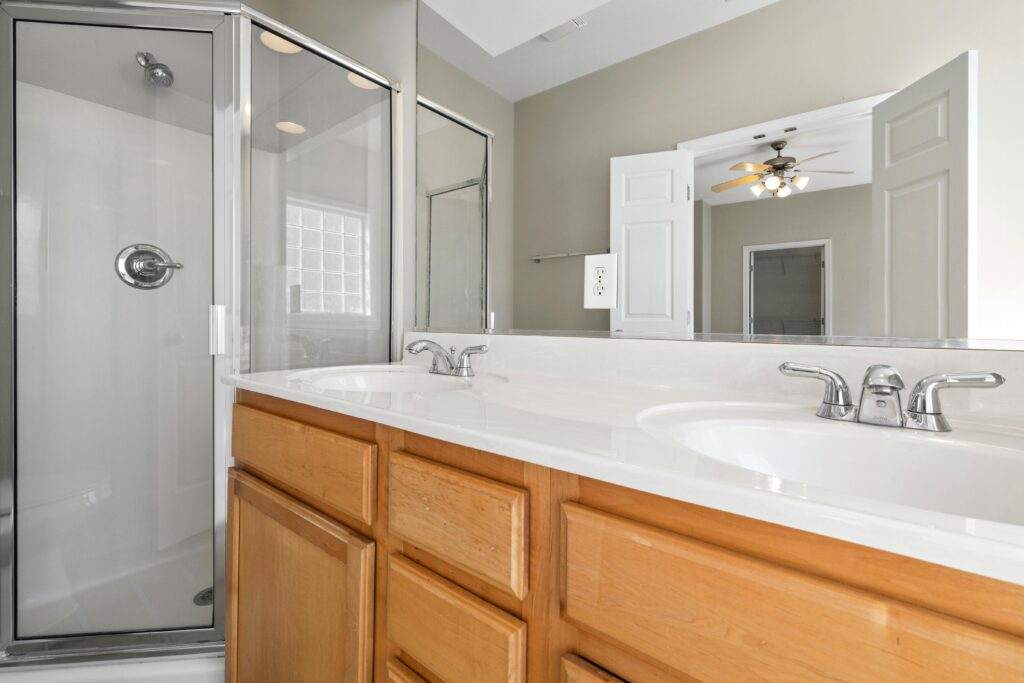
But why do these fixtures matter so much right now? WaterSense products—including bathroom sink faucets, toilets, and showerheads—are independently certified to use at least 20 percent less water, and they perform as well or better than classic models. That means you don’t have to sacrifice rinsing power to save real money. And with more than 45,900 certified fixtures on the market and nearly universal adoption (about 99 percent of new bathroom faucets sold now meet the label or its specs), getting compliant is easier than ever before.
Step-by-step low flow faucet installation checklist
Installing a low flow faucet is a genuinely achievable DIY project—but shortcuts can seriously backfire. Here’s your streamlined, practical roadmap:
- 1. Check compatibility: Confirm your current faucet hole size and number, and ensure your new WaterSense fixture fits both sink and supply lines. Standard WaterSense bathroom faucets use a 1.5 gallons per minute (gpm) flow rate, dropping to 1.2 gpm under the new spec in 2025 (ASPE news release).
- 2. Gather tools and supplies: Basic adjustable wrench, plumber’s tape, new braided supply lines (if old), silicone sealant (not putty for plastic sinks), gloves, bucket, and paper towels.
- 3. Turn off water and relieve pressure: Close both hot and cold under-sink shutoff valves. Open the existing faucet to drain any remaining water before disconnecting anything.
- 4. Disconnect and remove old fixture: Use your wrench to loosen connections. Watch for lingering water in supply lines. Carefully remove mounting hardware underneath the sink. Clean the area fully. Remove old putty and mineral buildup so new seals will work.
- 5. Inspect supply valves and piping: Look for corrosion, mineral buildup, or loose shutoffs. Replace old or stuck valves—if this is beyond your comfort level, call a licensed plumber for a quick swap.
- 6. Dry-fit and align your new WaterSense fixture: Set the faucet in position, ensuring a snug fit without pinched supply hoses or uneven gasket seating. Confirm the aerator is present and properly installed—its size (thread diameter) must match for leak-free performance and rated flow.
- 7. Secure with proper torque: Hand-tighten first, then use your wrench with gentle pressure. Over-tightening can crack some taps and create leaks. For most fixtures, 1/4-turn past finger tight with a wrench is ideal.
- 8. Connect supply lines and check for leaks: Wrap threading with plumber’s tape, especially on metal-to-metal flare fittings. Tighten supply lines gently. Watch for ‘false tight’ connections if using plastic nuts.
- 9. Turn on water and flush system: Slowly open each valve. With the faucet open, allow a few minutes of full flow to flush out any debris. Check joints for leaks under both hot and cold settings.
- 10. Test, adjust, and reattach aerator if needed: Sometimes debris breaks loose and clogs the aerator. Remove, rinse, and reinstall if needed; verify flow pattern (no sputter, even spray).
There’s a reason nationwide programs recommend certified plumbers for pipe or valve replacement and post-DIY troubleshooting—it keeps your install leak and pressure-proof for years after.
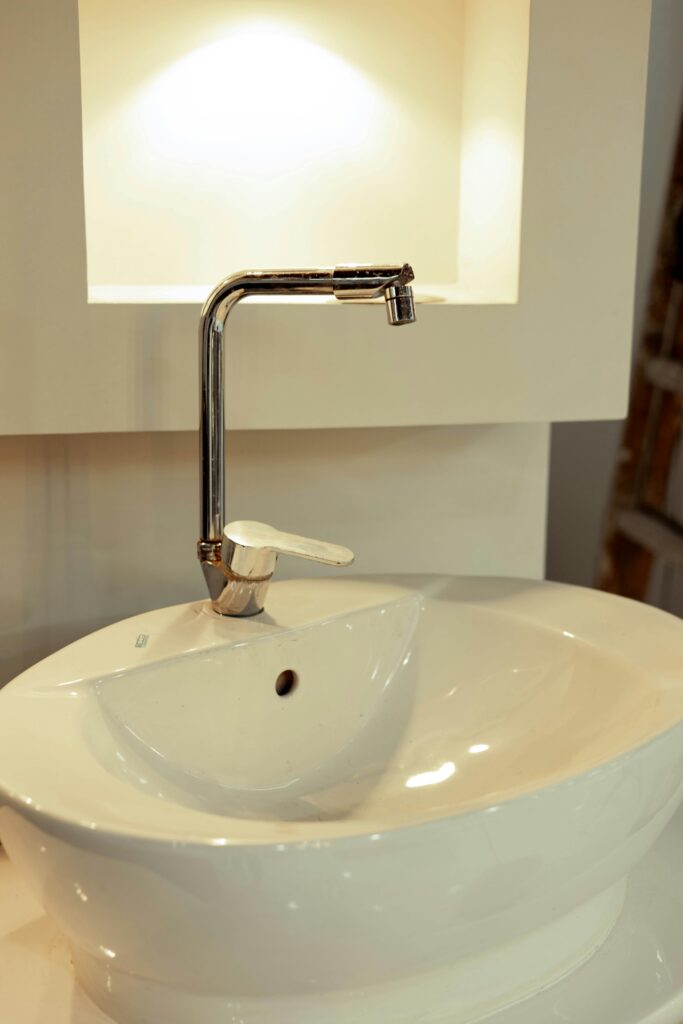
Using WaterSense fixtures isn’t a set-and-forget job. Revisit the area twice in the first week, checking under the sink for slow leaks or drips. Early attention prevents costly water or cabinet damage.
For more best practices, see our full guide to avoiding faucet installation mistakes.
Common pitfalls and troubleshooting insight
No DIY job is perfect—and even high-quality WaterSense fixtures sometimes get unfair blame for issues rooted elsewhere. Here are the realistic challenges most homeowners report after a low flow faucet installation, plus how to fix or prevent them.
- Reduced water pressure or weak flow: Most common. Usually caused by mismatched fixtures (big family, too-low gpm), supply line restrictions, old pipe scale, or debris clogging aerator. Check that household plumbing can support low flow models—houses with aging galvanized pipes may see pressure drop regardless of fixture quality.
- Leaks at connections: Often trace to improper torque or skipped plumber’s tape on threads. Hand-tight plus 1/4 turn is usually sufficient. Over-tightening can split seals, causing slow leaks.
- Sputtering and uneven spray: If aerator doesn’t seat fully or is wrong size, water jets erratically. Always verify the included aerator matches spec, is free of debris, and is installed facing the correct way.
- Early-generation “weak” feel: Most complaints about “weak” faucets are based on first-gen low flow models (pre-2014); current-generation WaterSense fixtures provide noticeably better pressure even at lower flow rates.
- Leaks or poor performance after replacing only one fixture: Isolated upgrades on very old plumbing may expose weaknesses elsewhere. If you’ve upgraded one bathroom but still see excessive leaking or poor flow throughout, consider a whole house water-saving upgrade.
| Problem | DIY Fix | Call a Pro When… |
|---|---|---|
| Reduced pressure/flow | Clean aerator, clear supply lines, check valve is fully open | No change after cleaning; pipes likely corroded/undersized |
| Sputtering spray | Reseat or replace aerator, flush lines | Repeated sputter; sediment in main supply |
| Persistent leaks | Tighten connections, reseal with plumber’s tape | Leak at wall or main shutoff; water stains recur |
| Water hammer/knocking noises | Install air chamber, slow open/close valves | No change; possible pipe anchoring issues |
You’ll get the best long-term results when your fixtures, pipe diameter, valve hardware, and aerators all match the latest WaterSense guidelines. For full-home certification, every installed faucet, toilet, and showerhead must carry the label and be verified leak-free (see EPA’s criteria).
With the 2025 WaterSense update lowering the faucet flow standard to 1.2 gpm, staying up to date on specs is key for future-proofing your investment. Always check package labeling and EPA listings before buying—and beware of closeout deals selling soon-to-be-noncompliant models.
ROI summary and what to do next
Low flow faucet installation with WaterSense fixtures offers real return on investment: each upgraded faucet can save your family roughly 700 gallons of water yearly, reducing utility bills and total water usage by about 30 percent if you fully outfit your home. Multiply that by the millions of American households participating, and you’re part of a network that saved about 1.2 trillion gallons in 2023 alone (source).
The path forward is simple: choose certified WaterSense fixtures, use the installation checklist above, and check for leaks or pressure issues in the first week. If trouble arises beyond a basic repair, contact a licensed plumber—solving underlying pipe issues early prevents headaches later. Start measuring your usage (or compare your next bill), and track your savings—small steps compound fast!
Ready to take the plunge? Explore our in-depth guides to troubleshooting low flow faucets and making your whole home more water-efficient. Experience the full benefits of WaterSense fixtures and never look back!
Frequently Asked Questions
How do I know if a faucet is a true WaterSense fixture?
Look for the WaterSense logo and certification number on product packaging or inside the instruction manual. You can also check the official EPA listing to confirm the manufacturer and model.
Do WaterSense faucets really save money?
Yes. Most homes save about 700 gallons of water per faucet each year. If your local utility charges for water, that’s direct bill reduction. You also save on energy if you use less hot water.
Will a low flow faucet installation lower my water pressure?
Modern WaterSense models are optimized to maintain pressure while reducing flow. If you experience a “weak” stream, check for clogged aerators, supply valve restrictions, or old pipes. Correct installation should feel strong to most users.
What if my new WaterSense faucet leaks?
Double-check all supply line connections for proper torque and sealing. Reseat the faucet’s base and aerator. If leaks persist at the wall or main valve, call a licensed plumber—it may be a pipe issue not related to the new fixture.
Will WaterSense fixtures stay compliant with new 2025 regulations?
The WaterSense faucet max flow rate will drop to 1.2 gpm in 2025. Always confirm the label and version number before purchase. Some models on sale now may not meet the new spec, so double-check model listings against EPA’s published criteria.
—
[…] homeowners focused on water conservation, be sure to check out our WaterSense fixtures guide for more ways to reduce water use in tandem with your […]
[…] more home upgrade strategies, check out how WaterSense fixtures can cut water bills or see net-zero home […]