

Table of Contents
Cold plunge pool installations are exploding in popularity as homeowners look for a practical way to boost recovery, resilience, and well-being at home. Yet with 2024’s dizzying range of DIY kits, portable tubs, and high-end systems, understanding total costs is essential before you buy. In this guide, you’ll get honest price ranges, key tradeoffs between DIY and premade options, and three creative, space-saving cold plunge ideas competitors typically overlook—so you can confidently choose the best backyard cold plunge tub for your space, lifestyle, and budget.
Key Takeaways
- DIY cold plunge tubs range from $100 to $1,500 while premade models start at $500 and can exceed $10,000, with significant price and maintenance differences between categories.
- Ongoing costs—including ice, electricity, filters, and your time—impact your long-term budget as much as the upfront purchase.
- Compact and innovative plunge solutions exist for small outdoor spaces, beyond what most guides mention—see our unique space-saving ideas below.
Quick decision snapshot: How much will a backyard cold plunge actually cost you in 2024?
Thinking about a backyard cold plunge tub? Here’s the bottom line: DIY cold plunge tubs range from $100 to $1,500—a bare-bones ice barrel is cheapest, while insulated stock tanks or chest-freezer conversions push toward $1.5k. Premade portable and integrated models start at $500 for basic insulated barrels, with most plug-and-play setups (with chillers and filtration) running $2,000 to $10,000+. Ongoing costs (ice, electricity, water maintenance) can add $200 to $1,000+ a year, so set your budget for both upfront and annual expenses before shopping for your ideal cold plunge pool or tub.
Full breakdown — Upfront purchase cost by category
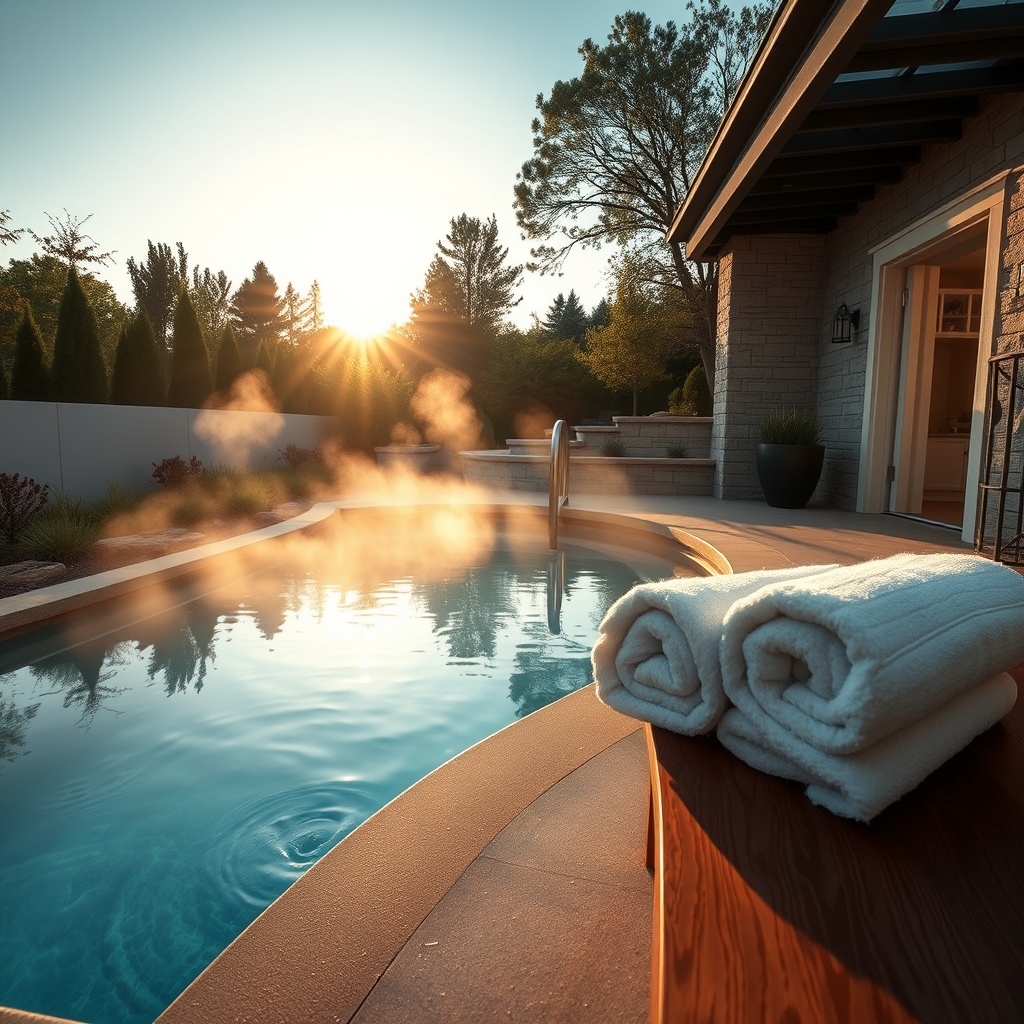
Here’s what you can actually expect to pay for a backyard cold plunge tub in 2024, broken down by category:
- Cheap DIY ice baths: Big plastic barrels, stock tanks or big barrels, or even modified coolers. These typically cost $100–$500 for basic containers, or up to $1,500 if you add insulation, a pump or a chiller over time. Water volumes usually run 80–200 gallons. [WIRED]
- Mid-tier portable/stock-tank builds: Portable insulated tubs and stock tanks with off-the-shelf pumps or filtration systems usually cost $900–$3,000. Water capacities fall between 80–150 gallons, making them a favorite for renters or those with limited space. [Peak Primal Wellness]
- High-end prefabricated chilled tubs: Professionally built, plug-and-play backyard cold plunge tubs (often with integrated chillers, filters, and warranties) run $2,000–$10,000+. These offer durable builds, digital controls, and low-maintenance operation. [Polar Dive USA]
If you want a quick water reset after a hot outdoor run, a $200-$700 DIY solution suffices. For daily athletic recovery with minimal fuss, look for mid or top-tier options (budget $900–$10,000+).
For homeowners focused on water conservation, be sure to check out our WaterSense fixtures guide for more ways to reduce water use in tandem with your plunge.
Installation & setup costs — what to budget beyond the sticker price
Don’t forget about setup: entry-level DIY cold plunge tubs usually require only a level surface and a hose, but as you climb the price ladder, installation costs add up. Premade and integrated cold plunge pools often require:
- Site prep: A level concrete pad, deck, or paver base ($0–$1,000+ depending on complexity)
- Delivery and placement: Most major tubs ship curbside; professional placement can cost $150–$500 extra
- Plumbing/Electrical: Electric chillers and filtration (essential for low-maintenance use) require a GFCI outlet; expect to pay $300–$1,500+ for optional upgrades.
As a rule, fully chilled and filtered cold plunge pool systems generally land in the $1,000–$10,000+ range, not including heavy-duty electrical or deck reinforcement if needed. Renters can typically avoid all this by choosing a portable or inflatable plunge option.
For more outdoor improvement tips, our biophilic outdoor design guide provides nature-inspired ways to boost both comfort and home value.
Ongoing ownership costs — ice, utilities, water changes, filters and time
The sticker price is only part of the story with any DIY cold plunge tub. Owners report the following recurring costs:
- Ice (DIY setups): Bags of ice for manual chilling ($10–$20+ per plunge, $300–$1,500 per year if used often); users often complain about this steady expense [PolarMonkeys]
- Electricity (chillers): Chiller-equipped tubs cause monthly utility increases. Budget $10–$25/month for most small systems.
- Filters, chemicals, and water: Expect $100–$300/year to replace filters and sanitation supplies for chiller systems, or more frequent complete water changes (and higher bills) for ice-based tubs.
- Time & Cleaning: DIY setups need more time—draining, scrubbing, and refilling every couple of uses, unless you add a filtration unit. Time is money for most buyers.
For an example: a basic DIY ice bath used 2x/week with new ice each time can cost $500–$800/year in ice and utilities, whereas a chiller system could run $200–$400/year in electricity and consumables but require much less manual work. Understanding these costs will help you weigh the long-term value, especially if you want to use your cold plunge pool as a regular home recovery tool.
Considering the greener side? Read our Net-zero ready home guide for inspiration on energy savings beyond your plunge tub.
DIY options explained — cheapest builds, realistic performance, and hidden pitfalls
DIY cold plunge tubs attract two types of buyers: people on a tight budget or those curious about ice bath benefits at home but not ready for a major investment. Typical options include:
- Stock tanks or big barrels: ($100–$500) Sturdy, simple, and easy to fill, but require frequent draining and cleaning. No insulation or temperature control.
- Insulated coolers or chest freezers: ($400–$1,500) Add insulation for some passive temperature hold. Chest freezer builds allow active chilling but involve electrical safety risks, high DIY skills, and void most warranties.
- Incremental upgrades: Add small submersible pumps, filters, or even after-market chillers to improve performance, but each upgrade increases complexity and risk.
Hidden pitfalls: Safety is key—chest freezers bring electrical hazards, and any large, water-filled tub becomes a slipping or drowning risk in homes with children or pets. Long-term, the continual expense for ice and time investment for maintenance leads many owners to upgrade or give up after a few months.
Read more about DIY versus turnkey approaches in this detailed comparison guide. For a tech upgrade, see our EV charger installation cost guide for other at-home improvements.
Premade & plug-and-play models — what you get for more money
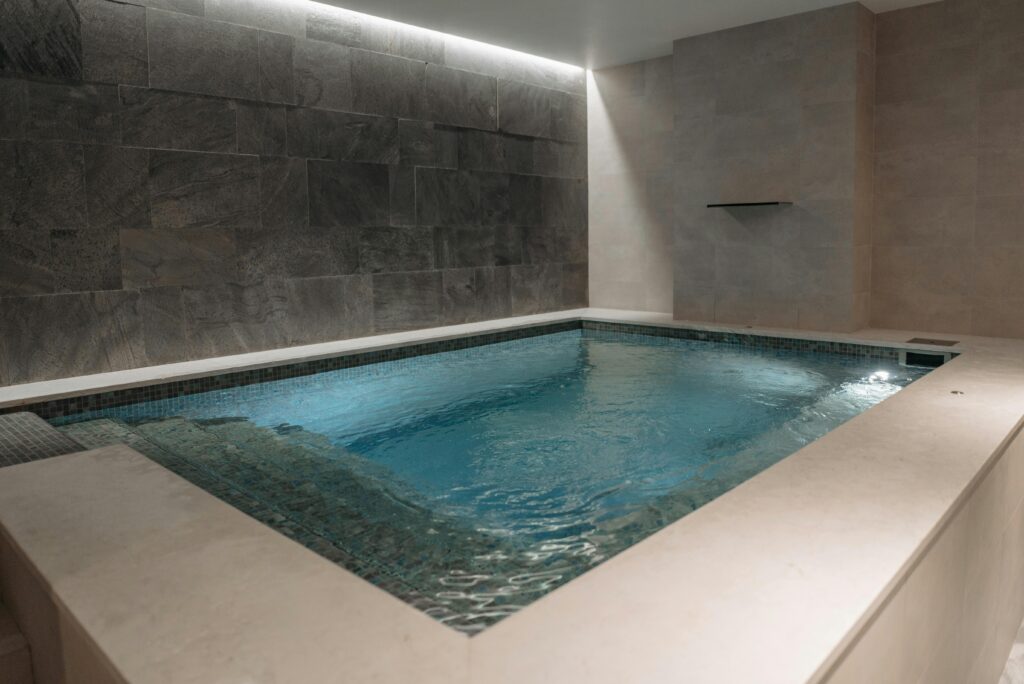
Buyers who want less hassle and more reliability turn to pre-made backyard cold plunge tubs. Here’s what a higher price unlocks:
- Basic tub-only: $500–$2,000 for insulated barrels and portable tubs. Most have better heat retention and design than basic DIY builds.
- Plug-and-plunge tubs (with chiller & filtration): $2,000–$7,000. These “just plug in” units offer automated chilling, filtration, digital controls, and insulated lids. Many include multi-year warranties and dedicated support.
- Premium fully integrated systems: $5,000–$10,000+ for top-tier units with sleek design, smart monitoring, app controls, and premium materials. Expect professional delivery and setup.
Durability and service back up the investment here. Professional tubs are built for longevity and low maintenance. Your higher up-front outlay typically buys years of trouble-free performance plus reliable warranty coverage in case issues pop up. See this review round-up for examples at each price tier.
Our LVP flooring durability guide includes more tips to extend the life of outdoor spaces, including plunge zones.
Real-user negatives — what owners complain about most (and how to avoid it)
You’ll avoid most regrets by learning from the biggest complaints real owners share:
| Pain Point | Typical Cause | Mitigation Tip |
|---|---|---|
| High ice costs (DIY) | Frequent full-ice baths | Switch to reusable frozen jugs or upgrade to chiller and insulation |
| Frequent cleaning, algae buildup | No filter or ongoing sanitation | Add a small filtration system or weekly chemical routine |
| Leaks or structural failures | Cheap or improperly sealed containers | Inspect seals monthly, buy thicker-walled tubs, avoid repurposed freezers unless well tested |
| Poor customer service (premium models) | Inconsistent support or slow repairs | Buy from companies with strong reviews and multi-year warranties |
| Chiller noise & high electricity | Low-end chillers or poor insulation | Choose units with verified quiet ratings and use a thick lid or wrap to insulate |
One last hidden gotcha: most DIY cold plunge tubs require more owner time and effort, so be honest about your schedule and willingness to maintain cleanliness for safe cold therapy.
Quick comparison (one-paragraph buyer guide): Which option fits which buyer profile?
Tester or Renter: If you’re cold-plunge curious, time-constrained, or rent your home, DIY cold plunge tubs ($100–$700) or inflatable/portable barrels work best. You’ll spend less and can upgrade later. Committed Users: If daily recovery is your goal or you’re short on free time, invest in a plug-and-play chiller tub ($2,000–$5,000). Luxury and Design Buyers: For year-round, low-fuss use and top-tier aesthetics, budget $5,000–$10,000+ for a fully integrated cold plunge pool. [More Buyer Profiles]
Related tip: If your goal is efficient laundry for a compact home, our compact washer dryer guide offers further space-saving advice.
Top 3 “small cold plunge ideas” missing from competitors (actionable mini-builds)
Many “best cold plunge” lists miss these three space-saving backyard cold plunge tub ideas—each designed for small yards or patios:
- Inflatable/portable insulated plunge with integrated chiller
Cost: ~$900–$3,000
How it works: Lightweight, quick to inflate, and easily storable for seasonal use. Modern versions include plug-in chillers + digital controls. Ideal for renters or anyone wanting zero-permanent footprint. Holds ~80–150 gallons. Downside: less durable long-term, but unbeatable flexibility. - Vertical/standing plunge (slim, deep tub)
Cost: ~$700–$1,800 (DIY or premade)
How it works: Shaped like a shower stall, these slim, upright barrels take up just a few square feet and tuck next to a shed or even inside a garage. Great for solo plungers and tight outdoor spots. Downside: harder for very tall users to sit in; less usable for groups. - Dual-purpose bench/covered plunge (hidden under deck/bench seat)
Cost: ~$1,200–$4,000 (DIY or custom order)
How it works: Concealed below a stylish deck bench or patio seat, this design offers true multi-use for small patios. Unlock, remove the seat to reveal a mini tub that can be filled on demand. Pros: seamless look, secure from kids/pets. Cons: requires a stable deck, some custom carpentry.
Innovative backyard cold plunge tub options don’t have to take over your patio. Compact, portable, and inflatable designs—as well as clever vertical or dual-use builds—are catching on in 2024, but you’ll rarely see them highlighted in standard best-of lists. See this design guide for real-world examples.
Maintenance checklist — monthly and yearly tasks for low-hassle ownership
To enjoy the benefits of your cold plunge pool or DIY cold plunge tub for years, regular upkeep is essential. Here’s an actionable schedule:
- Daily: Skim leaves/debris, ensure safety cover is securely in place.
- Weekly: Test water sanitation (chlorine, ozone, etc.); scrub or wipe down surfaces; add chemicals as needed.
- Monthly: Replace or rinse filters (if equipped); fully inspect all seals, drains, and plumbing for leaks.
- Seasonal (2–4 times/year): Fully drain, deep clean, and inspect tub body and fittings. For inflatable or portable setups, store away during freezing conditions.
Estimated owner time: 15–30 minutes per week (premium systems, thanks to built-in filtration) or 1–3 hours per week (DIY without filtration.) Costs: $100–$300/year for filters/chemicals; little to $0 for purely manual DIY. For maintenance-light living, favor systems with built-in filtration or ozone sanitation.
Want further cost-cutting ideas? Compare energy-efficient appliances like the heat pump dryer in our related guide, or see our SPC flooring tips for long-lasting home upgrades.
Final buying checklist & next steps (short CTA)
Before buying a backyard cold plunge tub or cold plunge pool, run through these eight checks:
- Confirm your all-in budget (upfront + yearly operating cost).
- Measure and double-check the available footprint.
- Choose between indoor vs. outdoor placement.
- Decide if you need built-in chiller/filtration.
- Plan for delivery & site prep (stairs, deck, power, etc.).
- Review what warranty and service support is offered.
- Read all return and exchange policies.
- Find your nearest service company or DIY backup option.
The total cost extends beyond purchase price—always budget for electricity and consumables up front. Ready to dive deeper? Decide your budget tier, then explore our full buying guide for in-depth picks and installation tips!
→ See full buying guides and home improvement tips
FAQ: Backyard Cold Plunge Pool Cost & Choices
What’s the lowest cost way to try a backyard cold plunge pool at home?
A simple, uninsulated stock tank or barrel with manual ice (DIY) can cost as little as $100 to $400. Just remember to factor in the higher weekly cost for ice and more frequent cleaning.
How much does it cost to add a water chiller and filtration to a cold plunge tub?
Aftermarket chillers Aftermarket chillers usually cost $400–$1,000+, with filtration kits running $100–$500. Professionally built plunge tubs often include chillers and filtration in the $2,000–$7,000 price range.
Do portable and inflatable cold plunges really work?
Yes, portable and inflatable plunge tubs do provide real ice bath benefits at home, especially for renters or anyone with small yards. They’re less durable than fixed tubs but much easier to set up and store seasonally.
Are there hidden costs with a backyard cold plunge tub?
Yes, don’t overlook ongoing expenses: ice, electricity, water changes, filters, and extra maintenance time. Some owners find the long-term cost higher than expected, especially with DIY ice-based setups.
Which is easier to maintain: DIY or premium ready-made plunge tubs?
Premium, integrated cold plunge tubs with automated sanitation and chillers are far easier to maintain and require less owner time, while DIY tubs need manual cleaning, water changes, and regular ice top-offs.
—