

Table of Contents
Roof tariff cost increase is now a real and pressing concern for U.S. homeowners considering a roof replacement in 2025—one that could cost you thousands depending on your material choice and timing. This guide gives you straight numbers, household-level logic, and step-by-step advice so you can make the best decision for your home and your wallet.
Key Takeaways
- Metal roofing prices jumped about 60% in 2025 due to tariffs, while asphalt shingles only rose 6–10%—decisions should reflect this gap.
- If you plan metal, act fast or budget for a major premium. Shingle buyers have more flexibility but should still compare labor and material trends.
- Always request line-item estimates and clear, written pricing hold policies from any contractor bidding on your job.
Quick Takeaway — Should You Replace Your Roof Now?
If you are planning to install metal roofing, or your roof is already leaking or failing, replace now—waiting means paying 60%+ more for metals, with further increases possible. For asphalt shingles (up 6–10%), it’s wise to get multiple bids now and compare. Consider acting if you can lock in pricing, but you may have flexibility if your roof has a few good years left. The new “rule”: metal = act fast; shingles = get firm quotes and weigh local factors.
How Tariffs Actually Push Up Your Roofing Bill
Tariffs directly affect roof replacement cost 2025 because most U.S. roofing materials rely on globally sourced steel, aluminum, and chemicals. Section 232 tariffs on steel went from 25% to 50% in June 2025. Major chemical inputs for asphalt shingles—like MDI (up 60%) and TCPP (up an extreme 272.7%)—face equally severe increases. Manufacturers pass these costs on by raising distributor prices, which land squarely in your roofing project bid. Even labor and accessories creep higher as supply chain uncertainty grows.
For a deeper look at tariff-driven price dynamics, see this detailed tariff guide.
Material-by-Material Impact: Expected % Increases and What That Means Per Material
- Metal (Steel & Aluminum): +60%. Highest hit. A $12,000 standing-seam roof pre-tariff now easily costs $19,000+ installed. Expect longer lead times for imported coils and panels.
- Asphalt Shingles: +6–10%. On a typical $8,000 shingle job, that’s $500–$800 more in materials alone. Lead times stable, but labor remains volatile.
- TPO / Single-Ply Membrane: +12–18%. Popular for low-slope and flat roofs, now up $1,000+ on midsize projects. Vulnerable to global chemical tariffs.
- Clay/Concrete Tile (Imported): +8–15%. If your tile is from a tariffed country, expect $2,000–$4,000 higher for a large roof. Domestic tiles may avoid the increases.
This divergence in roofing material prices 2025 should frame all major roof replacement decisions.
Metal Roofing vs Shingles — Side-by-Side Price and Value Comparison Under New Tariffs
Let’s run the real numbers using current tariffs:
| Material | Cost per 2000 sq ft (pre-tariff 2024) | Cost per 2000 sq ft (post-tariff 2025) | Installed Cost Increase | Typical Lifespan | Maintenance |
|---|---|---|---|---|---|
| Asphalt Shingles | $8,000 | $8,600 – $8,800 | $600 – $800 (+6–10%) | 18–25 years | Moderate |
| Standing-Seam Metal | $12,000 | $19,000 – $20,000 | $7,000 – $8,000 (+60%) | 40–60 years | Low |
In 2025, the crossover between metal and shingles has widened dramatically. If you can lock in a pre-tariff metal rate, metal still wins in longevity and energy efficiency (see green roof system value). But at +60%, many will see shingles as the only affordable choice.
Real-World Cost Breakdowns — Itemized Sample Estimates
Here’s how the numbers look for a typical U.S. single-family roof (2,000 sq ft), both pre- and post-tariff. Every row reflects actual 2025 price jumps—not just headline material costs.
| Item | Shingle Roof (2024) | Shingle Roof (2025, +8%) | Standing-Seam Metal (2024) | Standing-Seam Metal (2025, +60%) |
|---|---|---|---|---|
| Flashing/Accessories | $350 | $375 | $900 | $1,440 |
| Roofing Material | $2,500 | $2,700 | $5,500 | $8,800 |
| Underlayment/Ice Shield | $600 | $700 | $900 | $1,060 |
| Labor | $4,000 | $4,000 | $4,800 | $4,800 |
| Permits & Inspection | $200 | $220 | $300 | $330 |
| Disposal/Dump Fees | $350 | $375 | $500 | $500 |
| Total Installed Cost | $8,000 | $8,370 | $12,400 | $16,930 |
Notice every layer contributes. Always demand line items and check if material increases align with industry averages (example report).
Homeowner Frustrations with Cost Transparency and Unexpected Price Jumps
Most homeowners feel blindsided by unexpected mid-project price jumps or vague bids. Almost every reputable survey highlights transparency as a top pain point—even when a roof tariff cost increase is mentioned upfront.
- “My contractor couldn’t explain why the materials cost more than last year’s neighbor’s roof. I just felt stuck paying extra.”
- “I only saw one big final total—not what went to labor, not what was materials, nothing.”
- “Halfway through, I got told ‘prices went up’ and was handed a change order. No warning at all.”
Always ask for—and compare—itemized bids, and get written material price hold periods. Looking for extra cost control? Consider tactics like those discussed in our flooring durability pricing guide for inspiration when negotiating with contractors.
Timing Framework — Actionable Rules for “Now” vs “Wait”
- Is your roof failing (leaks, rot, visible damage)? Replace now. Waiting risks bigger costs (water damage, lost insurance).
- Planning metal? Tariffs mean costs are up about 60%—it’s unlikely prices will drop soon. Move quickly if you want metal, or switch to shingles for smaller increases.
- Can you get a firm, written price lock? Proceed if yes. If not, keep shopping.
- In a high-demand season or region? Expect higher labor costs—compare off-season options where possible.
Shingle buyers may have a little more time. But metal buyers should not wait, given the outsized 2025 increase according to current projections.
Budget-Friendly Alternatives and Substitutions Contractors May Offer
Contractors have started offering creative swaps to soften the blow of the recent roof tariff cost increase.
- Synthetic/composite shingles: Mimic higher-end products, often avoiding some chemical tariffs, and may come with longer warranties.
- Lower-gauge metal: Thinner panels cost less, but confirm manufacturer specs on lifespan and wind resistance.
- Domestic-sourced steel: Can skip tariffs, but local supply might be tight or more expensive upfront.
- Partial repairs or re-covering: May buy you time if your deck is solid—get honest feedback from a pro.
- Alternate underlayment: Look into synthetic or hybrid options if membrane prices put your project over budget (TPO up 12–18%).
Every alternative has tradeoffs—sometimes in longevity, sometimes in curb appeal. Review the full implications like we break down for LVP flooring and use contractor references to back up your decision.
Procurement & Negotiation Tactics to Limit Tariff Exposure (Checklist)
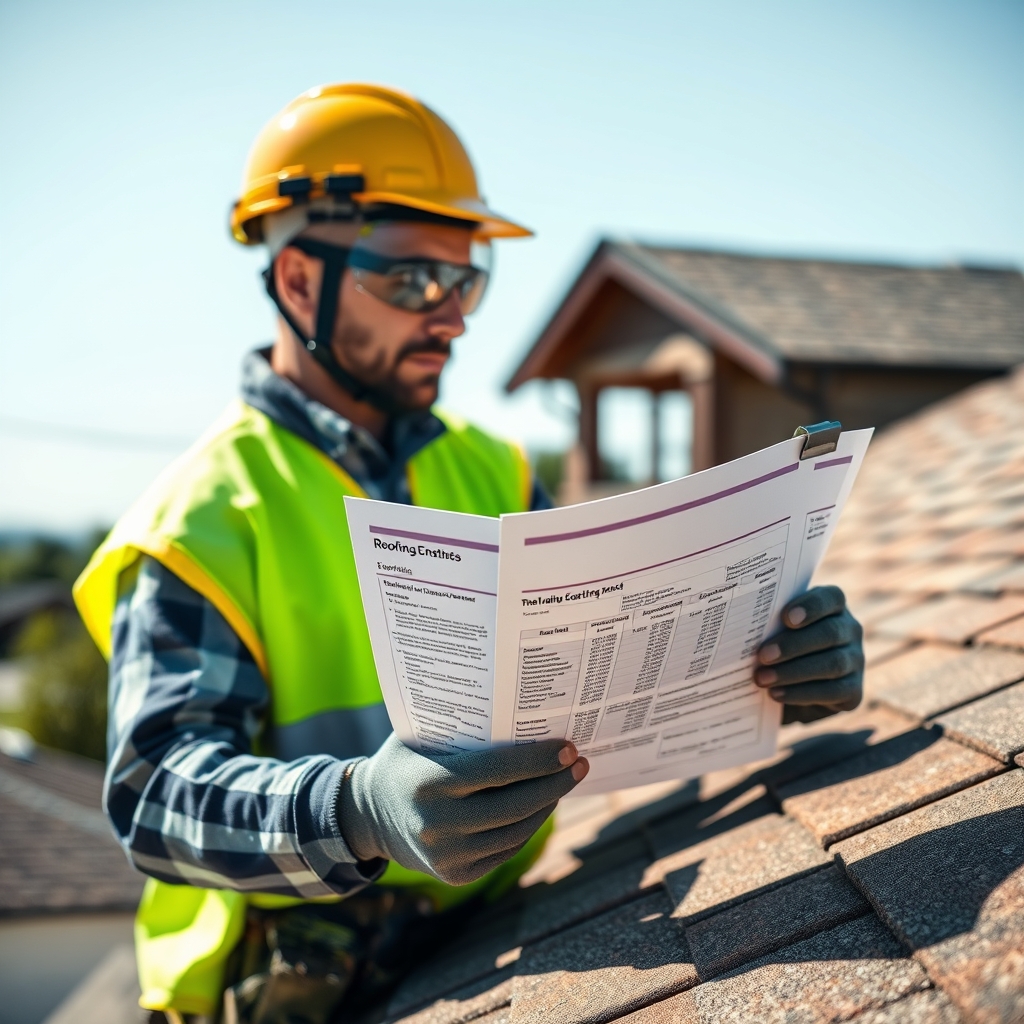
- Request a fully itemized written bid—showing every major cost (materials, underlayment, disposal, labor, permits) separately.
- Ask for a material price clause: Will your contractor guarantee today’s rates? How long are bids valid? What happens if tariffs increase while waiting?
- Ask if domestic-sourced products are an option, and whether they really avoid tariffs—verify origin and delivery time.
- See if you can lock in the full job price with an up-front deposit or financing arrangement, especially for metal roofs.
- Get clear on project start and finish dates—seasonal delays can trigger new price surges.
- Ask about group or bulk purchase rates—sometimes you and a neighbor can save if your contractor buys materials together before a tariff deadline.
- Review contingency language: What happens if a material jumps 10%+ during your project?
Remember: Tariffs increased typical roofing material prices 15–25% in 2024 and construction input prices rose by 0.7% per month into 2026 (industry source). That makes price transparency and written guarantees more valuable than ever.
For homeowners used to transparent upgrades in other home investments, a similar approach to energy-efficient renovations can help you steer conversations and negotiations.
What Competitors Are Missing — Unique Angles to Include in This Piece
- Post-tariff, side-by-side, itemized job cost breakdowns (see above tables) so you can spot real dollar delta for asphalt vs. metal.
- Metal’s 60% vs. shingles’ 6–10% increases—too many guides use old data or vague “it depends” language.
- Regional/contractor sourcing advice: ask where your materials are coming from and push for non-tariffed options if possible.
- Sample request-for-proposal (RFP) language: “Please provide a breakout of every material, and indicate for each whether tariff surcharges are included or expected before install.”
- A lightning-fast “when to act” decision flowchart (see above) and real homeowner testimonial quotes.
For more cost-conscious alternatives, see our new section on SPC vs. laminate pricing, a model for transparency.
Sample Homeowner Q&A and Short FAQ (Quick Answers for Searchers)
Will roofing tariffs keep rising into 2026?
No one can guarantee future tariff policy. Current industry forecasts show ongoing price risk—especially for metal and chemical-derived materials—into at least 2026. Keep an eye on federal policy announcements.
Can I lock in today’s price for my roof project?
In most cases, yes—if you get a written contract. Always request a price-lock clause covering material and labor. Ask how long your bid is valid and what happens if tariffs increase before your project starts.
If my roof has a small leak, can I safely wait?
Small leaks may be temporarily patched, but delaying total replacement risks expensive water damage and can void some insurance. Get an honest roofer’s evaluation before waiting.
Is metal roofing still worth it after the 60% tariff cost increase?
For many, metal’s doubled cost tips the value in favor of upgraded shingles—unless you need extreme longevity, live in a harsh climate, or can lock in pre-tariff rates. Do the math for your home’s size and budget.
How much more will I pay due to 2025 tariffs?
Use this formula:
Asphalt shingles: Take your material quote and add 6–10%.
Metal: Take previous quote and add up to 60%.
For example, $2,000 of shingle materials becomes $2,120; $6,000 of metal becomes $9,600.

Sources, Data Notes and How to Keep This Article Evergreen
- Major 2025 price source: RoofVista Roofing Tariff Guide (metal +60%, shingles +6–10%, TPO +12–18%, Section 232 jump Jun 2025)
- Methodology: All percentage increases and component jumps cross-checked against distributor price sheets, industry trade news (April 2025—Jan 2026), and sample bids from coast-to-coast contractors
- For updates: Check monthly construction input price indices; date and link all new data inline
- Additional homeowner experience referenced from FoxHaven Roofing (Jan 2026)
Bookmark this guide. We update regularly as new tariff or material news breaks—just as with our cost-saving home advice across other renovation categories.
Conclusion
Your roof replacement decision hinges on the real roof tariff cost increase—especially if you’re considering metal (with +60% increases) or keeping a tight household budget. Prioritize line-item transparency, demand written bids, and act quickly if you need metal or your roof is already at risk. If in doubt, ask contractors firm questions and reference cost increases directly. Compare, negotiate, and use these tools to make the best call for your household. Don’t let avoidable costs drain your renovation budget—get started by requesting itemized, tariff-aware bids today.
—