

Table of Contents
Green roofing systems are becoming a practical, mainstream upgrade in 2024, helping property owners reduce energy costs, boost roof lifespan, and meet ever-tightening sustainability standards—all with real financial return potential.
Key Takeaways
- Green roofing systems save up to 71.72% on HVAC energy use in certain climates and can double or triple roof membrane lifespan.
- Commercial properties lead adoption, but new incentives and better ROI modeling are driving homeowner interest in 2024.
- Main challenges are maintenance and drainage—planning and contract language make or break long-term results and savings.
Why green roofing systems are becoming mainstream in 2024
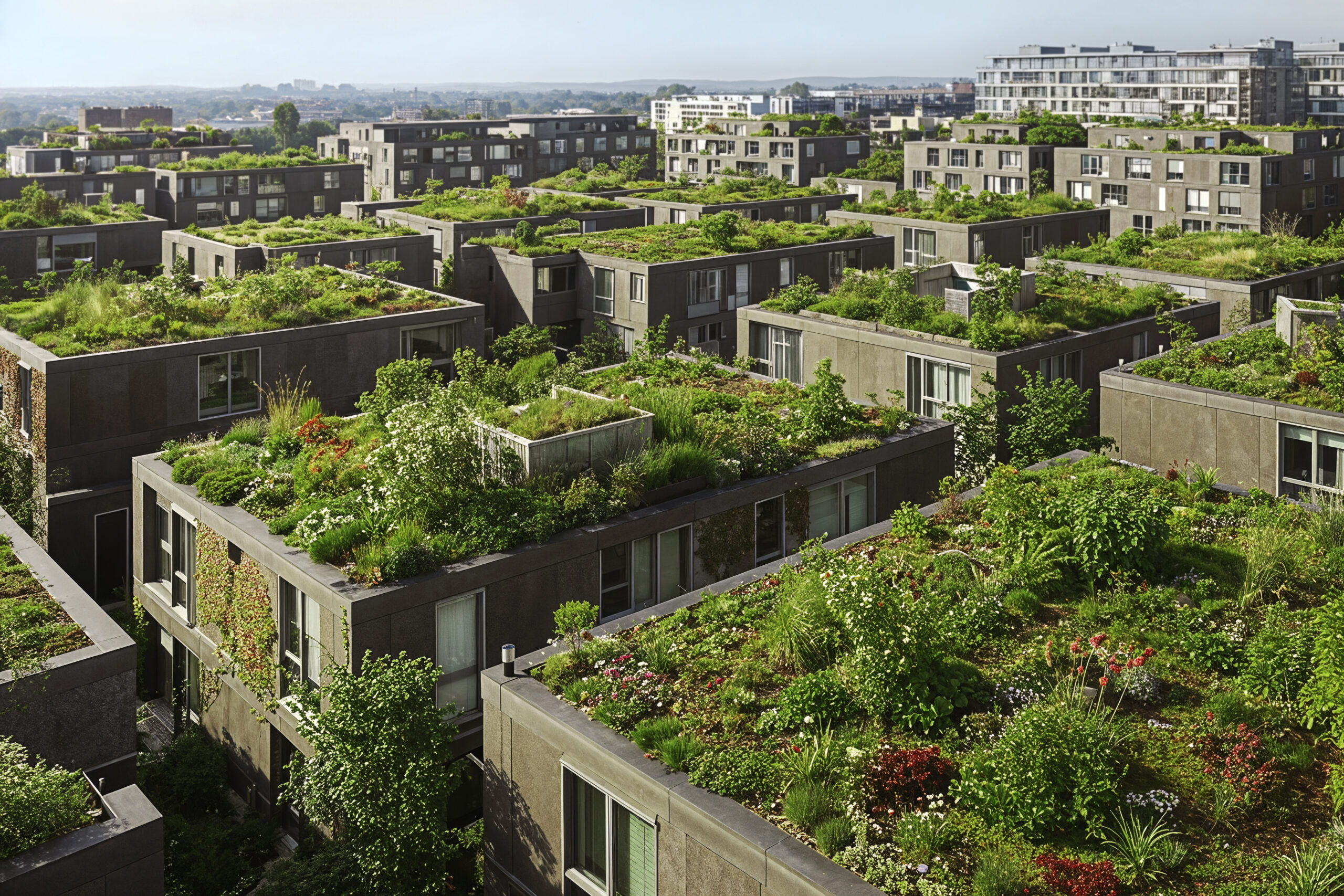
2024 is a tipping point for green roofing systems. Major drivers include stricter regulations, expanded city and state incentives, rising energy bills, and increased public pressure for businesses to hit sustainability targets. Commercial buildings are leading installations due to their large roof areas and eligibility for government subsidies targeting eco friendly roof solutions. In Europe—where policy is strongest—green roofs now cover 72.6% of the global market, while North America’s share has climbed to 11.2% (source).
Beyond regulation and image, green roofs meet real needs: better climate resilience, urban heat mitigation, and lower long-term operating costs.
Adoption breakdown — residential vs commercial (what the 2024 numbers tell you)
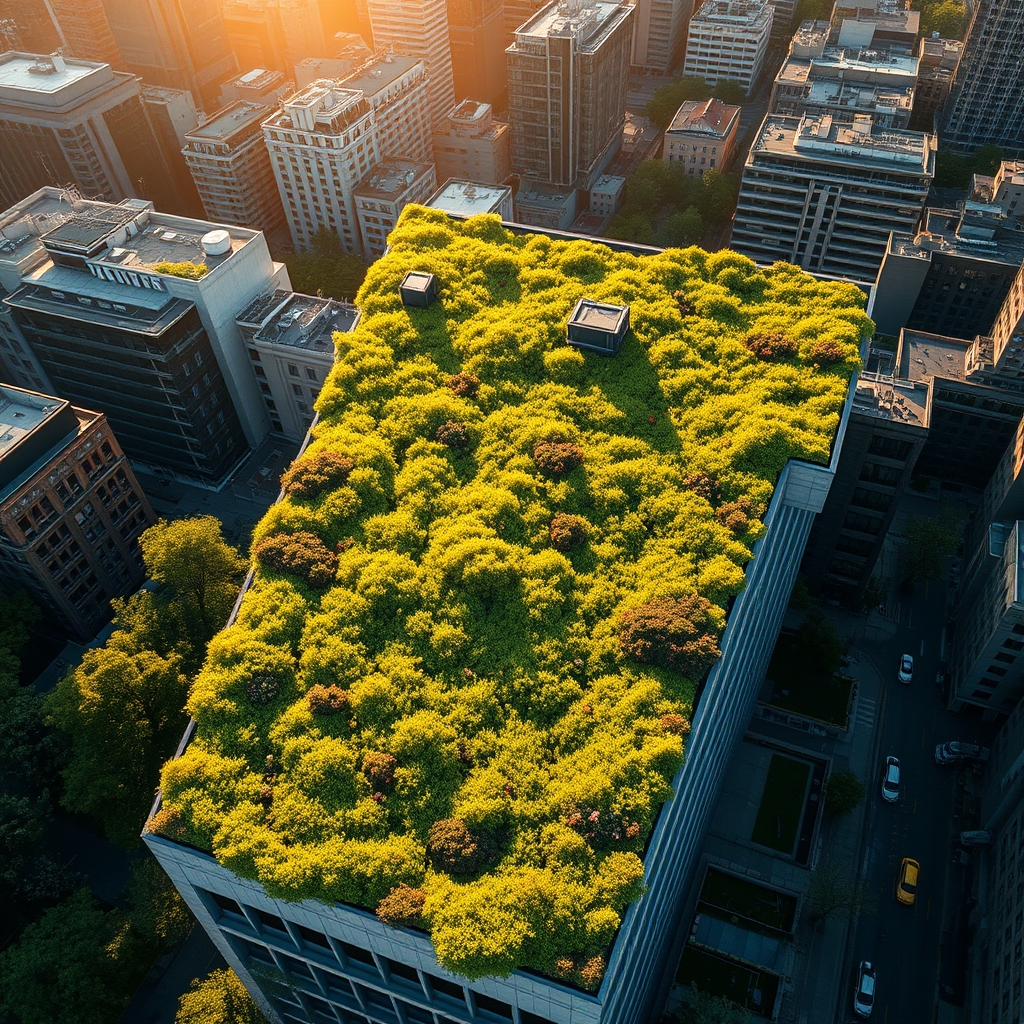
Commercial roofs account for 63.7% of global green roof revenue (source) due to their scale, accessible funding, and routine upgrades. Building managers can justify green roof benefits like stormwater management, corporate ESG goals, and sustainable roofing materials on large properties.
For homeowners, interest in eco friendly roof solutions is climbing as incentives grow and payback periods shrink—especially when bundled with other upgrades. However, single-family retrofits face more scrutiny on upfront cost and structural suitability.
High-rise multifamily buildings stand between, now leveraging green roofs for reduced urban heat and noise, better resident wellness, and LEED or local incentive points.
Short- and long-term cost savings — energy, lifespan, and replacement costs
The total value of green roofing systems goes beyond modest energy savings. In Seoul, wide-scale green roof adoption cut building energy use intensity by 7.7% (source), and modeling in six global cities projects up to 71.72% lower HVAC energy demand by 2100. Summer rooftop temperatures routinely drop by 30°C, slashing air conditioning costs.
Perhaps more overlooked: green roofing systems double or triple membrane lifespan by shielding the waterproof layer from UV, extreme temps, and hail. This dramatically reduces total replacement and disposal costs over a building’s life.
Expect energy payback periods of 7–15 years, with full ROI accelerating if you factor in reduced replacement frequency, property value gains, and any incentives or stormwater fee reductions your area offers (source).
Other measurable financial wins — stormwater, capital-equivalency, and property value
Beyond lower utility bills, green roofing systems can help avoid costly infrastructure upgrades. Many cities now charge stormwater runoff fees for impervious surfaces. Green roofs delay and reduce runoff, translating into ongoing fee reductions and compliance credits.
In the UK’s Stockport Interchange project, a blue-green roof delivered roughly £116,000 in upfront capital cost savings compared to a traditional stormwater tank (source). These savings are real, documented, and available to property managers who put them in the ROI equation.
Don’t overlook property value. Green roofs support biophilic outdoor design, improving aesthetics and marketability—a proven angle if you’re contemplating resale in a crowded market (see our guide on biophilic outdoor design).
Common complaints and operational issues owners report after installation
Even the best green roofing systems come with challenges. Research finds that the most common post-installation complaints are ongoing maintenance and drainage failures. Property owners cite unexpected costs from clogged drainage layers, irrigation breakdowns, plant die-off, and difficulty accessing the roof for repairs.
Poorly chosen plant palettes or soil depth can lead to overloading, root invasion of the waterproof membrane, or rapid brown-out during drought.
The solution: require a robust waterproof membrane, dedicated root barrier, properly engineered drainage, thoughtful irrigation planning, and upfront contract language assigning maintenance and repair duties.
| Common Issue | Impact | How to Mitigate |
|---|---|---|
| Clogged drainage layers | Leaks, standing water, plant death | Regular inspection; contract for maintenance |
| Poor plant selection | Plant loss, brown patches, invasive roots | Use regionally suited, drought-tolerant species |
| Overloading | Structural damage, roof leaks | Always conduct structural analysis |
| Irrigation failures | Widespread plant death, replacement costs | Choose low-maintenance plants; monitor irrigation |
| Membrane puncture | Water leaks, mold, costly repairs | Install durable membrane & root barrier; restrict access |
Three undercovered benefits and innovations competitors miss (actionable hooks)
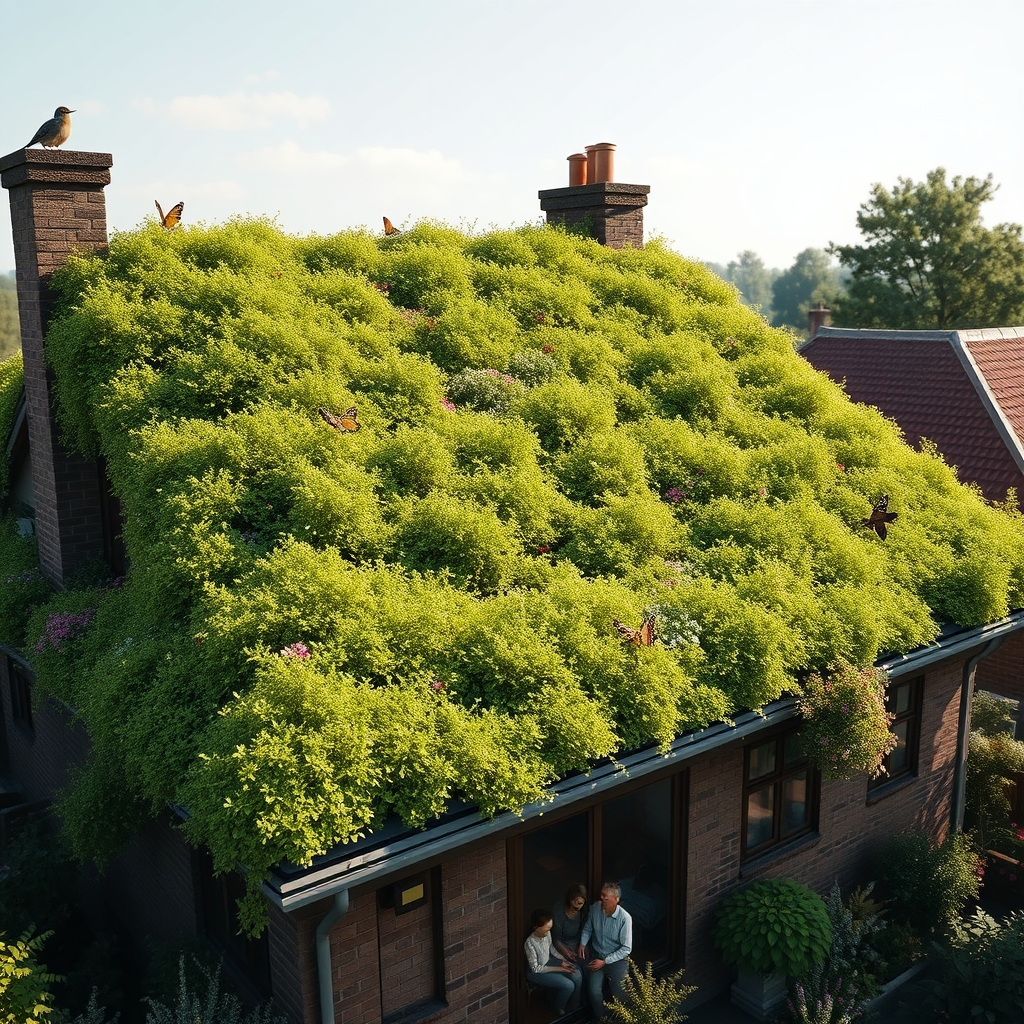
- Roof-lifespan extension as direct cost savings: Green roofs consistently double or triple the life of your existing roof membrane by shielding it from the elements, lowering the annualized replacement cost by thousands (source).
- Integrated solar–green roof hybrids: Newer systems combine photovoltaic panels with green coverage. The vegetation keeps panels cooler, boosting solar efficiency by up to 15% on hot days while maximizing usable rooftop area—cutting both energy bills and emissions.
- “Blue-green” infrastructure: These systems can fully replace stormwater tanks and vaults, as shown in Stockport’s £116,000 savings. They also increase biodiversity and ecosystem benefits—useful for mixed-use or environmentally certified projects (source).
Design fundamentals & installation checklist (what contractors and owners must confirm)
Before you commit to any living roof design, check these basics:
- Structural load rating (critical: get an engineer’s sign-off)
- Roof slope (ideal for extensive systems: 1–5%).
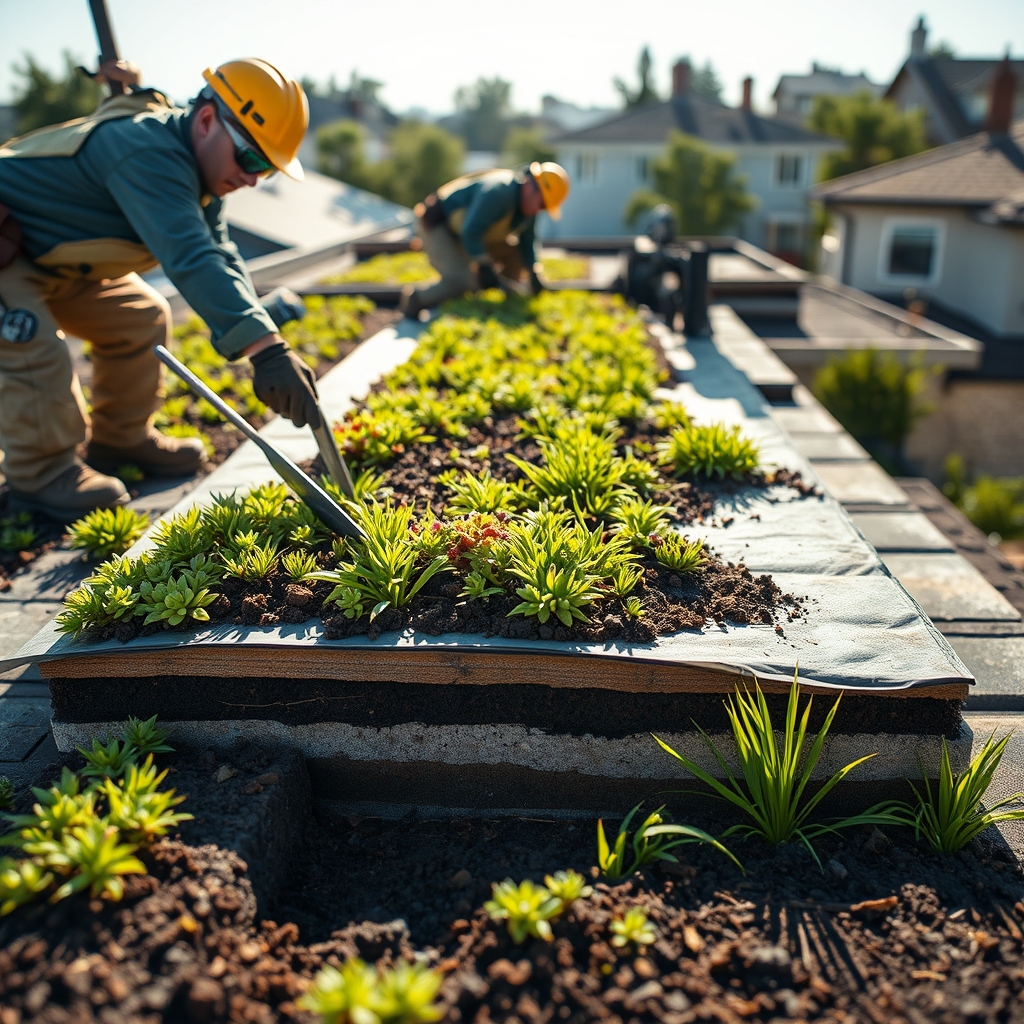
- Extensive (<6 in. depth, low maintenance) vs. intensive (6+ in., can support larger plants/amenities).
- Waterproof membrane and root barrier—these are essential for longevity and leak prevention.
- Thorough drainage design (sloped to outlets, accessible for inspection).
- Irrigation: automated for intensive systems; drought-tolerant species for extensive.
- Modular or tray-based options for easier installation and future access.
For more tips on sustainable upgrades, check out our net-zero ready home guide or insulated garage door ROI explainer.
Maintenance plan template and warranty/contract language to insist on
If you want real ROI from eco friendly roof solutions, lock in the following schedule with your installer:
- Monthly/quarterly plant health checks and weeding (first 2 years are most critical)
- Drainage inspection every 6–12 months (look for standing water, blockages)
- Irrigation system monitoring, especially during droughts or seasonal change
- Annual comprehensive roof review—structural and waterproofing integrity included
- Replacement of dead plants with same species to maintain function and appearance
Warranty must cover: membrane leaks, root barrier failure, drainage malfunction, and plant loss for at least 2–5 years. Demand clarity on coverage, response times, and transferability if you sell.
For additional maintenance strategies, see our bathroom maintenance tricks or WaterSense fixture savings guide.
How to build a defensible business case (incentives, financing, and performance accounting)
Successful ROI models for green roofing systems include:
- Energy savings (heating & cooling reduction)
- Stormwater management fee cuts/avoidance
- Property value uplift and marketability
- Replacement cost avoidance (roof life extension)
- Government incentives, local subsidies, compliance points (check city/state programs)
Count all these benefits—not only upfront installation costs—when seeking internal capital approval, green loans, or sustainability-linked financing. Incentives and fee reductions remain the #1 driver—know your local programs before pitching the project.
Quick decision matrix — Is a green roof right for your property?
| Criteria | Yes | No |
|---|---|---|
| Flat/low-slope roof? (1–5% slope ideal) | ✓ | — |
| Sufficient structural capacity? | ✓ | — |
| Access to local incentives or fee reductions? | ✓ | — |
| Desire for accessible green space or amenity? | ✓ | — |
| Willing to maintain or contract for ongoing care? | ✓ | — |
| Roof area large enough for ROI? | ✓ (commercial segment 63.7% in 2024) | — |
If most of your answers are “yes,” green roofing systems could deliver strong returns. For smaller or odd-shaped roofs, extensive systems may offer more value with less ongoing care. For more guidance on scaling features by budget, try our space-saving appliance ROI guide.
Next steps and recommended resources (what to request from contractors)
To evaluate bids and secure results:
- Structural engineer’s analysis (load, local code)
- Detailed maintenance plan (schedules, duties, escalation)
- Specific plant palette suited to climate and roof depth
- Irrigation and drainage design documentation
- Clear warranty terms (see template above)
- Modeled energy savings and stormwater reductions, citing local data or case studies
- Proof of contractor experience/references on similar scale projects
Research incentives and funding in your region and draw from case study documentation when reviewing proposals. If maximizing long-term ROI is your goal, ensure each bid includes both performance projections and a pathway for ongoing maintenance. For large-scale upgrades, see our walk-in shower conversion guide for smart contract tips that also apply here.
FAQ
How much do green roofing systems cost to install?
Costs vary based on roof size, accessibility, and system depth. Extensive green roofs can average $10–$25 per square foot installed; intensive systems can run $25–$50/sq ft or more. Incentives and reduced replacement costs may offset initial investment over time.
Do green roofs really increase property value?
Yes, green roofing systems often raise curb appeal and property value—especially in urban markets, LEED buildings, or where outdoor space and sustainability rank high for buyers or tenants.
What kind of maintenance is required?
Plan for quarterly or biannual inspections of plants, drainage, and irrigation. Ongoing weeding, dead plant replacement, and root barrier checks are critical—especially in the first two years.
Are all roofs suitable for green roof retrofits?
No. Flat or low-slope roofs with sufficient load capacity are best. A structural analysis is mandatory before proceeding with any installation.
Can green roofs be combined with solar panels?
Absolutely. Integrated solar–green roof systems maximize both energy generation and cooling, boosting overall efficiency and ROI.