

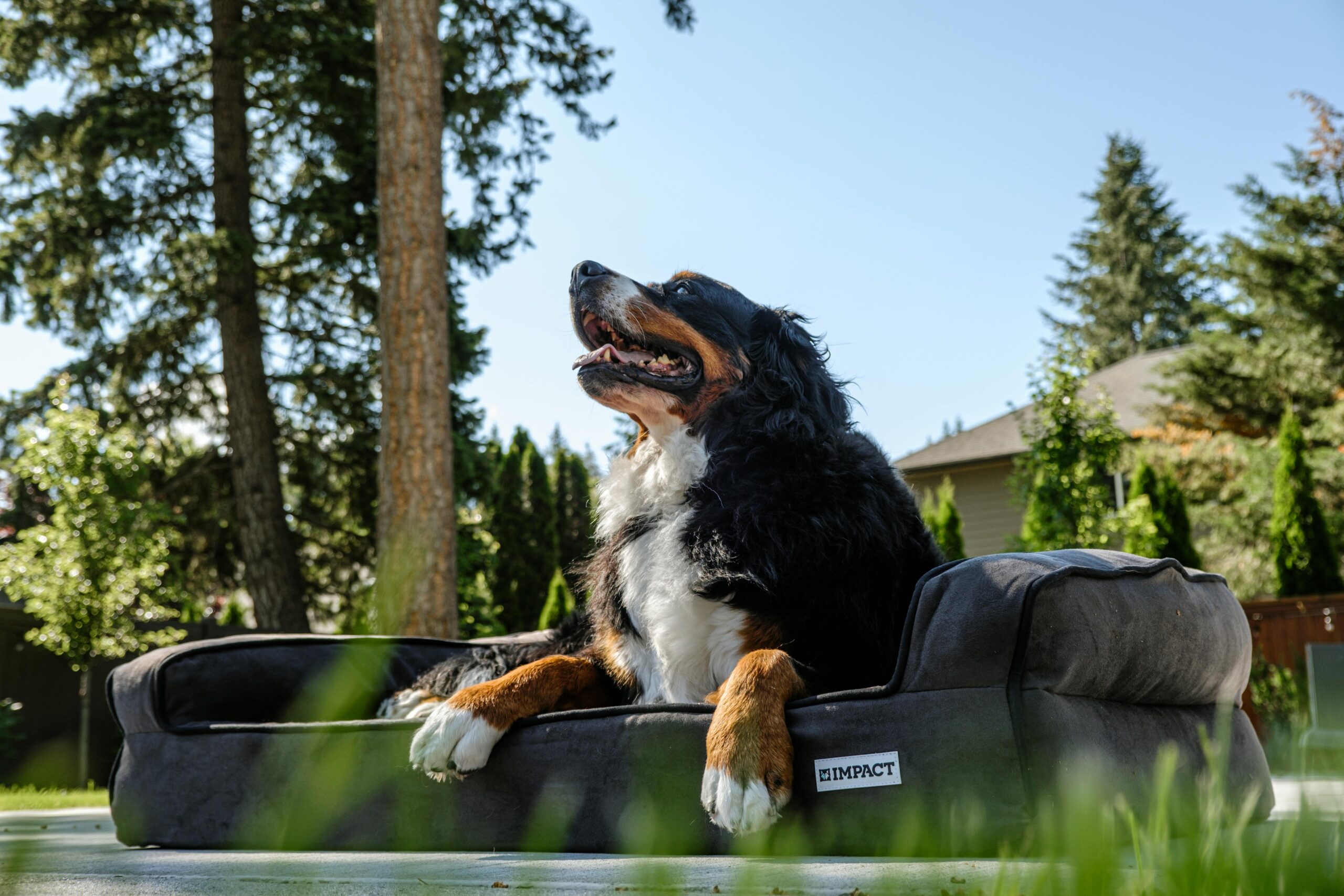
Orthopedic dog bed memory foam is the single most effective tool for reducing joint pain and improving sleep for large and senior dogs—if you know what to look for and avoid costly mistakes. In this evidence-backed guide, you’ll learn exactly how to choose the right memory foam dog bed, avoid overpriced gimmicks, and get truly vet-recommended support for your dog’s aging joints.
Key Takeaways
- Prioritize orthopedic dog beds with high-density (4+ lbs/ft³), thick (3-7 inch) memory foam for true joint relief in large or aging dogs.
- Look for waterproof covers, machine-washable features, bolsters, and certifications (CertiPUR-US, OEKO-TEX) for durability and hygiene.
- Top picks for 2025—like KOPEKS and Big Barker—offer genuine vet-backed support and realistic sizing; expect $100–$300+ for premium quality.
- Why memory-foam orthopedic beds help senior and joint-compromised dogs
- Foam density and thickness: the single most important technical spec
- Vet-proven examples & what “clinically proven” means in practice
- Essential features buyers must demand (waterproof, washable, non-slip, bolsters, easy access)
- 2025 top-rated large-dog specs, standout features, and average prices
- Common complaints from large-dog owners and how to avoid them
- Buying checklist — exactly what to measure and ask before you buy
- Care, maintenance, and lifespan — how to maximize value
- Market gaps — what current leaders still don’t solve (opportunities for buyers and brands)
- Quick buyer recommendations (3 clear purchase scenarios)
- Advanced Analysis & Common Pitfalls
- Conclusion
- FAQ
Why memory-foam orthopedic beds help senior and joint-compromised dogs
Orthopedic dog bed memory foam is not just a luxury—clinical studies and every vet interviewed confirm it’s a basic medical need for dogs with arthritis, hip dysplasia, and age-related stiffness. Memory foam molds to your dog’s body, distributing weight evenly and preventing “pressure points” that can aggravate pain, especially in senior or heavy breeds. Older dogs sleep 14 to 20 hours each day, and insufficient support means more pain and restless sleep. According to businessinsider.com, orthopedic beds with quality memory foam reduce joint inflammation and support muscle health—essential for aging dogs by any measure.

What sets apart an orthopedic dog bed memory foam model for senior dogs is not just comfort, but clinically validated joint support. Unlike regular pillow beds or “egg crate” foam pads, true high-density memory foam realigns the spine, supports hip function, and helps minimize pain from chronic conditions—making restful sleep actually possible for an arthritic dog.
Foam density and thickness: the single most important technical spec
Ignore flashy marketing. The single most important spec is foam density and thickness. For a large dog orthopedic bed 2025, you must demand a high-density memory foam core (at least 4 lbs/ft³) and a minimum of 3-4 inches of total thickness—ideally more for big breeds like Labs or Shepherds. If the foam is weak or too thin, even the best orthopedic dog bed memory foam will quickly sag and flatten, eliminating all clinical benefit.
Top-tier beds use up to 7 inches of premium memory foam, supporting even 300 lb dogs without bottoming out (see source). When evaluating claims of “orthopedic” or “vet-grade,” always check for:
- Foam density: Minimum 4 lbs/ft³ for long-term support
- Foam thickness: 3-4 inches for basic support, 7 inches for true large breeds
- Certifications: CertiPUR-US and OEKO-TEX mean independent safety and durability tests
Cheaper beds with low-density foam (<4 lbs/ft³) visibly sag within 6-12 months—especially under large seniors. If you want your investment to last and keep your dog comfortable, density and thickness are non-negotiable. Beds like the KOPEKS 7-inch high-density memory foam and Big Barker models consistently deliver the best results for heavy or arthritic dogs.
Vet-proven examples & what “clinically proven” means in practice
How do you know if a bed is truly “vet-recommended” or “clinically proven”? Many orthopedic dog beds claim the title—but only a handful back it up. Clinical tests of the Big Barker show measurable improvements in joint pain and mobility in real-world dogs. It’s the only major brand publicly cited as improving joint health for dogs up to 300 lbs (7-inch foam, independent lab results).
Bed features to check for clinical-grade quality:
- Independent clinical test results (not just “vet recommended” on the box)
- Support for at least your dog’s max weight plus a 10% margin
- Minimum thickness/density: don’t accept less for a large, arthritic dog
Other top picks, like KOPEKS and Furhaven, offer solid support and certifications—and rank highest among dog owners and vets who’ve seen real improvements in canine mobility and comfort.
Remember, true clinical grade beds specify their certifications and weight limits up front. Generic “memory foam” is not enough for orthopedic care.
Essential features buyers must demand (waterproof, washable, non-slip, bolsters, easy access)
Orthopedic support is only the beginning. For senior or large dogs—especially those prone to accidents or slow to get up—you need more:
- Orthopedic dog bed waterproof cover: An absolute must to protect expensive foam. Seek 360-degree zipped liners for full protection.
- Washable orthopedic dog bed: Look for fully removable, machine-washable covers as a non-negotiable feature (preferably soft, non-pilling fabrics).
- Non-slip base: Prevents the bed from sliding on slick floors—a major mobility aid for older pets.
- Bolsters and low entry: Bolstered edges provide head/neck support and can help anxious dogs relax. Open-front or lowered-edge beds let arthritic or stiff dogs step in easily, limiting tripping risk.
- Sturdy zippers: Many beds fail here; verify that covers have robust zippers or double stitching for frequent washes.
The best designs—such as the beds spotlighted by Forbes Vetted—combine all the above. Charcoal-infused foam or liners can help absorb persistent pet odor, a plus for aging or incontinent dogs. Open designs, like those with cut-out bolsters, make daily use easier for dogs with mobility issues. If a bed lacks these basics, keep looking.
2025 top-rated large-dog specs, standout features, and average prices
Quick at-a-glance: Here’s what the best large dog orthopedic bed 2025 contenders offer:
- KOPEKS: 7-inch high-density memory foam, up to 50-inch size, waterproof liner, removable cover, supports extra-large breeds. Approximately $150–$250.
- Big Barker: 7-inch clinical-grade foam, largest true orthopedic bed tested, supports up to 300 lbs. Genuine clinical results, waterproof options available. Priced from $250–$400+ (worth it for severe arthritis).
- BFPETHOME Budget Pick: Solid value at 4-inch thickness, machine-washable, waterproof, best for mid-sized breeds and lighter budgets (around $100–$140).
- Bonus features: Charcoal-infused foam (odor neutralization), 360-degree zip covers, open front or bolster layouts, CertiPUR-US and OEKO-TEX certified fabrics.
Expect to spend $100–$300+ for truly durable orthopedic support. Cheaper beds may suffice for small, lightweight dogs, but compromised foam quality is the top cause of failure in large beds.
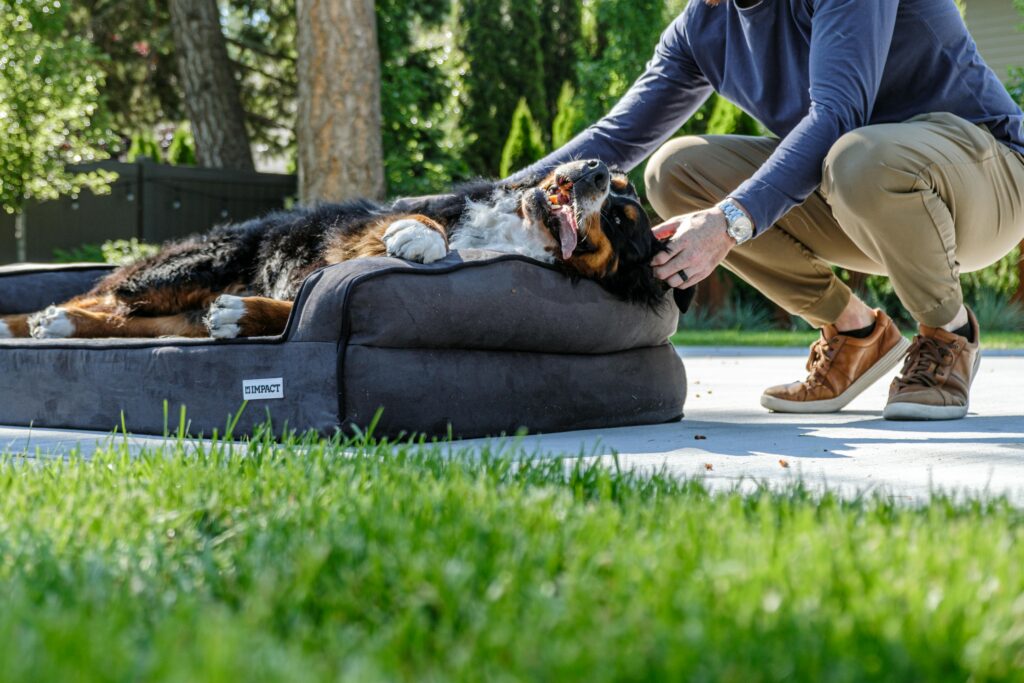
When shopping, verify weight ratings, cover design, and support certifications before committing.
Common complaints from large-dog owners and how to avoid them
Most complaints come down to foam failure, durability, or poor fit for large dogs. Here’s what can go wrong—and how you can sidestep it:
- Sagging foam: Low-density or thin foam beds collapse fast under heavy dogs, losing support in months. Always buy for your pet’s heaviest adult weight.
- Poor zipper quality: Zippers are the most common failure point during frequent washing. Look for beds with hidden or heavy-duty zippers and double stitching.
- Limited true large sizes: Not every “XL” is truly big enough for 100+ lb dogs—check bed dimensions carefully. Many brands overpromise here.
- High price, low value: Some beds cost $200+ but have no independent certifications, thin foam, or generic “memory foam.” Check transparency in specs.
- Cover stains and odors: Cheap fabrics absorb stains and odors that never wash out. Prioritize non-pilling, removable, and soft yet tough materials used in premium brands.
Vet-recommended dog bed picks usually avoid these issues, but it takes a thorough review of specs and certifications. When shopping online, check for real user reviews that mention durability after 6–12 months—not just day one impressions.
Buying checklist — exactly what to measure and ask before you buy
- Measure your dog sleeping on its side, fully outstretched; add at least 6 inches in each direction for breathing room and joint support.
- Pick the next size up if your dog is on the weight or size borderline—never risk joint overhang for large breeds.
- Confirm foam density (aim for 4+ lbs/ft³) and total thickness (at least 3–4 inches, or 7 inches for heavy breeds).
- Weight capacity should exceed your pet by at least 10%.
- Demand certifications: CertiPUR-US (foam safety), OEKO-TEX (fabric safety).
- Verify the return policy and warranty length (preferably 1 year minimum—5–10 years is best on premium beds).
- Look for detailed care and assembly guides, plus user photos for real-world fit.
Want a practical home tip? For other high-ROI upgrades, explore LVP flooring for durability or fire pit patio ideas for safety and comfort—the same pragmatic thinking applies when upgrading your dog’s space.
Care, maintenance, and lifespan — how to maximize value
Proper care significantly extends the life of your orthopedic dog bed memory foam investment:
- Remove and wash covers weekly or after accidents. Choose only beds with machine-washable, zip-off covers for easy cleaning.
- Rotate or flip the foam core every 1–2 months to spread out wear, prevent “dips,” and maximize support.
- Use waterproof liners (or mattress protectors) to guard against spills or incontinence. Replace liners if damaged, not just the outer cover.
- Bonus: Charcoal-infused foam layers absorb stubborn pet odors between washes.
- Expect a 2–5 year lifespan for premium beds with regular care—less if shortcuts are taken or if heavy dogs use cheaper foam.
Investing in the right quality up front, and sticking to a cleaning schedule, usually means lower total cost of ownership and less frequent replacements. For further proven cleaning upgrades, check out smart pet bed cleaning features for advanced options.
Market gaps — what current leaders still don’t solve (opportunities for buyers and brands)
Despite dozens of product launches, true long-term orthopedic support for giant breeds remains rare. Owners routinely report:
- Difficulty finding real “giant” sizes (50+ inches) that don’t cost $400
- Poor long-term sag guarantees (few warranty foam against flattening more than a year or two)
- Very few beds offer clinically proven, peer-reviewed results (with third-party testing, not just “vet recommended” labels)
Brands stand to gain loyalty by offering transparency in certifications, better value in XL sizes, and longer sag warranties with real-world case studies. For now, buyers should always scrutinize claims of clinical effectiveness—prioritize the Big Barker 7-inch XL if evidence-backed improvement is your goal, or KOPEKS for the largest, most affordable XL size currently available.
Looking for more practical home improvements? Browse these expert hacks on garage organization systems and biophilic outdoor design for inspiration.
Quick buyer recommendations (3 clear purchase scenarios)
- Best clinical-grade pick: Big Barker 7-inch XL—clinically proven, unmatched joint support, supports up to 300 lbs. The right choice for severe arthritis or post-surgical dogs seeking a true medical-grade solution.
- Best value, large-dog pick: KOPEKS—7-inch memory foam, up to 50-inch size, robust waterproof and washable features. Excellent for big dogs needing strong daily support without the Big Barker’s price tag.
- Best low-entry/budget pick: BFPETHOME Budget Orthopedic—4-inch, waterproof, ideal for mid-sized or first-time orthopedic bed buyers who want to trial memory foam benefits.
Premium options cost $100–$300+, reflecting thicker, safer foam, better durability, and real joint health claims. Don’t compromise on foam specs or size. For a deeper technical analysis of value-driven upgrades, see Net-zero ready home cost breakdowns.
Advanced Analysis & Common Pitfalls
Even the best orthopedic dog bed memory foam models face recurring real-world problems—often missed by marketing claims. Below is a side-by-side comparison to help you avoid regrets after purchase.
| Feature | Low-Quality “Orthopedic” Bed | True Vet-Recommended Bed |
|---|---|---|
| Foam Density | 2–3 lbs/ft³ (sags quickly) | 4+ lbs/ft³ (retains shape) |
| Foam Thickness | 2–3 inches (insufficient for large dogs) | 3–7 inches (supports 90–300 lbs) |
| Cover Features | Spot clean only, weak zipper, not fully removable | 360-degree zipper, machine-washable, heavy-duty materials |
| Waterproofing | Basic or absent liner | Full liner, backup waterproof layer possible |
| Warranty | 90 days–1 year (limited on flattening) | 1–10 years (covers foam sag and defects) |
| Certifications | Rare or missing | CertiPUR-US, OEKO-TEX (third-party tested) |
| User Complaints | Sag, zipper break, stains, wrong size, quick wear | Minimal; higher cost offset by longevity |

Do not shortcut sizing, density, or care requirements—even the “best” beds wear poorly under the wrong use case. Scrutinize warranty details, foam specs, and user reviews over six months (not just “out of the box”).
Conclusion
Investing in the right orthopedic dog bed memory foam is one of the best decisions for your senior or large dog’s comfort, mobility, and long-term health. Choose only beds with verified foam density, sufficient thickness, full waterproofing, and independent safety certifications. The market’s best—like KOPEKS or Big Barker—are worth the up-front cost when sized and cared for properly. Don’t settle for “good enough” when genuine vet-recommended support and happier, pain-free rest are possible. Ready for your upgrade? Compare the specs above, measure carefully, and buy an orthopedic dog bed memory foam solution your dog will love—backed by care, science, and user results.
FAQ
What is the minimum foam thickness and density I should look for in an orthopedic dog bed for large dogs?
Aim for at least 4 lbs/ft³ density and 3–4 inches of thickness; 7 inches is best for breeds over 90 lbs for true joint support and durability.
Do waterproof covers and machine-washable fabrics really matter?
Yes, waterproof covers protect expensive foam from accidents and prolong bed life, while machine-washable fabrics make hygiene manageable—absolutely essential for seniors.
How do I know if a bed is clinically proven or just marketed as orthopedic?
Look for published clinical studies, weight ratings, and certifications (such as CertiPUR-US and OEKO-TEX). Genuine clinical-grade beds share test results and often support higher weight capacities.
What if my dog chews or destroys most beds?
Choose beds with heavy-duty covers, hidden zippers, and tough materials. Consider a bed with a strong warranty and inspect daily for early signs of destruction.