

Table of Contents
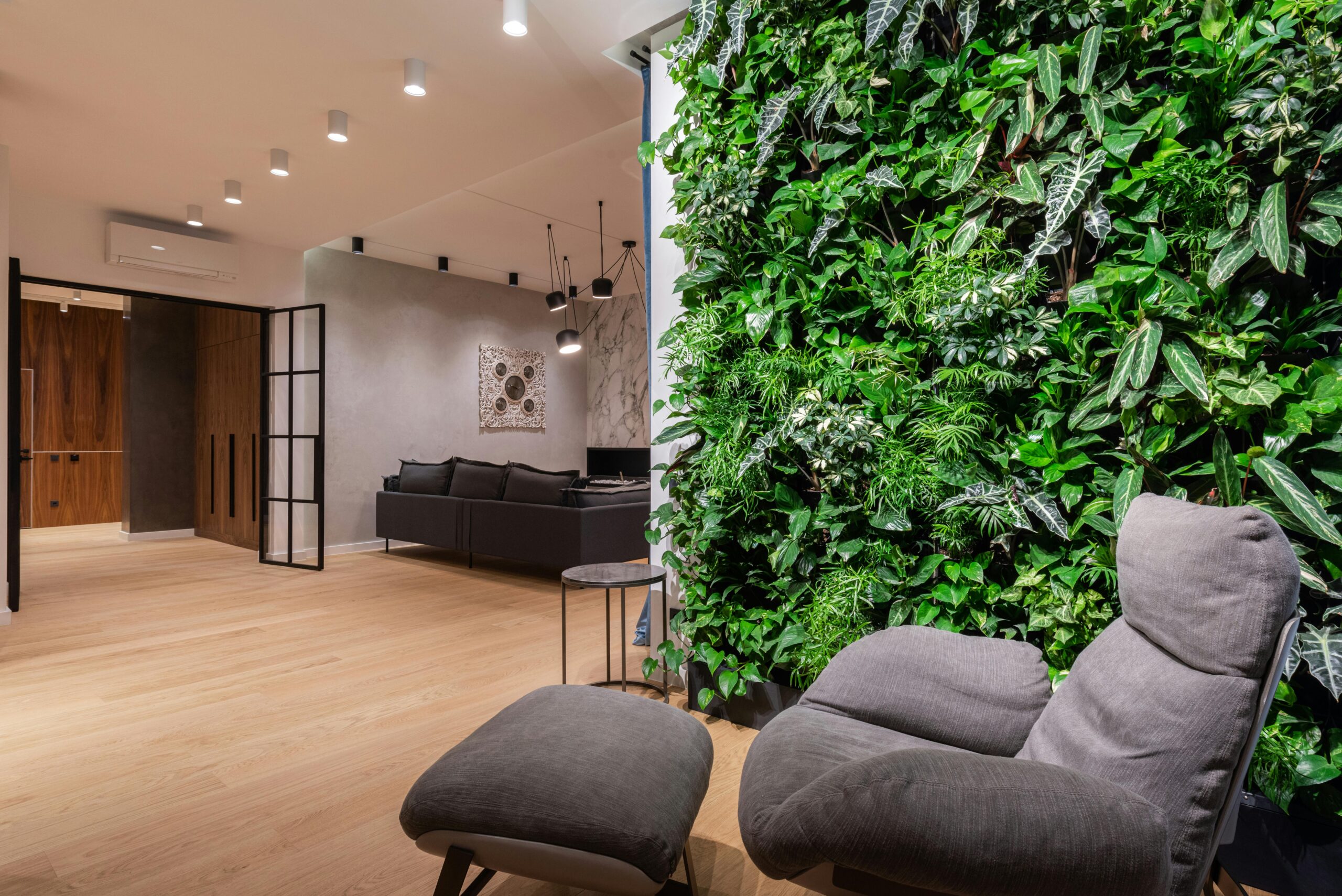
Biophilic furniture is quickly becoming the standard for design-savvy homeowners who want calm, nature-connected living spaces that support wellness and sustainability.
Key Takeaways
- Quality biophilic furniture offers genuine health, aesthetic, and environmental benefits, but requires selective sourcing and regular care.
- Identify authenticity through sustainable materials, reputable certifications, maker transparency, and care expectations before investing.
- Price reflects durability, material provenance, and health impact — smart screening avoids common maintenance pitfalls and buyer’s regret.
Market snapshot — Why biophilic furniture matters right now
Biophilic furniture is not just a passing trend — it’s driving a fundamental change in how people design their homes and offices. Recent research shows that the global furniture segment generated USD 108.8 billion in 2024, accounting for about 48.3% of the total home decor market share in 2025. The surge is fueled by a growing desire for nature-driven interiors and wellness. This shift is especially visible among urban homeowners who value calm, healthier, and more sustainable environments. Large retailers and boutique makers now expand their biophilic offerings to meet this demand, with market momentum showing no signs of slowing for biophilic home decor 2025 and beyond.
Furniture has long replacement cycles and high per-unit spending. This means each buying decision carries long-term impacts — both for your home’s atmosphere and your budget. If you want to invest wisely, it’s essential to go beyond trends and understand the tangible health, emotional, and environmental benefits before committing to biophilic pieces.
To see how biophilic principles extend outdoors too, check out these outdoor biophilic design strategies.
Actionable buying guide — How to select and care for biophilic furniture
Upgrading to biophilic furniture means focusing on value drivers like material authenticity, sustainability, and durability. Here’s a step-by-step approach to make confident, regret-proof buys.
Know what defines true biophilic furniture
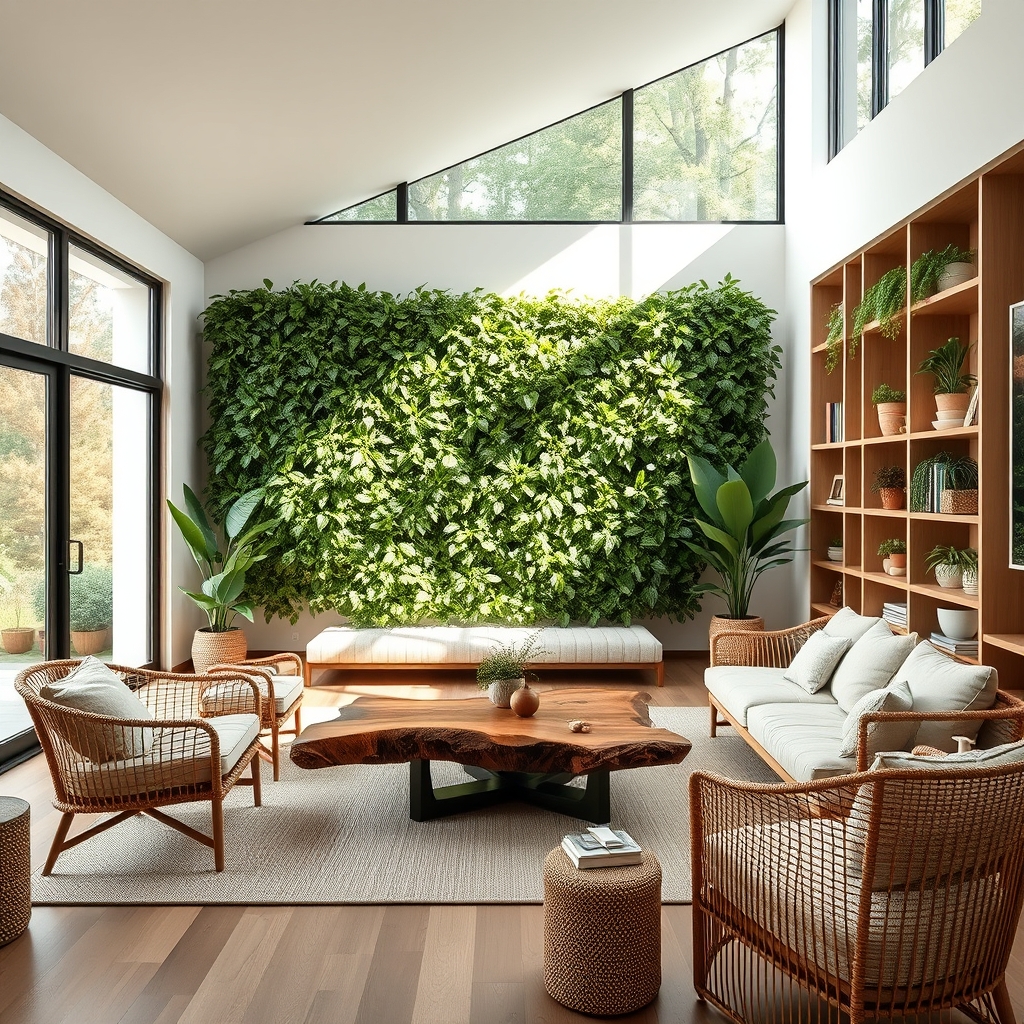
Real biophilic pieces rely on organic shapes and natural materials, not synthetic lookalikes. Look for:
- Live-edge wood furniture: Each piece features unique, natural contours. The edges are left as-is from the tree slab, not machined.
- Wood and rattan furniture: Fast-growing, renewable, and often reclaimed from post-consumer content.
- Stone or clay accents: Tables or side pieces that connect you to foundational earth materials.
- Natural-fiber upholstery: Linen, wool, cotton, or hemp provide better breathability and hypoallergenic properties.
- Organic shaped furniture: Softeners like rounded corners and flowing lines avoid clinical straight edges and evoke calm.
For a deeper look at organic shaped design in home renovation, see our guide to small bathroom makeovers.
Prioritize health and emotional benefits — it’s not just about looks
Scientific data highlights the tangible effects of biophilic interior design furniture. Multiple studies reveal that nature-inspired surroundings boost mood, enhance concentration, and reduce family stress.[1] Google Trends shows searches for “biophilic design” surged sharply in 2023.[4] If you work from home, even small upgrades (like a natural material sofa or live-edge desk) can improve your daily productivity and well-being over years of use.
Now, choose your materials based on usage and longevity:
- High-traffic zones (sofa, dining chairs): Go for dense hardwoods and robust frames.
- Kid or pet spaces: Opt for tightly-woven rattan and removable, washable natural fiber covers.
- Statement pieces (side table, bench): Prioritize distinctive grains and visible maker marks.
Authentic biophilic home decor 2025 means blending these forms with earth tone palettes. See our guide to earthy furniture tones for 2025 to explore color drenching techniques that amplify warmth.
Sustainability and sourcing: Don’t let “greenwashing” fool you
Market data shows sustainable products are in high demand, especially in Europe, which generated USD 124.99 billion in home decor for 2025 with a 15.6% global share.[8] Here’s what sets eco-first biophilic pieces apart:
- Look for third-party certifications (FSC, GREENGUARD, or Cradle to Cradle).
- Ask for details on reclaimed vs. FSC-certified vs. recycled content percentages.
- Request transparent supply chain information — where the wood/slab was sourced and finished.
- Check for non-toxic finishes and minimal carbon-intensive transport.
- Understand how sustainability affects price, resale potential, and care routines.
For more on improving your home’s sustainability, our net-zero ready home guide breaks down advanced eco-practices.
What to expect on price (and how to defend the value)
Biophilic furniture costs more than mass-market MDF for three reasons:
- Material quality: Sourcing live-edge slabs, reclaimed hardwood, and natural stone adds cost and durability.
- Maker time and skill: Crafting organic shapes requires more labor and expertise.
- Sourcing transparency: Tracked provenance and certifications add 20% or more to baseline production.
Expect entry-level wood and rattan furniture from $600–$1,500, live-edge desks or dining tables from $2,000–$5,500, and boutique items even higher. Online channels often offer better pricing, while local craftsmen give you the best customization and transparency. Many buyers choose flagship items, like a natural material sofa or statement wood table, for rooms where impact and resale matter most.
Quick buyer’s checklist before you order:
- Is the listed piece genuinely made from live-edge wood or just machined lookalike?
- Does the seller show proof of sustainable sourcing or certifications?
- Are care and maintenance guides provided upfront?
- Does the warranty cover common issues (warping, finish, cracks) for at least 3–5 years?
- If buying online, are return and damage policies clear — including for oversized or custom orders?
Check listings for warning signs like MDF core under wood veneer, vague material descriptions, or factory-distressed finishes that don’t age well. Ask for detailed photos and, when in doubt, request a video walkthrough from the seller.
Care, maintenance, and real-life longevity tips
Frequent complaints about biophilic interior design furniture involve high upkeep — especially with live-edge wood. Here’s a maintenance cheat sheet:
- Wood & live-edge: Monitor indoor humidity (ideally 40%–55%), dust with a microfiber cloth weekly, oil or re-seal every 6–12 months depending on use, and avoid direct sun or HVAC drafts.
- Rattan/Natural fibers: Vacuum gently using a soft brush. Blot stains immediately with diluted, clear mild soap — do not soak. Use furniture pads to prevent leg cracking.
- Upholstery: Rotate cushions, use eco-safe fabric sprays, and spot-treat spills quickly.
- Shipping/Unpacking: Check for edge damage or splitting on arrival; photograph immediately for claims.
Get more on clever organization and protection for your home storage zones.
Style, color, and layout — making biophilic furniture work in real homes
Earthy furniture tones for 2025 will anchor the look: Try deep olive, warm mustard, and rich wood hues. Layer organic shaped furniture with tactile throws, pillows, and lush plants to increase the restorative effect. Use daylight, indirect lamps, and natural textiles to soften the vibe. Group 2–3 organic shapes in a single room for cohesion, but avoid overcrowding — less is more for calm.
For more detailed inspiration, head to our floating shelves kitchen guide for subtle biophilic integration in kitchens.

Advanced analysis & common pitfalls to avoid
Even the best biophilic furniture can present challenges if you don’t plan ahead. Here’s how to avoid the pain points that neighbors (and reviewers) complain about most.
Common user complaints & how to sidestep them
| Problem | Why it Happens | How to Beat It |
|---|---|---|
| Maintenance / Staining | Open pores in live-edge, unfinished or raw wood absorb spills easily | Use quality wax or oil, reseal every season, place mats under drinks/food |
| Cracking / Warping | Humidity swings or direct airflow dry out wood or cause it to swell | Monitor indoor humidity, keep away from vents/windows, use humidifiers in winter |
| Finish inconsistency | Handmade or reclaimed wood shows grain/finish variation | Buy from reputable makers, request close-up finish photos before shipping |
| High cost | Premium materials or craftsmanship with slow production cycles | Select hero pieces, compare online vs local, time big purchases with sales |
| Uncomfortable ergonomics | Organic shapes may not suit all body types or postures | Sit test if shopping locally, ask for return/trial policy online, add custom cushions |
Negative reviews most frequently cite live-edge wood maintenance and perceived high value vs. price.[5]
Expert tip: How to spot quality without regrets
- Always request a written care and warranty guide for any wood or natural material sofa before payment.
- If possible, buy via platforms with strong buyer protection (online or through vetted local makers with real testimonials).
- For resale — focus on classic, versatile pieces in neutral wood or stone that suit many styles.
- Take periodic photos of your furniture as soon as it’s unboxed for documentation — this greatly simplifies future claims or returns.
Want your biophilic style to spill into outdoor entertaining? See our outdoor kitchen guide for organic, value-driven upgrades.
Conclusion
Smart investment in biophilic furniture pays dividends for health, calm, and long-term home value when you take a conscious approach to selection and care. With sharp market growth and evolving eco expectations, now is the perfect window to shop for quality pieces. Remember, each natural, organic-shaped item you add can transform routine family life, especially if you prioritize sustainable sourcing, warranty, and clear maintenance routines up front.
Ready to bring the restorative power of biophilic furniture into your home? Make your checklist, ask the tough questions, and invest with confidence.
Frequently asked questions
Are live-edge pieces stable, or will they crack over time?
Live-edge wood is sturdy when sourced, dried, and finished correctly. Still, it is more sensitive to humidity than veneered pieces. Use a humidifier in dry months, keep away from vents, and oil/seal yearly to minimize cracks.
How can I clean and protect rattan furniture?
Dust gently with a soft cloth; for spills, blot immediately with a mild soapy solution. Avoid excessive water and use furniture pads to reduce splitting or leg cracks.
Are natural material sofas hypoallergenic?
Generally, yes — quality linen, wool, or cotton upholstery traps fewer allergens than synthetic blends, and solid-wood frames reduce VOCs. Confirm upholstery finishing and frame adhesives are non-toxic.
What should I expect in terms of warranty and service?
Most reputable makers offer 3–5 years warranty on construction/materials. Ensure this covers warping, finish defects, and natural material failure. Ask for coverage details and maintenance requirements before you buy.
What drives biophilic furniture resale value?
Provenance, material authenticity, and neutral organic shapes retain value best. Documented eco-certifications can increase demand in the resale market compared to unverified mass-market items.
Can I mix biophilic and non-biophilic furniture in one room?
Absolutely. Use biophilic pieces as anchors — like a live-edge table or natural material sofa — and blend with simple modern items to avoid visual clutter. Prioritize natural finishes for balance and calm.