

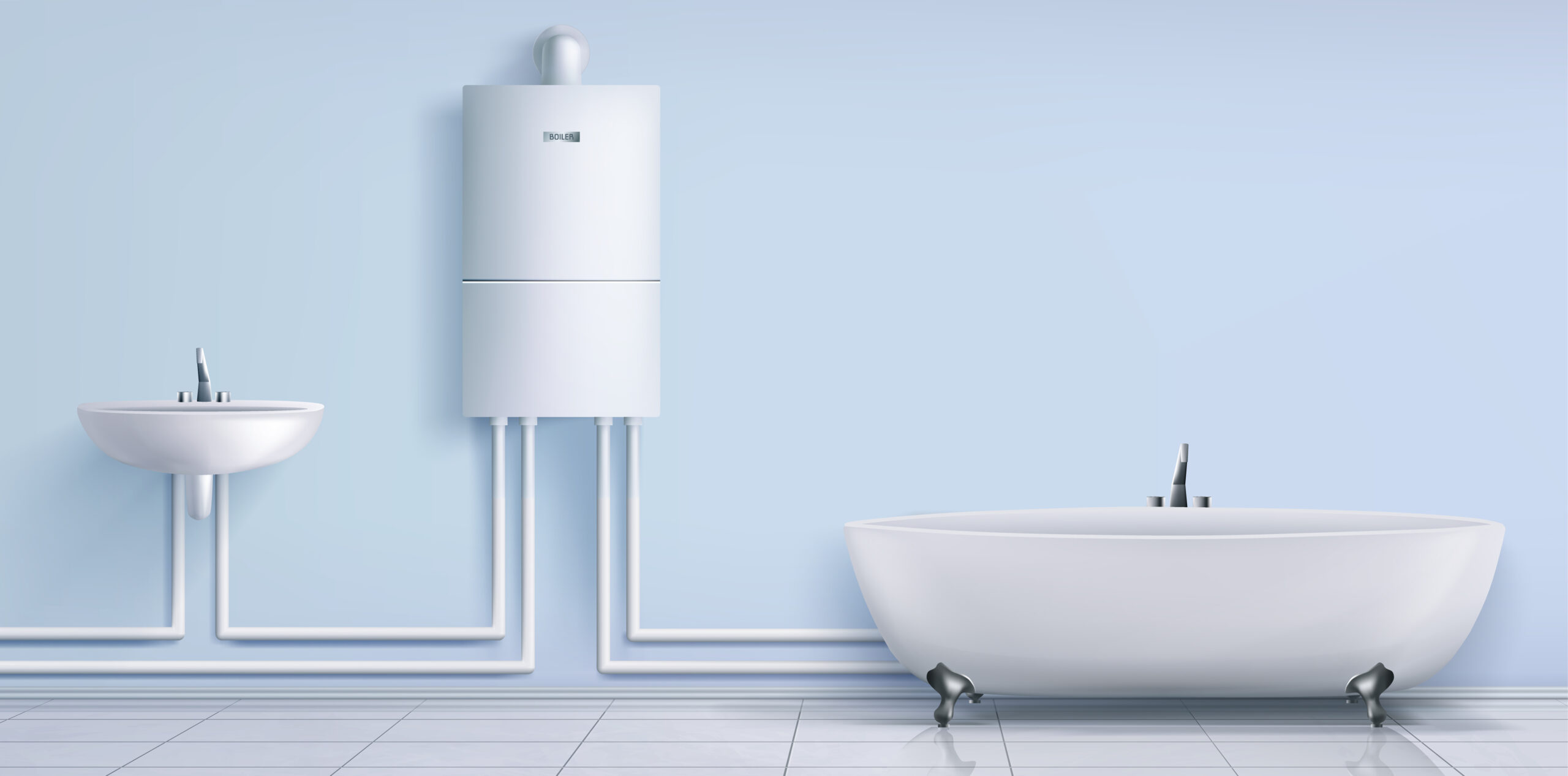
Tankless water heater systems are reshaping how commercial properties approach energy savings—but are they really the best financial decision for your business in 2024? This guide breaks down ROI, hidden costs, and practical pitfalls for decision-makers who need clear numbers, not sales hype.
Key Takeaways
- Switching to tankless water heaters can save up to 37 percent on energy bills, but installation costs and hidden expenses may delay payback by several years.
- Tankless units last longer and avoid standby losses, but installation can be complex—think gas line upsizing, venting, and delayed hot water delivery.
- ROI is best for moderate hot water use. High-demand sites may need multiple units, which raises costs and installation hurdles.
- Executive summary — Is switching to tankless worth it for commercial sites?
- Real energy savings — What numbers should you expect in 2024?
- Calculating ROI and payback for your site
- Tankless vs traditional — side‑by‑side commercial comparison
- Top consumer complaints and installation challenges you must plan for
- Hidden costs and lifecycle expenses (frequently missed in top articles)
- Long‑term maintenance & reliability — what top articles gloss over
- Regional and climate limitations — when tankless underperforms
- Sizing, installation best practices, and procurement checklist for commercial buyers
- Short case studies & modeled examples (3 scenarios)
- Decision matrix — when to choose tankless, hybrid, or traditional
- Content gaps competitors miss — three topics your article must own
- Recommended CTAs and supporting assets for the article
- Frequently Asked Questions
Executive summary — Is switching to tankless worth it for commercial sites?
Switching to a tankless water heater (sometimes called an on demand water heater) can cut your energy costs by around 37 percent, with real-world energy savings and payback periods ranging from 7 to 15 years depending on usage. However, higher upfront and installation expenses, as well as future maintenance, can shift ROI. Top risks include misjudging your site’s hot water demand, underestimating installation complexity, and overlooking maintenance investments. Weigh energy efficient performance against these practical tradeoffs before deciding to install a tankless heater. (Angi, Noble Plumbing).
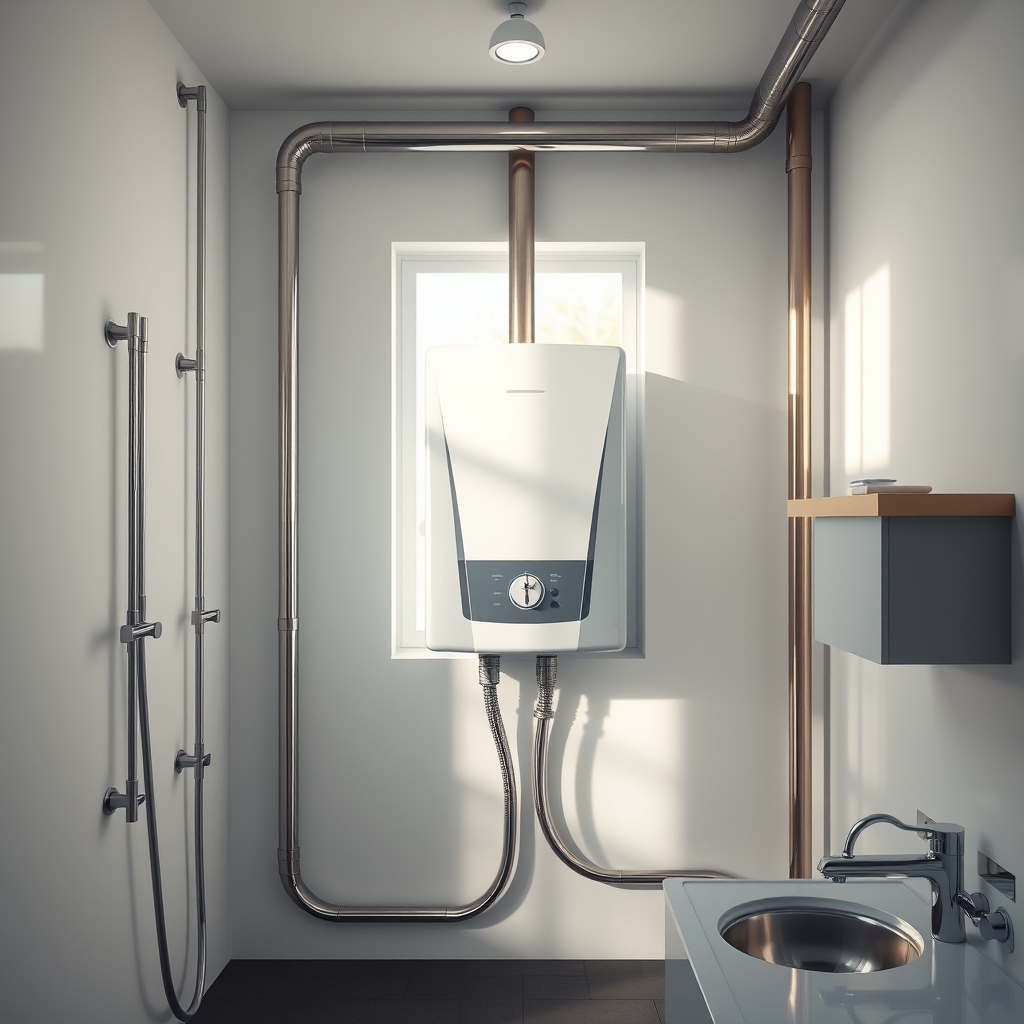
Real energy savings — What numbers should you expect in 2024?
Actual energy savings from an energy efficient water heater depend on your facility’s daily hot water use and the fuel type. The US Department of Energy states for buildings using up to 41 gallons per day, tankless water heaters can be 24 to 34 percent more efficient than conventional storage units. For higher-demand properties (~86 gallons/day), the savings drop to 8 to 14 percent (DOE). In practical terms, annual savings range from $32 to $200 for most commercial settings. If your site requires consistently high flows, some energy gains could be offset by the need for multiple units or backup systems.
Calculating ROI and payback for your site
Estimating return on investment starts by adding up total install costs for your commercial property and subtracting yearly savings. To install a tankless heater, most businesses pay between $1,400 and $3,900 for equipment and installation (Angi). Annual energy cost reduction typically ranges from $32 to $200, depending on water demand and fuel prices. For example, Navien found that over a 20+ year life, a tankless water heater could save ~$2,480 (with regular maintenance, cited here). For sites on the lower end of usage, payback may stretch beyond 10 years; for mid-range users with high energy costs, 7-8 year ROI is possible.
Tankless vs traditional — side‑by‑side commercial comparison
| Factor | Tankless Water Heater | Traditional Tank Heater |
|---|---|---|
| Upfront Unit Cost | $500–$4,000 (+higher install) | $800–$1,500 |
| Installation Cost | $1,400–$3,900 (often more in commercial) | $800–$2,000 |
| Lifespan | 20+ years (with proper maintenance) | 10–15 years |
| Operating Cost | Up to 34% lower (no standby loss) | Higher (standby heat loss) |
| Hot Water Supply | Continuous (limited by flow rate/unit) | Limited by tank size |
| Peak Output | May require multiple units for high demand | Works for back-to-back peak uses |
For commercial setups, vendor guides note tankless units last nearly twice as long and can deliver up to 34 percent higher efficiency, if regularly serviced and adequately sized.
Top consumer complaints and installation challenges you must plan for
When you install a tankless heater, the most common pain points are:
- Installation complexity—frequent need for gas line upsizing or electric panel upgrades, especially for older buildings
- Venting work for combustion gases, requiring new wall or roof penetrations
- Delayed hot water delivery to distant fixtures—hot water arrives a few seconds later than with a tank (many real-world users mention this in industry surveys)
- Flow rate limitations—cannot run all fixtures simultaneously without sizing for peak load
- Hard water scaling—leads to lower efficiency unless descaling is done routinely
Mitigation: Always size for simultaneous peak use, budget for installation extras, and plan for annual or semi-annual preventive maintenance. For more strategies, see our WaterSense fixtures guide for reducing overall water and energy use.
Hidden costs and lifecycle expenses (frequently missed in top articles)
When you research to install a tankless heater, don’t overlook these cost factors:
- Gas line or electrical service upgrades: Many sites need larger gas pipes or additional electrical circuits for safe operation.
- Venting system work: Direct venting often needed, especially for commercial gas units.
- Water softeners: High mineral content in water may require upfront investment in softening or periodic descaling service.
- Replacement parts: Sensors, valves, and heat exchangers have real costs over 20 years.
- Potential need for multiple units: High demand areas or widely separated fixtures may need two or more tankless heaters, multiplying install costs.
Expect total initial costs to be higher than for tank models ($800–$1,500 typical tank vs $1,400–$3,900+ for tankless systems) (Angi).
Long‑term maintenance & reliability — what top articles gloss over
Tankless water heaters are not set-and-forget systems. They deliver their best ROI only with regular maintenance:
- Annual or semi-annual descaling in hard water regions
- Periodic filter replacements and system inspections
- Heat exchanger cleaning to prevent efficiency loss
Owners who maintain their tankless water heater see continued savings over 10–15+ years. Most units last 20 years or more, but neglected maintenance can shorten this span and cut savings. For commercial facilities, set up a preventive maintenance contract or include tasks in your facility SOPs to keep warranty and energy performance.
Regional and climate limitations — when tankless underperforms
The performance of a tankless water heater is closely tied to your local climate. In cold climates (such as Western Washington), gas tankless systems save about $100–$200 a year, while electric units save $50–$100 (Noble). However, colder incoming water can lead to reduced output and longer delay before hot water reaches fixtures (Consumer Reports). If regional energy prices are low, payback periods will be longer. Southern, high-cost-energy regions usually see faster paybacks.
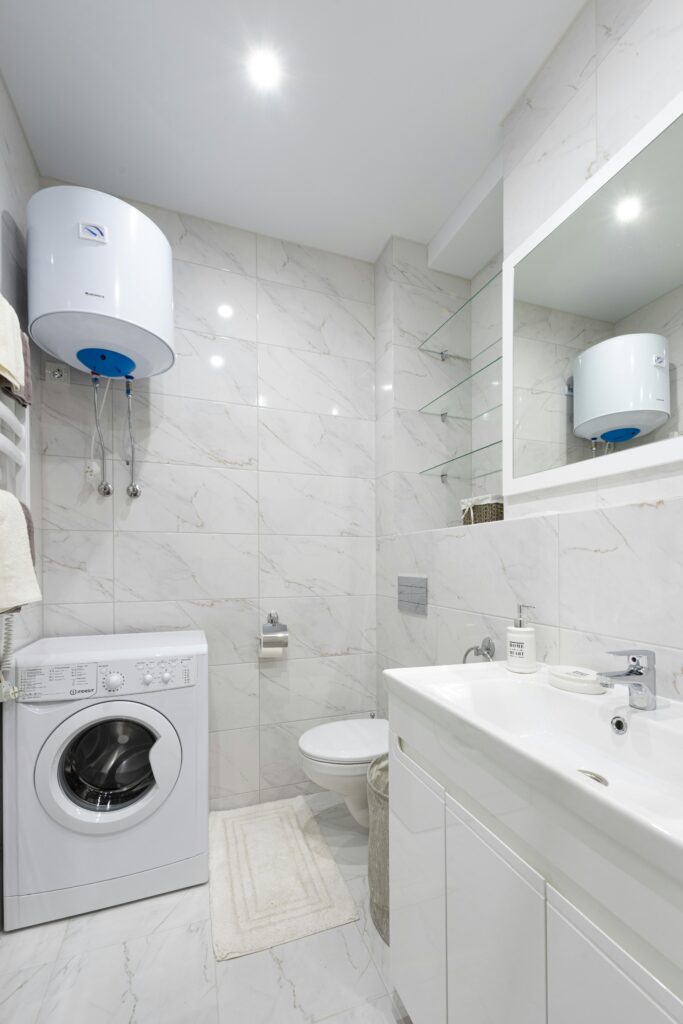
Sizing, installation best practices, and procurement checklist for commercial buyers
Before you install a tankless heater at a commercial site, follow this practical procurement process:
- Profile your site’s typical and peak simultaneous hot water demand (in gallons per minute, GPM).
- Model all simultaneous uses—dishwashers, showers, laundry, etc.—to determine needed flow and number of units.
- Consult energy efficient water heater sizing guides from manufacturers for your scenario.
- Assess utility service upgrades: gas line size, electrical panel load, and venting pathways.
- Require proof of licensing and prior commercial tankless installs from any contractor.
In a Minnesota study, most homeowners underestimated total costs, which ranged $1,800–$3,000 for tankless units, with $2,150 as the average figure (Minnesota homeowner study). Commercial installs with custom venting or upgrades often cost more.
- For additional cost planning in other building systems, reference our guides on heat pump dryers and net-zero ready buildings.
Short case studies & modeled examples (3 scenarios)
To model your payback, here are three commercial scenarios using typical install and savings ranges:
- Small office (modest hot water use): Install cost $1,600; annual savings $40; payback ~13 years. Lifecycle savings after 20 years: ~$2,000.
- Multi-stall salon or laundry (medium use): Install cost $2,500; annual savings $100; payback ~10.5 years. Lifecycle savings after 20 years: ~$2,500.
- Light industrial (higher demand, 2 units): Install cost $6,500; annual savings $180; payback ~18 years. Potential lifecycle savings: $3,600, but ROI is weaker unless hot water is used throughout the day (Navien, Noble).
Savings can be increased by combining with WaterSense fixtures and efficient appliances.
Decision matrix — when to choose tankless, hybrid, or traditional
Use this matrix to decide your next step:
- Tankless water heater: Best for sites needing less than 41 gallons per day, smaller peak loads, or where energy efficient water heater is a priority. Look for 24–34 percent savings.
- Hybrid (heat pump): Consider if you can manage slightly higher upfront costs and want energy savings even at high usage, especially for properties with moderate space for installation.
- Traditional tank: Choose if initial budget is tight, hot water demand is extremely high or bunched into short bursts (e.g., gyms, busy restaurants), or site cannot be easily upgraded for tankless venting/fuel needs.
DOE research confirms: demand heaters offer the largest savings at lower daily use; with very high daily use, savings are narrower (8–14 percent).
Content gaps competitors miss — three topics your article must own
If you’re making a procurement case, address these three segments almost every blog skips:
- Long-term maintenance: Most guides gloss over the need for annual descaling and impact on warranty or efficiency, yet neglect here can halve your savings (Navien).
- Hidden lifecycle costs: Upgrading gas lines, replacing valves, and periodic technician visits can radically change your actual ROI.
- Regional/temperature installation limitations: Colder climate impact and high mineral content in water both drive up costs and lower efficiency, altering payback time. See detailed notes from Consumer Reports and Noble.
Recommended CTAs and supporting assets for the article
For commercial buyers evaluating whether to install a tankless heater:
- Interactive ROI Calculator: Lets you input gallons per day, energy rates, installation costs ($1,400–$3,900 typical), and outputs payback period based on annual savings ($32–$200 is a common range, $2,480 typical lifecycle savings).
- Downloadable procurement checklist: Includes all critical notes: demand profiling, required upgrades, code compliance, contractor vetting, and maintenance obligations. Should also reference best practices from allied upgrades such as smart thermostats and EV charger installation for full energy planning.
- Commercial site survey booking: Link to request a local water heating audit by a licensed professional, capturing address, current system type, peak and total daily use, and existing infrastructure.
For reader retention, always guide facility managers to the above tailored assets after addressing a key pain point.
Step-by-step guide: How to evaluate and install a tankless water heater system at your commercial site
- Assess your actual hot water demand — Use historic utility/billing data and interview site users to log gallons per day and peak simultaneous flows.
- Survey your existing plumbing, gas, or electrical infrastructure. Identify what upgrades may be needed (gas line, venting, dedicated circuits).
- Model for peak demand — Calculate how many fixtures you need to serve at once to prevent hot water bottlenecks. Consider multiple units if necessary.
- Gather detailed install quotes — Require itemized cost estimates from several commercial plumbers, including all parts, labor, possible upgrades, and designer review.
- Plan for annual maintenance — Budget up front for annual descaling and filter replacement to sustain efficiency and lifespan.
- Document a procurement plan — Use or adapt a downloadable checklist (see the recommended asset above) for internal approvals and vendor vetting.
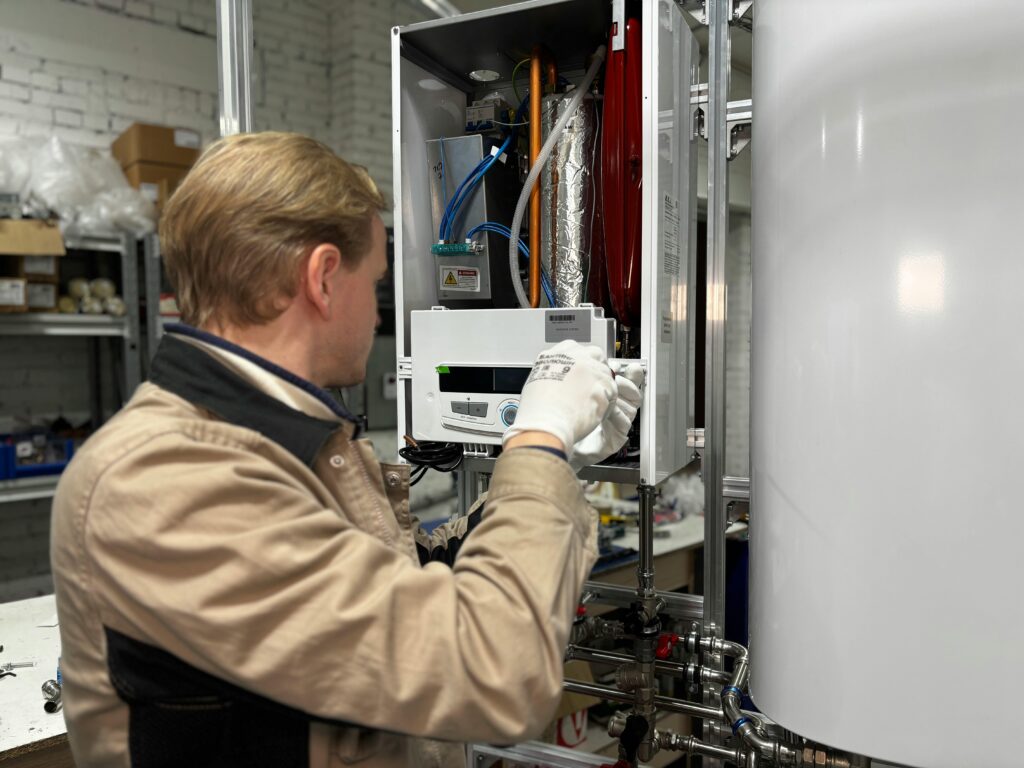
With proper planning and the right partners, tankless installation can be smooth, but skipping steps often leads to expensive mid-project surprises. For other large-scale upgrades, like outdoor kitchens or garage organization, use similar stepwise procurement approaches for best value.
Frequently Asked Questions
How long does a commercial tankless water heater typically last?
With regular maintenance (descaling, filter changes), tankless water heaters commonly last 20+ years, nearly double most tank heaters.
Do I need to upgrade my gas line or electric panel for a tankless system?
Many commercial installs do require gas line upsizing or new electrical circuits, especially in older buildings. Always have a licensed plumber or electrician review before quoting.
Why is there sometimes a delay in getting hot water with tankless heaters?
Tankless (on demand water heater) systems heat water only when called, so it takes a few seconds longer for the hot water to travel from the unit to distant fixtures, especially if no recirculating line exists.
How can I speed up the ROI for a tankless water heater?
Combine a tankless upgrade with WaterSense fixtures, fix all drips/leaks, and ensure prompt, thorough maintenance. This reduces waste and keeps efficiency high.
What’s the main risk to ROI that others miss?
Neglecting annual or bi-annual maintenance (especially descaling in hard water areas) can reduce both lifespan and energy savings, seriously hurting the long-term financial case.