

LVP flooring is changing the game for homeowners who need durable, waterproof, and affordable surfaces in busy homes. Does it actually deliver on the long-term promises, or is the reality tougher than the sales pitch? Let’s dive into what matters most for buyers who want floors that can truly endure pets, moisture, and everyday chaos.
Key Takeaways
- LVP flooring offers strong value for moisture-prone areas, hectic households, and rentals, but you need to know the difference between specs to avoid disappointment.
- The most common regrets stem from poor subfloor prep, thin wear layers, and misunderstanding the meaning of “waterproof.”
- Specs like wear-layer thickness, core type (SPC or WPC), and warranty are far more important than brand marketing.
- Quick verdict — is LVP the durable flooring solution you need?
- 2024 market snapshot — what adoption trends mean for availability, pricing, and innovation
- How LVP is built — wear layers, cores, and why specs determine real durability
- SPC vs WPC (the single most overlooked durability decision)
- Lifespan & durability compared: LVP vs hardwood — realistic long-term expectations
- Top real user complaints and regrets after installation — avoid these traps
- Installation & subfloor checklist to prevent regrets (step-by-step actionable)
- Choosing the best LVP brands and specs — what to insist on (and what’s marketing)
- The features top-ranking articles miss — the true long-term durability checklist
- Maintenance, repairs, and when replacement is the only option
- Decision matrix — which rooms and lifestyles should pick LVP vs hardwood
- Final action plan & installer-vetting checklist (call to action)
- FAQ
Quick verdict — is LVP the durable flooring solution you need?
LVP flooring offers real durability and hassle-free waterproof protection in kitchens, basements, and rec rooms—areas where hardwood risks damage. With an average installed cost of $2–5 per square foot and a global vinyl flooring market hitting $55.6 billion in 2024, it’s clear why buyers love waterproof vinyl flooring. However, LVP flooring can’t match authentic hardwood’s 50–100 year lifespan or the warm, natural feel underfoot. Manage your expectations: LVP is practical, not magic—it’s best for busy, high-moisture zones or rentals, not the grand living room you want to add value to long-term.
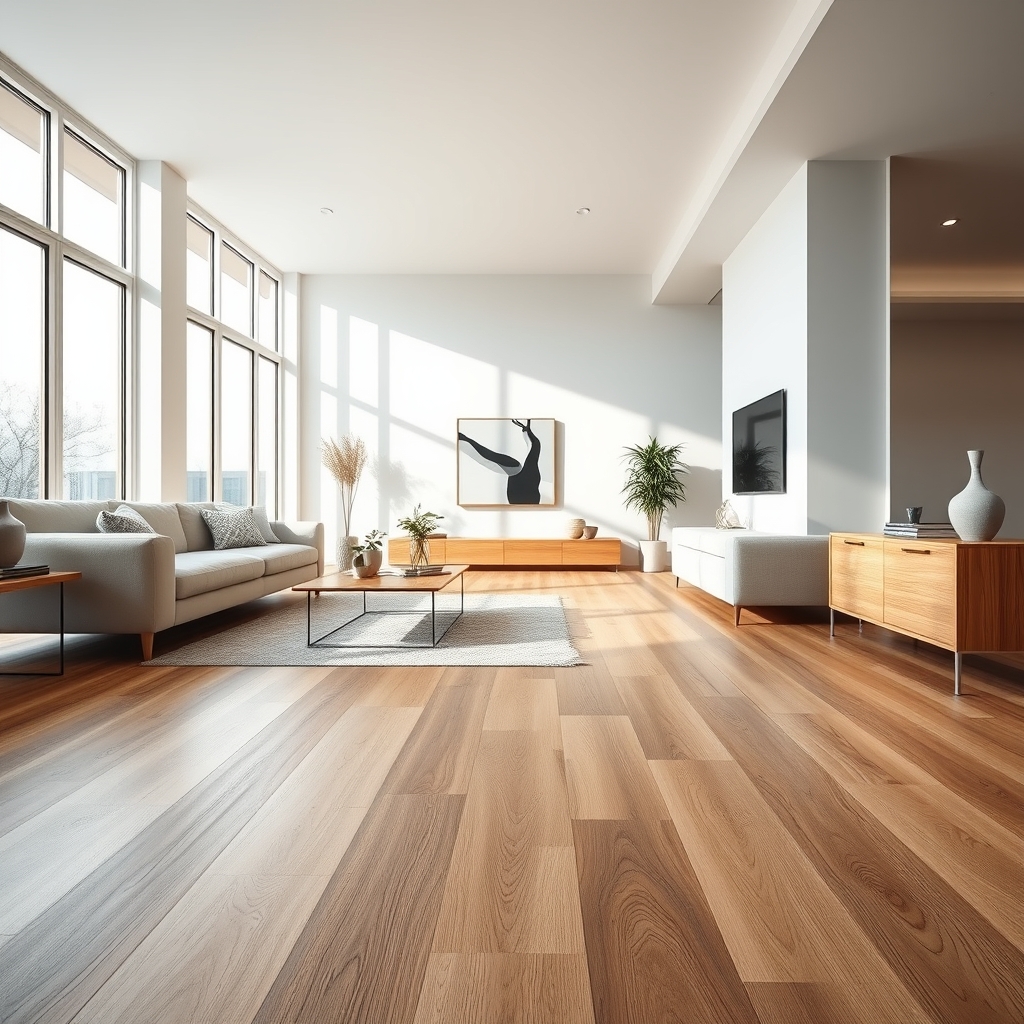
2024 market snapshot — what adoption trends mean for availability, pricing, and innovation
LVP flooring has exploded in popularity—global vinyl flooring sales grew to $55.58 billion in 2024 and will likely double again by 2033 (see source). This growth means more product choices, but the price pressure has also flooded stores with budget, mass-market lines alongside premium options. Savvy buyers get better value by focusing on product specs (wear-layer thickness, core type, warranty) instead of brand hype. Always check the grade and test a sample before committing—LVP flooring spans everything from ultra-budget rental planks to top-tier waterproof vinyl flooring built for heavy use.
How LVP is built — wear layers, cores, and why specs determine real durability
Understanding how LVP flooring is made will help avoid the common traps. Each plank has several layers: a clear wear layer (the first line of defense), a printed image layer, and a structural core. Most luxury vinyl plank installation failures are linked to thin wear layers or soft, dent-prone cores.
- Wear layer: The key number is thickness, measured in mils. 2–4 mil is standard in bargain installs, but pros recommend 8–12 mil for homes with pets, kids, or heavy furniture (source).
- Core type: Older or super-cheap LVP products use flexible vinyl-only cores. Modern options use SPC (stone-plastic composite) or WPC (wood-plastic composite) for improved rigidity, dent resistance, and better click-lock installs.
- Backing: Upgraded LVP often includes attached underlayment—good for comfort and noise, but watch for increased floor height at transitions.
If you’re comparing installation, remember that luxury vinyl plank installation gets trickier with thick SPC products—always follow the guidelines for plank acclimation and subfloor flatness.
SPC vs WPC (the single most overlooked durability decision)
Don’t buy luxury vinyl plank installation packages until you understand the core difference. SPC (stone-plastic composite) cores are denser and stiffer—making them almost indestructible under heavy furniture, high heels, or commercial-grade use. However, SPC feels colder and harder on bare feet, so it’s best for basements, kitchens, or mudrooms.
WPC (wood-plastic composite) is a bit more forgiving underfoot. Its slightly softer construction can show dents from heavy appliances, but it feels warmer and quieter, making it a smart pick for upstairs bedrooms and family rooms. This crucial choice impacts both comfort and long-term durability—always match the core to your main use case for the room (see our complete flooring comparison for more on this).
Lifespan & durability compared: LVP vs hardwood — realistic long-term expectations
How long will your new LVP floor last in the real world? The average service life of LVP flooring runs 15–20 years, depending on wear-layer quality and core strength. There’s no realistic way to refinish LVP—so if it gets deeply scratched or gouged, plank replacement is often your only fix. By comparison, properly maintained hardwood can easily last 50–100 years and can be sanded down to look brand new several times (see this durability comparison).
| Property | LVP Flooring | Hardwood |
|---|---|---|
| Average Service Life | 15–20 years | 50–100 years |
| Waterproof? | Yes (surface only) | No |
| Can be refinished? | No | Yes, many times |
| Scratch resistance | Good (8–12 mil wear layer best) | Moderate (dependent on wood species, finish) |
| Best Use-Cases | Kitchens, basements, laundry, rentals | Living rooms, bedrooms, high resale areas |
| Resale Value | Moderate (won’t hurt value) | High (can increase listing price) |
Top real user complaints and regrets after installation — avoid these traps
Many buyers regret luxury vinyl plank installation outcomes that could have been avoided with better prep. The most frequent issues include:
- Seam-lifting or edge-curling due to bumpy or unlevel subfloors—flatness is critical for waterproof vinyl flooring longevity.
- Premature wear, scratching, or fading—common with wear layers under 8 mils or low-quality surfaces.
- Lingering chemical odors after install—sign of high VOCs, not always flagged by product marketing (more here).
- False confidence about “waterproof”—leaks or spills ignored can seep under planks, causing mold or subfloor rot. “Waterproof” applies to the plank top, not what’s underneath.
Responsibility for these issues is usually split: installers are on the hook for bad prep or technique, while problems with excessive wear or VOCs are on the manufacturer. Always read the fine print on both ends.
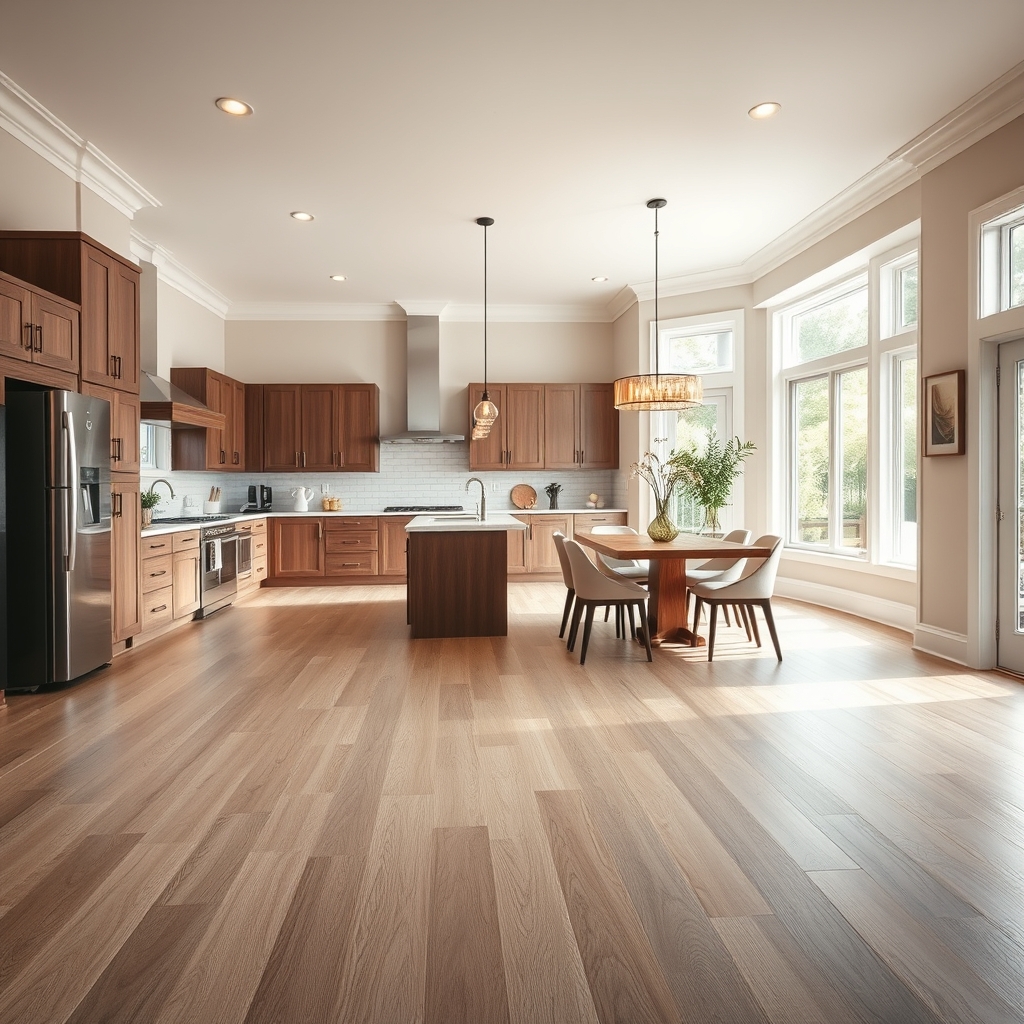
Installation & subfloor checklist to prevent regrets (step-by-step actionable)
Follow these critical steps to secure long-term value from your LVP flooring (whether hiring out or guiding a DIY helper):
- Moisture test the subfloor: Concrete and wood need different tools. Don’t trust “it feels dry.” Use a commercial meter or request a report from your installer.
- Flatten and level: No dips over 1⁄8″ in 6 feet. Patch holes and sand humps. This prevents gaps, noise, and edge lift.
- Acclimate planks: Store LVP in the install room (in box, flat) for 48 hours minimum.
- Expansion gap: Leave 1⁄4″ minimum all around, especially near walls and fixed cabinetry for floating installs.
- Edge sealing (for kitchens and baths): Use manufacturer-approved silicone at perimeters and under sinks.
- Transition molding: Where LVP meets other flooring, use purpose-made transitions—never “butt up” clean.
- Radiant heat compatibility: Confirm on both the plank box and in the warranty paperwork (see our full install guide).
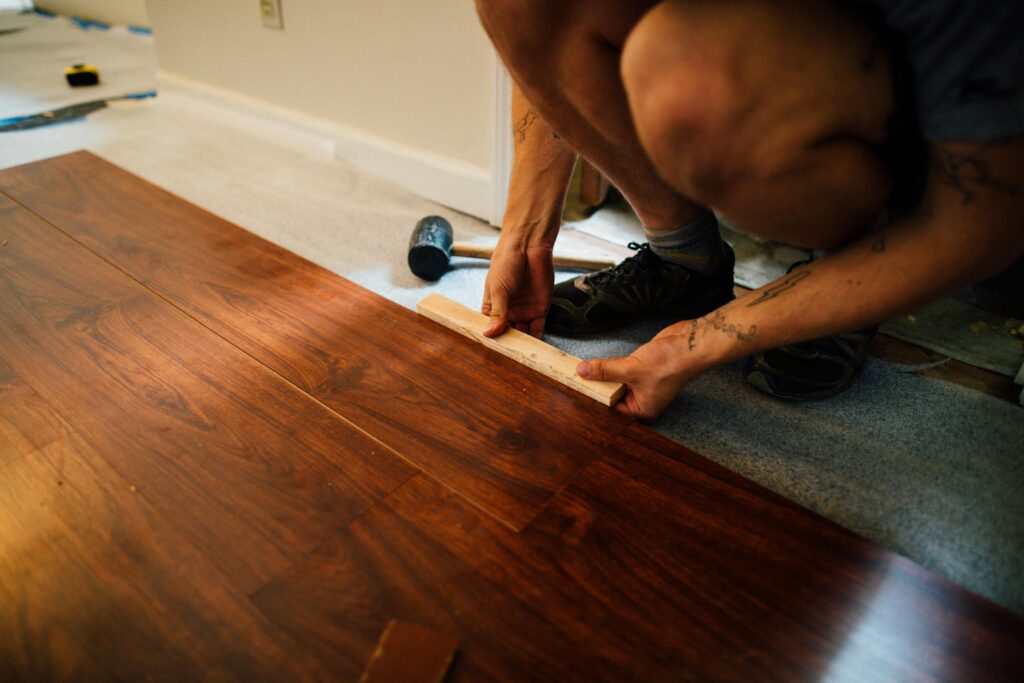
Choosing the best LVP brands and specs — what to insist on (and what’s marketing)
Ignore fancy ads: focus on the specs that truly impact performance and lifespan. Here’s what matters in shopping for the best LVP flooring brands:
- Wear-layer thickness: At least 8 mil for normal homes; 20 mil for high traffic, large pets, or rentals (see cost guide).
- Core type: Match SPC or WPC to the room (see above). SPC for durability, WPC for comfort.
- Warranty: Read for exclusions: many “lifetime” or “20-year” warranties exclude water under planks, bad subfloors, or intense sunlight.
- VOC/floor score certifications: Especially if you have allergies, pets, or small kids.
- Installer recommendations: Local flooring pros will know which brands underperform in your climate—ask for real-world feedback, not just the prettiest sample.
Typical price is $2–5 per square foot, with higher specs demanding higher cost. Don’t be fooled by design alone—a quick “thumbnail scratch test” on a sample can often reveal surface weakness.
For expanded picks, see our in-depth brand guide.
The features top-ranking articles miss — the true long-term durability checklist
Most articles skim the basics, but here’s what truly makes a difference if you want floors that stay strong and look good for years:
- Acoustic performance: Check for STC (sound transmission class) and IIC (impact insulation class) ratings for multi-story homes or condos.
- Fire rating: Some low-cost imports may lack proper certification—critical for compliance and insurance.
- VOC emissions & recyclability: Low-emitting floors help with indoor air quality; green certifications show responsible sourcing.
- Thermal expansion tolerances: Essential if your room gets hot sunlight or has radiant heat.
- Slip resistance: Ask for R-ratings if you have kids, pets, or anyone with mobility concerns.
- Edge-seal technology: Some brands offer coated joints—these better resist water intrusion at seams.
If you want more details about technical and regulatory standards, check our product features deep dive.
Maintenance, repairs, and when replacement is the only option
LVP flooring needs no waxing or sanding. Clean using a soft-bristle broom and a gentle pH-neutral cleaner—avoid harsh chemicals or steam mops (they break down seams and surface coatings). Most scuffs can be buffed with a cloth, but deep scratches or stains from dye/pet accidents often mean swapping out the affected plank.
Remember, LVP flooring cannot be refinished—once the wear layer is gone, it’s gone for good. Most buyers get 15–20 years of life before needing a full replacement (see repair facts). For spot repairs, save a box of leftovers from your original install; color lots can change.
For other care and fix-it advice, explore our maintenance and repair guide.
Decision matrix — which rooms and lifestyles should pick LVP vs hardwood
| Room / Scenario | LVP Flooring | Hardwood |
|---|---|---|
| Kitchens & Baths | Best (waterproof, easy to clean) | Poor (risk of warping, staining) |
| Basements & Laundry | Excellent (moisture resistant) | Poor (moisture risk) |
| High-traffic Kid/Pet Zones | Strong (opt for 20 mil wear layer) | Good (harder woods preferred) |
| Formal Living Spaces | Acceptable (practical, but resale gain is low) | Excellent (adds value and prestige) |
| Rental Properties | Best (easy to replace, high ROI) | Mixed (depends on tenant responsibility) |
| Resale Value Focus | Modest (typically neutral impact) | High (big selling point) |
In summary, LVP flooring is less likely to get ruined in kitchens or moisture-basement areas, but if you want to maximize home value or pass your floors down generations, hardwood wins (property value comparison).
Final action plan & installer-vetting checklist (call to action)
Ready to buy or engage an installer? Follow this 7-step checklist and protect your investment in LVP flooring:
- Decide on your minimum acceptable wear-layer (at least 8 mil for most, 20 mil for rentals or heavy use) and core (SPC or WPC).
- Demand a written pre-install subfloor moisture test and prep results.
- Check sample planks at home under real lighting—finish and color look different in-store.
- Look for warranty details on wear, water, sunlight, and labor—don’t assume “lifetime” covers all problems.
- Ensure your installation contract spells out transitions between rooms and floors.
- Ask for documentation on VOC certifications and fire ratings.
- Request a post-install inspection appointment for hidden defects or surface issues before final payment.
Lock in your project by using our full installation checklist or connect with a vetted pro in your area for a free quote. Remember: wear-layer thickness ranges from 2 to 8 mil—thicker is better for long-term scratch resistance.
FAQ
Can LVP flooring really handle big dogs and constant foot traffic?
Yes, as long as you choose a wear-layer thickness of at least 8 mil (preferably 12 or 20 mil for huge dogs or rentals). Surface scratching can still occur—use rugs in doorways and trim pet nails often.
Is waterproof vinyl flooring totally moisture-proof?
LVP is waterproof on the surface but won’t stop water from seeping beneath planks. Always seal edges in wet rooms and fix leaks promptly to avoid hidden damage.
Can I install luxury vinyl plank myself in a basement?
It’s possible for skilled DIYers, but the biggest risk is an un-flat or damp subfloor. A pro can guarantee warranty coverage and smooth, long-lasting seams. See our DIY install guide for steps.
How do I fix a scratched or damaged plank?
Small scuffs buff out with a cloth; deep gouges require replacing the individual plank. Save extra planks from your install batch in case of future repairs. To make repairs easier, consider having a scratched or damaged plank on hand.
Does LVP flooring increase home resale value?
Neutral to slightly positive in most markets. LVP is seen as modern and practical, but genuine hardwood typically boosts resale price more noticeably—especially in luxury homes.
[…] Looking for more ways to protect your home value with smart, affordable upgrades? Check out our guide on best LVP flooring brands. […]