

Table of Contents
Drought-tolerant landscaping plants are the number one upgrade for Zone 8 yards in 2025—not just for water savings, but for long-lasting curb appeal and lower workload. Homeowners from Dallas to Atlanta are tearing out thirsty lawns and replanting with region-tested, low water options that deliver color, pollinator support, and real cost savings. Here’s how to do it right with realistic expectations and proven plant picks—not generic lists.
Key Takeaways
- Zone 8 gardeners can reduce outdoor water use by over 50 percent by switching to drought-tolerant landscaping plants—without sacrificing color or pollinator habitat.
- Plant choices like Texas sage, rosemary, lavender, sedum, and Buffalo grass offer fast wins, adapting to diverse soils and surviving heat and dry spells.
- Expect full establishment between 2 and 5 years, but most beds and ground covers “knit” within one to two seasons with the right prep and mulch.
Why switch to drought-tolerant landscaping now
Water costs are rising, summers are getting hotter, and turf lawns are tougher than ever to keep green in Zone 8. Drought-tolerant landscaping plants deliver quick wins: less watering, almost no mowing, and a huge boost in wildlife and pollinator activity. Research confirms: “Many drought tolerant plants are pollinator magnets,” including salvias, coneflowers, lavender, and blanket flowers.
You’ll see immediate water bill drops, but honestly, the best results take time. The “transition” phase—when new plants are small—can be less lush than old lawns, yet after the second season, beds fill out, colors intensify, and weeds plummet. Long-term resilience is the biggest payoff: healthy, deep-rooted systems ready for climate curveballs.
Best drought-tolerant plants for Zone 8 (practical shortlist for 2025)
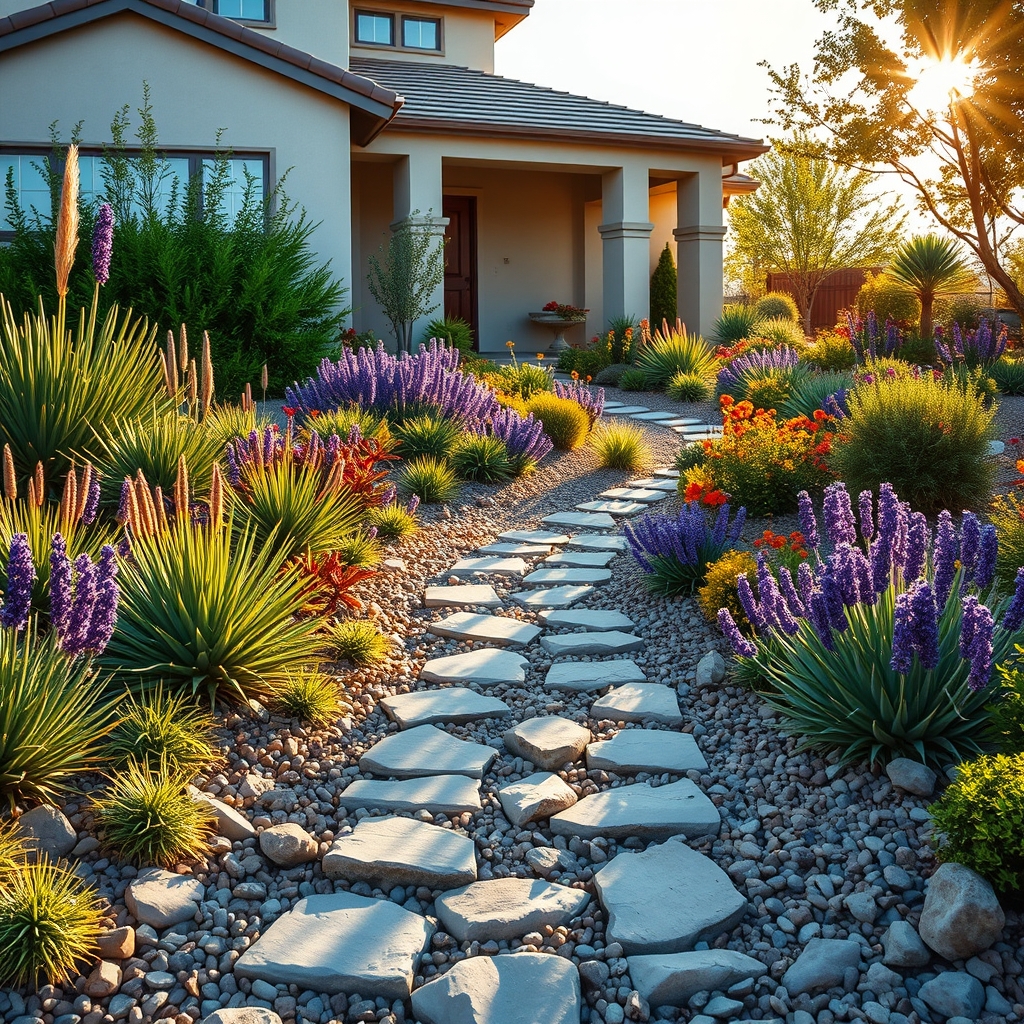
Here’s what actually thrives in Zone 8’s heat and swings from Gulf Coast humidity to Texas drought. Prioritize native drought tolerant plants zone 8—they root quickly, resist pests, and rarely fail if you plant and mulch right.
Proven Winners for 2025:
- Texas sage (Leucophyllum frutescens): Reliable, bushy, silver-leaved shrub with purple blooms. Once established, rarely needs irrigation.
- Rosemary (Salvia rosmarinus): Doubles as herb and landscape shrub. Aromatic, deer-resistant, tough in sunny beds and containers.
- Lavender (Lavandula spp.): Classic low water garden plant—needs good drainage, draws pollinators, and withstands dry summers.
- Blanket flower (Gaillardia): Fast-growing perennial, tolerates poor soil, vibrant red-yellow blooms from spring to frost.
- Catmint (Nepeta): Gray foliage, purple-blue waves of bloom, exceptional drought performance after first season (source).
- Sedum (Stonecrop): Thrives in full sun, forms dense mats or upright clusters. Best on dry slopes or rocky beds.
- Penstemon (Beardtongue): Tube-shaped flowers, low water once established, quick to attract bees and hummingbirds (source).
- Lantana: Colorful, spreading perennial or annual. Survives heat, attracts butterflies, useful for borders.
- St. John’s Wort: Tough, yellow-flowering groundcover or compact shrub—excellent for slopes (source).
- Buffalo grass: A must for low water lawns—native, soft-bladed, needs one tenth the water of fescue lawns.
Bonus runner-ups: Coneflower, yarrow, blue fescue, switchgrass, inkberry, euphorbia, aster, heuchera.
For detailed design ideas, check out biophilic outdoor design for pollinator-friendly layouts that boost curb appeal and value.
Top low-water perennials, shrubs, grasses and cacti for 2025 (by micro-site conditions)
Sun, shade, and drainage matter as much as plant label. Here’s how to group low water garden plants 2025 by zone—instead of trial and error.
Full Sun, Well-Drained
- Sedum: Requires full sun and excellent drainage for best “knit” effect and no root rot. Mass together for erosion control.
- Catmint: Cool-toned, resists deer and pests, flowers from late spring through fall. Tolerates reflected heat.
- Penstemon: Bright spikes, needs fast-draining beds—great for xeriscapes with gravel or sand.
- Fountain Grass (Pennisetum): Adds movement, survives drought, ideal for sunny corners.
- Texas Sage: Upright, hedgelike form, silvery leaves stand out in dry sun.
Part Shade/Dry Shade
- Heuchera: (Coral Bells) Colorful foliage, tolerates dry shade and rooty areas under trees if mulched.
- Epimedium, Hellebore: Dry-shade perennial winners. Layer with mulch for moisture retention (reference).
Moist/Heavy Soil That Dries Out
- Switchgrass, Little Bluestem: Native ornamental grasses, survive floods and drought, winter interest too.
- Aster, Coneflower: Reliable color, upright growth, feeds pollinators into fall.
Rocky/Dry Slopes or Problem Spots
- Blue Fescue: Tightly tufted, handles sun or shade, quick to “carpet” and minimize erosion.
- Cacti (San Pedro for Zone 8): Iconic water saver, needs sandy, very well-drained soil.
Need raised beds for drainage? Consider self-watering raised garden beds for areas with poor native soil.
Drought-resistant ground cover & front yard xeriscape plant choices
Want to kill off lawn for good? These ground covers give thick, erosion-proof mats for front yards, slopes, or walkways. Set realistic expectations: full coverage may take more than one season, but the long-term payback is massive—less mowing, almost zero irrigation.
- Sedum (Stonecrop): Top drought resistant ground cover, especially “Dragon’s Blood” or “Angelina” for color—roots quickly, survives heat, handles foot traffic light to moderate.
- St. John’s Wort (Hypericum): Upright or groundcover forms, gold summer blooms, performs on dry hills or poor soils.
- Blue Fescue: Ornamental grass, compact, tolerant of varying soils, non-invasive—tight spacing for lush effect.
- No-Mow Fescue/Buffalo Grass: For soft, lawn-like areas where play is a priority—cut mowing and water by up to 90% compared to traditional turf (source).
Planting Density Tip: Start with plugs or quart-sized pots spaced 6-12 inches apart for quick coverage—tight spacing costs more up front but delivers weed suppression and green-out within one year.
See how this connects with biophilic design home trends for maximizing natural, low-input coverage indoors and out.
Xeriscaping design principles & backyard ideas (practical how-to)
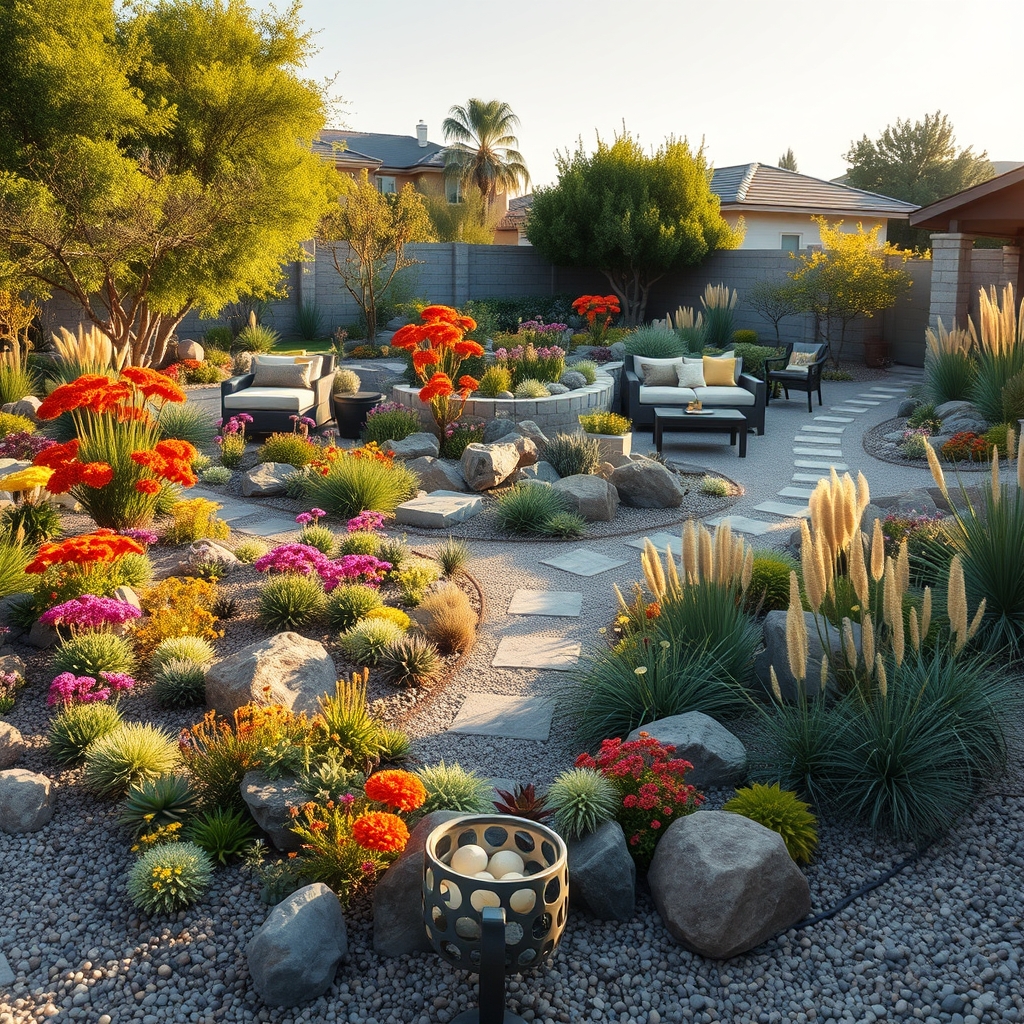
Here’s what really makes water-wise landscaping low maintenance: group plants by water needs (hydrozoning), prep soil once, and mulch heavily the first season. Plan paths and hardscape first, then layer beds for shade, scent, and support for wildlife.
- Hydrozoning: Put thirsty plants (if any) closest to the hose—leave farther edges for hardiest sun lovers.
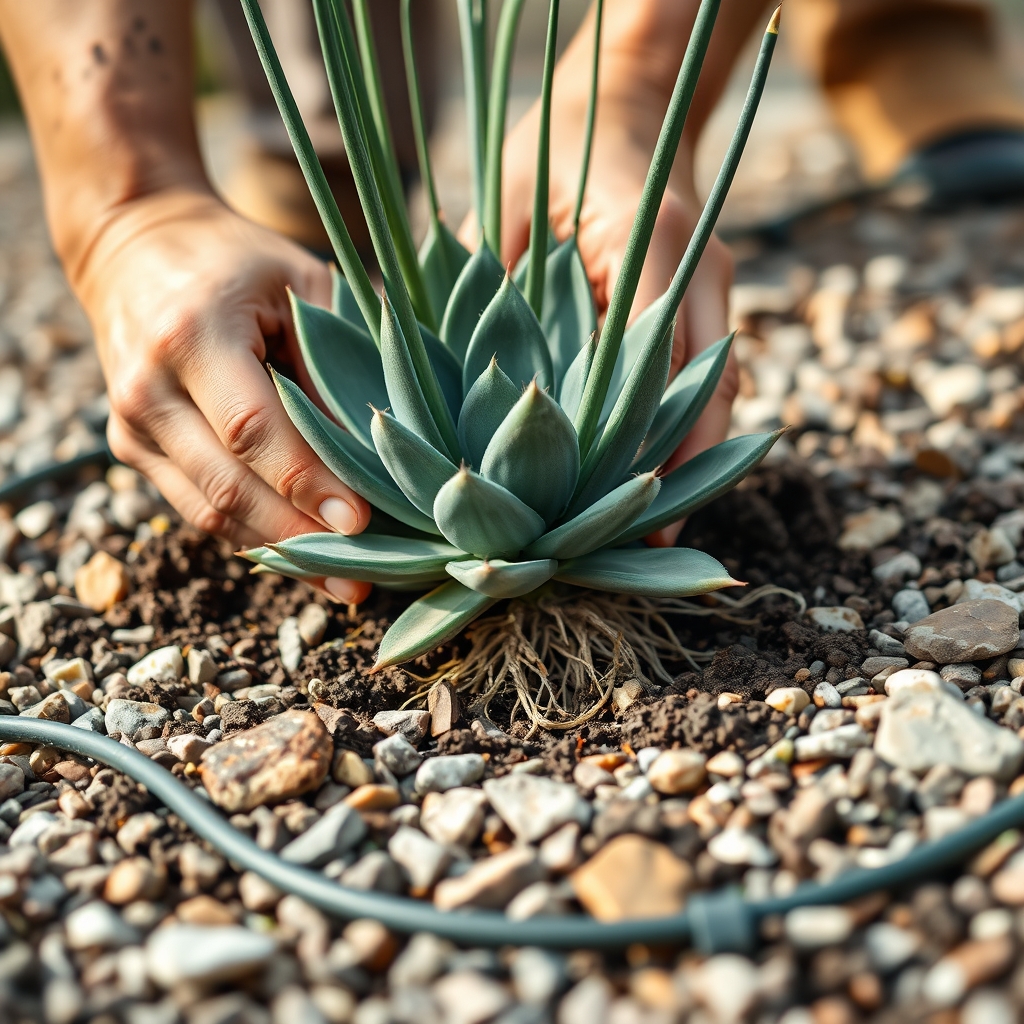
- Mulch & Soil Prep: Layer 2-4 inches of shredded wood, coarse compost, or gravel mulch. It stabilizes temperature, cuts weeds, and speeds establishment.
- Hardscape Balance: Use walks, rocks, or pavers in high traffic or super-dry spots—where even the toughest plants can’t survive.
- Shade Solutions: Dry-shade specialists like epimedium and heuchera will thrive under trees. Emphasize mulch for moisture retention (reference).
- Sensory & Pollinator Pockets: Cluster fragrances (lavender, rosemary) and pollinator magnets (salvia, bee balm, coneflower) in visible spots.
Solar-powered outdoor lights make low-water gardens show up beautifully at night with zero added energy use.
Planting & establishment timelines—what to expect (1 season to 5 years)
Expectations make or break your xeriscape journey. Here’s the truth:
- Perennials & Ground Covers: Most will fill in—“knit”—within one to two growing seasons when spaced closely and mulched. Don’t overwater chasing faster growth.
- Grasses: Switchgrass, little bluestem, blue fescue—expect full size and presence by year two or three.
- Shrubs & Trees: Texas sage, rosemary, inkberry—look full in year three, but real “maturity” (bloom/height) by year four or five.
- Initial Watering: Water deeply the first two weeks, taper off to weekly (less if rain), then only during droughts after the first season.
Resist impatience—mulch and annual color make the first season more attractive while the real system builds.
Time your plantings to follow soil moisture, not just the calendar. In hot, dry areas, early fall or late winter are typically best.
Common user complaints when converting lawns—and exact remedies
Honest truth: most people bail on low water landscaping in year one from three main frustrations. Here’s what to expect and exactly how to fix:
| Complaint | Root Cause | Real Fix |
|---|---|---|
| Poor initial look/”yard looks sparse” | Small plants, wide spacing, visible mulch | Add annuals in pots or beds, mulch with decorative gravel/chip, or use tighter spacing for visible green-out faster |
| More weeds than expected | Inadequate mulch/soil prep or weed seed left from turf | Mulch 2-4 inches, pre-emergent if needed, hand weed weekly for 60 days |
| No “play” area for kids/pets | Full turf removal, plants not established yet | Install buffalo grass or no-mow fescue lawn alternative in high-use zones; create gravel or mulch buffer areas (source) |
| Pest issues (ants, rabbits, etc.) | Disturbed soil, lack of plant diversity | Add pollinator plants, encourage predatory insects, avoid pesticide blanket treatments |
| Higher maintenance at first | Young plants, weeds | Expect 15-20 minutes a week for season one; declines sharply in years two and three |
Drought-resistant ground cover care & quick troubleshooting
Here’s how to keep your drought resistant ground cover and xeriscape plants front yard looking their best year after year:
- Sedum: Needs good drainage—avoid soggy clay. Break off and replant stems for easy, cheap spreading. Watch for root rot in overwatered beds. Best in full sun (reference).
- St. John’s Wort: Thrives in tough sites, low fertilizer needs, prune back every 2-3 years for fullness and bloom (reference).
- Blue Fescue: Most reliable if you replace clumps every 3 years; can get “bald” at center with age. Tolerates almost any soil.
- Propagation Hack: Snip off divisions in cool weather, replant with firm soil contact—you’ll fill a large space from a single six-pack in two seasons.
- Pest & Disease: Rare on these species. Some aphids on sedum, but serious problems are uncommon. Control with water spray or ladybugs if needed.
Need more tips? See self-watering raised garden beds to automate watering for new ground covers during the toughest spells.
Plant care tips competitors often miss (opportunities to add unique value)
Success with drought-tolerant landscaping plants is all about details top lists skip:
- Mix blooms for pollinators: Salvias, coneflower, blanket flower—“pollinator magnets” according to multiple sources.
- Don’t ignore dry shade—specialists like epimedium, hellebore, and heuchera thrive in tough, root-filled spots and need just mulch (not irrigation).
- Establishment watering schedule: Deep water in first 2 weeks, then cut back to every other week for natives—don’t “baby” tough species or you risk rot.
- Buy locally-adapted nursery stock—plants hardened outdoors in your region thrive faster, with fewer fails, than hot-house grown stuff shipped from out of state.
- Give it time: One year—green, some fill. Two seasons—nearly full, less mulch visible. Three–five years—rhythmic blooms, layers, and structure.
For even more design value, visit our biophilic outdoor design breakdown for color and sensory layouts that stay pollinator-friendly.
Sourcing, budget & maintenance projection (transactional next steps)
Ready to start? Here’s how to shop and budget for a sustainable, low water garden in 2025—without blowing your project funds.
- Where to buy: Local nurseries have the best regionally-adapted stock—plus advice from staff who live the climate. Online is fine for rare varieties or bulk groundcover plugs.
- What size to purchase: Buy plugs or 4-inch pots for mass plantings; quart/gallon sizes for instant “anchor points.” Smaller plants catch up after two seasons—don’t overpay for full size.
- First-year cost estimate: Expect $2 to $4 per square foot for plants and mulch—less if you propagate your own starts or join local plant swaps.
- Maintenance: Watering is heaviest the first 30 days. Hand weed in weeks 1–8; mulch cuts this to almost nothing by month three. Annual cost drops to nearly zero after fill-in.
- Cost-saving tip: Fill at least 60 percent of your beds with reliable perennials—they reward you with years of color and nearly no recurring cost (proof here).
Maximize your investment by pairing with WaterSense fixtures inside your home to cut water bills even further and smart thermostat installation for year-round energy savings.
30/60/90-day implementation checklist (practical, step-by-step)
This is your no-excuses, get-it-done path:
- 0–30 days: Soil test, kill off existing turf (solarize or sheet mulch), map out hydrozones, order plants, prep bed (loosen soil, add 2” compost).
- Day 30–60: Plant drought-tolerant landscaping plants on a cool or overcast day. Water deeply at planting, then every 2–3 days the first week, weekly after. Add mulch (2–4 inches).
- Day 60–90: Weed once weekly. Check mulch depth. Cut watering in half (penstemon and most perennials only every 2–3 weeks if no rain).
- After 90 days (Year 1): Monitor coverage—fill gaps with extra plugs or spread divisions in fall. Expect perennials and sedum to knit by season’s end.
- Annual tasks: Prune in late winter, top up mulch as needed, divide crowded perennials by year three.
For best effect, set up rain barrels or a rainwater harvesting system for easy, low-impact watering catch-up in dry spells.
FAQ
What are the best drought-tolerant landscaping plants for Zone 8 in 2025?
Top picks include Texas sage, rosemary, lavender, sedum, penstemon, catmint, St. John’s Wort, buffalo grass, and blue fescue. These thrive in Zone 8’s heat and recover well from droughts.
How long before my drought-tolerant landscape looks “finished”?
With tight spacing and proper mulching, most perennials and ground covers fill in within 1–2 seasons. Ornamental grasses reach full size in 2–3 years; shrubs in 3–5 years.
What’s the fastest way to improve the look of a new xeriscape yard?
Use blooming annuals, decorative containers, or mulch with fine gravel for the first season. Tight plant spacing accelerates coverage and reduces visible mulch/weeds.
Can I have a low-water play area for kids or pets?
Absolutely. Buffalo grass and no-mow fescue are soft, safe, and require very little watering. Leave these for high-use zones and mass plantings for a durable, green play surface.
How do I prevent weeds in a drought-tolerant yard?
Start with 2–4 inches of organic mulch, space plants tightly, and spot-weed as needed during the first 8 weeks. By year two, dense planting and mulch virtually eliminate weed problems.