

Table of Contents
Induction cooktop installation is rapidly becoming the default for kitchen remodels, especially for homeowners eager to switch from gas. This practical guide breaks down the what, why, how, and the real-world hurdles of going from gas to induction cooking using the latest 2025–2026 data.
Key Takeaways
- Switching from gas to induction typically costs $2,800–$4,800, mostly due to wiring upgrades and permits.
- Over two-thirds of kitchen designers predict induction will dominate remodels by 2026, with clear resale value gains.
- Most electrical challenges and cookware surprises can be solved with upfront planning and incentives.
Why Homeowners Are Switching to Induction in 2026
Electrification policies have changed the landscape. By 2026, more than two-thirds of kitchen designers expect induction cooktops to dominate new remodels and builds[5]. Dozens of cities have restricted new gas lines, and real estate data shows that induction appliances now add resale value premiums in every major US metro.
Why? Induction cooktops heat with unmatched efficiency and safety. They boost indoor air quality, respond instantly for precise cooking, and—unlike traditional gas—waste less energy. Homeowners mention not just energy savings, but also modern aesthetics and compliance with future-ready electrification codes as key drivers. If you’re comparing net-zero ready home strategies, induction is now a cornerstone.

Incentives and rebates, plus the promise of lower energy bills, have tipped the scales. Studies in California and New York confirm induction cooktop installations offer $350–$500 in annual operating cost savings, making the ROI very real[4].
Gas to Induction: Step-by-Step Installation Guide
- Evaluate Your Current Setup
Check if your electrical panel supports a 40–50 amp, 240V circuit—most induction cooktops require this. If not, you may need a panel or subpanel upgrade. - Research Incentives and Permits
Identify available rebates, tax credits, and permitting guidelines in your area. Many regions now streamline approvals for electrification. - Select an Induction Cooktop or Range
Choose a model with proven energy efficiency, low noise, and future-ready wiring. 2026’s top models include the Maytag MSES7030SZ, Samsung NSE6DG8300SR, and Frigidaire Gallery GCFE3060BF[2]. - Review Cookware Compatibility
Conduct the ‘magnet test‘ on your pans. Anything that attracts a magnet will work. Most stainless steel, cast iron, and carbon steel are induction-ready. Budget $300–$700 for new cookware if needed, or check our kitchen upgrade buyer’s guide for options. - Hire a Licensed Electrician
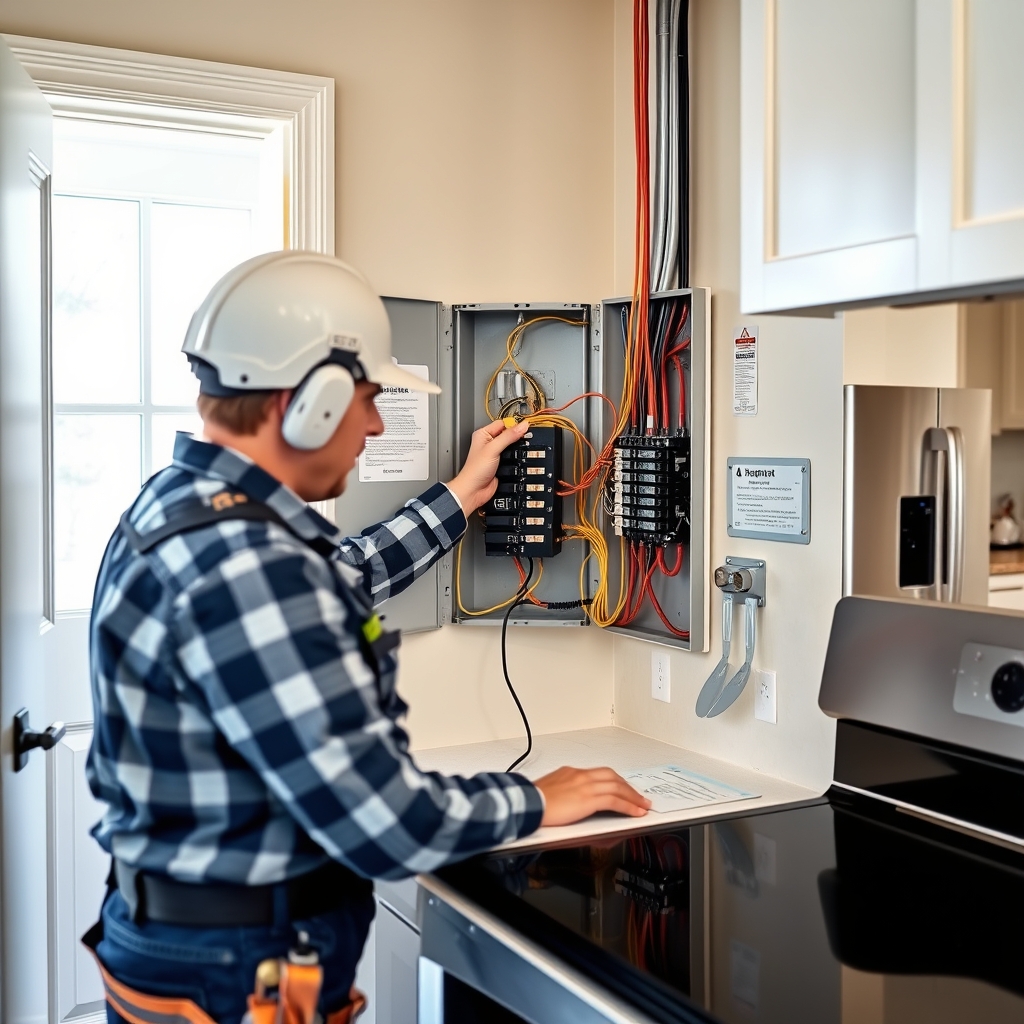
Have the pro confirm panel capacity, install a new 240V line, and verify code compliance. This step is critical for safety and insurance. - Cap and Remove the Gas Line
A plumber will cap your old gas supply safely (never DIY this) and patch any cabinetry as needed. - Install and Test Cooktop
Plug in, confirm operation, and test all burners with compatible pots. Some users recommend making your first test meal something simple to compare speed and control versus gas. - Document Permits and Warranty
Save all paperwork. Many rebates or insurance policies require proof of code-compliant electrical work.
For small kitchens or renters, adding a portable induction cooktop can be a practical solution. These models offer the induction cooking experience without the need for major wiring or panel upgrades.
Looking to combine electrification upgrades? Timing induction cooktop installation alongside home EV charger installation or a panel upgrade can save time and streamline permits for multiple projects.
Advanced Analysis and Common Pitfalls of Induction Cooktop Installation
While homeowners report high satisfaction after making the switch, several hurdles catch many by surprise:
- Electrical Panel Limitations: Most homes need a new 40–50A, 240V line. Upgrades can add $1,000–$2,500 to project cost[1] and require panel space or a subpanel.
- Permit Delays: Depending on city/utility policies, permits add $200–$300 and 2–6 weeks. Fast-track this process for smoother installation.
- Cookware Surprises: Only about 60% of typical pots & pans are induction-ready[3]; non-magnetic pieces must be replaced, which can add $300–$700 unexpectedly.
- User Experience Differences: Induction is nearly silent but can hum at high power, and the lack of flame takes adjustment.
- No Cooking During Power Outages: If you lose electricity, your cooktop won’t function. Consider a backup power source if outages are common.
| Feature | Induction (2026) | Gas Stove |
|---|---|---|
| Heating Efficiency | 85–90% | ~40% |
| Annual Operating Cost | $650 | $1,000 |
| Cookware Replacement | Cookware Replacement | $0 |
| Panel Upgrade Needed? | Often | Rarely |
| Ventilation | Usually not required | Strongly recommended |
| Health/Safety | Greatly improved | Fumes, fire risk |
Budgeting for a kitchen refresh? Expect total costs for gas to induction conversion to be a meaningful percentage of your remodel, but rapid utility savings and property value gains help balance the investment.

Conclusion
Induction cooktop installation in 2026 is straightforward for most homeowners who plan ahead. After panel upgrades and modest cookware swaps, you get faster, cleaner, safer cooking—and a valuable boost to home resale value. Check local incentives and don’t underestimate timeline: from permit to test-cook, expect 2–6 weeks. Ready to future-proof your kitchen? Start today with an induction-ready installation checklist or get matched to a pro for a seamless switch.
Frequently Asked Questions
How much does induction cooktop installation cost in 2026?
The average total cost runs $2,800–$4,800, mainly driven by electrical panel upgrades ($1,000–$2,500), appliance purchase, permits ($200–$300), and potential cookware replacement ($300–$700).
Is my existing cookware compatible with induction?
About 60% of typical household cookware works if a magnet sticks firmly to the base. Cast iron, carbon steel, and most magnetic stainless pans are compatible. You might need to budget for a new set if most of your pans are aluminum, copper, or glass.
Do I need to upgrade my home’s electrical panel?
Most induction cooktops require a dedicated 40–50 amp, 240V circuit. Older homes often need a main panel upgrade or subpanel addition. Always have a licensed electrician review your panel before purchasing your cooktop.
How long does a typical gas to induction conversion take?
Total timeline is 2–6 weeks, including permitting, scheduling electricians, and appliance delivery/installation.
Can I try induction without a major remodel?
Yes! Portable induction cooktops plug into standard outlets and cost under $200, making them a smart, risk-free way to test induction’s speed and control before a full kitchen conversion.