

Table of Contents
Smart irrigation controller upgrades are the simplest, most reliable way for homeowners to cut outdoor water use, lower bills, and meet local drought restrictions—all while making yard care easier and more automatic than ever.
Key Takeaways
- Switching from a traditional timer to a smart irrigation controller typically saves 20–50% on outdoor water use, which can be up to 70% of your home’s total consumption.
- The best Wi-Fi sprinkler controllers pay for themselves in a few seasons and let you manage watering from your phone, minimizing both waste and hassle.
- Choosing the right model, setting it up properly, and avoiding common pitfalls are key to maximizing both savings and reliability.
Why upgrade to a smart irrigation controller now?
Outdoor water use accounts for up to 70% of total household water, and much of that is wasted through overwatering or bad timing. Replacing a basic clock or timer with a smart irrigation controller is the single easiest way for homeowners to achieve immediate, verifiable water savings—without compromising the health of your lawn or landscape.
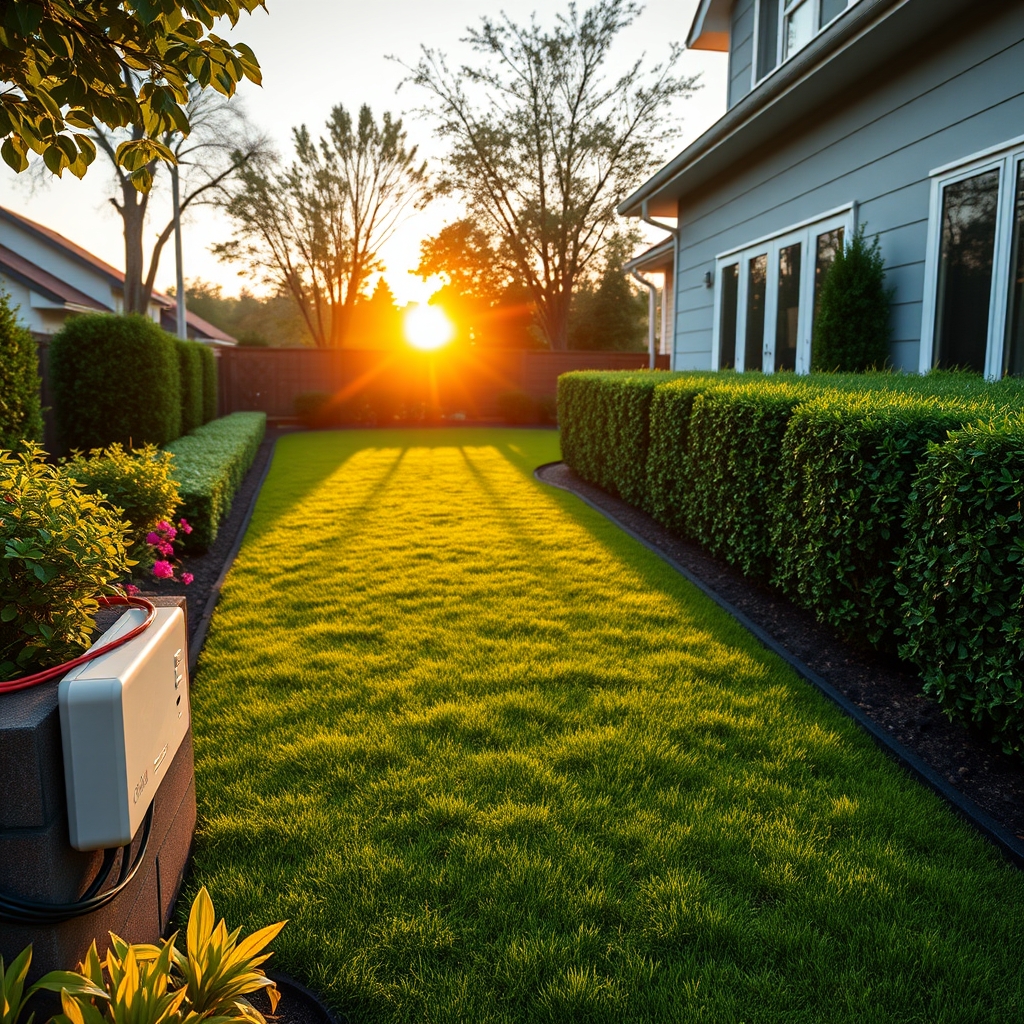
Unlike mechanical timers that work on fixed days and durations, smart irrigation controllers use real-time weather data, soil moisture info, and site specifics to automatically adjust watering—delivering as much as 20–50% less water use compared to old controllers, according to EPA WaterSense, Consumer Reports, and energy department studies (see the data).
If your city has drought rules or you simply want to lower the summer utility spike, this upgrade “just works” and is one of the lowest-effort ways to improve your home’s efficiency and compliance.
Step-by-step: How to replace a traditional timer with a smart controller
Here’s a realistic checklist to swap out your old timer and get solid water savings, without needing to be an irrigation expert.
- Audit your existing system. Count active zones, take clear smartphone pics of the wire connections, and confirm valve compatibility (most use standard 24V wiring).
- Select the right model for your needs:
- If you want the best, easiest app—Rachio is a perennial favorite (see review).
- Budget or rental? Orbit B-hyve is more affordable but app reviews are mixed.
- Pro-grade/commercial systems with advanced zone features—Rain Bird and Hunter, but more complex.
Expect to spend $100–$300, which is quickly offset by real water savings. Many utilities offer rebates for WaterSense-certified models.
- Disconnect and remove the old timer. Turn off power, label wires, and unscrew the existing controller. Most new smart irrigation controllers have clear wire-by-wire guides for easy swaps.
- Mount and wire in the new smart controller. Most mount indoors or in a weatherproof box. Attach wires by zone and common, following your photos, then power up.
- Connect to Wi-Fi and download the app. Follow the manufacturer’s pairing steps. For most, your phone walks you through setup. Stable 2.4 GHz or dual-band Wi-Fi is essential (see lab results).
- Map and label each zone in the app. Walk your yard and use the app’s tools. Input plant type, sun/shade, and soil for each zone. Don’t guess; a few extra minutes here equals big savings.
- Enable weather intelligence and rain skip. Turn on weather-based automation, rain sensors, or soil moisture tracking if your hardware supports it. This is where the biggest savings kick in.
- Set your local watering restrictions. Many controllers allow you to input city rules or “no water” days. This ensures you’re always compliant with drought regulations.
- Update firmware and test each zone. Confirm all zones run from the app. Run a manual test and double-check both Wi-Fi stability and notifications.
- Monitor reports and tweak as needed. Good controllers provide water usage/savings reports. Review these monthly and adjust as you see real results.
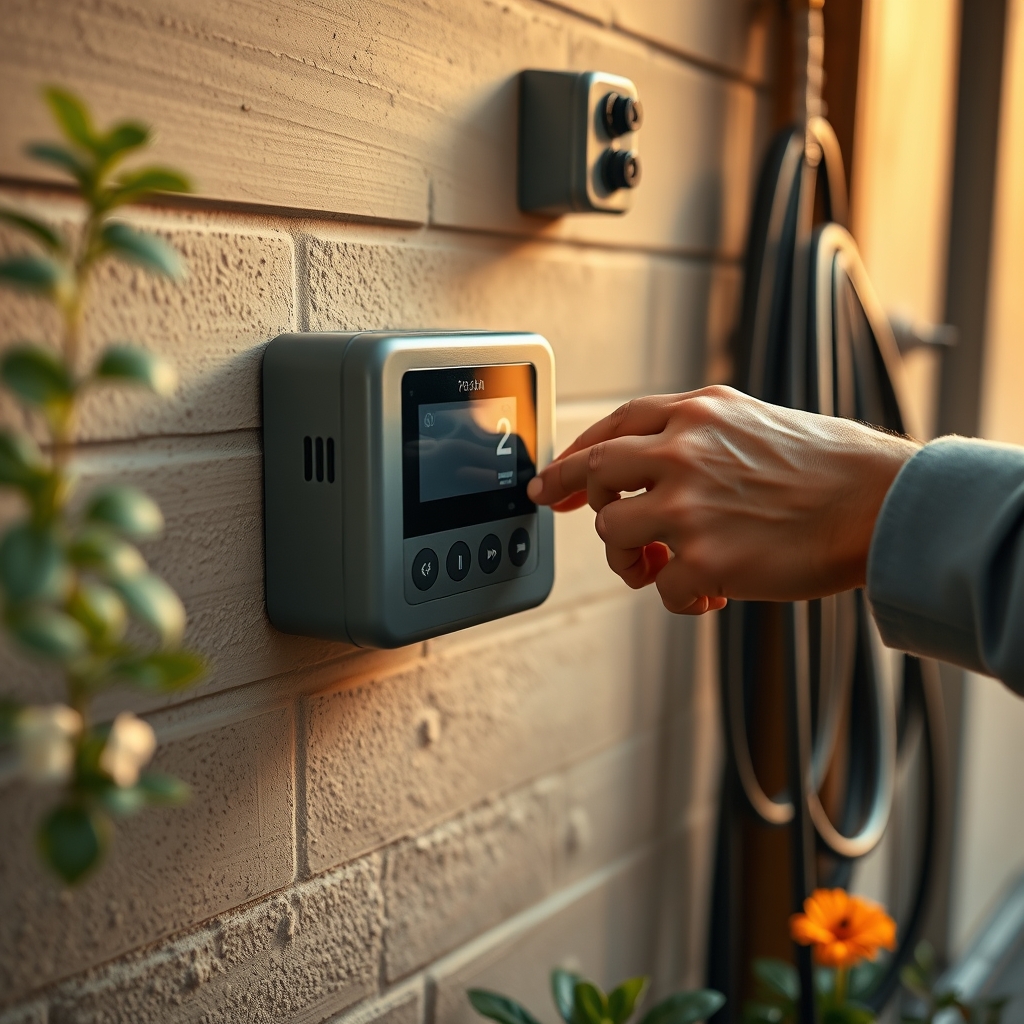
Done right, water-saving sprinkler timer upgrades significantly lower your outside bill and require less “babysitting” than a timer. If you’re looking for even more savings in the rest of the home, check out these top WaterSense fixtures and how to install a smart thermostat.
Advanced pitfalls analysis & common complaints
Smart irrigation controllers are a big leap over timers, but every year, thousands of users run into a few recurring issues. Here’s an honest look at what can go wrong, side by side with proven ways to avoid trouble.
| Issue | Common with Timers | Common with Smart Controllers | Prevention & Fixes |
|---|---|---|---|
| Over-/Under-watering | Very common | Rare (auto-adjusts for weather) | Input accurate zone data; enable weather/soil sensors |
| App/Connectivity Issues | No app needed | Most cited user complaint (see reviews) | Test Wi-Fi at controller, look for robust apps with firmware support |
| High Upfront Cost | $20–$100 | $100–$300 | Factor in water bill savings/payback & utility rebates |
| Setup Difficulty | Simple | Setup can confuse first-timers | Follow step-by-step guides, use clear wire labeling/photos |
| Sensor/Weather Source Gaps | Rarely supported | Some models lack accurate local data or reliable rain sensors | Pick models with good local weather station fallback; verify sensor compatibility |
| “Cheap” or Unintuitive Apps | Not applicable | Common among budget brands (see B-hyve app reviews) | Choose proven, user-friendly apps like Rachio or Rain Bird (see expert tips) |
User Experience Differences, 2025 Snapshot:
- Rachio’s app ranks highest for simplicity and long-term app updates.
- Orbit B-hyve: budget-friendly but the app is seen as less smooth and sometimes buggy.
- Rain Bird and Hunter: robust for complex/pro-scale setups, but require more learning.
Most cons (connectivity, app issues, sensor hiccups) can be avoided by choosing models with dual-band Wi-Fi, strong app reviews, and a clear, detailed wiring/install guide. Also, always input detailed info for each yard zone upfront—the more data you give, the better the results.
For additional landscape efficiency, explore drought-tolerant landscaping ideas to pair with your new controller.
Conclusion & action steps
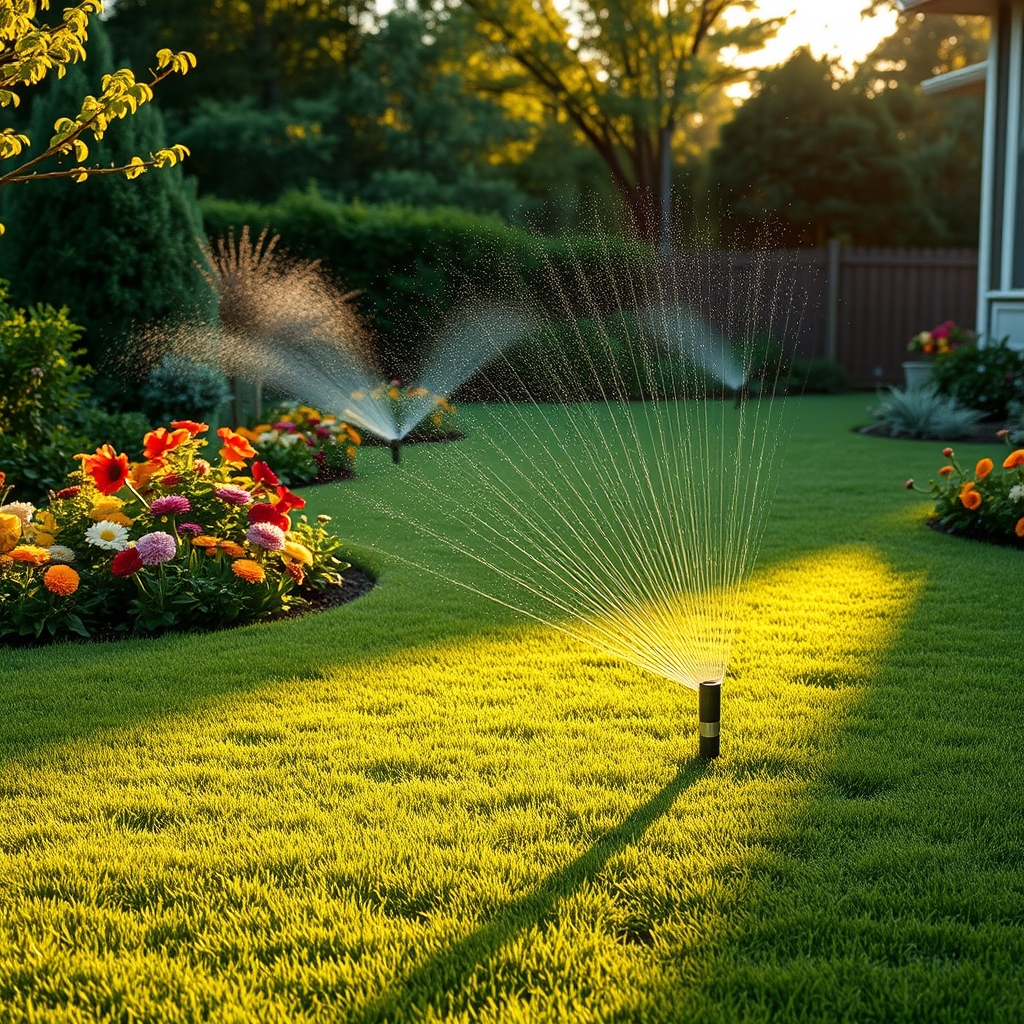
Upgrading to a smart irrigation controller is one of the rare home projects that delivers hard savings, easier yard care, and environmental benefits—regardless of your skill level or garden size.
Choosing the right Wi-Fi sprinkler controller in 2025 comes down to matching your yard’s needs and your comfort with apps. Remember to:
- Count your zones and confirm Wi-Fi signal before buying
- Choose proven models (like Rachio for best experience or Orbit B-hyve for value)
- Use the configuration checklist above to optimize savings and compliance
- Look for city or utility rebates on WaterSense certified models
- Run a benchmark water bill check before and after install so you can see real savings (often $50–$200+ annually, with up to 20,000 gallons saved)
Ready to get started? Audit your system and shortlist one or two highly-rated models—take the next step now. For more ways to boost savings and sustainability, see our guides on rainwater harvesting systems and biophilic outdoor design.
Taking the plunge into smart yard care with a new smart irrigation controller is the fastest way to maximize water savings and future-proof your lawn against rising costs and local drought limits.
FAQs: smart irrigation controller basics
Will installing a smart irrigation controller really save water?
Yes—independent studies consistently find savings of 15–40% (sometimes 20–50%) compared to fixed timers, saving thousands of gallons per year for a typical household.
Do I need Wi-Fi for a smart sprinkler controller?
Almost all “smart” models require Wi-Fi for weather updates and remote app control. Some offer limited offline/manual modes, but for full benefits, stable Wi-Fi is essential.
Can I use my existing irrigation valves or wiring?
In nearly all cases, yes. Most controllers use industry-standard 24V wiring, so swapping out a timer is plug-and-play with your existing system.
Which app-controlled smart controllers are easiest for beginners?
Rachio gets top marks for intuitive setup and app experience, while Orbit B-hyve is the leading value pick (but with some app complaints). Choose based on your need for simplicity versus price.
How quickly can I expect to see ROI on my investment?
With water bill savings of 20–50%, most homeowners see payback in 1–3 years—sometimes sooner if rebate programs are available.
—