

Table of Contents
Electric pressure washer home buyers want maximum cleaning power without all the noise, fumes, or complex routines of gas models. In 2025, the right electric unit can blast grime from your driveway, clean patio furniture, and refresh decks—all from a single purchase. But making the wrong call leads to frustration: dead batteries, wasted hours, or tools that just don’t cut it. Here’s a realistic, no-BS guide to picking—and using—the perfect pressure washer at home.
Key Takeaways
- Top 2025 models reach up to 2100 PSI and 1.2 GPM—enough for most home tasks if you match specs to surfaces and stains.
- Battery models offer real convenience but often fall short for big jobs or long run times; always check for soap dispensers and runtime claims.
- Choosing the right accessories (foam cannon, surface cleaner, spare batteries) and maintenance routine prevents buyer’s remorse—saving you time and money.
Quick orientation — What this guide gives you
You want to clean decks, patios, driveways, and siding with one tool. But not every electric pressure washer home model is up for all those jobs. In this guide, you’ll learn how to translate PSI (pounds per square inch) and GPM (gallons per minute) into real-world cleaning results for every type of surface. We’ll decode 2025’s realistic top specs, highlight how battery and corded models differ, reveal where people go wrong, and show you details (like battery life and soap spray options) that actually make daily cleaning easier.
2025 performance snapshot — What specs actually look like now
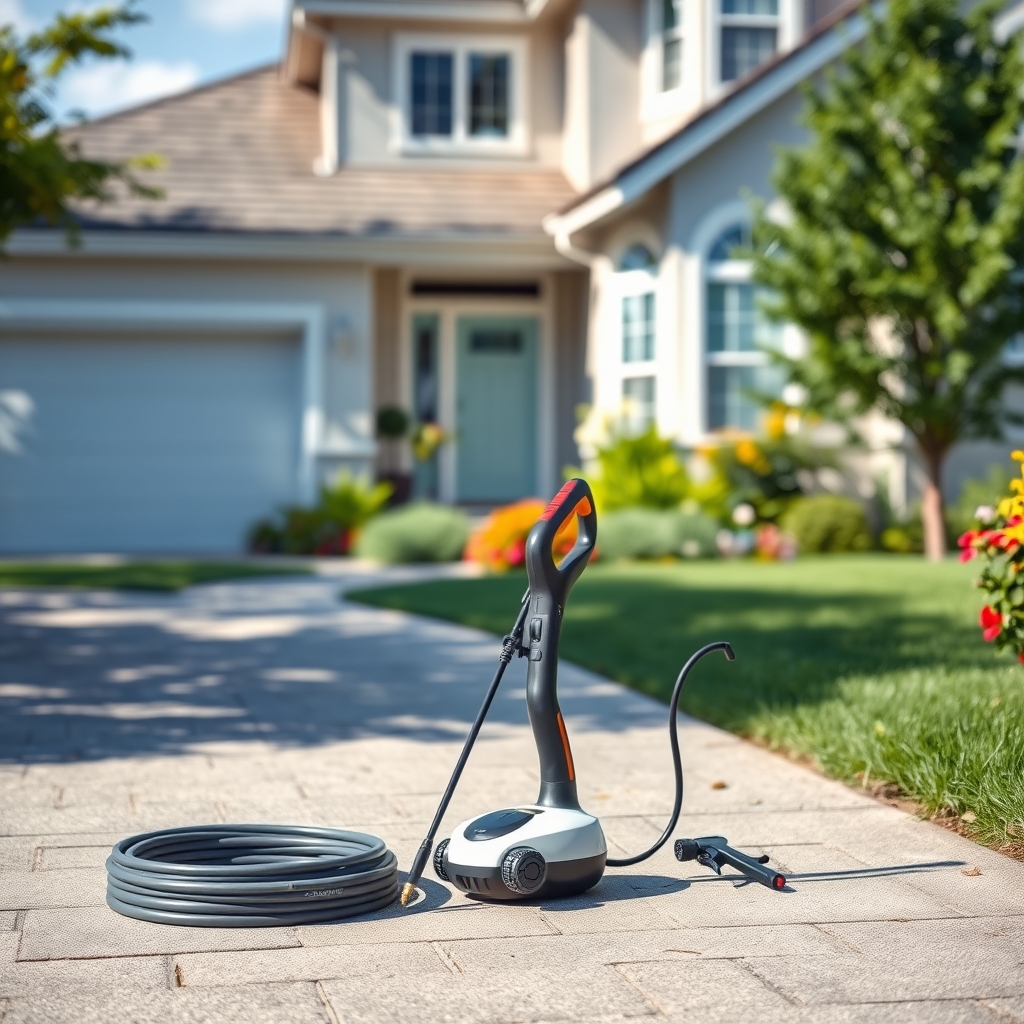
This year’s best electric pressure washer 2025 models hit up to 2100 PSI and 1.2 GPM. Here’s why both matter:
- PSI (Pressure): High PSI blasts off stuck grime and stains—but too high can strip paint or gouge decks.
- GPM (Water Volume): A higher GPM rinses surfaces faster and moves dirt efficiently, especially over wider areas.
- Battery Life: New cordless units rarely last over 40 minutes on a charge at full power. Actual job time depends on pressure setting and working in bursts vs. continuous spray.
For reference, top pressure washers for home use now deliver up to 2100 PSI, 1.2 GPM, and variable battery life (Consumer Reports).
Time-on-task example: A 1.2 GPM unit can clean about 120 sq ft of concrete in 10 minutes, assuming moderate dirt—not caked oil or old mildew stains. Battery-powered units often need recharging after midsize jobs; corded ones let you work non-stop.
Match specs to jobs — Which PSI/GPM you need for deck, patio, driveway
Here’s exactly what’s “enough” for each common cleaning task—and when it’s worth choosing a battery or corded type:
- Softwood Decking / Painted Siding: Stay under 1800 PSI, 1.0 GPM is sufficient. Cordless pressure washer deck patio types work here—look for ECO/low mode to avoid raising wood grain or peeling paint.
- Patio & Outdoor Furniture: 1300-1500 PSI and 1.0 GPM is gentle for plastics or coated metals. Cordless is fine for spot cleaning and portability.
- Concrete Driveway / Heavy-Stained Surfaces: Aim for a minimum 2000 PSI and 1.1–1.2 GPM. Most battery models stall out below this; electric power washer concrete driveway models with a cord and surface cleaner attachment work faster and won’t run out of juice on big jobs.
For complete driveways or old stains, even “best” battery-powered models often require a recharge mid-clean or can’t finish heavy dirt in a single session. Corded models save return trips. See these hands-on tests by Popular Mechanics for real job scenarios.
Real user pain points — What buyers actually complain about
Sorting through actual buyer reviews and field reports, a clear pattern emerges for both corded and battery-powered units:
- Battery runtime rarely lives up to claims: “Advertised 45 minutes only got me 25 minutes before power dropped”—a common battery-powered pressure washer review complaint.
- No soap dispenser (or leaky/difficult ones): Many models skip this, forcing “DIY” rigs or tedious pre-spraying. Cleaning jobs take longer without proper soap or foam cannon support.
- Low power for concrete and ground-in stains: 600 PSI or below simply can’t dig into concrete, even with patience.
- Poor nozzle storage or missing quick-change lances: “Had to keep walking back to fetch different nozzles, and my sprayer tips keep getting lost”—real feedback from multi-job users.
- Awkward to move or handle: Wheels too small for yard use, handles too short, or units that tip during rewinding.
Data reflects: Users often report issues with battery life and lack of soap dispensers. Always check real-world reviews, not just spec sheets—especially for cordless pressure washer deck patio models that promise “one tool for all jobs.”
| Pain Point | Cordless Models | Corded Models |
|---|---|---|
| Battery Life | Limited (25-40 mins real usage) | Unlimited (plugged in) |
| Soap Dispenser | Often missing | Usually included |
| Power for Concrete | Usually not enough | Sufficient on high-end |
| Nozzle Storage | Commonly poor/missing | Better, but varies |
| Ease of Mobility | Great on stairs, but battery = heavier feel | Wheeled, but often bulky |
Top 5 features to prioritize (and which competitor articles miss)
Don’t just chase the highest PSI. Here’s what actually makes your electric pressure washer home experience excellent:
- Usable runtime & spare battery plan: If going cordless, get at least 2 batteries. Look for ECO/low modes to extend each charge.
- Soap/foam cannon compatibility: Pressure washer with foam cannon or a built-in dispenser saves labor, tackles deep grime, and speeds up all jobs. Many product roundups miss testing this feature—don’t assume it’s standard.
- Nozzle storage & quick-change lance: Make sure nozzles ride onboard and swap easily, so you aren’t hunting for tips across the yard.
- GPM as well as PSI: Many best electric pressure washer 2025 reviews focus on PSI only, but GPM determines rinsing speed and whether jobs are truly fast. Top units hit at least 1.0 GPM.
- Portability and wheels (or handle design): Ergonomics make a difference when cleaning a multi-level yard or carrying up steps. Wheels help, but a compact, well-balanced design is equally valuable for decks.
Features like advanced nozzle storage and robust runtime claims are often missing from best-of lists—always compare closely. If this article saves you just one return trip to the hardware store, it’s done its job. For more ways to make home maintenance easier, see our DIY garage shelves guide and outdoor landscaping upgrade tips.
Quick-buy decision flow — Which model to pick based on your yard and habits
- Small yard, spot cleaning furniture only: Choose a compact cordless model (sub-1500 PSI, 1.0 GPM). Fast for chairs, fences, grill cleaning. No cord hassle means instant use, but expect to swap batteries for more than 30 minutes work.
- Mid-size yard, occasional driveway: Either a corded hybrid or cordless pressure washer deck patio unit with at least 40-minute runtime. Look for models with ECO mode for more gentle cleaning and a backup battery on hand.
- Big yard, heavy concrete jobs, daily cleaning: Go for a corded model with 2000+ PSI and 1.0+ GPM. You’ll never hit a battery wall, and surface cleaner attachments save you serious time on driveways. Many top recommendations in the best electric pressure washer 2025 category fall into this range.
Tip: Always factor in storage space and whether you have easy outdoor power access. If not, prioritize models with long cords or battery packs compatible with your other garden tools.
Template product writeup — How to present each recommended model
1. Ryobi RY142500 Corded Electric Pressure Washer
Verdict: Best corded value for home exteriors—enough power for patios and driveways, includes must-have accessories.
- Specs: 2300 PSI, 1.2 GPM, Corded (no battery worries)
- Best for: Concrete, composite decks, siding
- Pros: Works for large driveways without stop, built-in soap dispenser, wheels for mobility
- Cons: Requires outdoor power, takes up decent storage space
- Accessories to Buy: Surface cleaner for driveways, high-extension hose for multi-story cleaning
2. Greenworks Pro 2300 Battery-Powered Pressure Washer
Verdict: Best battery-powered for mid-size yards—solid PSI/GPM for most home cleaning (with spare battery recommended).
- Specs: 2100 PSI, 1.2 GPM, 40 min battery (real-world: ~30 min full blast)
- Best for: Decks, patios, walkways, light driveway work
- Pros: Portable, ECO mode, compatible with same-brand batteries
- Cons: Soap dispenser not included (add foam cannon for best results); one battery may not be enough for driveways
- Accessories to Buy: Spare battery, foam cannon, nozzle kit for detail/vehicle cleaning
3. Worx WG644 Cordless Power Washer
Verdict: Most portable for spot jobs—great for fast furniture and fence cleaning, not for serious driveway action.
- Specs: 450 PSI, 0.9 GPM, up to 40 min claimed (real: closer to 25–30 min per charge)
- Best for: Patio furniture, railings, quick cleanup of gear
- Pros: Ultra-light, four spray settings, LED battery indicator
- Cons: Lacks dedicated soap dispenser, limited output for heavy cleaning (“Advertised 40 min, but ran out of power after 25 min on high”)
- Accessories: Extra battery, optional soap bottle, storage bag
4. Sun Joe SPX3000 Electric Pressure Washer
Verdict: Top budget corded pick—solid power for most home use, reliable and easy for new users.
- Specs: 2030 PSI, 1.76 GPM (impressive for the price), corded
- Best for: Siding, decks, driveways, all-around use
- Pros: Includes double detergent tanks, 5 spray tips, onboard hose reel
- Cons: Not the lightest to move, corded only, hose reel storage could be smoother
- Accessories: Surface cleaner for driveways, quick-connect turbo nozzle
How to extend battery life and runtime (practical tips)
- Always start with the ECO/low mode for light dirt—this doubles run time on most battery-powered units.
- Rotate batteries: Charge one while the other works. Genuine spares shorten total job hours; don’t wait between jobs.
- Pre-soak dirty surfaces with foam cannon or detergent. Let it work for 5–10 minutes so you can blast off dirt faster using less pressure and power.
- Only use high pressure for truly stubborn spots—90% of regular cleaning can be done on lower settings.
- Keep spare O-rings and clean your filters; clogs reduce flow and stress the battery.
Real review: “Cleaning my deck with both batteries barely got the job done—I wish I’d started on ECO mode and let soap work while I recharged.”
Need other battery-saving tips? See our energy saving thermostat guide for more home energy hacks.
Accessories and maintenance that matter
- Foam cannon / soap dispenser: Essential for deep cleaning; don’t settle for a model without one or compatible threads (see Pro Tool Reviews for hands-on details).
- Surface cleaner: A game-changer for large concrete driveways—cleans uniformly, shortens job time dramatically.
- Nozzle storage solutions: Check for onboard racks or magnetic holders to keep all tips secure and accessible.
- Siphon hose: If water pressure is low at your spigot or you rely on rain barrels, a siphon hose can feed your washer from a standing tank.
- Maintenance: Rinse soap dispenser after every use; lubricate O-rings on connectors. For battery units, store packs indoors and avoid deep discharges for longer life.
Related: Want your upgrades to save even more water? Check out how WaterSense fixtures cut household bills with smart plumbing upgrades.
Quick FAQ / buying myths debunked
Is higher PSI always better for cleaning?
No. Too much PSI can damage softwood decks, siding, or patio furniture. Match power to your surface instead of picking the biggest number.
Are battery-powered washers only for very light jobs?
Not anymore. Top 2025 battery models handle decks, patios, and light driveway work, but still lag for extended concrete cleaning. Always verify actual PSI, GPM, and user reviews for your main tasks.
Does GPM matter more than PSI?
For big rinse jobs like mud or algae, higher GPM cleans faster. For stains and embedded grime, PSI matters most. The best electric pressure washer home models balance both.
Foam cannon vs. built-in soap dispenser: which is better?
Foam cannon attachments spray soap more evenly, speed up deep cleaning, and minimize wasted detergent. Built-ins are quicker for light jobs, but may not achieve a true “foam” effect. Get both if possible.
How do I keep my pressure washer ready year-round?
Flush detergent after use, drain any water from the pump (especially before winter), and store batteries indoors. Run the unit with clean water every few months to prevent residue buildup.
Conclusion + call to action
Choosing the ideal electric pressure washer home model comes down to realistically matching PSI, GPM, runtime, and key features to your actual jobs. Cordless is unbeatable for convenience, but bigger jobs demand long runtime and real soap power. Use the product picks above to shortcut your research—one of these four will fit 95% of homes. Compare, buy, and start enjoying cleaner outdoor spaces with less hassle.
Ready to get started? View our full product reviews and current deals to find your perfect fit. Or learn more about other smart upgrades, like outdoor kitchens or ventless laundry solutions, for a better home this year.
- Buying checklist (screenshot this):
- ✔️ Pick a washer with at least 1.0 GPM and true 2000 PSI for driveways
- ✔️ Demand a real soap dispenser or foam cannon compatibility
- ✔️ Buy a spare battery (cordless) and real nozzle storage (all types) to avoid frustration