

Table of Contents
Countertop composter indoor devices are now essential for apartment dwellers who want to reduce food waste—without inviting unwanted odors or clutter onto their limited counters. If you’re eco-conscious but busy and live in a small space, choosing the right indoor electric kitchen composter can mean the difference between an odor-free kitchen and a frustrating, noisy waste of money.
Key Takeaways
- Top-performing countertop composters for apartments rely on tested odor control tech—look for charcoal filters and microbial pods.
- Independent tests show most electric kitchen composters produce dried/ground material, not fully finished compost, and ongoing filter/tablet costs add up.
- Before buying, check real-world noise, size, and total ownership costs—is it truly odor-free and practical for your kitchen?
What is a Countertop Composter Indoor—and Why Does it Matter?
A countertop composter indoor is a compact, all-in-one electric kitchen composter designed for small spaces. Unlike traditional bins, these models rapidly break down food scraps using heat, grinding, and advanced odor-control methods like charcoal filters and microbial pods. For renters like Emma—urban, busy, eco-focused—the right machine promises an odor-free kitchen, easy daily use, and a way to actively cut food waste without upending household harmony.
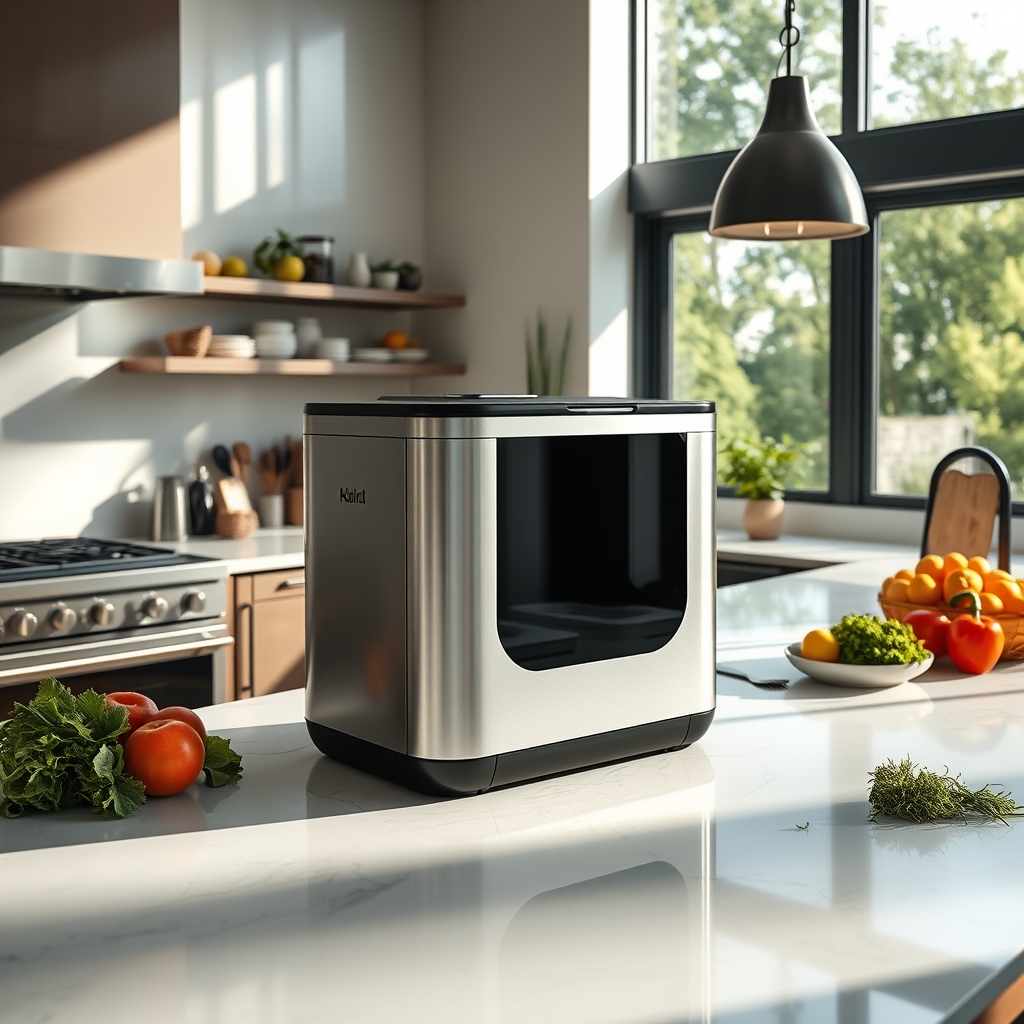
Some models, such as the Lomi 3 or Vitamix FoodCycler, can process a full 3-liter load in as little as 3–20 hours with minimal noise (about 60 dB—roughly as loud as a dishwasher)[Source]. With advances in odor containment, you can now turn even meat scraps or bioplastics into usable soil amendment right on your kitchen counter. But performance, cost, and upkeep vary widely between models, so making an informed choice is crucial.
How to Choose and Use a Countertop Composter Indoor: Step-by-Step Guide
- Identify your kitchen’s must-haves: Measure your available counter space, estimate the daily food waste volume, and list your deal-breakers (like handling meat, keeping things quiet at night, or avoiding messy consumable changes).
- Compare top-rated models for 2025:
- Lomi 3: Best for fast cycles (3–20 hours), simple touch operation, and reliable charcoal filter odor control. Newer design is smaller and easier to use than older versions[Wired].
- Vitamix FoodCycler: Best for quiet operation and flexibility with inputs (handles meat and eggshells well). Larger and heavier, but minimal recurring fuss[HouseBeautiful].
- Reencle: Best for advanced odor control using both heat and microbes. Close to “real compost” output but not identical, and processes fast, quietly, and without odor leaks[Forbes].
- Understand the real costs: Initial purchase may be $400–$500. Each odor-absorbing charcoal filter or microbial pod usually needs changing about every three months[GoodHousekeeping]. Be wary of any model with hidden fees or expensive required consumables.
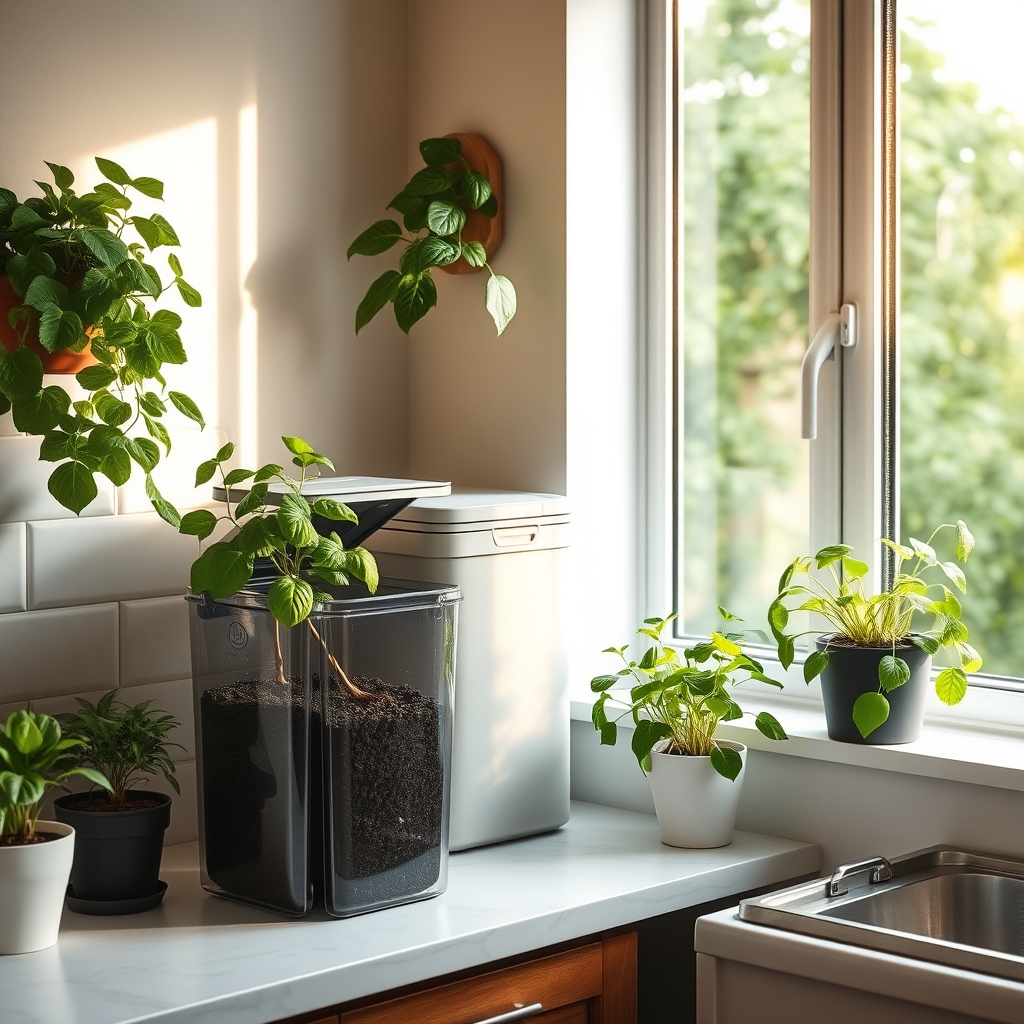
- Set realistic expectations for output: Most “compost” is actually dehydrated and ground waste, not fully finished compost. Effectiveness for plants often improves if the output sits in bare soil several weeks after processing[HonestlyModern].
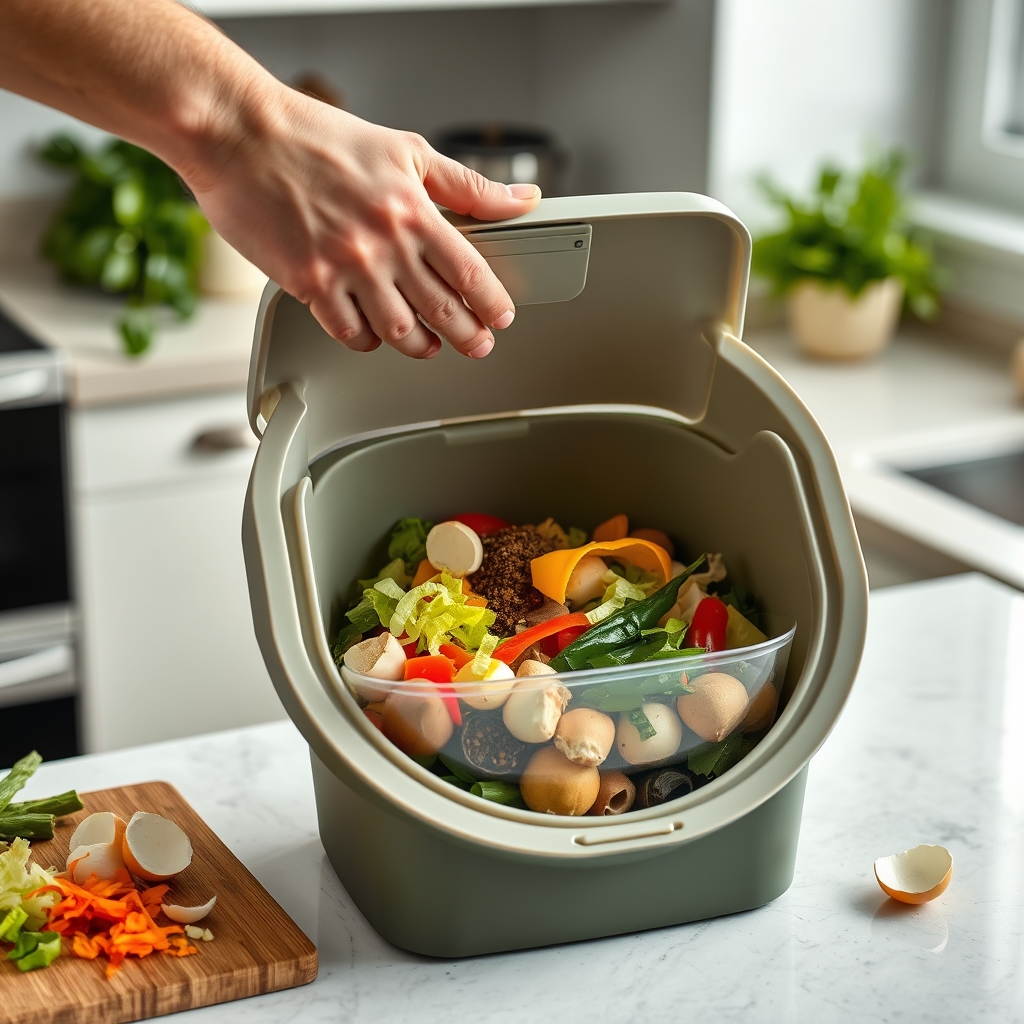
- Plan your maintenance schedule: Mark your calendar every three months for filter or tablet replacement. Wipe the bucket clean frequently. Follow the user manual on which scraps are allowed to avoid damaging the device.
For related household upgrades with a practical green impact, consider WaterSense fixtures or a compact ventless washer dryer combo—both are trending for eco-minded renters.
Advanced Analysis & Common Pitfalls: Odor, Noise, and Long-term Usability
While glossy marketing claims “no smell” and “silent running,” real apartment users and independent reviewers reveal a more nuanced story. Here’s what you need to know before investing in a countertop composter indoor:
| Model | Odor Control Method | Noise Level | Outputs | Independent Test Verdicts |
|---|---|---|---|---|
| Lomi 3 | Charcoal filter pods; heat & drying | ~60 dB (loud dishwasher) | Dehydrated ground scraps (not true compost) | Odor well-contained, but output needs weeks in soil for best results[Wired] |
| Vitamix FoodCycler | Charcoal filter; sealed drum; heat | Praised as quiet | Dried/ground, requires soil processing before use | Handles meat/eggshells, controlled odors, but quite large for some counters[HouseBeautiful] |
| Reencle | Heat + microbial pods + sealed system | Quiet | Material closest to compost, but still not fully mature | Quick, truly minimal odor emissions, advanced tech[Forbes] |
| Mill/GEME Terra 2 | Drying, heat, filter, and sometimes mail-in programs | Varies | Dehydrated scraps, not compost | Mill models may add mail-back fees; check actual ongoing costs[Sierra Club] |
Common Pitfalls:
- Expecting finished compost: Most outputs are not immediately ready to fertilize houseplants—plan to age them in soil first[HonestlyModern].
- Noise levels: Even “quiet” models hit 60 dB; in open plan apartments, that’s noticeable (like a running dishwasher).
- Lid and loading hassles: Older models had frustrating lid designs—check for easy-press or push-button lids only.
- Recurring consumable costs: Charcoal filters, microbial pods/tablets, sometimes even subscription or mail-back fees—budget for these upfront[GoodHousekeeping].
- Grinding exaggerations: Many machines “mix” or agitate scraps, not really grind them finely; expect some chunky output[GardenMyths].
For best results, implement a regular maintenance routine. If you value smooth, energy-efficient home upgrades, see also small bathroom renovation and peel and stick backsplash projects for rental-friendly ideas.
Conclusion: Is a Countertop Composter Indoor Worth It?
If you want to minimize food waste in your apartment without sacrificing odor control or dealing with bulky hardware, a countertop composter indoor—like the Lomi 3 or Vitamix FoodCycler—makes the process simpler. They rely on proven odor-control technologies but do require ongoing filter or tablet replacements and attention to maintenance.
No device is entirely set-and-forget: be realistic about noise, output quality, and recurring costs. If you’re ready to add one smart and sustainable upgrade, research the pros and cons, check size and consumable needs, and compare total ownership costs before you buy.
Ready to take the next step? Review options in-store and use this guide as your checklist to avoid common headaches. For other ways to build a greener, more efficient home, check out our guides on biophilic outdoor design or EV charger installation at home for further inspiration.
A countertop composter indoor is a step toward cleaner kitchens and a smaller environmental footprint—if you pick wisely.
FAQ
Will a countertop composter indoor make my apartment smell?
Modern electric kitchen composters use charcoal filters, microbial pods, and sealed drums to minimize odors. Independent tests show most contain smells well if you replace filters and follow usage guidelines. Still, pungent scraps may need extra care.
How noisy are electric kitchen composters?
Most run around 55–60 dB, which is similar to a loud dishwasher. Some models, like the Vitamix FoodCycler, receive praise for being even quieter in real-world use.
Do I have to keep buying filters and tablets?
Yes—plan to replace filters or microbial pods every three months, costing around $20–$40 per set. Some brands sell multi-packs, but don’t skip replacements or odors can return quickly.
Is the composter output safe for houseplants immediately?
Not always. Most outputs are dried/ground food waste, not fully cured compost. For best plant results, let the output “rest” in soil for several weeks so microbes can stabilize it before use.
Can I compost meat, dairy, or bioplastics?
It depends on your unit. The Vitamix FoodCycler and newer Lomi models can handle a wider range, including meat and select bioplastics, but always check your user manual first.