

Table of Contents
Backyard privacy ideas are your ticket to transforming an exposed backyard into a retreat—without breaking the bank. Whether you need a fast fix from prying eyes, or a longer-term DIY solution for your patio, you want options that work for real homeowners on a realistic budget.
Key Takeaways
- DIY privacy fence solutions like bamboo panels, pallet fences, and lattices can deliver effective backyard privacy for $3–$12 per foot.
- Know your budget, privacy needs, and required durability before starting—cheap outdoor privacy screens often mean more maintenance.
- Success comes from practical build tips: secure anchoring, weatherproof finishes, and picking the right material for your yard and climate.
Quick cost snapshot — choose a cheap DIY privacy solution that fits your yard
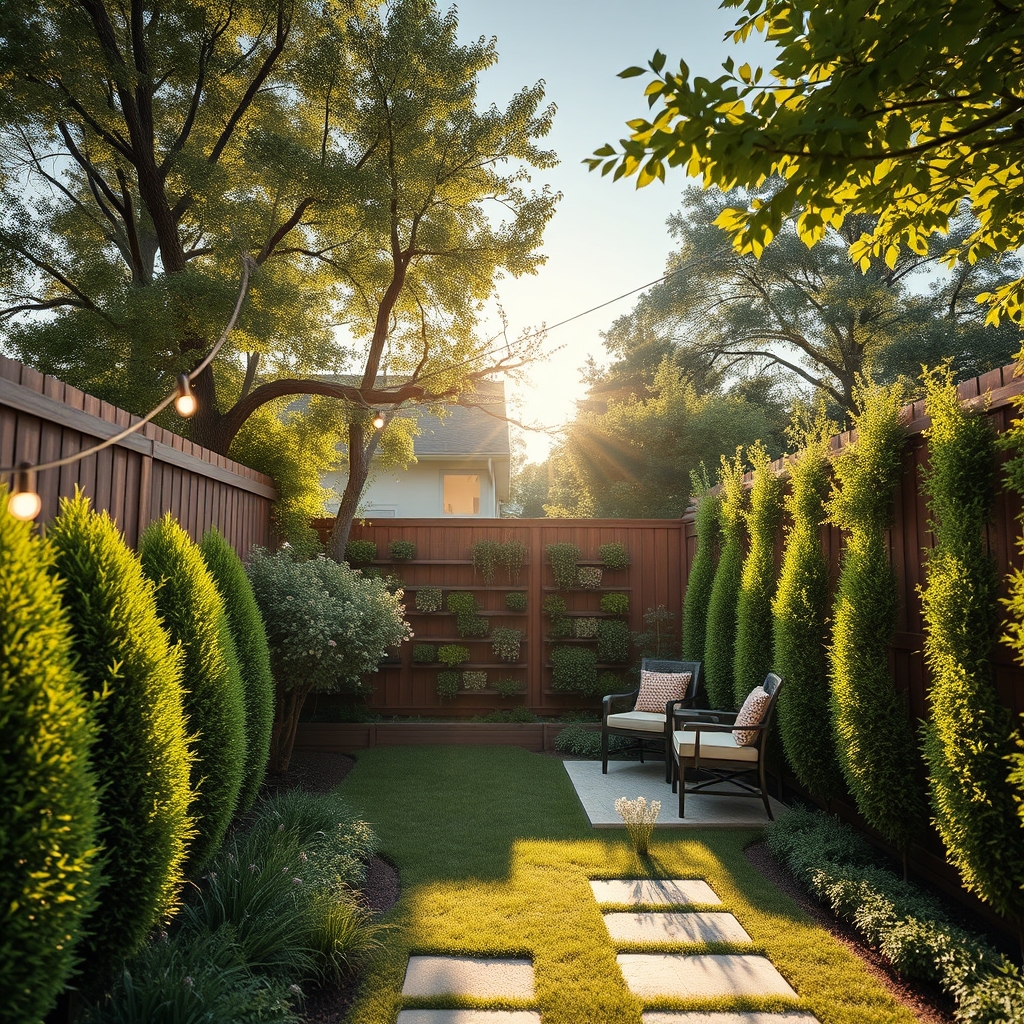
Choosing practical backyard privacy ideas comes down to getting real about costs, capabilities, and timeline. Here are the true budget benchmarks for the most popular quick DIY backyard privacy options. All of these can be built by a homeowner with basic tools, and most don’t require a contractor.
| Material | DIY Cost | Ease | Homeowner Maintenance | Best Use |
|---|---|---|---|---|
| Bamboo Panel Fence | $6–$12 per panel | Easy | Medium (weather, fade) | Patio, screen-off zones |
| Wooden Pallet Fence | $3–$7 per linear foot | Moderate | High (splinters, rot) | Property edge, garden zone |
| Wood/Vinyl Lattice | $5–$10 per panel | Easy | Low–Medium | Deck, patio, planters |
DIY privacy fence cheap options like these (learn more at [1]) provide your yard with instant sight-blocking for minimal cash. For reference, full-length installed privacy fences average $35+/ft ([3]). By building it yourself, you stay in control of cost.
Want to make the most of your outdoor space after your privacy upgrade? Check out our biophilic outdoor design guide for inspiration.
Bamboo panel fence — fast, stylish, short- to mid-term option
Bamboo makes excellent DIY privacy fence cheap panels, especially if you need privacy fast for a patio or garden nook. Here’s what you need to know about quick installation, cost, and long-term care.
What You Need
- Bamboo fence panels ($6–$12 each — see source)
- Pressure-treated 4×4 posts
- fence mounting hardware
- Gravel or concrete for footings
- Stainless or galvanized screws
Steps to Install
- Mark your run (8–16 ft is typical for a privacy screen).
- Dig post holes to 1/3 post height or 24-inch minimum (deeper in frost zones).
- Set posts plumb, backfill with gravel or fast-set concrete.
- Attach horizontal rails or hardware clips to posts.
- Unroll or set bamboo panels against rails, fastening at intervals (top, middle, bottom).
- Trim excess bamboo if required for a custom fit.
- Seal exposed bamboo cut ends/wrap top edge with weatherproof tape for longevity.
Pros
- Visually blocks neighbors instantly; stylish “tropical” look
- Lightweight panels are easy to adjust for renters
- Low barrier to installation with minimal tools
Cons
- Shorter lifespan (5–10 years), especially if untreated
- Can discolor, sag, or split if not sealed—annual touchups recommended
- Panel strength low against wind—reinforce ends, don’t leave unsupported lengths
If your main use is occasional patio privacy, consider combining with movable patio privacy panels for ultimate flexibility.
Wooden pallet fence — lowest-cost, high personality, but more maintenance
Pallet fencing is the ultimate upcycle project in budget backyard privacy ideas. The initial spend—$3–$7 per linear foot—is among the lowest of any DIY privacy fence cheap build ([1]), but you need a plan for durability and safety.
How to Source & Use Pallets
- Look for undamaged, untreated pallets at local stores, recycling centers, or classified ads—skip painted or heavily stained wood unless you plan to refinish.
- Pressure-wash pallets to remove debris. Sand rough edges to prevent splinters.
- Apply wood preservative, especially to base and ends, then a weatherproof exterior stain.
Layout & Construction
- For full privacy, stack two pallet rows with offset boards, or attach garden mesh/fabric behind the fence run.
- Anchor pallets to metal fence posts or heavy rebar sunk into the ground for serious wind protection.
This guide has a detailed pallet fence walkthrough for more visual learners.
Safety and Regulations
- Check permit rules: many cities limit fence height or disallow “found material” barriers.
- Don’t use pallets that held chemicals or food waste; these aren’t safe for gardens.
Maintenance Required
- Pallet fences need annual resealing and regular repairs for splinters, rot, or warping.
- Prone to insect damage—use borate wood preservative for extra protection.
| Option | Lowest Price | Main Tradeoff | DIY Difficulty |
|---|---|---|---|
| Pallet Fence | $3/ft | High upkeep | Moderate (cuts, sanding) |
| Bamboo Panels | $6/panel | Short lifespan | Easy |
| Lattice Screen | $5/panel | Partial privacy | Easy |
Lattice and hybrid panels — lightweight, customizable privacy screens
Lattice panels are an all-time favorite for renters and homeowners who want partial privacy, ventilation, and a DIY project that won’t break the bank. Wood or vinyl lattice panels average $5–$10 each for DIYers ([1]).
- Wood lattice: Can be cut to fit, painted, and combined with planters or climbers. Needs sealing each year.
- Vinyl lattice: Higher upfront cost, lower maintenance, will not rot, easy to clean, best for partial privacy by a deck or hot tub.
- Hybrid (lattice + plants): Fast-growing climbers like clematis or jasmine + lattice = living privacy wall in one season.
Lattice is perfect for patio privacy panels, pool surrounds, or dividing up a garden space without making it feel closed-in. For ideas on maximizing your outdoor living, read our guide to outdoor organization and storage.
Pros
- Easy install and replacement
- Partial sight-blocking with good airflow
- Customizable with color, planters, or climbing plants
Cons
- Lower privacy coverage (30%–70% blockage)
- Wood lattice requires routine sealing/painting
- Needs a sturdy frame to hold up in wind
Common homeowner complaints and pitfalls with outdoor privacy screens & patio privacy panels
- Warping and rot: Cheap or untreated panels deteriorate within 1–3 seasons unless properly weatherproofed.
- Anchoring failures: High wind, shallow posts, or weak panels can topple screens overnight.
- Rusty/snagged fasteners: Using indoor screws/nails outdoors leads to rust stains and safety hazards.
- Fabric sags: Outdoor fabric screens often look sloppy after a winter outdoors and are prone to tearing (Kozyard screen review video).
- “My bamboo screen looked great but turned gray and brittle in 18 months.” (Cause: No UV sealer, direct sun exposure.)
- “Wind ripped three lattice panels right off the deck posts.” (Cause: Posts set too shallow, lightweight anchors; not braced for local wind loads.)
- “Pallet fence started sagging after heavy rain. Boards are warping; I might have to rebuild.” (Cause: No bottom clearance or sealing.)
For long-term satisfaction with outdoor privacy screens and patio privacy panels, plan for basic but regular upkeep and invest an extra hour making sure posts are deeply anchored and are built for your climate. For homeowners who value low maintenance, strong anchoring and periodic resealing are critical.
How to avoid the top pitfalls — anchoring, drainage, materials, and maintenance hacks
If you want your DIY privacy fence cheap project to last for years, focus on three essentials:
- Deep-set and reinforced posts: Always dig at least 24 inches for posts or one-third of post height. Use gravel below for drainage—never set directly on soil.
- Galvanized/hot-dipped fasteners: Use only fasteners rated for the outdoors to prevent rust and staining. For soft woods and bamboo, pre-drill to avoid splits.
- Weatherproof finishes: Apply clear sealer, UV-resistant paints, or waterproof stains before install. Reapply annually to wood/bamboo.
- Elevate fence base: Give a 1–2 inch gap from ground to avoid wet-soil rot (especially with pallets).
- Maintenance schedule: Inspect posts for movement, panels for sag, and refinish wood annually before winter.
These hacks can add years of life to what’s often dismissed as “temporary” garden privacy ideas. For more money-saving maintenance, see our guide on water-saving outdoor fixtures to pair with your privacy work.
Underrepresented garden privacy ideas (3 smart options many competitors miss)
Many websites don’t mention these cost-saving approaches—each brings long-term value and character:
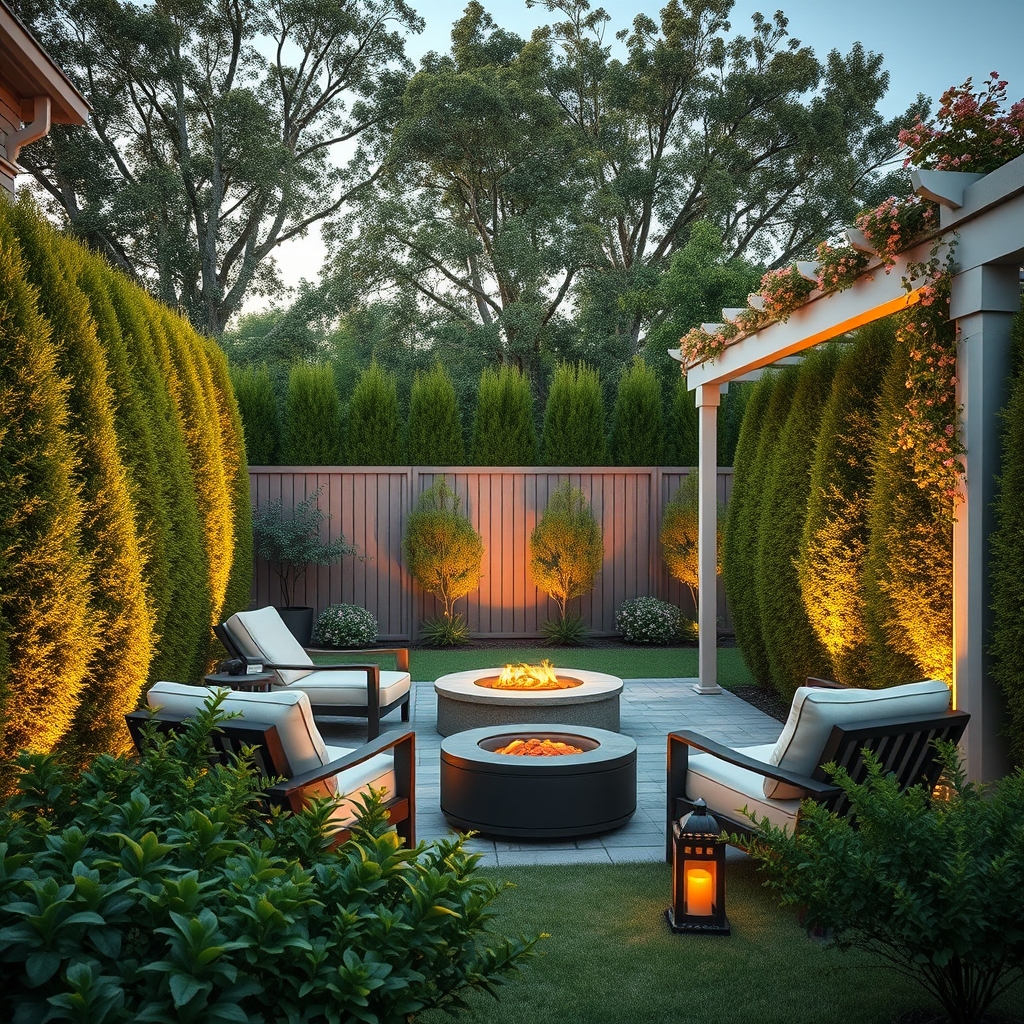
- Living Hedges (“Green Screen”): Fast-growing options like arborvitae, bamboo (in a root barrier), or evergreen shrubs. Investment is often $10–$25 per plant, but delivers year-round, full-height privacy in 2–3 seasons. Pro: virtually zero ongoing material maintenance; con: wait time before full screening.
- Recycled-Material Fences: Salvaged doors, panels, or corrugated metal from reclaim yards or Facebook Marketplace. Expect $2–$8 per foot for materials ([4]). Pro: unmatched looks and eco appeal; con: more design work, sometimes heavy materials.
- Vertical Edible Walls: Build a lattice wall with attached planter boxes. Fill with leafy veggies or herbs for privacy and salad at the same time! Pro: perfect for small patios; con: needs regular watering and planter refresh each season.
For more strategies on creating beautiful and sustainable outdoor spaces, visit our biophilic outdoor design guide.
Cost vs. lifespan vs. maintenance — picking the best value for your goals
Sorting through the options can be overwhelming. Here’s a simple framework for picking your backyard privacy ideas solution based on project goals, wallet, and patience:
- Cheapest, Fastest: Pallet fence ($3–$7/ft) or bamboo panel ($6–$12/panel). Good for renters or short-term privacy. High maintenance.
- Best Mix of Value and Durability: Wood lattice screen ($5–$10/panel). Mid-term privacy. Needs resealing but parts are easy to swap.
- Long-Lasting with Minimal Upkeep: Vinyl or metal lattice, gabion planters, or planted hedges. Costs more upfront ($15–$25/panel), but can last 20+ years—almost zero upkeep when installed right ([1]).
If you want extra info on durable and waterproof outdoor materials, see our guide on LVP flooring for lessons on what lasts in the elements.
Weekend DIY playbook — step-by-step checklist + shopping list for three budget projects
Pallet Fence
- Materials: 5–10 wood pallets, 2–3 metal posts, deck screws, concrete for posts, exterior stain.
- Cost: $40–$120 total (8–16 ft run, $3–$7/ft).
- Tools: Drill, level, saw, brush/sander.
- Time: 6–8 hours solo.
- Mistakes to avoid: Not pressure-washing/sanding, shallow post holes, ignoring permit rules.
Bamboo Screen
- Materials: 3–6 bamboo panels, 2–3 wood posts, steel screws, clear sealant.
- Cost: $40–$100 total (for 3–6 panels, $6–$12/panel).
- Tools: Drill, shovel, tape measure, saw (if trimming panels).
- Time: 3–4 hours, one person.
- Mistakes to avoid: Skipping sealer, not anchoring posts deep enough.
Lattice Planter Wall
- Materials: 2–4 lattice panels, 2–3 posts, screws, 4 planter boxes, exterior wood sealer.
- Cost: $30–$80 total (for 2–4 panels, $5–$10/panel).
- Tools: Drill, post hole digger, scissors (for trimming fabric/mesh), brush.
- Time: 4–6 hours with helper.
- Mistakes to avoid: Not bracing posts, ignoring fastener/rust issues.
Safety/Permits Reminder: Always call utility location hotlines before digging, and check city requirements for fence height, style, and materials. If near a neighbor’s property, discuss plans ahead to avoid disputes.
For more outdoor weekend ideas, check out our guide to budget renovations inside and out.
Permits, neighbors, and longevity tips — avoid surprises
Avoid headaches by investing five minutes in research before building your outdoor privacy screens:
- Contact your city’s planning department to get current rules for fence height and placement. Many have online zoning maps you can check before you shop.
- If you share a property line, let neighbors know your plans in advance—especially if you’re building temporary screens or new posts close to their side.
- Upgrade for longevity: Seal or stain all wood and bamboo surfaces, use galvanized hardware, and consider adding cap rails or top covers to prevent water pooling on fence tops. These small steps prevent “common complaints” like sagging and rot (see earlier).
Routine finishing and annual checkups can add 5 or more years to the life of most DIY privacy solutions, saving you money and time in the long run.
Need more project longevity tips? Our insulated garage door guide explains similar maintenance tricks for other weather-exposed upgrades.
Quick-read FAQ & decision checklist (Which option is right for me?)
What’s the fastest backyard privacy idea to install?
Bamboo screen panels—cut to size and attach to posts in a few hours. Great for renters and parties.
What’s the absolute cheapest DIY privacy fence?
Wood pallet fencing—sometimes free if you can haul your own. Budget $3–$7 per foot for posts and fasteners.
Which DIY backyard privacy ideas last the longest?
Vinyl lattice, corrugated metal, or gabion wall systems. Expect 15–25+ years with almost no upkeep if built right.
Are lattice or garden privacy ideas good for wind?
Lattice screens allow wind through; use strong posts and bracing in exposed yards. Solid panels like bamboo or pallets need extra anchoring in windy spots.
When should I call a pro, not go DIY?
If you need to fence a steep slope, attach to brick/masonry, or want a 6+ foot solid structure bordering a neighbor, a local contractor can help you build to code and avoid fines.
Best cheap outdoor privacy screens for renters?
Freestanding lattice with potted plants, or bamboo rolls attached to temporary posts—both removable and require little to no ground anchoring.
Conclusion
The right backyard privacy ideas come down to your actual budget, available tools, and how much maintenance work you want after install. Choose bamboo if you want quick, good-looking results on a budget; go pallet for the lowest cost and the most personality; pick wood or vinyl lattice when you want customizable, mid-term privacy. Always plan for weather and anchoring, and check local permit rules.
Pick your budget tier, choose one project, and follow the Weekend DIY Playbook above to create real, durable privacy in your backyard—no secrets, no shortcuts, just practical improvement.
Research notes: DIY material cost ranges cited are from recent US homeowner and retailer averages. References: Inexpensive Privacy Fence Ideas, Material and Cost Research, Recycled Fence Sources, Home Depot national pricing, and select DIY and homeowner forums (2026).