

Table of Contents
Ventless washer dryer units are changing laundry in apartments and small homes—no vent required, real savings, and far more flexibility. Thinking of swapping your laundromat trips for an in-unit combo? This guide gives you practical facts, clear installation advice, the best ventless washer dryer combos for 2026, plus critical pitfalls and maintenance realities other blogs ignore.
Key Takeaways
- Ventless washer dryer combos save up to 60% on electricity versus vented units and install in most apartments with just a standard 120V outlet and a drain.
- Heat pump models are top for energy savings but run longer cycles and need strict filter maintenance; condenser-only models are quicker but less efficient.
- Real pain points include cycle length, humidity, fine lint buildup, and size/load constraints—choose wisely and expect ongoing filter cleaning.
Why Choose a Ventless Washer Dryer?
If you live in an apartment or older building where venting a traditional dryer is impossible, a ventless washer dryer combo offers a real way out. Instead of exhausting hot air outside, these machines use condensation or heat pump technology to extract moisture and recycle the air. No holes in the wall. No special ducts. No arguing with your HOA.
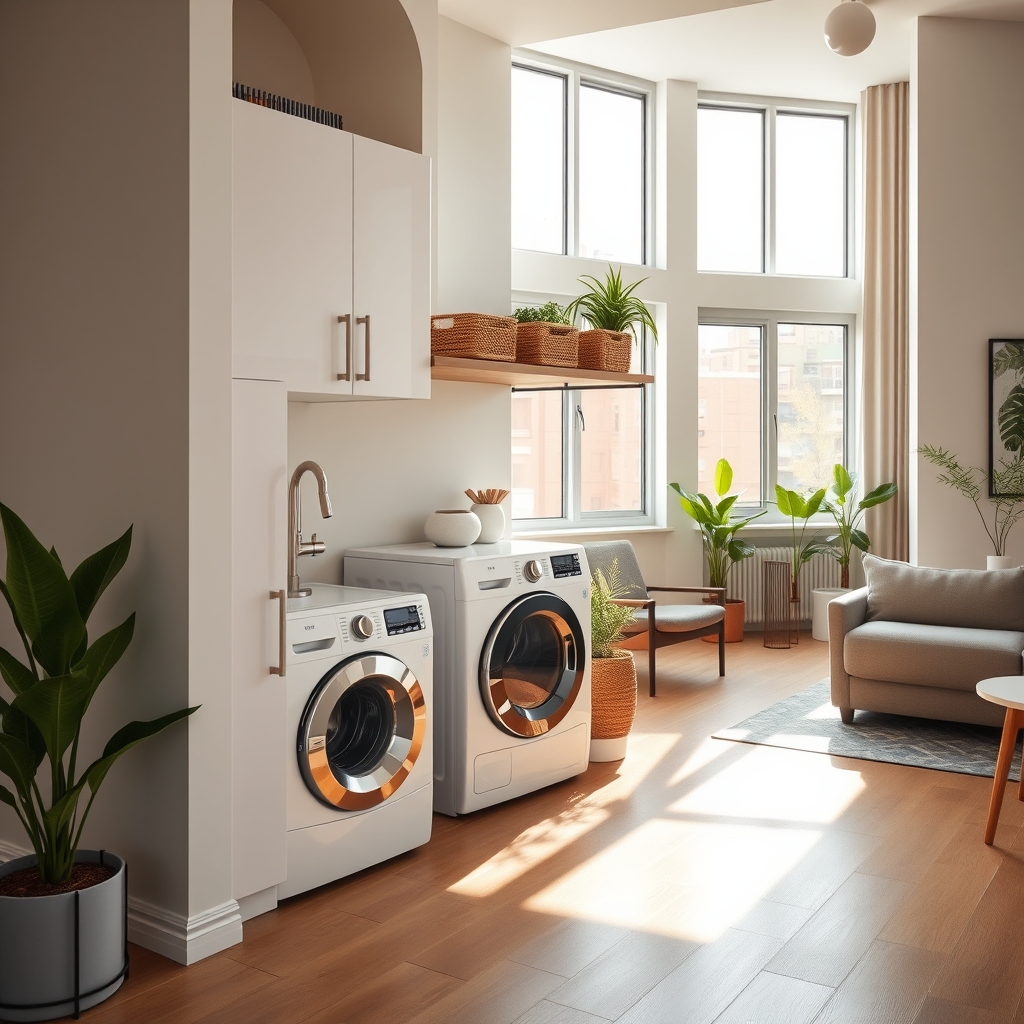
Ventless technology shines where space, retrofits, or historic build-outs limit your options. You need only a standard hookup—hot/cold water, a drain, and a 120V power outlet. As a bonus, ventless dryers tend to run at lower, steadier temperatures, so they’re gentler on clothing—a standout for anyone tired of shrinkage or ruined synthetics.
Data backs up the savings. Recent field tests show ventless washer dryer combos that use heat pump drying can cut electricity use by 28–60% versus vented models. That’s not just good for the grid—it’s real money for renters and condo owners every year. There’s a reason ventless laundry systems are gaining popularity in the urban housing boom (read more about smart apartment upgrades like WaterSense fixtures or multifunctional furniture solutions).
A ventless washer dryer combo is also your best bet for converting unused closet space into a functional laundry nook—and it helps solve the persistent “no vent required” pain point plaguing city rentals and condos. Install it anywhere you have water, power, and drainage.
Heat Pump vs. Condensation: Which Ventless Dryer Technology Wins?
Not all ventless dryers work the same way. The main types are Heat pump units and condensation (or condenser) units. Each has trade-offs for space, power use, and performance.
Here’s how the two major types break down:
| Technology | Efficiency | Cycle Time | Upfront Cost | Noise | Maintenance | Drawbacks |
|---|---|---|---|---|---|---|
| Heat pump combo | 28–60% less energy | 2.5–3.5 hours (12 lb load) | $$$$ | Compressor hum | Frequent filter cleaning | Long cycles, higher cost |
| Condenser only | ~40% less energy | 2–3 hours | $$$ | Quieter | Filter/tank cleaning | Less efficient, tanks overflow |
- Heat pump units: They recycle heat using refrigerant coils, making them the most efficient option (source). You save $40–$70/year on electricity, which can pay for the added upfront cost in about 5–7 years—especially when you’re running weekly laundry in a well-sealed apartment.
Downside? Each load can take 30–40 minutes longer than a standard vented or condenser model, and the compressor makes a unique low-frequency noise. - Condenser-only combos: Simpler technology (just a heating element and a condenser coil), so they’re faster than heat pumps but not as energy-saving. The drying time is still longer than a traditional vented dryer, but you might only wait an extra 15–20 minutes per load. The trade-off: more electricity used and potentially less gentle on delicate fabrics.
The days of choosing “just whatever fits” are over—see our energy-saving laundry guides like heat pump dryer cost & value tips for deeper breakdowns.
What to Expect: Performance, Cycle Times, Costs & Payback
A ventless washer dryer will never be as quick or as large as a dedicated vented set. Here’s what you need to know for daily life and budgeting:
- Load size: Most combos can handle 2.4–2.7 cubic feet at once (about 10–12 lbs damp clothes). Don’t overfill—the dry cycle works best with smaller-than-wash loads, especially towels or bedding.
- Cycle length: Realistically, expect 2.5–3.5 hours to fully wash and dry a standard load. Speed modes help but use more power and sometimes leave heavier items damp.
- Noise: Ventless dryers are typically quieter than vented ones, but the compressor (heat pump models) does have a distinctive hum—plan if your unit is near bedrooms or a home office (details).
- Energy savings & payback: Annual electric savings range from $40 to $70, with even more in climates where vented dryers pull expensive cooled or heated air from your home. Expect a payback window of 5–7 years versus a new vented machine (research PDF).
- Upfront cost: The best ventless dryer combo unit models start around $1,200–$2,500 depending on features and brand reputation.
Want your investment to last? Follow manufacturer cycle and maintenance guidance religiously, and don’t skip routine cleaning—see section below for pitfalls. If you want to extend efficiency even further, consider pairing ventless laundry with a smart thermostat install or future-ready features (see next section).
Manufacturer Reliability, Maintenance, and Hidden Pain Points
Most ventless washer dryer combos are reliable, but owner reviews reveal several recurring frustrations. Understanding these head-on will help you avoid regrets:
- Filter and condenser fouling: Both need to be cleaned frequently. If you skip this, drying time rises dramatically, and energy use spikes. Clean the lint trap after every dry cycle, and the condenser filter at least once a month (sometimes more if you have pets).
- Odor or musty smell: If you leave damp clothes inside, or skip occasional drum cleaning, mold can develop. Run a hot “tub clean” cycle monthly and always leave the door/cracked slightly open between uses.
- Noise and vibration: Heat pump units produce a fridge-like compressor rumble that some people dislike in super-quiet spaces. Place the machine on a thick mat to help absorb vibration.
- Humidity problems: Small, poorly ventilated closets can trap moisture, causing doors, trim, or drywall to warp or grow mildew over time. An open door or even a simple clip-on fan can help dissipate excess moisture.
- Load size limitation: Don’t try to dry a fully packed drum. Combos need space for effective airflow—wash full loads, dry in half-loads if necessary (especially towels, bedding, or heavy jeans) as discussed in this practical troubleshooting guide.
- Reservoir overflow (condenser models): If you forget to empty the water drawer, you’ll get wet floors or even leaks.
Service data suggests first-year repair rates on new heat pump combos hover between 8–9%—comparable with other large appliances (detailed stats). Still, most complaints cluster around maintenance, user error, or trying to dry “just one big heavy load” in one go.

Compare these pain points against the standard hassles of shared laundry rooms—broken machines, lost socks, time wasted—or even hauling to the laundromat. For most, the trade is worth it with a little planning and discipline.
Advanced Features & Future-Proofing: Smart Integrations and Tax Credits
The best washer dryer combo no vent required units are getting smarter each year. Top-of-the-line models now offer WiFi connectivity to alert you of completed cycles, missed maintenance, or detected performance issues—all via your phone.
- Cycle alerts: Get notified when the wash or dry is complete, so you can swap loads quickly (or avoid musty clothes sitting for hours).
- Maintenance reminders: Prompt notifications help you avoid missed filter cleanings and keep your system efficient. Some apps even show step-by-step cleaning instructions.
- Humidity sensors: Models with advanced sensors adjust drying time to the actual moisture level—no more guessing or overdrying.
- Tax rebates/incentives: Many heat pump dryer combo units now qualify for federal, state, or local rebates (sometimes up to $300 or more)—check the latest Energy Star or utility offers, especially if you are also exploring other green upgrades like a heat pump water heater rebate for even larger home energy savings.
Smart integration does more than convenience—it helps owners directly address some of the most common service issues (maintenance reminders/accountability), and it enables better energy use and less trial-and-error. Future-proofing your laundry not only boosts ROI but enhances overall comfort and air quality—see similar trends in smart electrical panels and smart thermostats.
Making Your Purchase: Top Models, Best Practices, and Final Tips
Based on recent user reviews and editorial round-ups:
- GE Profile Ultrafast Combo: Consistently rated for space savings, fast cycles (for a ventless), and strong reliability. It fits where few others will and has strong maintenance accessibility.
- Miele heat pump models: Best-in-class efficiency, very gentle drying, and gold-standard build and support. The energy savings and quiet operation often make up for a higher purchase price. User reviews on Green Building Advisor consistently highlight satisfaction for longevity and gentle drying.
Before you buy, check:
- Does the model fit your available space, including door swings and rear clearances for hoses?
- Do you have easy access to water, power, and a drain—plus a way to vent humidity if needed?
- Can you comfortably reach all filters and water tanks for routine cleaning?
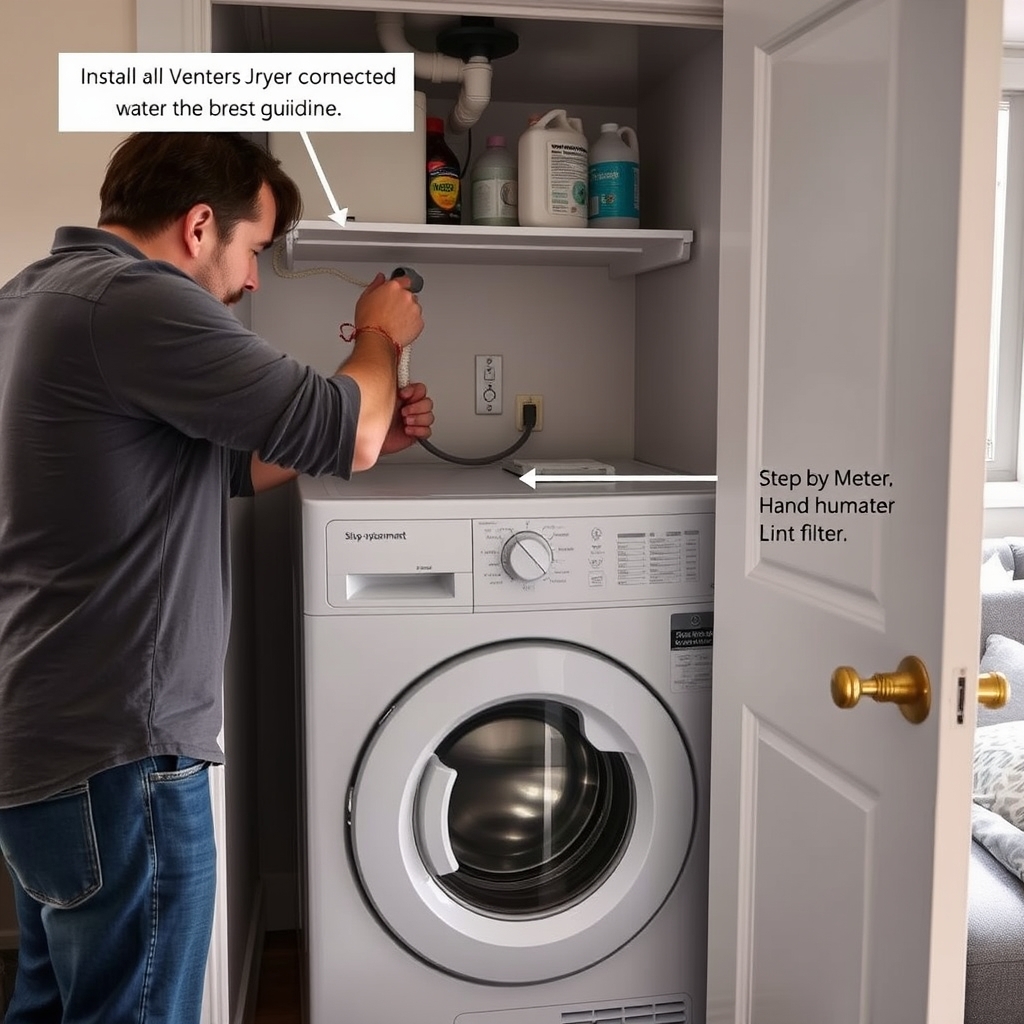
After install, always run a test cycle to check for leaks, hose kinks, and proper draining. Register your unit for warranty and enable smart alerts if available—the first year is crucial for catching manufacturer issues early.
Still deciding? Browse our in-depth ventless washer dryer buying guide for more model comparisons, and see heat pump dryer cost and value tips if you’re considering a unit with long-term savings in mind.
Conclusion
For urban dwellers and small-space homeowners, a ventless washer dryer combo offers true in-unit laundry freedom—no vent required. If you’re willing to accept longer dry cycles, commit to regular maintenance, and choose wisely for your layout and usage, the best ventless dryer combo unit can become a permanent solution—saving energy, time, and hassle compared to your laundromat routine. Ready to say goodbye to laundry day stress? Invest in your own ventless washer dryer and take back control of small-space living now.
FAQ
Do ventless washer dryer combos need a special power supply?
No—most are designed for standard 120V outlets. Always check your model’s requirements before installing, but 240V is rarely needed in North America.
How often should I clean the filters in my ventless dryer?
Clean the lint filter every dry cycle and the condenser filter at least once a month—or more if you have a lot of lint or pet hair in the home.
Will a ventless washer dryer make my apartment humid?
Most moisture is condensed and drained away, but a little residual humidity escapes, especially in a tight closet. Keep the space ventilated or open the door during cycles to avoid problems.
Can a ventless combo handle large loads or bedding?
Drying works best with loads smaller than the wash drum limit. For bedding or towels, dry them in multiple smaller batches for best results.
Are there any rebates or tax credits for buying a heat pump dryer combo?
Yes. Efficient heat pump dryers often qualify for state or utility rebates, and sometimes federal tax credits. Check Energy Star and your local government’s website for current offers.
—