

Table of Contents
Biophilic design home upgrades are transforming how people remodel for wellness, style, and sustainability—but true success hinges on budget awareness, practical planning, and understanding real maintenance needs.
Key Takeaways
- Professional living wall installations for homes cost $175–$250 per square foot in 2024, while realistic DIY plant wall projects can start as low as $100.
- Lighting and irrigation are critical for indoor living walls—be ready to invest in grow lights and consider automated watering for long-term success.
- Some of the most impactful biophilic design home features are often overlooked, such as vertical micro-greenhouses or seasonal living art panels.
Quick primer — What is biophilic design and why it matters in the home
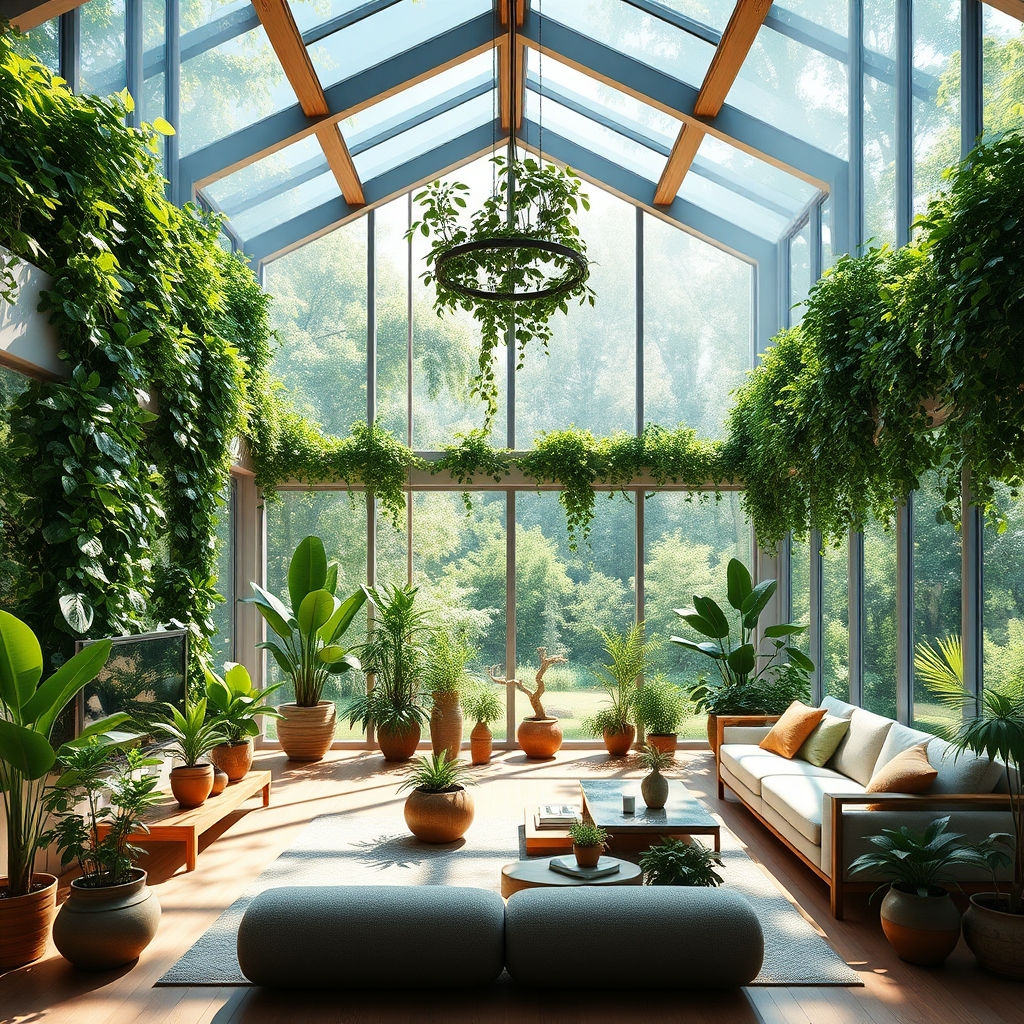
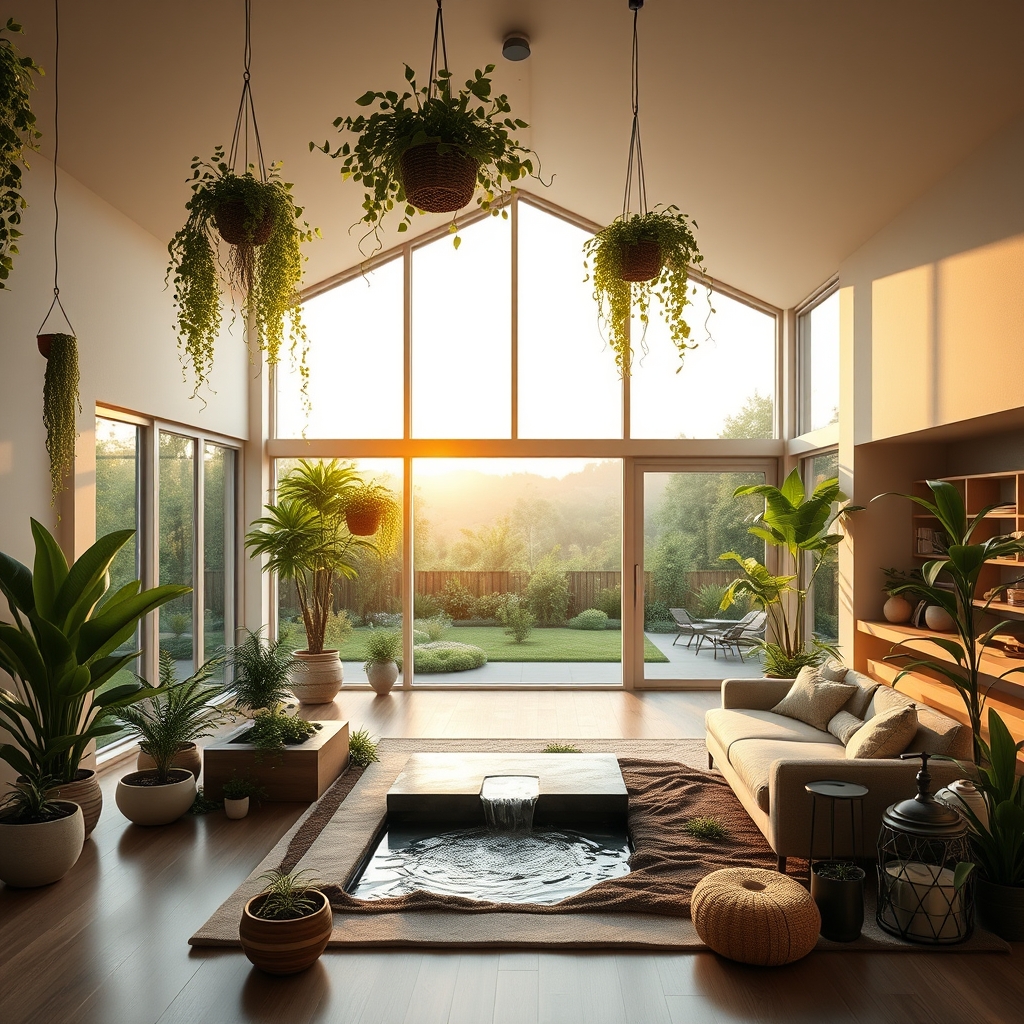
Biophilic design means intentionally weaving nature into interior architecture to nurture wellbeing, reduce stress, and enhance air quality—without sacrificing modern function or aesthetics. In a biophilic design home, you don’t just add plants—you create a daily connection to the outdoors using living walls, abundant daylight, nature-inspired décor, and organic materials. Living walls (also called green or plant walls) are just one tool, but a powerful one. They create lush vertical gardens that can reshape a space, clean indoor air, and deliver a calming visual anchor. However, achieving these benefits means understanding installation realities, ongoing costs, and maintenance needs before you start planning.
How living walls work (systems, plants, lighting, irrigation)
Building an indoor plant wall requires more than just arranging pots vertically. The basic components are:
- Structure/Panels: The framework that attaches to your wall and supports the plants—ranging from prefabricated modular panels to DIY shelf systems.
- Substrate/Growing Media: Soil, felt, or specialty inserts that keep roots healthy.
- Irrigation/Drainage: Either automated irrigation drip systems (common in pro installs) or manual watering for small DIY projects. For tall walls, water delivery becomes much more complex.
- Lighting: Most living walls need supplemental grow lights—full-spectrum LEDs—especially in windowless or low-light rooms.
- Maintenance Access: Plan for reach—panels should be designed for easy plant swaps, pest checks, and cleaning.
System choice (panel, tray, pocket, shelf) dramatically affects performance and cost. Automated irrigation and pro grow lights raise both price and reliability. Skipping these often means more frequent hand watering and a higher risk of plant disappointment—especially if you’re dealing with a lack of natural sunlight or humidity control typical in urban homes. As noted by Soltech, “Grow lights provide the full-spectrum lighting needed for plant health, while automated irrigation systems or regular watering schedules keep living walls hydrated.”
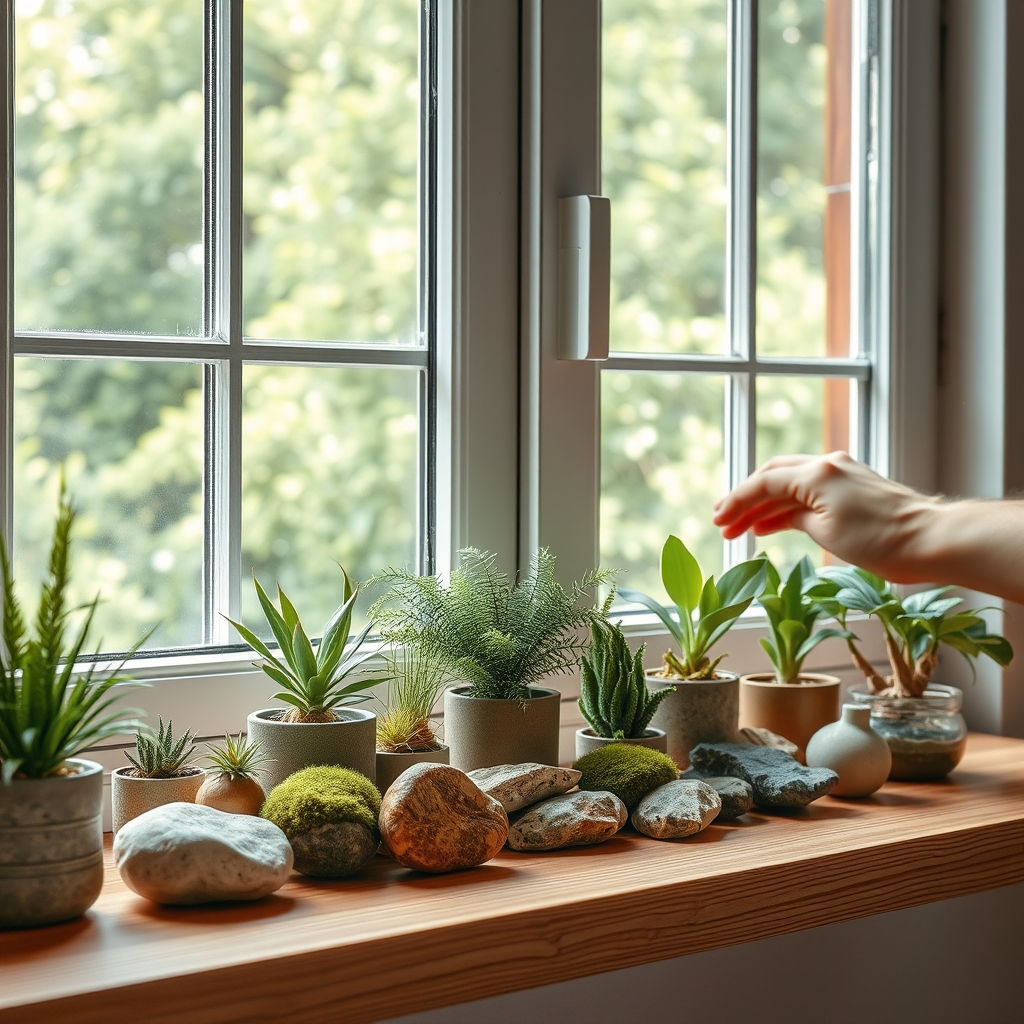
Cost-wise, pocket-planter and modular panels kit DIY wall projects cost between $100 and $500+ depending on size, materials, and lighting needs. For more creative ideas, floating shelves with grouped potted plants work well, especially where a formal plant wall structure isn’t feasible thanks to wall weight or building restrictions. Check out these additional biophilic outdoor design tips for inspiration on combining vertical greenery inside and outside.
Real 2024 costs & pitfalls (pro vs DIY, cost drivers)
Professional living wall installation cost in 2024 ranges from $175 to $250 per square foot, according to Green Oasis. This bridges system design, plant procurement, installation labor, automated irrigation, and sometimes bundled maintenance or warranty. For specialty or technically demanding projects—like walls with integrated TV nooks or extra height requiring pump systems—costs can rise steeply. Sempergreen cites €1700–€1900 per square meter for advanced, high-feature walls with vertical irrigation complexity (see case illustration).
In contrast, most prefab DIY green walls (planter pockets, modular trays, shelving) start from $100 and commonly run under $500 for a feature 3’ x 4’ to 4’ x 8’ wall before advanced lighting. But beware—the savings come with a tradeoff: you take full responsibility for plant health, watering, and repairs.
| Cost Driver | DIY Indoor Plant Wall | Professional Living Wall Install |
|---|---|---|
| Upfront Cost | $100–$500+ | $175–$250/ft² |
| System Complexity | Simple pockets, trays, floating shelves | Integrated system, irrigation, lighting |
| Irrigation | Manual or basic add-on | Fully automated, advanced drainage |
| Maintenance | 100% homeowner managed | Often includes service contract |
| Customization | Modest—pre-built planters or shelf layouts | Full—curve/height/lighting/plant palette |
| Typical Pitfalls | Insufficient light/water, wall damage, plant loss | Higher cost, recurring maintenance expense |
Common pitfalls for any living wall project include:
- Poor access leading to neglected sections and dead plants.
- Inadequate lighting—resulting in leggy, unhealthy greenery.
- Missed irrigation schedule, causing brown-out, soil mold, or wall damage.
- Lack of proper waterproofing behind wall panels, which can trigger expensive repairs.
- Pests and mildew in humid environments or overcrowded panels.
Most competitors skip deep-dive alternatives: vertical micro-greenhouses, hybrid art panels for easy seasonal swaps, or integrating planter shelves around windows for natural light optimization. Smart budgeters should always rank living wall features against other biophilic interior design ideas (like faux plant wall accents or plant-friendly bathroom remodels).
Conclusion & Next steps
For anyone planning a biophilic design home, weighing the real costs, installation complexity, and day-to-day maintenance of living walls pays off—especially if you want sustainable, long-term beauty. To succeed, start with a light and site audit, set a pragmatic budget using the $175–$250 per square foot (pro) or $100–$500+ (DIY) reference, shortlist tough, low-maintenance plant species, and decide honestly where you can DIY and where professional help is essential. If you’re ready to boost air quality, comfort, or just crave the daily wellness of a lush indoor feature, the next move is simple—download a living wall estimator worksheet, or book a no-pressure consultation today. Your real-world biophilic upgrade is absolutely possible.
FAQ
Can I install an indoor living wall in any room?
Yes, you can add a living wall to nearly any indoor space—just account for lighting, irrigation, and weight concerns, especially in upper floor rooms.
How much should I budget for an indoor plant wall DIY project?
DIY approaches typically start at $100 and can range to $500+ for larger setups with grow lights or modular panels.
What kind of maintenance do living walls need?
Expect watering every other day in summer (unless automated), plant panel swaps every six months, occasional pest checks, and regular trimming.
How long do living wall panels last?
Panels often need swapping or replanting twice a year to maintain health and aesthetics—plan for this in your recurring budget.
Do living walls really improve home value or air quality?
Yes, living walls can both enhance air quality and appeal to eco-conscious buyers, but poorly maintained installations may have the opposite effect.