

Table of Contents
Aging in place bathroom remodel is top of mind for families who want to keep parents and loved ones safe at home—without spending on features that add cost but little peace of mind. With fall risks, budget pressure, and contractor confusion, making the right choices can fill anyone with doubt. This guide cuts through the noise: you get 2024 project costs, real safety complaint themes from seniors, and a one-page checklist you can actually use with your contractor.
Key Takeaways
- Most aging in place bathroom remodels range from $2,700 to $16,000, but key decisions around showers and flooring drive the final bill.
- Focus on ADA upgrades that actually reduce fall risks: non-slip flooring, secure grab bars, and smart layout changes.
- Always verify your contractor’s ADA experience—cutting corners on waterproofing or slope is the #1 cause of expensive future repairs.
What Is an Aging in Place Bathroom Remodel—And Why Does It Matter?
Aging in place bathroom remodels are not just about making a bathroom look different. They are about making it function safely and comfortably for seniors—especially those with balance issues or using mobility aids. True ADA bathroom renovation projects use grab bars, easy-access showers, comfortable-height toilets, and non-slip flooring bathroom elderly users trust. The result is a bathroom anyone can use with less risk of falls or injuries, letting loved ones stay at home longer without unnecessary fear.
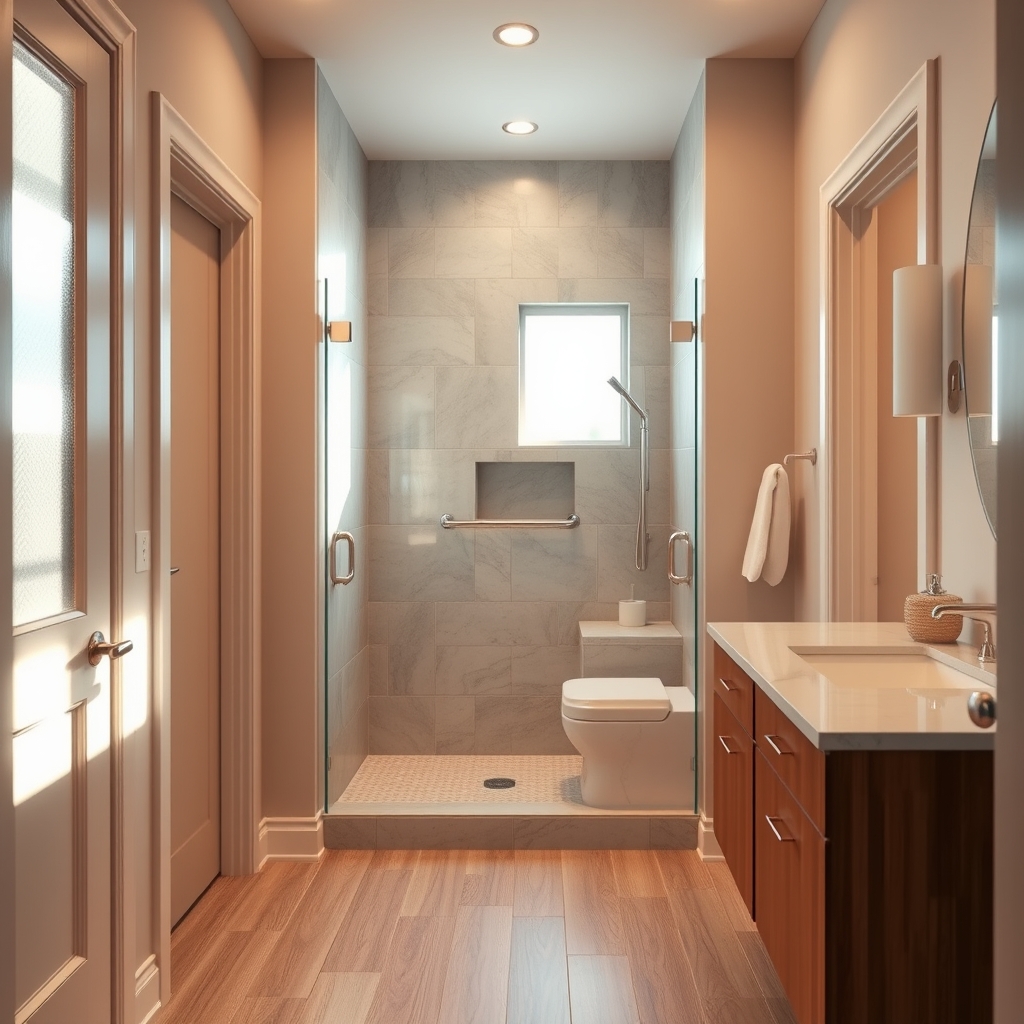
Most important: these changes lower the chance of a fall—the number one cause of injury for people over 65. When planning, the budget is important, but the true regret comes from skimping on the details that actually avoid emergencies. That’s why this guide focuses on the best value, not just the lowest price.
Step-by-Step: How to Plan and Budget Safely
Aging in place bathroom remodels can feel overwhelming. Here’s how to break it down into manageable, high-impact steps that maximize safety and value.
- Assess actual needs at home: Do a walkthrough with your relative. Use a checklist: is getting in the shower hard? Are towel bars being grabbed for balance? Is the floor slippery when wet?
- Set a realistic, flexible budget: Most aging in place remodels run $2,700–$16,000 (Fixr; HomeAdvisor). Prioritize a 10–15% contingency fund for hidden repairs or surprises (Hunter Builders).
- Choose top-impact upgrades first: Line up changes by fall risk and cost. The most effective steps are usually:
- Grab bars for shower and toilet areas ($90–$300 each; secure stud-mount is best)
- Non-slip flooring bathroom elderly users recommend (full-floor options $4,500–$8,000; coatings from $75)
- Curbless or walk-in showers for seniors (base install $2,500–$9,000; roll-in for wheelchairs can be $12,000+)
- Comfortable-height toilet ($100–$1,600)
- Anti-scald shower controls ($80–$300)
- Door widening ($300–$2,500 if needed for mobility devices)
- Shower bench/seat ($325–$800)
See World CopperSmith for cost breakdowns if adding luxury tile or built-in benches.
- Vet the right contractor: Pick a pro with ADA bathroom renovation experience. Ask if you can contact past clients and see similar completed work.
- Get at least three bids for cost and scope clarity: Ask them to quote grab bars for shower, non-slip flooring bathroom elderly upgrades, and curbless shower installation costs as line items—so you can scale the project up or down.
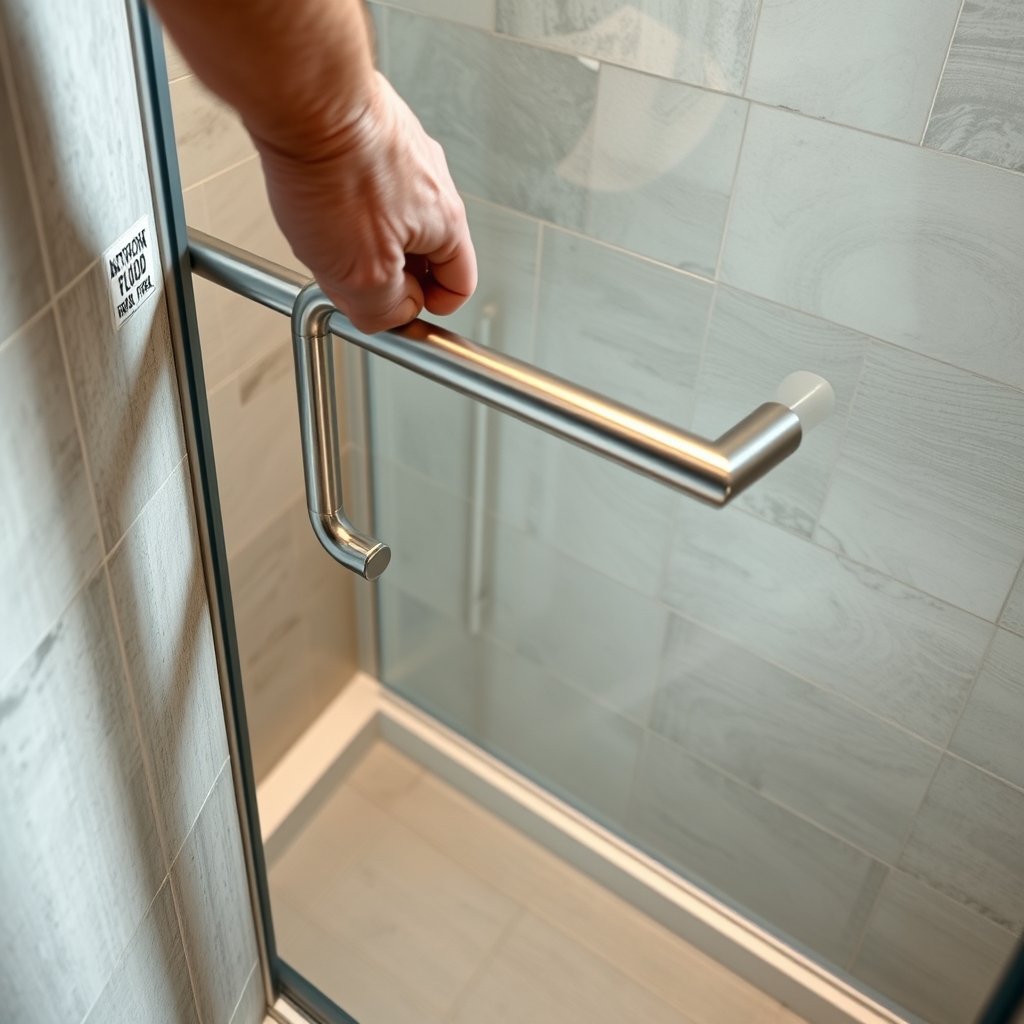
For real-world examples of walk-in conversions and safe ADA remodels, see our full walk-in shower for seniors guide and small bathroom renovation breakdown.
- Need floor ideas? The pros and cons of luxury vinyl plank are covered in this LVP flooring guide.
- For water-saving recommendations during remodels, check out our WaterSense fixtures savings guide.
Advanced Analysis & Common Pitfalls (Costs, Mistakes, Safety Risks)
Choosing between curbless, roll-in, and walk-in showers—and budgeting line item by line item—can be confusing. Here are the key trade-offs, cost triggers, and safety hazards families and caregivers should know in 2024.
High-Impact Cost Drivers—What Makes Remodels Expensive (Or Dangerous)
| Upgrade Type | Low-End Cost | High-End Cost | What Drives Price Up | Risk If Skipped / Done Wrong |
|---|---|---|---|---|
| Curbless Shower Installation | $2,500 | $9,000+ ($12k–$17k for wheelchair use or drainage problems) | Slope to drain, waterproofing, tile/stone, labor | Poor slope = leaks, trip hazard, major water damage |
| Non-Slip Flooring | $75 (coating) | $8,000 (full floor system) | Material chosen, size, demolition required | Slippery floors are a top senior complaint and fall risk |
| Grab Bars (shower/toilet) | $90 | $300+ | Wall structure access, stud/blocking, bar quality | Poorly-mounted bars pull out, become useless in a fall |
| Toilet Upgrade (comfort-height) | $100 | $1,600 | Style, flushing, installation complexity | If skipped, difficulty standing/sitting, higher fall risk |
| Labor (general contractor) | $45/hour | $200/hour | Region, specialty skills (waterproofing, ADA) | Wrong contractor = rework, leaks, safety gaps |
Common Pitfalls and Complaints to Avoid
- Thin, slippery tile or grout that becomes hazardous when wet. Seniors often cite this as their #1 fear. (Non-slip flooring bathroom elderly users praise is worth the cost.)
- Grab bars for shower areas poorly anchored to drywall, not studs—these almost always loosen or fail under strain.
- Finished curbless showers with incorrect slope or improper drainage (water pools on floor, leading to mold, slips, or leaks).
- Inadequate lighting or no integrated nightlight—major cause of nighttime falls.
- Skipping waterproofing or opting for cheap labor to save money. You often pay more later—water behind walls is a silent, expensive disaster.
- Not widening doors when mobility needs change—leading to future, costly tear-outs.
- Poor contractor communication or rushing through contracts without clear ADA upgrade scope—surprise costs and rework happen.
What Top Articles Often Miss: Overlooked (But Critical) Solutions
- Linear drains and precise slope planning—add a couple thousand dollars, but are essential for truly reliable curbless installs (Truvine).
- Quick-install anti-slip retrofits as a first layer—so you can boost safety in days, even if you’re saving up for full upgrades.
- night lighting (stick-on, LED, or under-cabinet) for safer late-night trips. Often $20–$100 and overlooked entirely in budget lists.
- Caregiver-clear areas—think of how a wheelchair or walker will turn, or whether a helper can easily reach in an emergency.
- Maintenance realities: Textured tile adds grip but is tougher to clean; vinyl is easy to mop but not as durable under heavy water use.
If you’re weighing options, see our SPC vs. laminate flooring comparison for practical surface advice.
Conclusion: How to Succeed—And What to Do Next
An aging in place bathroom remodel is one of the most valuable gifts you can give a loved one who wants independence and safety at home. Done right, it means less worry about falls, fewer emergency costs, and more years of worry-free living.
Next steps: Start with a home walkthrough and make a true needs list (not just a wish list). Prioritize non-slip flooring, secure grab bars for shower and toilet areas, and easy-access or curbless entries. Get three quotes with ADA experience, and don’t cut corners on waterproofing or structure—these are never worth a future headache.
Budget for what matters and use our checklist below before you sign with any contractor. When you’re ready to dive deeper, explore our small bathroom renovation guide and walk-in shower for seniors conversion tips next.
Frequently Asked Questions
How much does an aging in place bathroom remodel cost in 2024?
Most accessible bathroom remodels range $2,700–$16,000, averaging around $8,400 according to HomeAdvisor. Complex projects with full wheelchair access or luxury finishes can exceed $17,000.
What are the highest-value safety upgrades for seniors?
Invest in non-slip flooring, secure grab bars, walk-in or curbless showers, anti-scald controls, and night lighting. These upgrades address the #1 complaints from seniors and caregivers about falls and bathroom injuries.
Is it cheaper to do a quick-safety retrofit versus a full remodel?
Yes. Adding basic grab bars, non-slip treatments, and swapping in a comfort-height toilet can often be done for under $2,000. Full aging in place remodels with new showers, widened doors, and full flooring update run $8,000–$14,000 on average.
Should I try to DIY any part of the ADA bathroom renovation?
DIY small items like anti-slip coatings or removable benches if you’re handy and safety-conscious. Leave waterproofing, shower slope, major plumbing, and door widening to an experienced contractor to avoid water damage or dangerous errors.
What checklist should I use to interview bathroom remodel contractors?
- Ask for specific ADA bathroom renovation project photos.
- Request client references for aging in place jobs.
- Find out how they handle waterproofing and sloping for curbless showers.
- Require details and part numbers for grab bars and slip-resistant flooring bathroom elderly users recommend.
- Ask about their permit and warranty process for all work.
—