

Table of Contents
Rainwater harvesting system installations are surging among eco-conscious homeowners and DIYers seeking to cut water bills and make their properties more resilient. But behind the trend, real-world challenges and overlooked opportunities can make or break your results.
Key Takeaways
- The rainwater harvesting system market is booming—above-ground systems now dominate, largely for residential use, with global revenues expected to exceed $7.9 billion by 2027 (source).
- Correct installation and regular maintenance are non-negotiable—common mistakes include leaks, clogs, and undersized tanks that can lead to wasted water or damage (source).
- Major missed opportunities: leveraging new automation tech, system optimization strategies, and building-code-compliant designs lowers hassle and boosts ROI.
Quick 2024 snapshot — adoption & market scale
2024 has been a record year for home rainwater harvesting system adoption. The global market is projected to top $7.9 billion by 2027, with growth accelerating in regions facing drought or high water costs (Market Report). Above-ground systems now account for 69.30% of all new installations, making them the top choice for homeowners thanks to lower upfront costs and simple installation. North America leads in residential adoption, but demand is up in Asia and Europe too.
Why homeowners should consider rainwater harvesting now
Water scarcity is now real for millions in the US and globally. Groundwater levels are in decline. Homeowners who install a home water collection or eco water saving system benefit from:
- Resilience: A backup water supply for gardens, flushing, and emergencies.
- Cost savings: Reduced utility bills, especially for large gardens or high-use homes.
- Incentives: Government rebates and city-level programs are expanding each year.
- Environmental impact: Lower mains water demand reduces local stress and carbon footprint.
With water restrictions increasing, now is the best time to act (Research). For more practical ideas to reduce your main water bill, check out these WaterSense fixture upgrades.
Types of systems explained — above-ground vs underground and what homeowners actually install
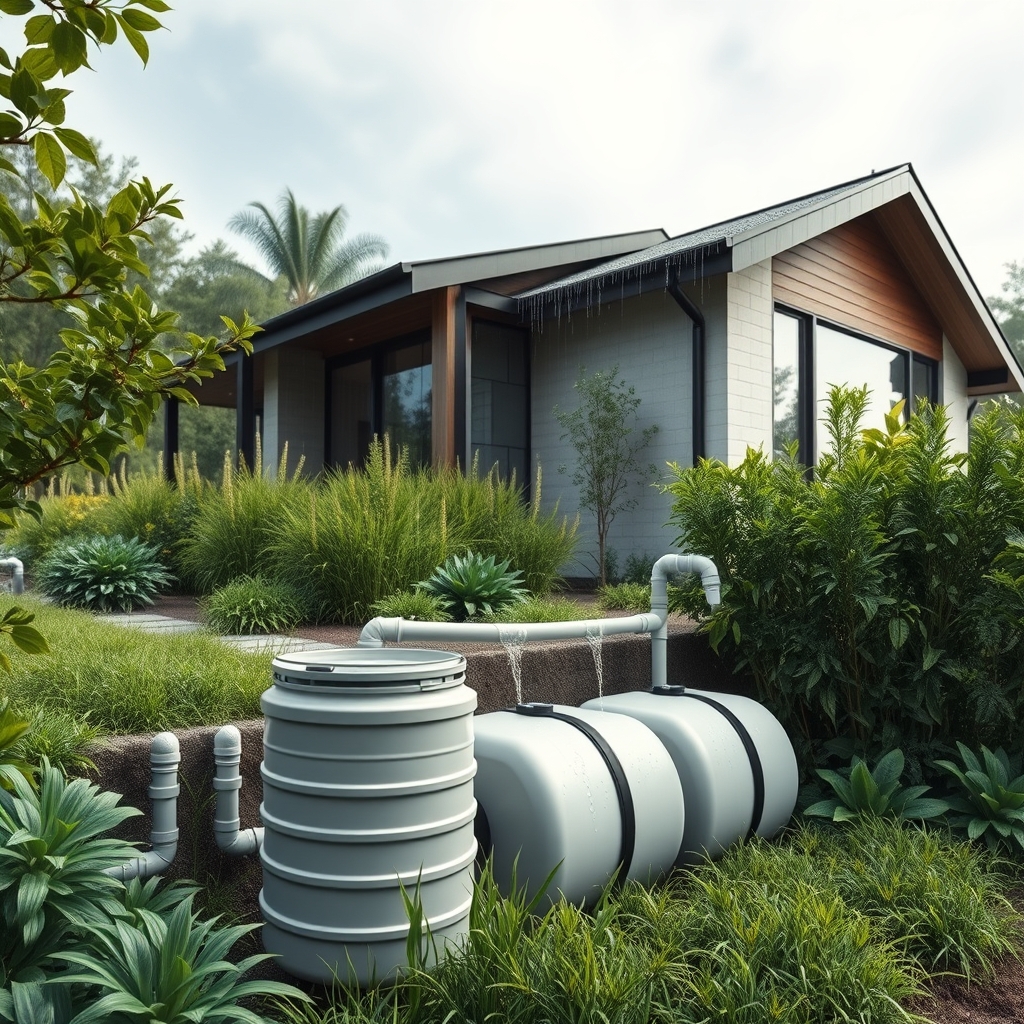
Most eco-conscious DIYers and homeowners choose above-ground systems for their water collection tank home. Why? They’re faster and cheaper to install, easy to inspect, and modular if you want to expand later. Underground tanks are mostly for high-capacity or space-constrained sites, as they are pricier and require excavation but offer hidden storage and higher volumes.
Quick comparison:
| System Type | Pros | Cons | Best For |
|---|---|---|---|
| Above-Ground | Low cost, DIY-friendly, easy access | Visible tanks, can freeze in cold | Residential gardens, retrofits |
| Underground | Hidden, no visual impact, large capacity | High install cost, excavation needed | Large homes, new builds, small yards |
Thanks to access and value, 69.30% of 2024 installs were above-ground tank (Report). If you’re hands-on, a DIY rainwater system above-ground is the logical place to start.
Adoption patterns — worldwide vs U.S. (what differs and why)
Globally, adoption is driven by droughts, urban water stress, and government-mandated programs. North America leads thanks to effective regulations, plentiful incentives, and growing homeowner demand for reliability (Source). Local differences matter—some US states (like Texas and California) support home water collection systems with rebates, while others have stricter regulations or less awareness campaigns.
If you want to future-proof your home even further, review our net-zero home guide for additional energy and water saving strategies.
Common DIY complaints & installation pitfalls (what breaks or fails)
Most negative reviews and DIY regret stories come down to the same issues. Real-life rainwater harvesting system pitfalls include:
- Tank size too small—can’t meet garden or toilet-flushing needs all season.
- Poorly sealed tanks—lead to leaks, pest intrusion, and water loss.
- Sprung or broken gutters—improper roof prep leads to water bypassing the system.
- Clogged inlets/filters—lack of cleaning means overflows or contaminated water.
- Unclear or skipped maintenance—rapid buildup of debris, mosquito risk, and pump failure.
- DIY foundations that settle or shift—causes cracks or system misalignment.
Professional help is strongly advised if you’re unsure about excavation, tank placement, or intended system use (Expert advice).
Maintenance realities — schedule, costs, and what you must not ignore
Maintenance for a home water collection tank often gets skipped, leading to avoidable failures. The Department of Energy recommends (DOE Guidance):
- Roof and gutter cleaning: At least weekly or after every storm.
- Inlet screen cleaning/replacement: Follow manufacturer’s schedule (often monthly).
- Tank inspection: Check for cracks, leaks, pests every 1-3 months.
- First-flush diverter cleaning: Quarterly or after heavy run-off.
Most maintenance costs are low—just time and attention. Major costs arise only if issues are ignored. For smart tools to ease upkeep, see our section on smart upgrades & monitoring below.
Cost, incentives and ROI — how to make the numbers work
Initial costs for a rainwater harvesting system can range from $500 for a basic DIY above-ground setup to $5,000+ for large or underground builds. Recurring costs are minor: filter replacements, occasional pump repairs, and minor cleaning supplies.
- ROI tip: Most U.S. homes use 20-30% of potable water for gardens or yard use. Replacing this with harvested rain pays back in 3-8 years—faster if you tap into local government rebates.
- Look for city or state programs that offer rebates for eco water saving systems or rainwater harvesting system installs. Some cover 20-50% of costs.
For more on financially smart eco upgrades, check our biophilic outdoor design guide and energy efficient appliance choices.
Top 3 under-covered opportunities high-ranking articles miss (actionable growth areas)
- Tech advancements: New generations of self-cleaning filters, low-voltage pumps, and plug-and-play remote monitoring make systems easier for DIYers and reduce routine labor. AI-based predictive maintenance is now hitting residential price points (Source).
- System optimization: Use online calculators or sizing algorithms to right-size tanks to your climate and usage, and consider hybrid setups (multiple linked tanks, seasonal overflow diverters). Recharge systems that divert overflow to groundwater recharge can be a win-win.
- Regulation & standardization: Designs built to ARCSA/ANSI Standard 63 and local codes are easier to permit, safer for health, and better for resale value. Many city programs now require or prefer these codes to approve incentives (Details).
Embrace these for longer-term savings and peace of mind—most older articles miss them.
Smart upgrades & monitoring — practical tech that reduces DIY headaches
Today, adding a couple of smart tech upgrades to your DIY rainwater system can save hours each season. Affordable water level sensors can now integrate with your smartphone. Automated inlet cleaners or solenoid-actuated diverters can reduce overflow and blockages. Even basic predictive platforms send you a maintenance reminder before problems surface.
Smart eco water saving system features are now affordable—think $40 for basic smart sensors, up to $300 for complete controllers. For more home efficiency improvements, check our smart thermostat installation guide.
Step-by-step DIY install & troubleshooting checklist for homeowners
- Site assessment: Check roof area, gutter layout, and runoff direction.
- Tank sizing: Use online calculators based on your rainfall and projected use.
- Roof & gutter prep: Clear debris and confirm soundness—add mesh screens if needed.
- Inlet/filter selection: Choose filters matched to your local leaf/debris load.
- Foundation prep: Ensure a level, compacted base for the water collection tank home setup. Concrete pavers or gravel beds work for light tanks.
- Tank install & overflow: Place tank, hook up overflow piping, and install a first-flush diverter.
- Sealing: Use food-grade caulk or gaskets, especially on inlet/outlet ports to prevent leaks.
- Connection: Attach pipework to your irrigation, dripline, or flushing circuit.
- Testing & commissioning: Check for leaks, proper flow, and steady fill/empty rates.
- Routine inspection: Add reminders for screen/tank checks in your calendar.
Compliance & standards — what to check locally before you build
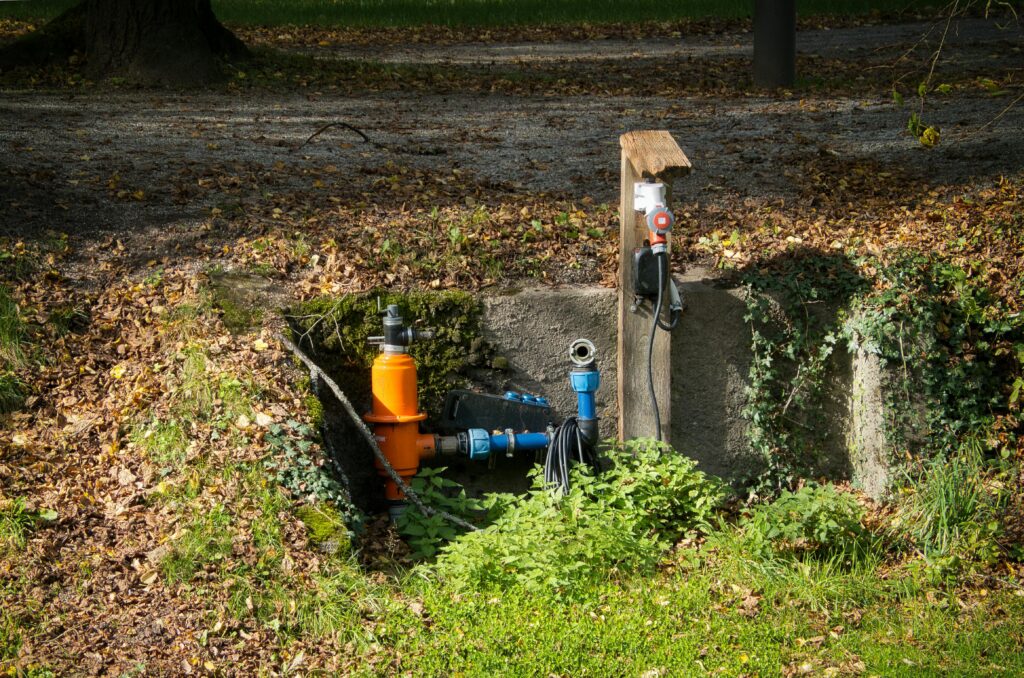
Before any purchase or build, check your city or county’s requirements for rainwater harvesting system permitting. Look for:
- Health codes: Especially if water may be used for toilet flushing or washing.
- Design standards: Compliance with ARCSA/ASPE/ANSI Standard 63 improves safety, streamlines approvals, and helps you qualify for rebates (ARCSA/ANSI resource).
- Overflow and proximity: Local codes often mandate setbacks from structures and storm drains.
- Resale value: Meeting common standards increases buyer confidence and value down the line.
Reviewing this early avoids fines and helps avoid future headaches when selling your home.
Resources, product picks and next steps for readers
Ready to plan your eco water saving system install? Bookmark these resources:
- DOE Rainwater Harvesting Tech Review — schedule templates and system technology breakdowns
- ARCSA International standard PDFs — code, rebates, and common pitfalls
- Your local city/utility site — for rebate application forms and DIY-friendly info
Starter kit product checklist:
- Above-ground tank (100-500 gallons for most gardens)
- Leaf guard and mesh filters
- Pump or gravity spigot, basic controller
- first-flush diverter and basic overflow kit
- Wi-Fi water level sensor
Next step: perform a quick household water use audit (see DOE’s worksheet) to size your system for maximum savings. For more project ideas, visit our guide to sustainable outdoor living upgrades.
Conclusion — safe, smart, and scalable home water collection
The current market momentum, tech trends, and city-level support all point to a great time to invest in a home rainwater harvesting system. Smart choices—like technology upgrades, right-sizing, and compliance with local standards—lower risks and boost payback. Plan, install, and maintain your system carefully: the payoff is real. Action item—within one month, audit your water use, research local rebates, and outline your install plan. Home water collection for resilience and savings starts now.

FAQ
Is rainwater harvesting legal everywhere in the US?
No, legality and requirements vary state to state—and sometimes city to city. Always check local codes before planning a rainwater harvesting system install.
Does collected rainwater need to be filtered?
Yes. For non-potable uses (gardening, toilet flushing), leaf/debris filters and first-flush diverters are necessary. For any indoor use, more advanced filtering and disinfection are often required.
What size tank do I need for my home?
Most suburban homes start with a 100 to 500-gallon tank for landscape irrigation. Use online calculators factoring roof area, rainfall, and usage to avoid undersizing.
Can I install a rainwater harvesting system by myself?
DIY is possible, especially for above-ground systems. However, for underground, large, or multi-use systems, professional help is strongly recommended to avoid installation issues and meet local codes.
What are the top maintenance tasks?
Clean roof and gutters weekly or after storms, clean or replace inlet filters monthly, inspect tank and connections every quarter, and check overflow paths regularly.
—