

Table of Contents
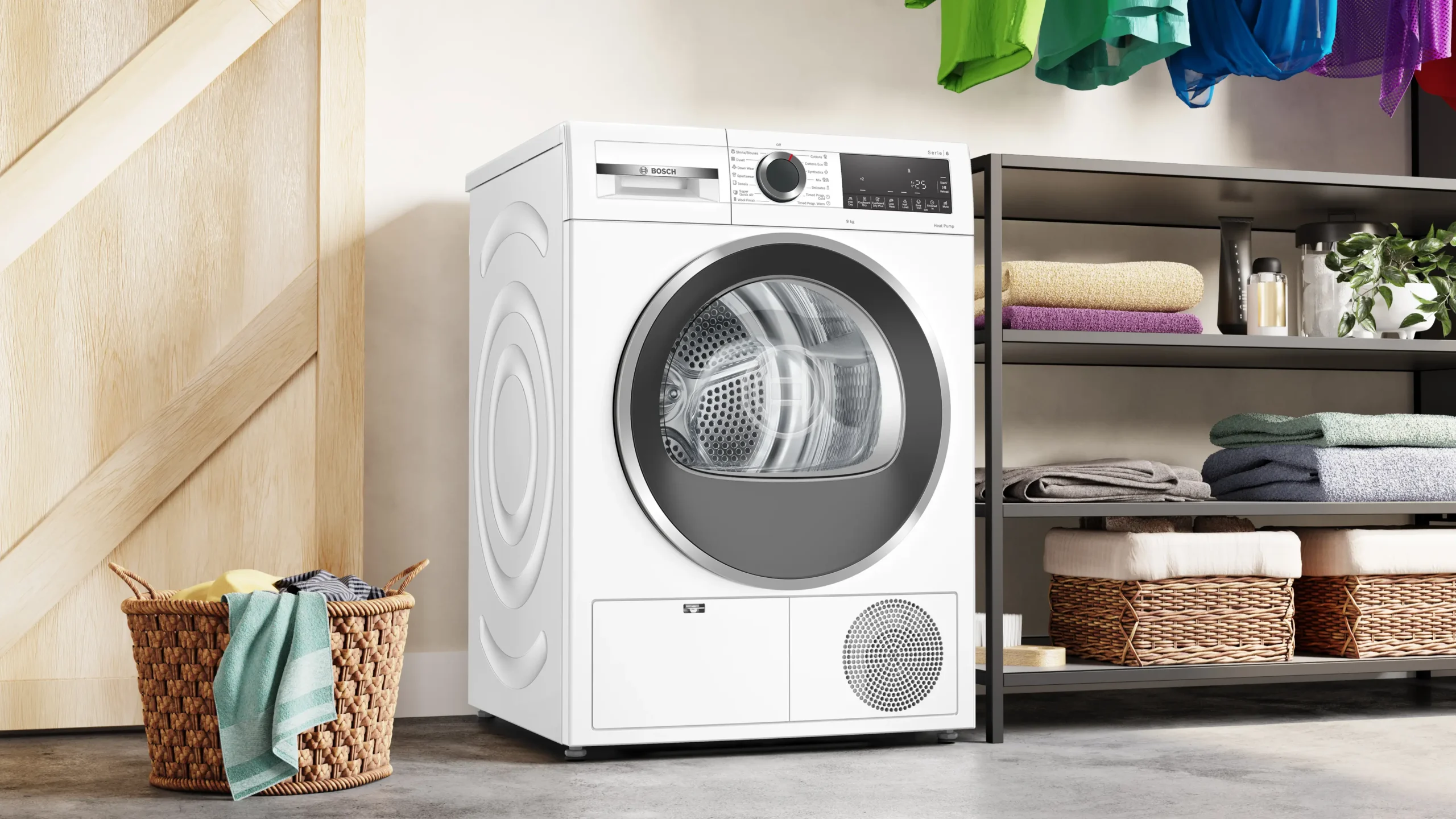
Heat pump dryer technology is changing how smart homeowners and renters dry laundry, offering deep savings on utility bills plus a greener footprint—if you choose and use it right. Here’s what the numbers say before you buy, and everything the sales pitch leaves out.
Key Takeaways
- Heat pump dryers slash electric usage per load by about 50%, saving $80–$100 per year for average U.S. users at 2024 rates—making them one of the most energy efficient clothes dryer options available.
- The biggest tradeoffs are slower drying times, higher upfront cost ($300–$650 premium), and (sometimes) more demanding maintenance or repairs.
- Actual benefit depends on laundry volume, local electricity rates, and rebate eligibility; payback period can range from 2 to 7 years, with lifetime savings up to $1,100 or more.
- Why a heat pump dryer might be the smartest long-term buy
- How heat pump dryers actually work (simple, non-technical)
- Energy & cost math — per load and annual savings (show the calculation)
- Total cost of ownership & payback window
- Pros — why buyers praise them
- Cons & the most frequent user complaints
- Reliability, maintenance & what to expect over the first 3 years
- Technical specs buyers should demand (metrics that matter)
- Environmental impact & incentives — reduce CO₂ and shrink payback
- Comparison — heat pump vs condenser vs vented (practical tradeoffs)
- Best models, brands and who we recommend them for
- What top competitor articles habitually miss (the differentiation checklist)
- Practical next steps & calls-to-action for the buyer
- FAQ
Why a heat pump dryer might be the smartest long-term buy
Heat pump dryers typically use about 1.7 kWh per load, compared to around 3.4 kWh for a conventional vented or condenser dryer—a ~50% reduction. For the average U.S. household running 260 cycles a year at $0.15 per kWh, that means $80–$100 in yearly savings, all while drying laundry gentler and more safely when venting is tricky. The main catch? These units cost more upfront and often run cycles 2–3 times as long as traditional dryers. But if you run regular loads, plan to stick around, and are eligible for rebates, the math gets compelling.
How heat pump dryers actually work (simple, non-technical)
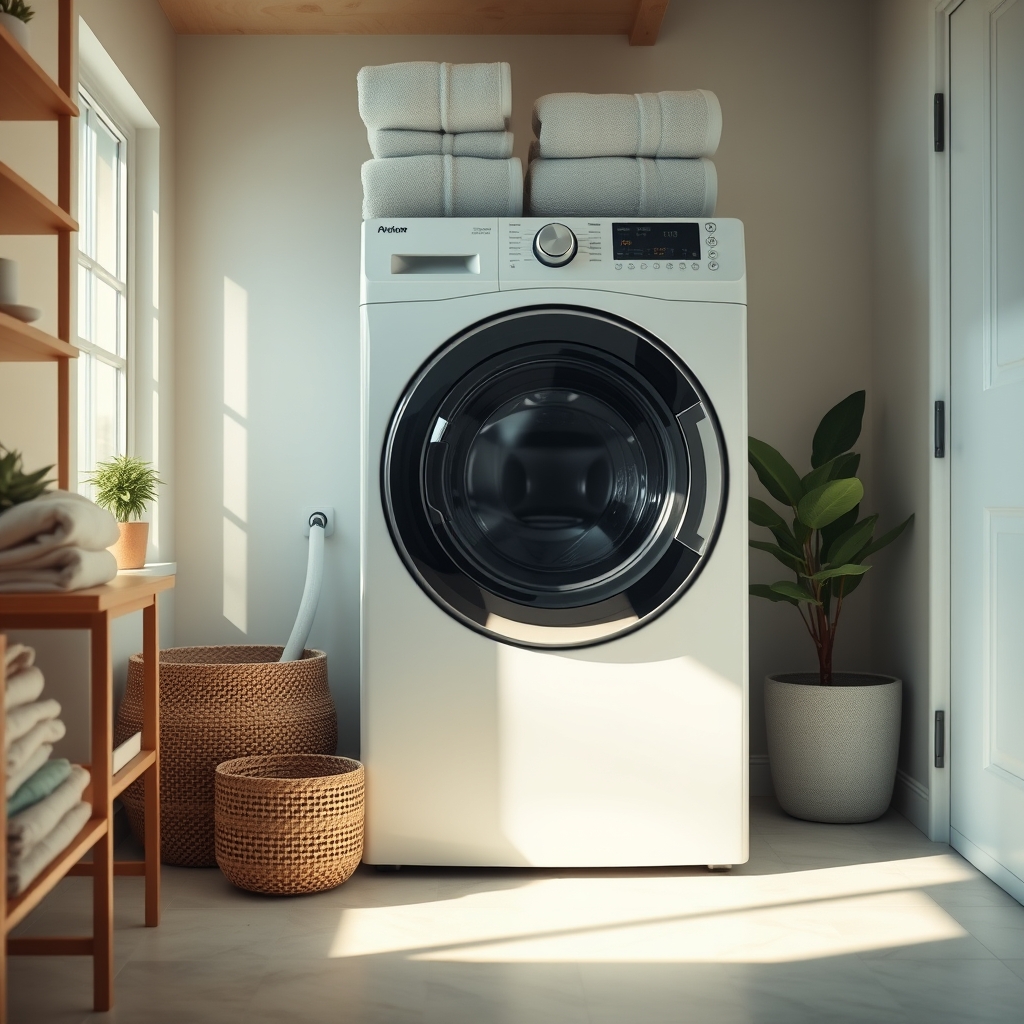
Instead of venting hot, moist air outside, a heat pump dryer recirculates air inside a closed-loop, passing it through a compressor and refrigerant heat exchanger. Moisture from the clothes condenses inside and is drained or collected, and the reclaimed heat is reused again and again. This system uses much less energy and operates at lower temperatures, which means less wear on fabrics—one big reason owners notice their clothes last longer and fade less.
Energy & cost math — per load and annual savings (show the calculation)
If your current electric dryer uses 3.4 kWh per load, and a heat pump dryer uses 1.7 kWh, that’s a reduction of 1.7 kWh per load. Multiplied by 260 cycles per year at $0.15 per kWh: (1.7 x 260) x 0.15 = $66.30 in annual savings, or up to $100 if rates are higher or you run extra loads. Here’s the formula:
- Annual savings = (kWh used by old dryer – kWh used by heat pump dryer) x loads/year x $ per kWh
Want to test your case? Plug in your own numbers. Search for “annual kWh consumption” on model spec sheets or ask your retailer directly. For the ultimate breakdown by appliance type, see our energy efficient appliances guide.
Total cost of ownership & payback window
Heat pump units generally cost $300–$650 more than comparable vented or basic condenser models—most range $1,300 to $2,000 or more. Given annual energy savings of $80–$100 (and sometimes higher), most owners see payback in 2–7 years. Typical dryer lifespans run 10–15 years, so it’s not unusual to save $750–$1,125 over a decade or more—especially for larger households or high-electricity-rate regions. Local rebates and tax incentives can knock hundreds off the net cost and cut your payback time significantly. Get exact numbers, not just averages—read our dryer cost calculator for a custom estimate.
Pros — why buyers praise them
- Massive energy savings (often over 50%) per load
- No need for outside venting—ideal for apartments or interior rooms
- Lower-temperature drying extends fabric life and color retention
- Most ENERGY STAR heat pump dryer models qualify for utility rebates
- Quieter in operation than many vented dryers (typically 55–65 dB)
For more eco-friendly appliance picks, check out our guide to eco-friendly laundry.
Cons & the most frequent user complaints
Heat pump dryer pros cons are real and not just nitpicks. The most common issues:
- Longer cycle times (expect 2–3 hours versus 40–60 minutes with vented dryers)
- Extra maintenance: cleaning the condenser and filters regularly is crucial, and sometimes awkward if not well-designed
- Occasional problems with sensor accuracy and electronic control boards
- Fewer local repair techs know the refrigeration systems compared to older dryers
- Higher upfront price—though prices are falling as adoption grows
Still comparing drying solutions? See our heat pump vs vented dryer breakdown for direct side-by-side numbers.
Reliability, maintenance & what to expect over the first 3 years
After 2–3 years of regular use, most owners report having to clean the lint trap and condenser heat exchanger consistently to avoid performance drops. If you neglect this, drying time stretches even longer and efficiency drops. Occasional reports note sensor or mainboard failures, which can mean waiting days or weeks for warranty service if your area lacks experienced heat pump appliance technicians. Be sure to ask about the brand’s authorized repair network before you buy. For long-term ease, models that offer self-cleaning condensers or easy-to-access filters are a real plus.
Technical specs buyers should demand (metrics that matter)
Most product pages gloss over what really matters for picking the best energy efficient dryer for your family and budget. Here’s what to ask for and how to compare:
- COP (Coefficient of Performance): Aim for 2.5–3.0+ to ensure true high efficiency (source).
- Annual kWh consumption: Get the real number—lower is better (typical range: 120–170 kWh/year).
- Noise level: For quiet homes, check for 55–65 dB.
- Warranty: Look for at least 2 years parts + 1 year labor as standard (comparison study).
- CO₂ reduction: Authentic eco models will cut your carbon output by about 0.4 to 0.6 metric tons per year.
- Self-cleaning condenser: Consider this for less maintenance.
- Smart home integration & parts availability: Ask if it pairs with your home hub and what the repair-part lead times are in your area.
Need a deeper dive? Get our dryer buyer’s checklist for side-by-side comparisons.
Environmental impact & incentives — reduce CO₂ and shrink payback
Modern eco dryer savings are not hype. By cutting your dryer’s energy use, you’re likely preventing about 0.4–0.6 metric tons of CO₂ emissions each year, according to ENERGY STAR research. Look for federal, state, and local rebates—some of which can knock $200 or more off your price, and can be stacked with retailer promotions. The new federal tax credit program covers up to 30% of installed cost for qualifying models, so check your model’s eligibility and see our incentives guide for up-to-date savings opportunities.
Comparison — heat pump vs condenser vs vented (practical tradeoffs)
| Feature | Heat Pump Dryer | Condenser Dryer | Vented Dryer |
|---|---|---|---|
| Energy Use | Lowest (up to 60% less than vented) | Medium (about 20–30% less than vented) | Highest (3.4–4.0 kWh/load) |
| Dry Time | Longest (2–3 hours) | 1.5–2 hours | Fastest (40–60 minutes) |
| Upfront Cost | Highest (add $300–$650) | Medium | Lowest |
| Venting Needed | No (apartment ready) | No | Yes |
| Fabric Care | Gentlest | Medium | Most likely to shrink/fade |
| Best For | Long-term savings, efficiency, rentals | Good compromise | Lowest cost, frequent/fast cycles |
For a hands-on, real-world guide to picking the right style, visit our clothes dryer comparison page.
Best models, brands and who we recommend them for
Looking for the best energy efficient dryer by buyer type? Here’s who leads the pack and who should prioritize what:
- Eco/Savings First: Miele and Bosch regularly top lab and owner ratings for efficiency, dryer quality, and component longevity.
- General Value/Availability: Whirlpool, LG, and Samsung have strong heat pump models with wide service networks and rebates.
- Apartment/Interior Room: Look for compact 24-inch heat pump units (Bosch, Miele, Samsung) with no venting and low noise.
- Fabric Care Focus: Miele and Bosch, thanks to highly accurate temperature controls and sensor drying to protect delicates.
Need a hands-on demo? Many local retailers can run a test cycle. See our best dryer reviews for latest picks and user insights.
What top competitor articles habitually miss (the differentiation checklist)
If you’ve scanned other heat pump dryer pros cons articles or “best dryer” roundups, here’s what’s almost always missing:
- Exact COP numbers (2.5–3.0 is a must for real savings)
- Verified annual kWh consumption (not just “A+++” or “highly efficient” claims)
- Noise level data in dB
- Warranty length, coverage by component, and service network scope
- Quantified CO₂ reduction per year
- Side-by-side lifecycle cost projections with and without rebates
- Repair costs, part lead times, and upgrade/retrofit compatibility
- Models with self-cleaning condensers or automatic filter alerts
- Smart home features and remote diagnostics
- Detailed guidance on how rebates or tax credits impact net cost
For our complete checklist of what matters (and what’s hype), visit our appliance buying secrets page.
Practical next steps & calls-to-action for the buyer
If you’re ready to seriously compare heat pump dryers and get the most value, here’s what to do next:
- Check your electric rate ($ per kWh) on your last utility bill.
- Request annual kWh usage and COP from the retailer for each model you’re considering.
- Ask about the warranty breakdown (parts/labor), local service coverage, and if the brand offers a self-cleaning condenser.
- Research federal/state/local rebates; check ENERGY STAR lists and your utility’s website.
- Book an in-store demo (if possible) and time a test cycle to verify drying time and noise.
- Plug your data into the payback formula above. Will you break even in 2–5 years?
Start your research with our best energy efficient dryer guide or try our calculator to see how fast energy savings cover the higher initial price.
FAQ
Do heat pump dryers need to be vented out of the house?
No. Heat pump dryers use a closed-loop system that recirculates air, making them perfect for apartments or spaces where venting outside isn’t possible.
How often should I clean the heat exchanger or condenser?
Most manufacturers recommend checking and cleaning every 5–10 cycles. Follow the manual and ask your installer to show you exactly how to do it.
Are heat pump dryers worth it for small households?
If you only run laundry once or twice a week, the energy savings are slower to add up—but rebates and better fabric care may still make sense over time.
What’s the average repair or service experience?
Repairs often require techs familiar with refrigeration systems. Ask about local service partners and availability of parts before you buy to avoid frustration later.
Which brands offer the best warranty on heat pump dryers?
Miele, Bosch, and Whirlpool often provide 2 years parts plus 1 year labor standard, but always verify the details per model and check if longer plans are available.