

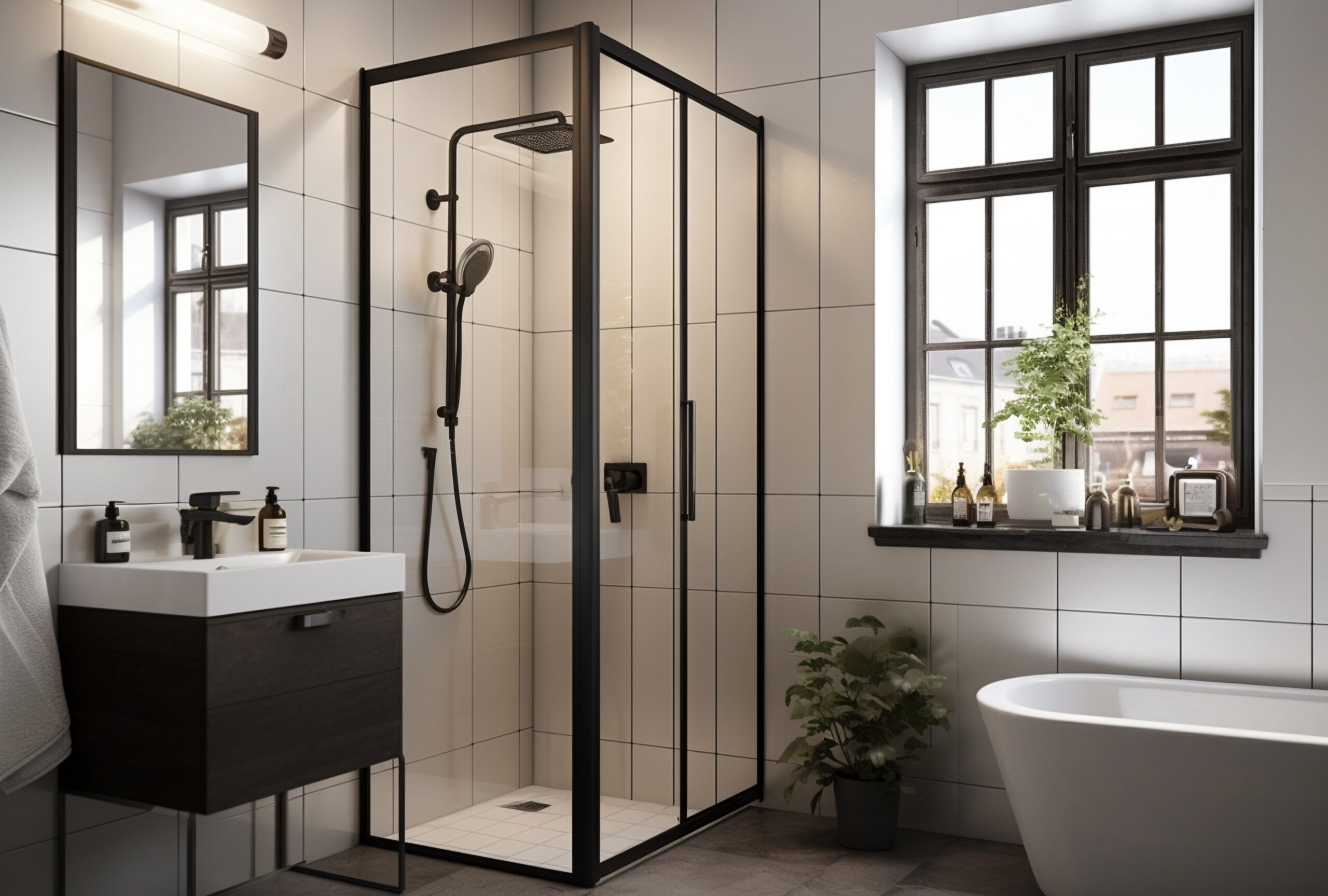
Walk-in shower conversion is one of the smartest, money-saving home upgrades—if it’s done right. But many homeowners end up overpaying or repairing mistakes. This guide delivers real-world advice so you avoid common regrets with your walk-in shower conversion and get a modern, waterproof, low-maintenance result.
Key Takeaways
- Average walk-in shower conversion costs in 2024 range from $2,000 to $15,000 depending on size, materials, and labor.
- Poor waterproofing and improper drainage are top homeowner regrets—ask contractors detailed questions about both.
- Smart planning and proven product choices cut maintenance, add value, and reduce long-term headaches.
- How much does a walk-in shower conversion cost in 2024?
- Regional and material breakdown — what to expect by region and by material
- What drives price? Size, labor, plumbing, and finishes
- Prefab vs. Custom: Pros, cons and typical costs
- Top user complaints and remodel regrets — and how to avoid them
- Frameless shower ideas that actually work (what competitors miss)
- Crucial drainage & waterproofing solutions (often missing from top articles)
- Energy-efficient and low-maintenance fixture choices
- Practical remodeling checklist & contractor questions before you get quotes
- Budget-friendly strategies to hit a modern look without overspending
- Typical timeline and what to expect during construction
- Before-and-after visual ideas & recommended assets for the article
- FAQs
How much does a walk-in shower conversion cost in 2024?
Most homeowners spend between $4,500 and $15,000 for a walk-in shower conversion in 2024, but costs can swing from $2,000 to $20,000 based on your choices. What makes estimates so variable?
- Prefab kit (simple/faster): $1,850–$4,000 — white acrylic, basic door
- Mid-range tile + glass: $5,500–$9,000 — classic tile walls, framed glass
- Custom tile + frameless glass: $10,000–$20,000 — large format tiles, zero threshold, thick glass
National averages: About $9,500 according to Modernize, but ranges cited by This Old House and Planner5D show $2,000–$20,000 is realistic. Size, materials, and labor market matter most.
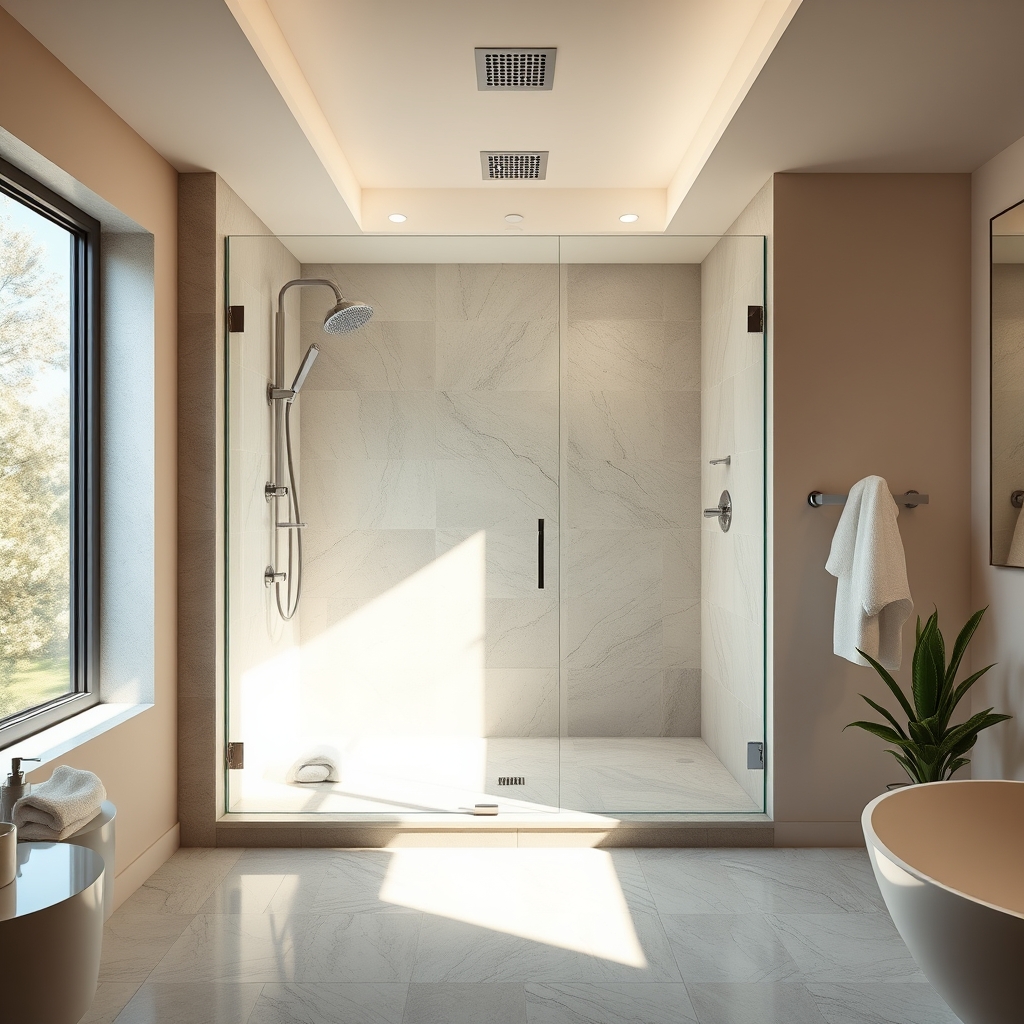
Regional and material breakdown — what to expect by region and by material
Walk in shower cost varies widely by location and material. Here’s how:
- Prefab complete units: Average $1,850 (Cranach) — fastest to install, lowest labor; less custom look.
- Custom-built tile showers: Start ~$6,350, can reach $20,000 plus.
- Tile walls: $4,000–$20,000 depending on region/material (Zintex).
- Solid-surface/acrylic panels: $2,000–$4,500 — lower maintenance, fewer grout lines.
- Stone/slab: $8,000–$20,000 — high material cost + labor.
Regional labor: High costs in coastal metros; lower in Midwest/South but skilled tile crew rates have risen everywhere. Urban areas may require more for permits, framing updates, or code compliance.
What drives price? Size, labor, plumbing, and finishes
Start with square footage—bigger truly means pricier. But the main budget drivers are:
- Labor: 40–60% of total modern shower remodel costs (Onestop Kitchen & Bath).
- Material choices: Tile, stone, textured glass, and high-end fixtures add up fast.
- Plumbing moves: Relocating a drain, or switching faucet sides, can add $500–$3,000 in many homes.
- Glass: Frameless glass, especially thicker (⅜”–½”), can cost $1,000–$4,000 alone.
- Finishes: Specialty tile, linear drains, lighting, or smart valves.
Always ask for a detailed, itemized quote. Verify labor warranties, timeline, waterproofing method, and how “unforeseen” rot or plumbing issues will be handled.
Prefab vs. Custom: Pros, cons and typical costs
| Factor | Prefab Unit | Custom Tile/Glass |
|---|---|---|
| Typical Cost | $1,850–$4,000 | $6,350–$20,000 |
| Install Time | 2–3 days | 1–3 weeks |
| Maintenance | Low (no grout) | Medium–High (grout maintenance) |
| Waterproofing Reliability | Good (factory sealed) | Depends on installer (demand a membrane) |
| Resale Impact | Good for mid-range homes | Excellent for high-value, design-conscious homes |
If you crave fast, low-drama results, prefab wins on simplicity and reliability—factory-sealed pans resist leaks. For a modern shower remodel with designer looks or accessibility needs, custom is often worth it, but only if you hire a proven contractor and specify waterproof membranes.
Top user complaints and remodel regrets — and how to avoid them
Based on real homeowner surveys, the most frequent regrets after a walk-in shower conversion are:
- Poor waterproofing (leaky seams, mold growth)
- Inadequate ventilation (foggy mirrors, mildew)
- No built-in storage (nowhere for soap/shampoo)
- Opting for high-maintenance materials (grout staining, water spots)
- Slippery floors
- Insufficient lighting
What to do instead:
- Demand a full membrane system with seams up to 6 ft, not just surface caulk.
- Verify vent fan CFM matches shower size (at least 80–110 CFM for a master bath).
- Include at least one recessed niche or ledge in your plan.
- Consider solid-surface wall panels—look modern, resist mildew, and need almost zero upkeep. See more advice here.
- Choose slip-resistant tile (look for a DCOF > 0.42).
- Insist on vapor-proof LED downlights rated for showers.
Skipping these core details is the fast track to disappointment and unexpected repairs—so use this as your pre-bid checklist.
Frameless shower ideas that actually work (what competitors miss)
Frameless designs deliver a clean, modern shower remodel—but they demand thoughtful execution. Here’s what matters most:
- Low-profile or curbless thresholds for accessibility (ADA/aging-in-place friendly)
- Use ⅜” or ½” glass minimum for rigidity
- Specify high-quality, bracketed hinges and marine-grade channels to prevent leaks
- Continuous-slope floor to a linear or center drain—no puddle risks
- Easy-clean glass coatings (like EnduroShield) to reduce water spots
- Edge weatherstripping or vertical silicone flanges at glass/wall joins
Combos that work: Solid-surface base + recessed storage niche + linear drain + single fixed frameless panel. Don’t skimp on drainage: It’s the #1 mistake. Missing this is why high-end projects suffer water damage and glass failures. Complex glass and fixture installs also push price and labor higher (Planner 5D).
Crucial drainage & waterproofing solutions (often missing from top articles)
Don’t trust “it’s code” answers—ask for exact specs:
- Curbless pan: Easy access and modern look, BUT requires precise floor slope (minimum 2% slope—about ¼” per foot to drain).
- Linear drains: Best against the back wall, not at the entry; supports seamless floors and large tiles.
- Center drains: More budget friendly, but require extra floor pitch and careful waterproofing.
- Waterproof membranes: Demand a full sheet/trowel-applied system; warranties of 10+ years. Kerdi, RedGard, and Wedi are proven brands.
- Pre-sloped foam pans: Excellent for prefab or quick installs, ensure all seams are sealed per instructions.
Missing tips on proper drainage are why beautiful showers leak or grow black mold within 18 months. Make drainage and waterproofing the first topics in every contractor call.
Energy-efficient and low-maintenance fixture choices
Upgrade where it counts for ongoing savings and less scrubbing:
- Use WaterSense-certified showerheads to slash water bills with no loss of pressure.
- Thermostatic valves prevent scalding and guarantee comfort.
- Matte or brushed finishes hide spots; avoid black or mirror chrome.
- Glass with protective coatings reduces water stains and streaks.
- Solid-surface or acrylic walls = fast wipe-downs, resist mold.
Note: Energy-efficient fixtures are often overlooked, but they pay off fast—see our complete guide to WaterSense fixtures here. For statement style, use one feature tile and save on everything else.
Practical remodeling checklist & contractor questions before you get quotes
Print (or save) this walk-in shower conversion checklist and use it for every contractor meeting before you get quotes:
- What waterproofing membrane will you use? (Brand/warranty?)
- How will you ensure proper shower slope/drainage?
- What’s your experience with frameless glass?
- How do you install niches/ledges?
- What CFM vent fan is being installed?
- Tile detail—backer board, grout type, caulk or epoxy?
- Labor warranty? Timeline? Who pulls permits?
- How are plumbing reroutes handled if required?
Red flags: Contractor shrugs at waterproofing, can’t explain venting, or only uses caulk (not a membrane). Given that labor is 40–60% of your budget, make them detail every step.
Pro move: Get at least 3 bids and make sure all use the same specs. Compare what’s included for the average homeowner price band of $4,500–$15,000.
Budget-friendly strategies to hit a modern look without overspending
Want a spa-fresh feel minus sticker shock? Use these modern shower remodel tactics:
- Solid-surface wall panels—very modern, much less than tile ($2,500–$4,000 for basic setup)
- Pick one accent tile band or niche—skip floor-to-ceiling designer tile
- Pair a prefabricated pan or base with a simple frameless panel (not a full enclosure)
- Limit specialty fixtures—skip the double-rain and body jets
- Invest in waterproofing (membrane + drains) and ventilation, not vanity extras
Lowest cost real-world option: A tiled walk-in shower with a shower curtain can be $3,500–$5,000 (Planner5D); prefab units start near $1,850. Combine these tactics for a fresh, value-maximizing finish.
Typical timeline and what to expect during construction
A prefab walk-in shower conversion often takes 2–4 days. A custom tile/frameless glass project typically runs 7–21 days, or longer with plumbing moves or mold/rot repairs. The usual steps are:
- Demo and prep (1–2 days)
- Rough plumbing, permit inspection (1–2 days)
- Waterproofing membrane and pan install (1–2 days)
- Tile work or wall panel set (2–7 days)
- Glass ordered/measured (delay!) and install (delivery is often 1–2 weeks out)
- Final fixtures, caulk and clean (1–2 days)
Biggest delay causes: Waiting for permits, unexpected subfloor/wall water damage, or late glass fabrication. Labor is 40–60% of your budget, so rushed or poorly sequenced work raises both delays and costs. Expect dust, noise, and daily cleanups.
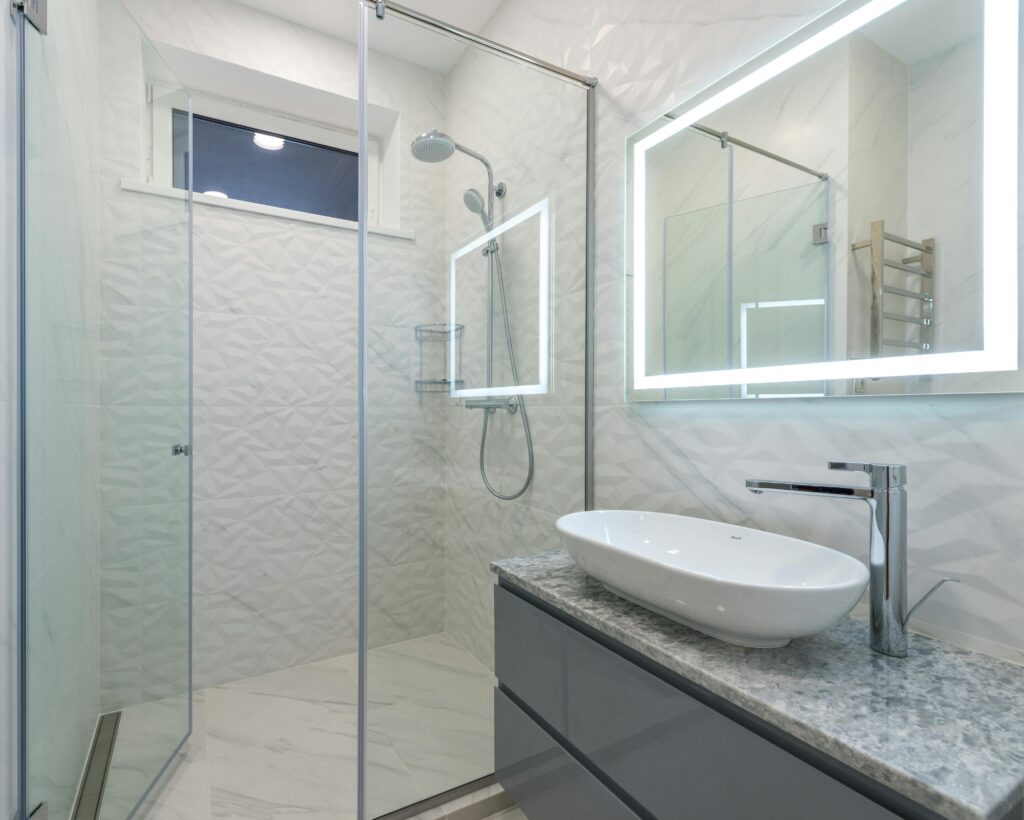
Before-and-after visual ideas & recommended assets for the article
To get inspired and make the right choices, request or create these:
- Easy-to-read cost breakdown infographic (showing prefab vs custom cost bands)
- Prefab vs custom walk-in shower comparison table (like above)
- Annotated photos with correct slope/drain placement called out
- 6 examples of frameless glass (with quick captions on slope/drain and drip edge details)
- Printable contractor questions checklist (downloadable PDF)
Don’t forget: Ask for images or sketches that highlight where drainage and vents go—many big sites never show these missing essentials.
Conclusion
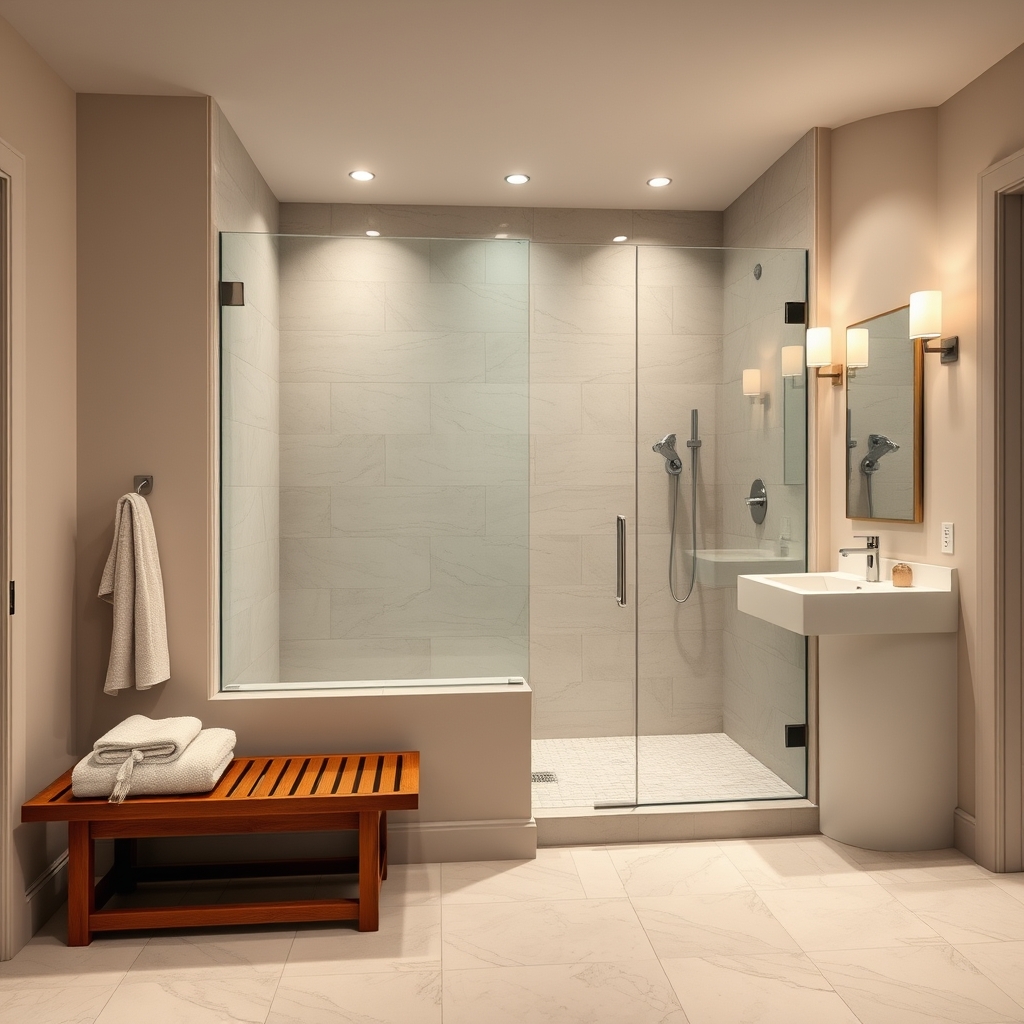
With the right plan, your walk-in shower conversion can add everyday luxury, safety, and value. Stick to proven waterproofing, smart drainage, and fixtures with low-maintenance finishes to ensure your remodel stands the test of time. Use this guide—and especially the focus keyword questions—to make every contractor explain how they’ll protect your investment.
Ready to take the next step with your walk-in shower conversion? Download our free checklist and get 3 local bids before you commit—your home (and sanity) will thank you.
FAQs
How much does a walk-in shower conversion cost on average?
In 2024, most homeowners spend between $4,500 and $15,000, with prefabricated options as low as $1,850 and high-end custom projects reaching $20,000 or more.
What is the most important thing to get right in a walk-in shower remodel?
Waterproofing and drainage are critical. Skipping a proper membrane or cutting slope corners often causes leaks or costly repairs within 1–2 years.
Are solid-surface walls better than tile?
For busy homeowners, yes—solid-surface panels need less cleaning, resist mold, and avoid grout stains. Tile can be stunning, but requires more upkeep.
Is a frameless shower worth the higher price?
For a modern look and easy cleaning, frameless glass is popular, but it costs more and demands careful installation—especially drains and slopes. If budget is tight, use frameless only on one side or as a single fixed panel.
How do I find a contractor I can trust?
Ask detailed questions on waterproofing, ventilation, slope, and labor warranties. Get at least 3 quotes, compare what’s included, and check past job photos. Our printable checklist above will help you screen pros.